Practice English listening comprehension every day with captivating true stories spoken calmly at 80% natural speed — designed specifically for beginner ESL and EFL learners (CEFR A1–A2).
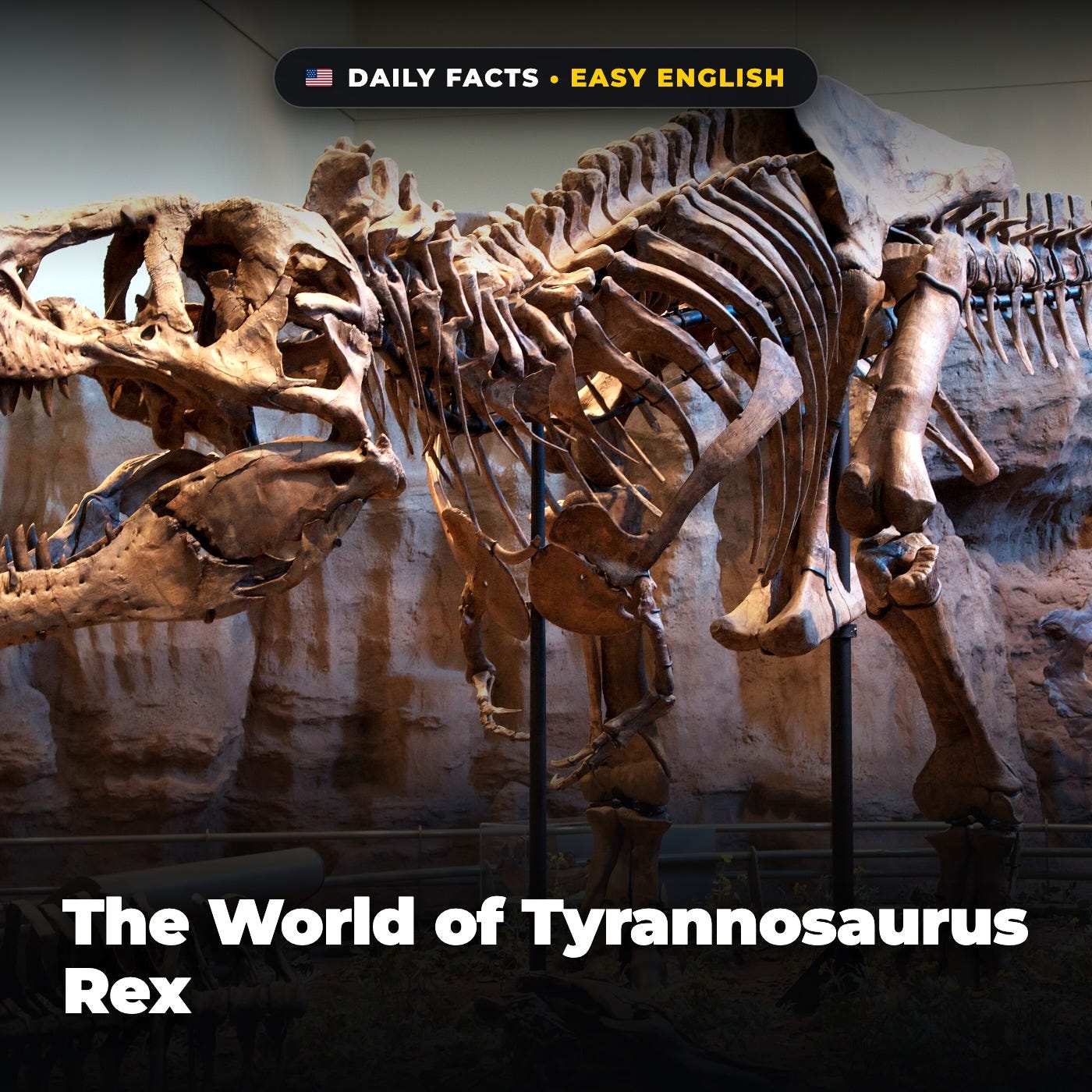
Tyrannosaurus is a genus of large theropod dinosaur. The type species Tyrannosaurus rex, often shortened to T.
rex or colloquially T-Rex, is one of the best represented theropods. It lived throughout what is now western North America, on what was then an island continent known as Laramidia.
the animal (a living creature that can move around and eats plants or other animals)the bone (one of the hard white parts that make up the skeleton inside a body)the dinosaur (a prehistoric reptile that lived on Earth millions of years ago)
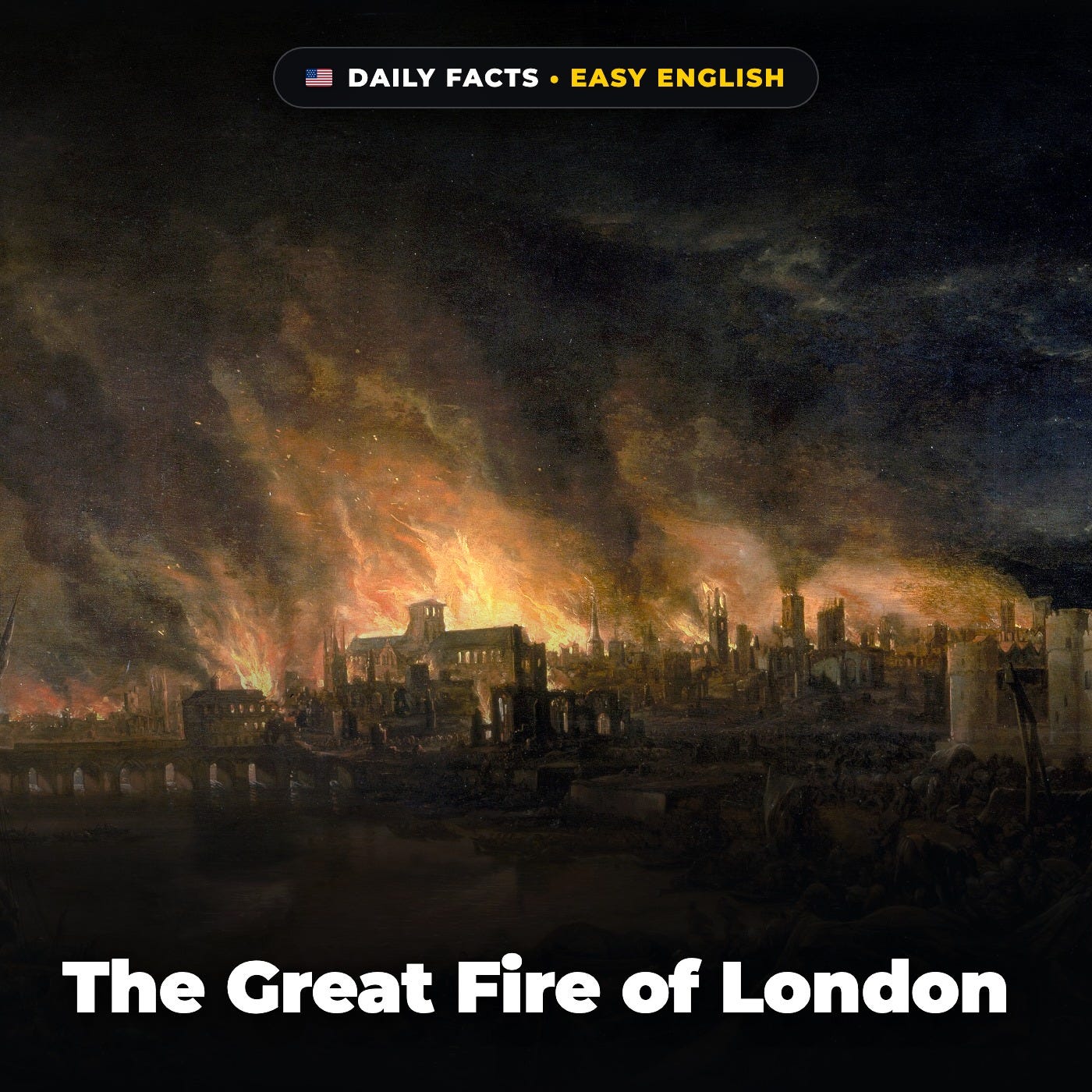
The Great Fire of London occurred from Sunday 2 September to Wednesday 5 September 1666, gutting the medieval City of London inside the old Roman city wall, while also extending past the wall to the west. The death toll is generally thought to have been relatively small, although some historians have challenged this belief.
In this episode, we break down the most important facts and stories about The Great Fire of London using clear, beginner-friendly A1
Practice everyday beginner vocabulary through real-world examples.the fire (the hot, bright flames produced when something burns)the city (a large and important town where many people live and work)
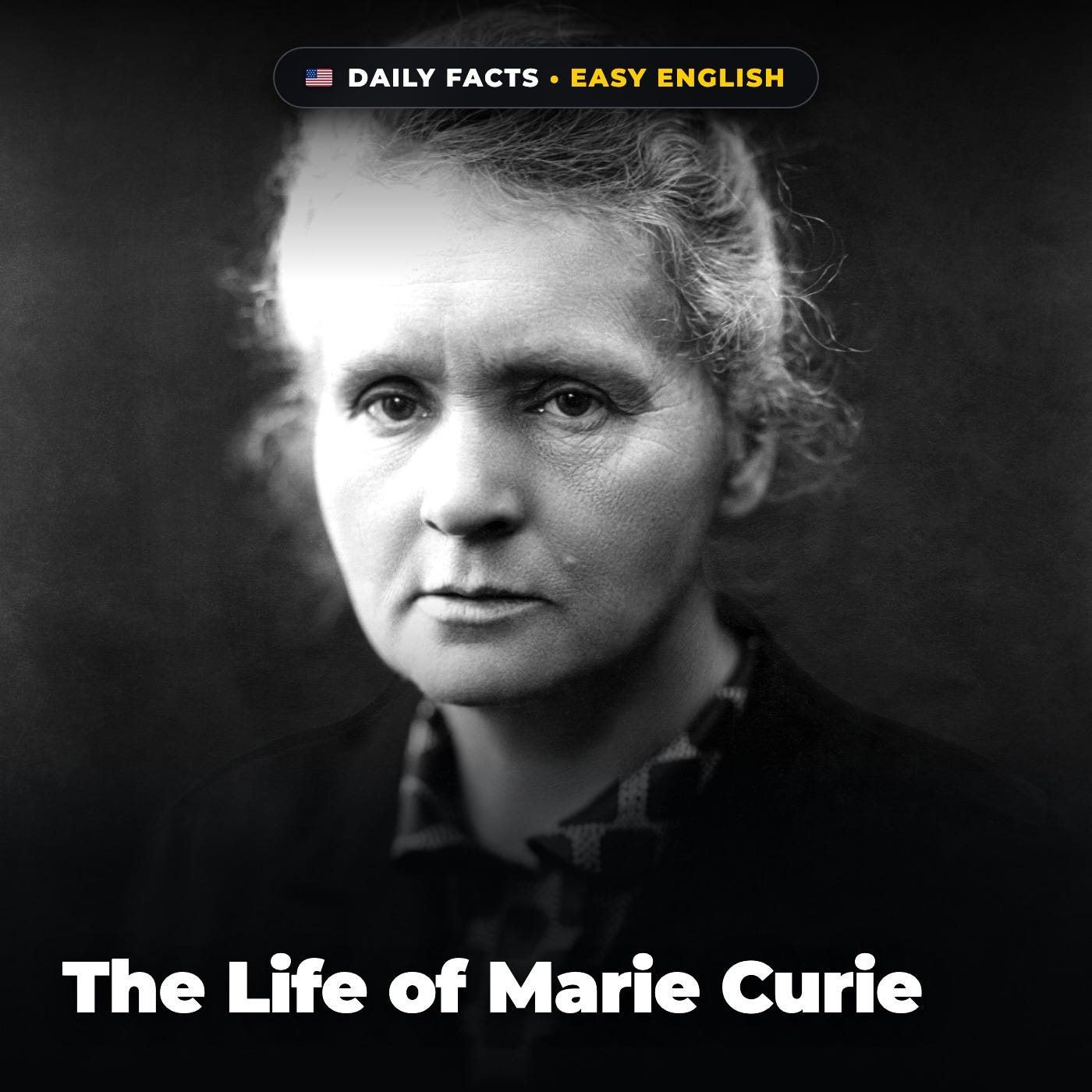
Maria Salomea Skłodowska Curie, better known as Marie Curie, was a Polish and naturalised-French physicist and chemist. She shared the 1903 Nobel Prize in Physics with her husband, Pierre Curie, "for their joint researches on the radioactivity phenomena discovered by Professor Henri Becquerel".
She won the 1911 Nobel Prize in Chemistry "[for] the discovery of the elements radium and polonium, by the isolation of radium and the study of the nature and compounds of this remarkable element".
the rock (the hard mineral material that forms mountains and the Earth’s crust)the university (a high-level school where students study for degrees and do research)the scientist (a person who studies nature, physics, chemistry, or biology)
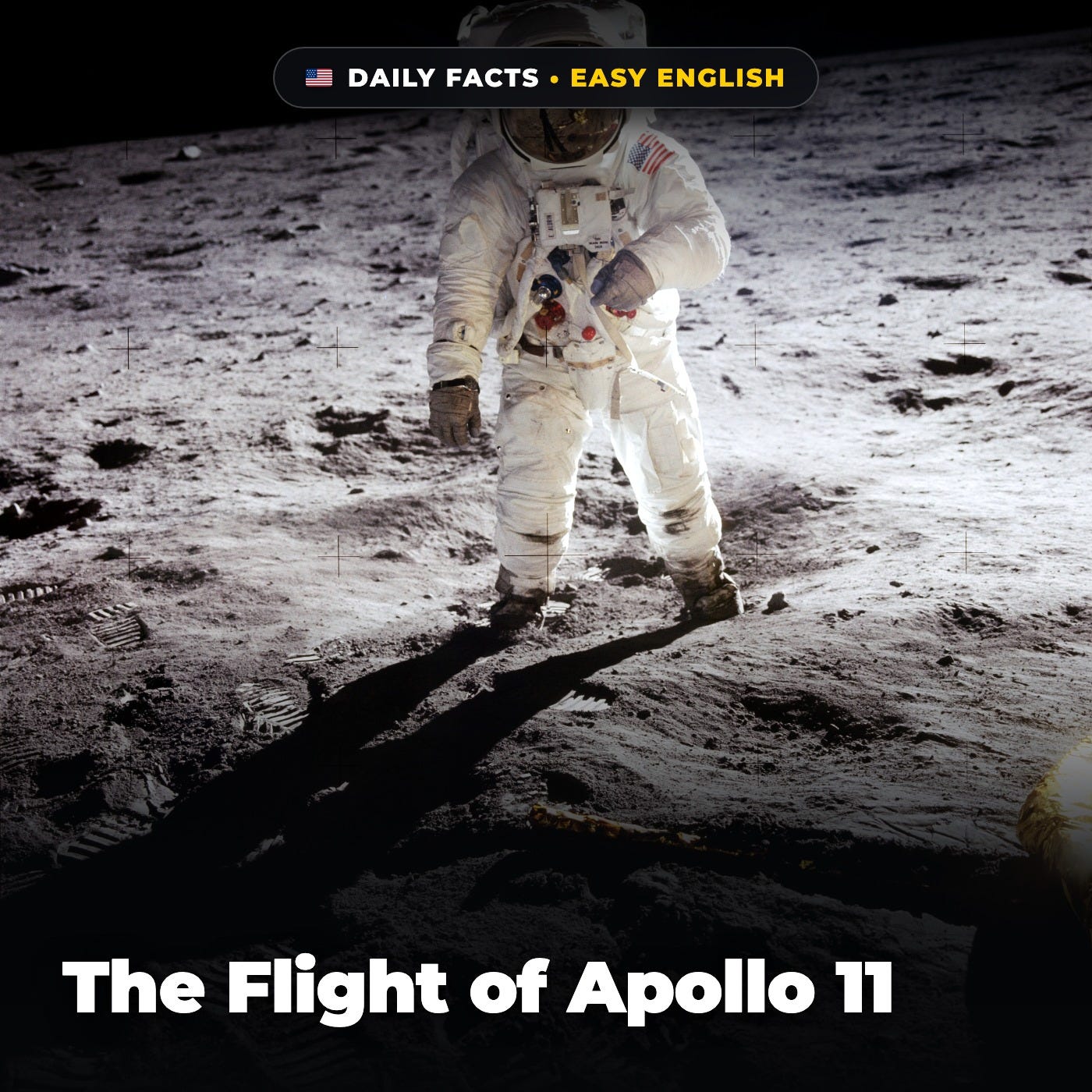
Apollo 11 was the American spaceflight that first landed humans on the Moon, and the fifth crewed mission of NASA's Apollo program. The mission was crewed by Commander Neil Armstrong, Command Module Pilot Michael Collins, and Lunar Module Pilot Edwin "Buzz" Aldrin, all of whom were on their second and final spaceflight.
In this episode, we break down the most important facts and stories about The Flight of Apollo 11 using clear, beginner-friendly A1
Practice everyday beginner vocabulary through real-world examples.the ship (a very large boat that carries people or goods across the sea)the moon (the natural round object that shines in the night sky and circles a planet)
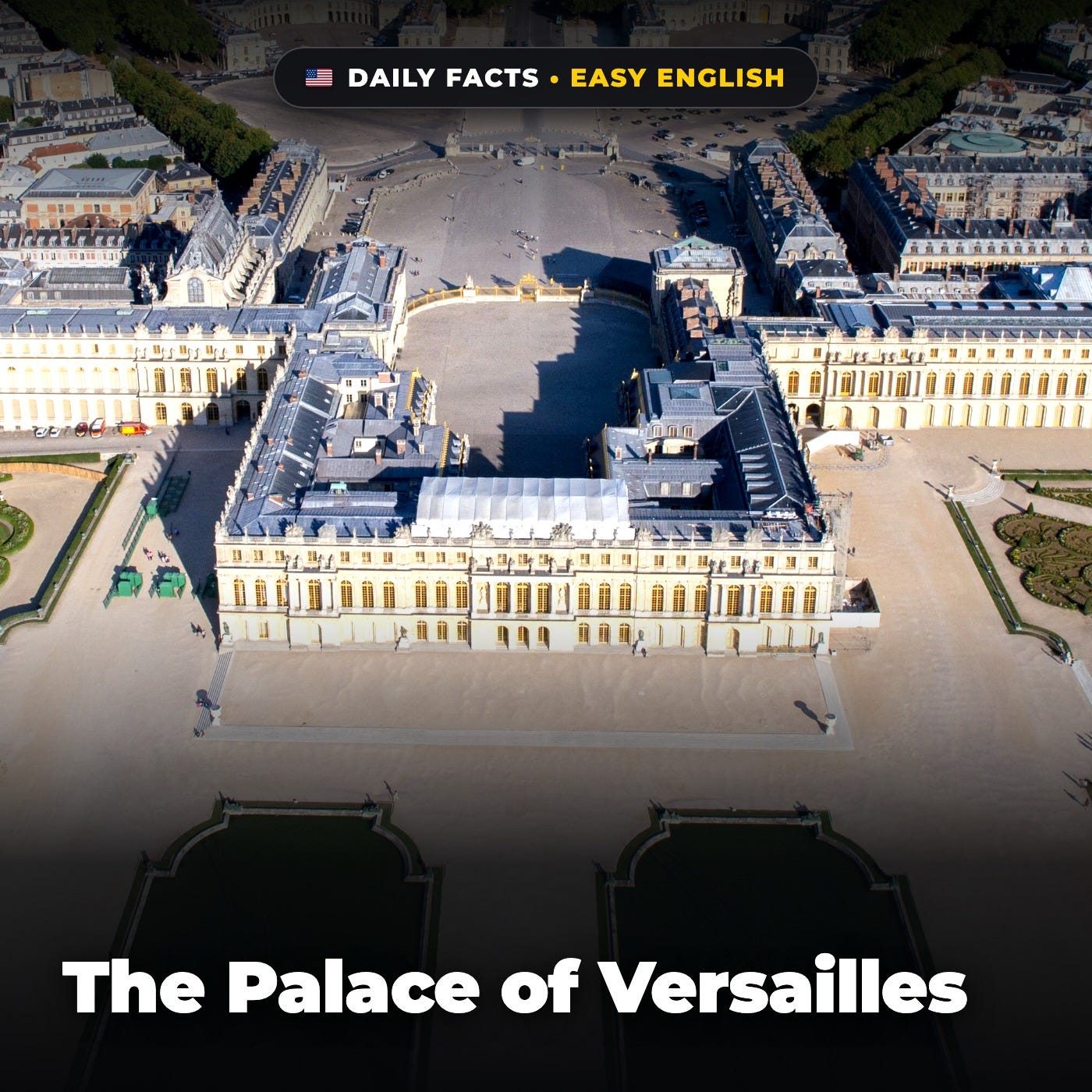
The Palace of Versailles is a château and historic monument in Versailles in the Yvelines department of France, southwest of Paris. It served as the principal residence of the French kings Louis XIV, Louis XV, and Louis XVI.
In this episode, we break down the most important facts and stories about The Palace of Versailles using clear, beginner-friendly A1
Practice everyday beginner vocabulary through real-world examples.the king (a male ruler of a royal country)the house (a structure built or serving as an abode of human beings)
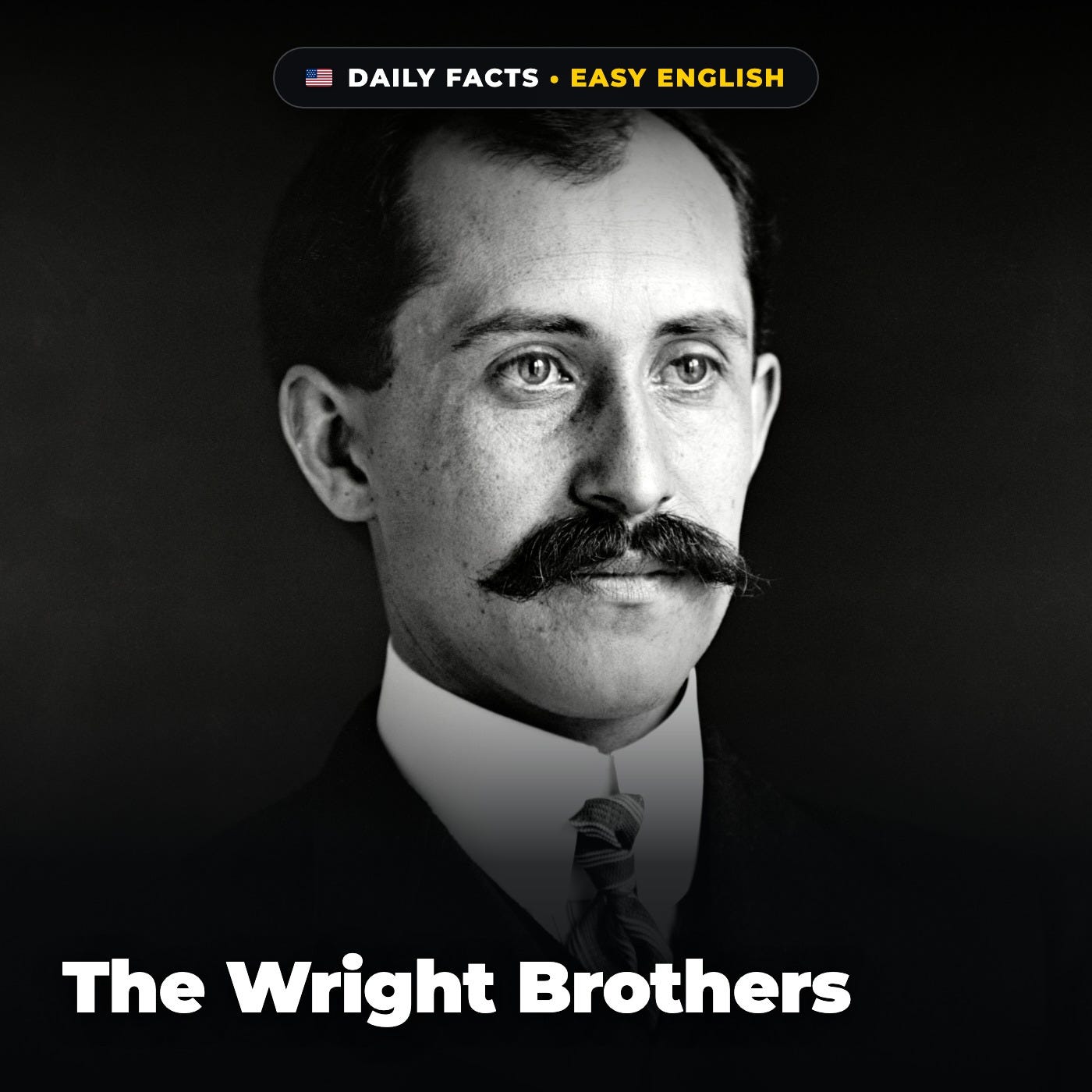
The Wright brothers, Orville Wright and Wilbur Wright, were American aviation pioneers who researched, invented, built, and flew the world's first successful airplane. They made the first controlled, sustained flight of an engine-powered, heavier-than-air aircraft with the Wright Flyer on December 17, 1903, four miles (6 km) south of Kitty Hawk, North Carolina, at what is now known as Kill Devil Hills.
In 1904 the Wright brothers developed the Wright Flyer II, which made longer-duration flights including the first circle, followed in 1905 by the first truly practical fixed-wing aircraft, the Wright Flyer III.
the machine (a piece of equipment with moving parts that does work)the wing (the flat part of a bird, insect, or airplane that allows it to fly)the airplane (a flying vehicle with wings and one or more engines)
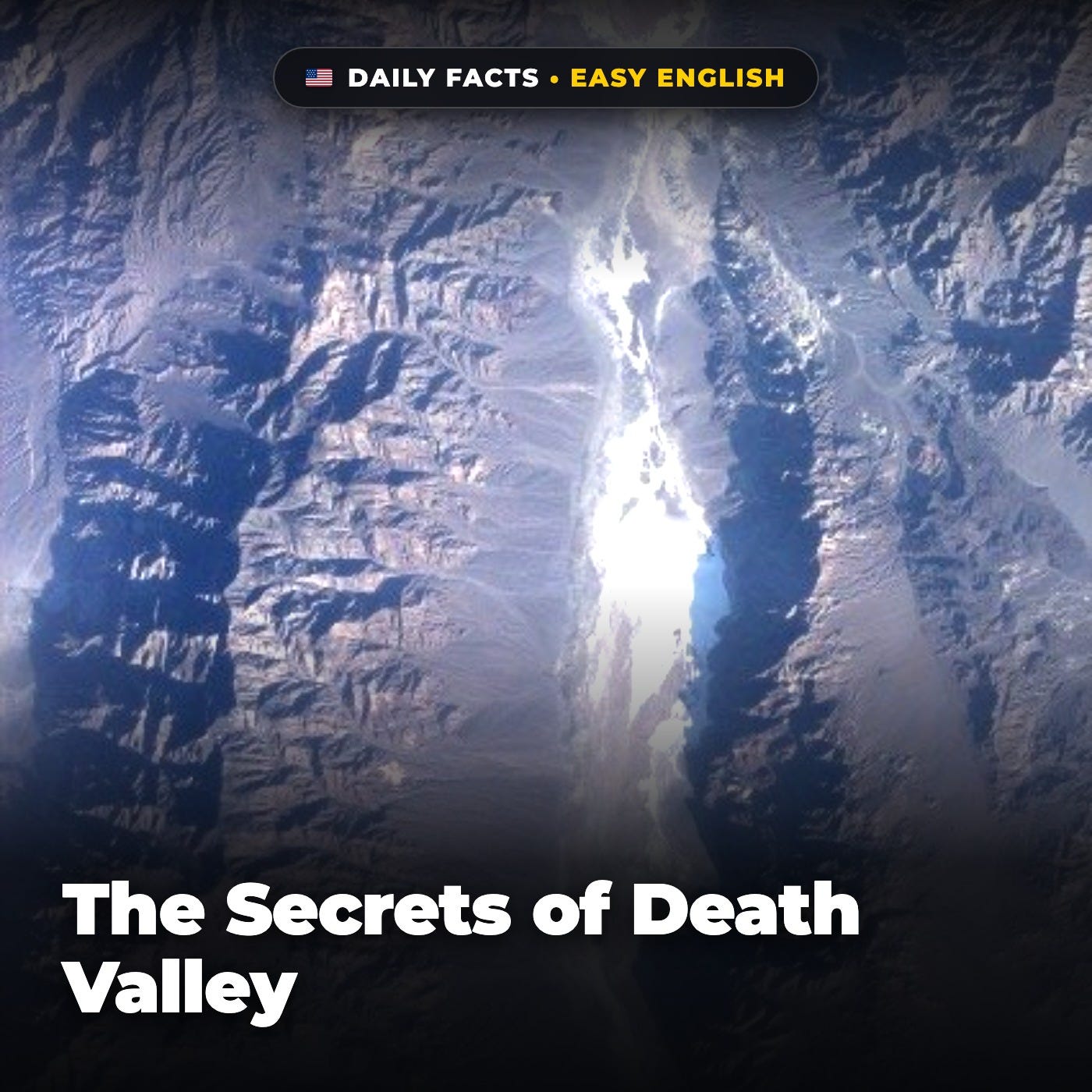
Death Valley is a desert valley in Eastern California, United States, in the northern Mojave Desert, bordering the Great Basin Desert. The World Meteorological Organization lists Death Valley as the site of the hottest surface temperature recorded on Earth.
In this episode, we break down the most important facts and stories about The Secrets of Death Valley using clear, beginner-friendly A1
Practice everyday beginner vocabulary through real-world examples.the mountain (a very high hill, often with steep rocky sides)the valley (low land between hills or mountains, often with a river running through it)
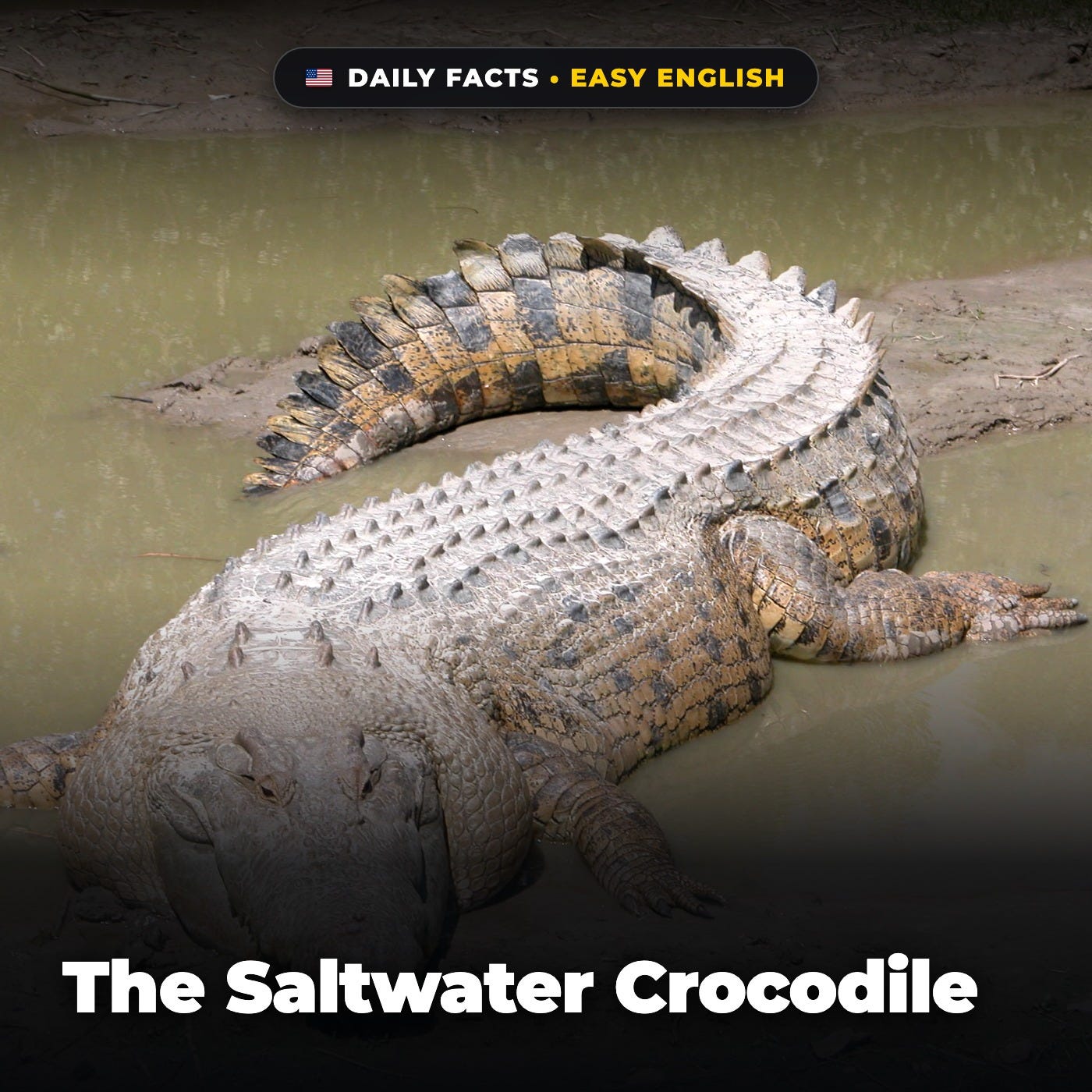
The saltwater crocodile is a crocodilian native to saltwater habitats, brackish wetlands and freshwater rivers from India's east coast across Southeast Asia and the Sundaland to northern Australia and Micronesia. It has been listed as Least Concern on the IUCN Red List since 1996.
It was hunted for its skin throughout its range up to the 1970s, and is threatened by illegal killing and habitat loss. It is regarded as dangerous to humans.
the animal (a living creature that can move around and eats plants or other animals)the crocodile (a large predatory reptile with powerful jaws and armored skin that lives in tropical rivers and seas)the ocean (one of the huge salt-water seas that cover most of the Earth)
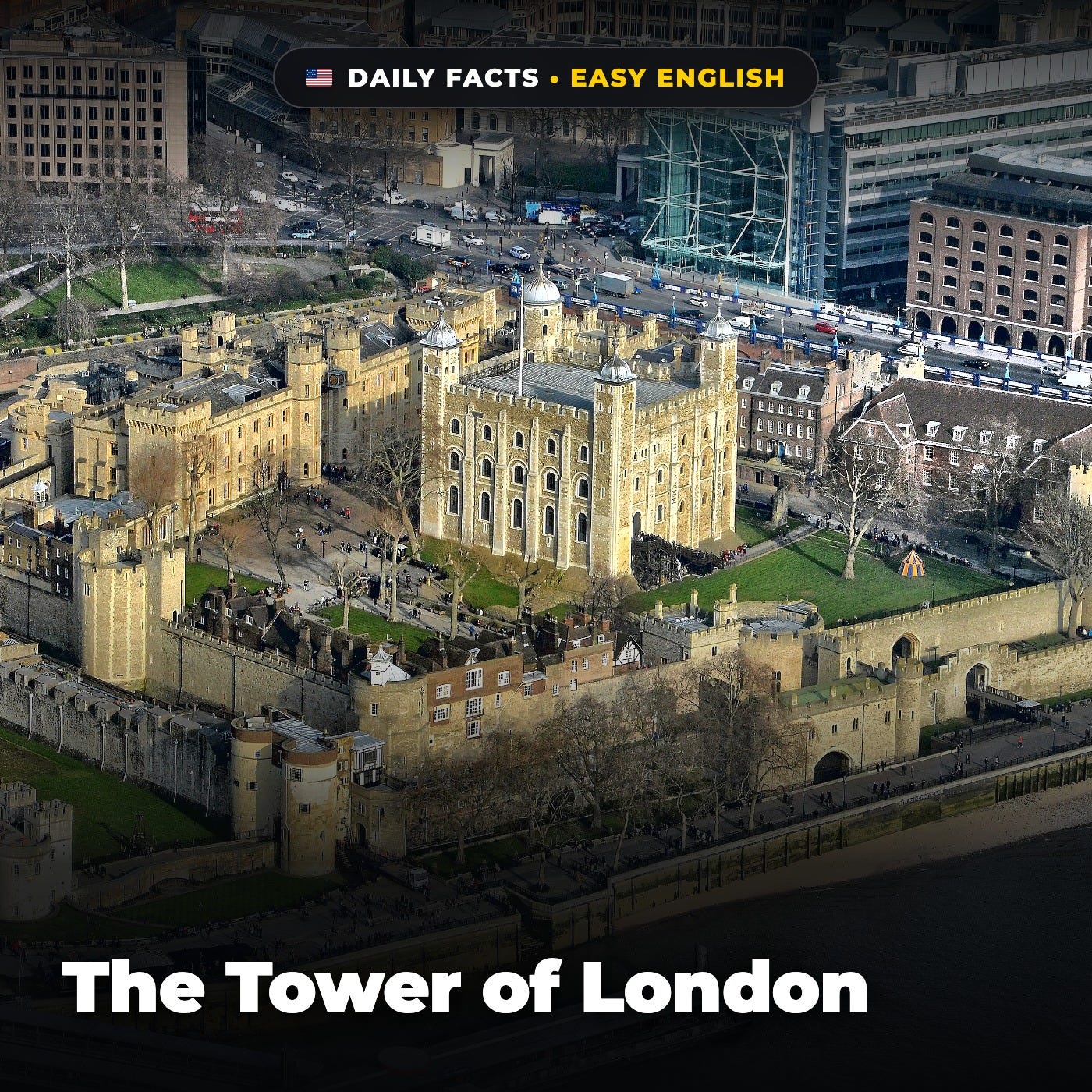
The Tower of London, officially His Majesty's Royal Palace and Fortress of the Tower of London, is a historic citadel and castle on the north bank of the River Thames in London, England. It lies within the London Borough of Tower Hamlets, which is separated from the eastern edge of the square mile of the City of London by the open space known as Tower Hill.
It was founded toward the end of 1066 as part of the Norman Conquest. The White Tower, which gives the castle its name, was built by William the Conqueror in 1078 and was initially a resented symbol of oppression.
the king (a male ruler of a royal country)the tower (a tall, narrow building or structure that rises high above its surroundings)the guard (a person whose job is to protect a place, person, or treasure from danger)
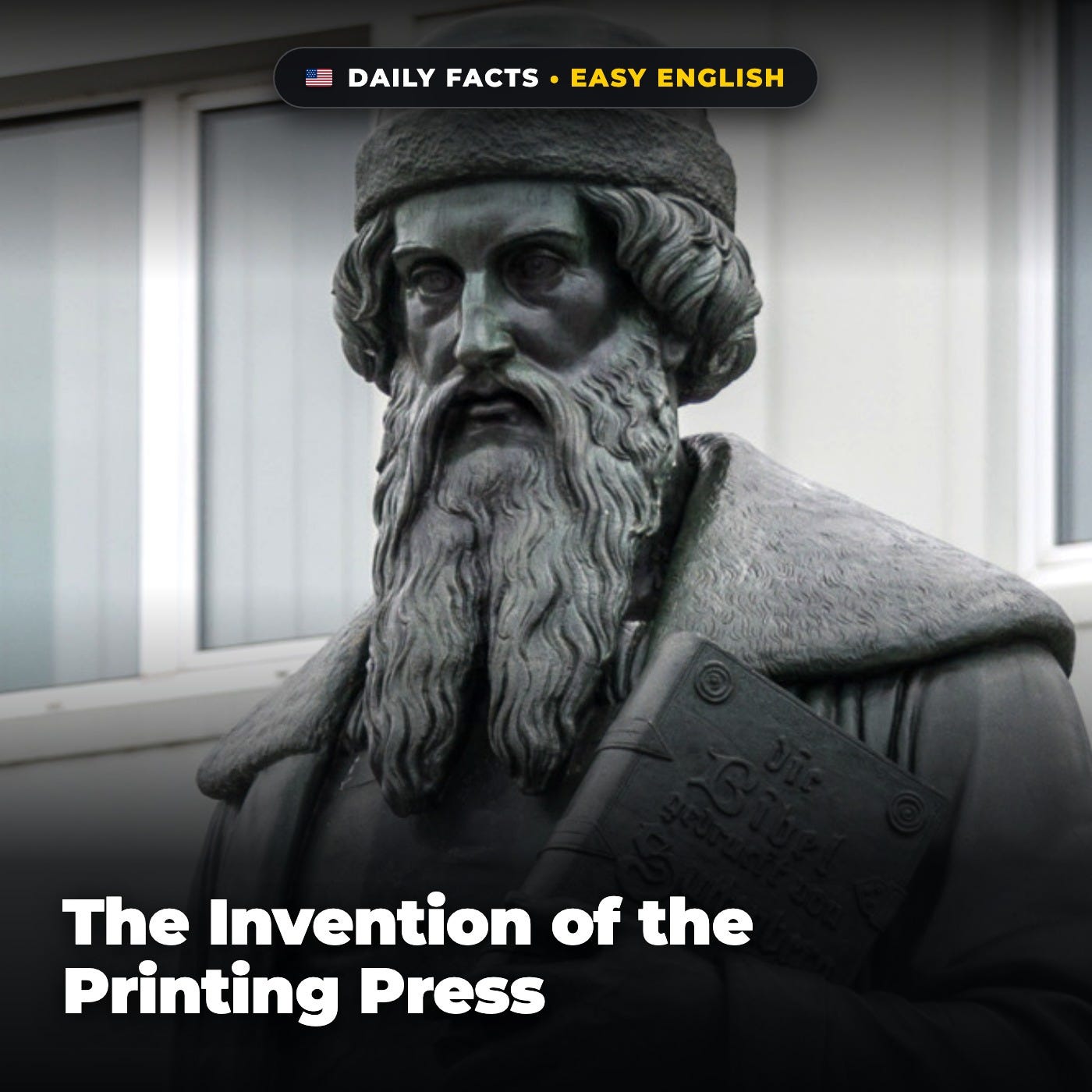
Johannes Gensfleisch zur Laden zum Gutenberg was a German inventor and craftsman who invented the movable-type printing press. Though movable type was already in use in East Asia, Gutenberg's invention of the printing press enabled a much faster rate of printing.
The printing press later spread across the world, and led to an information revolution and the unprecedented mass-spread of literature throughout Europe. It had a profound impact on the development of the Renaissance, Reformation, and humanist movements.
the book (a set of printed pages fastened together inside a cover for reading)the machine (a piece of equipment with moving parts that does work)the letter (a written message that you send to another person by post)
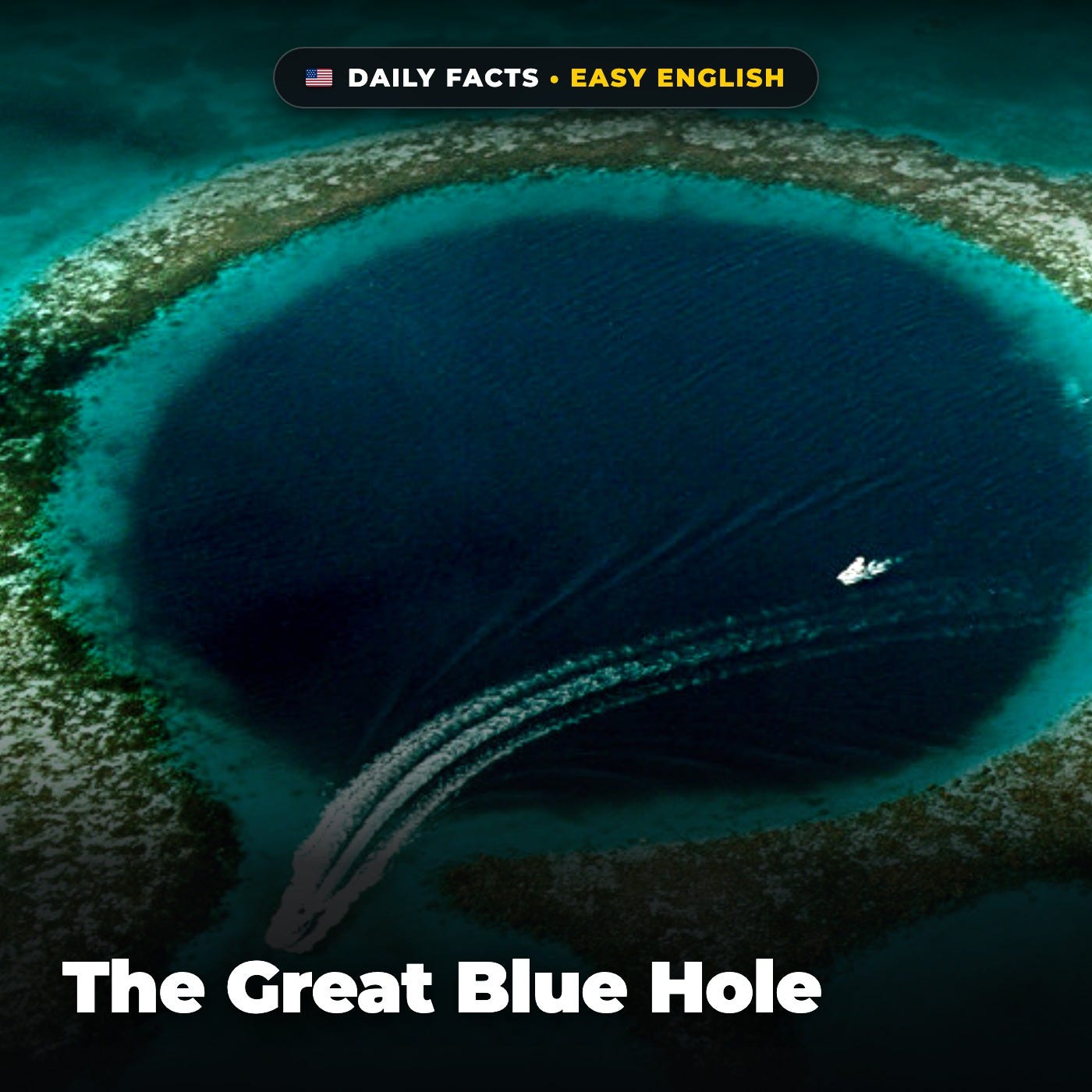
The Great Blue Hole is a large marine sinkhole off the coast of Belize. It lies near the center of Lighthouse Reef, a small atoll 70 km (43 mi) from the mainland and Belize City.
The hole is circular in shape, 318 m (1,043 ft) across and 124 m (407 ft) deep. It has a surface area of 70,650 square metres (760,500 sq ft).
the water (the clear liquid that falls as rain and fills rivers, lakes, and oceans)the rock (the hard mineral material that forms mountains and the Earth’s crust)the ocean (one of the huge salt-water seas that cover most of the Earth)
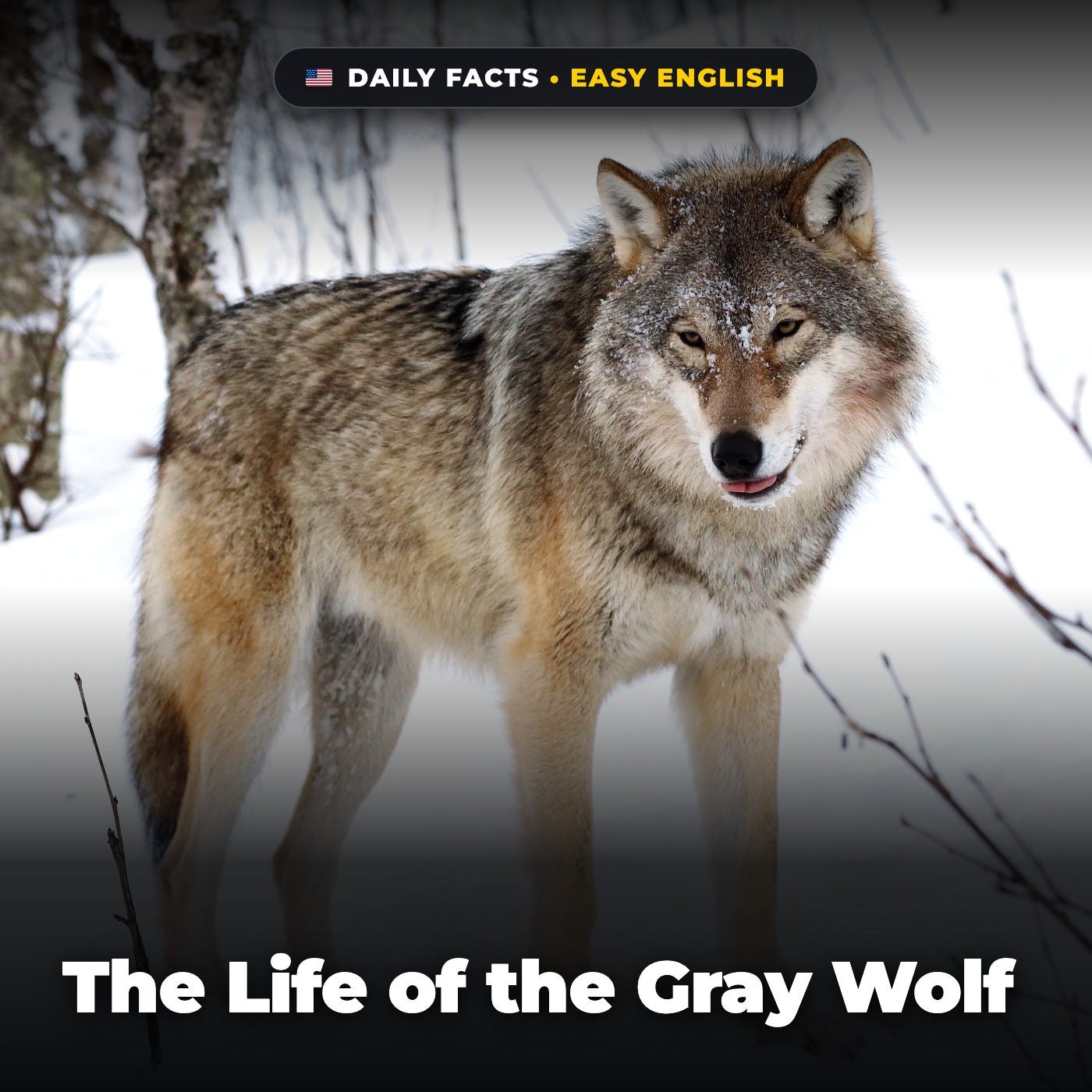
The wolf, also known as the grey wolf or gray wolf, is a canine native to Eurasia and North America. More than thirty subspecies of Canis lupus have been recognized, including the dog and dingo, though grey wolves, as popularly understood, include only naturally occurring wild subspecies.
The wolf is the largest wild extant member of the family Canidae, and is further distinguished from other Canis species by its less pointed ears and muzzle, as well as a shorter torso and a longer tail. The wolf is nonetheless related closely enough to smaller Canis species, such as the coyote and the golden jackal, to produce fertile hybrids with them.
the wolf (a wild animal that looks like a large dog and lives and hunts in packs)the family (a group of people who are related to each other, such as parents and children)the animal (a living creature that can move around and eats plants or other animals)
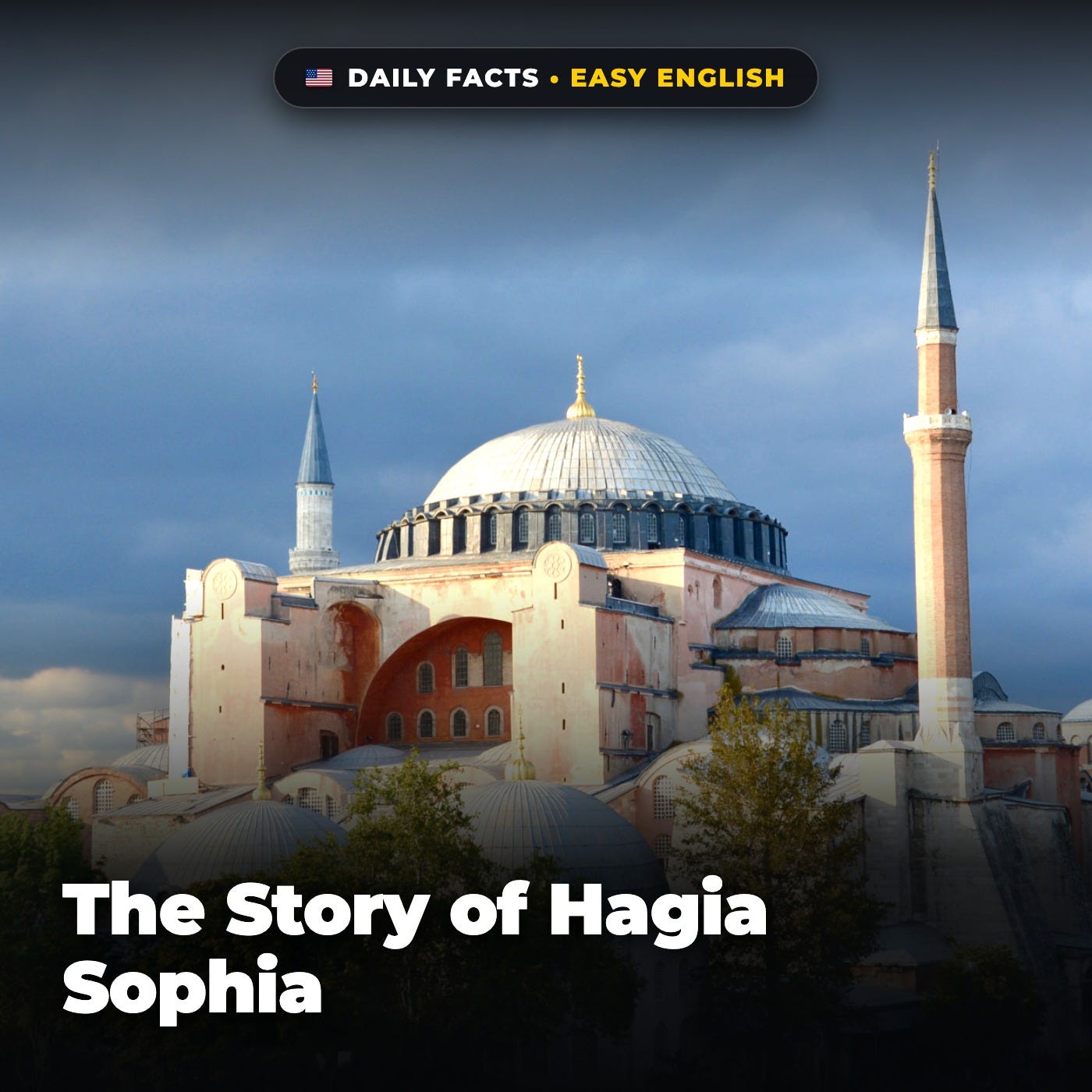
Hagia Sophia, officially the Hagia Sophia Grand Mosque, is a mosque and a major cultural and historical site in Istanbul, Turkey. It was formerly a church (360–1453) and a museum (1935–2020).
The last of three church buildings to be successively erected on the site by the Eastern Roman Empire, it was completed in AD 537, becoming the world's largest interior space and among the first to employ a fully pendentive dome. It is considered the epitome of Byzantine architecture and is said to have "changed the history of architecture".
the building (a structure with walls and a roof, such as a house, temple, or palace)the roof (the structure that covers and protects the top of a building)the church (a building used for public Christian worship, or the religious organization itself)
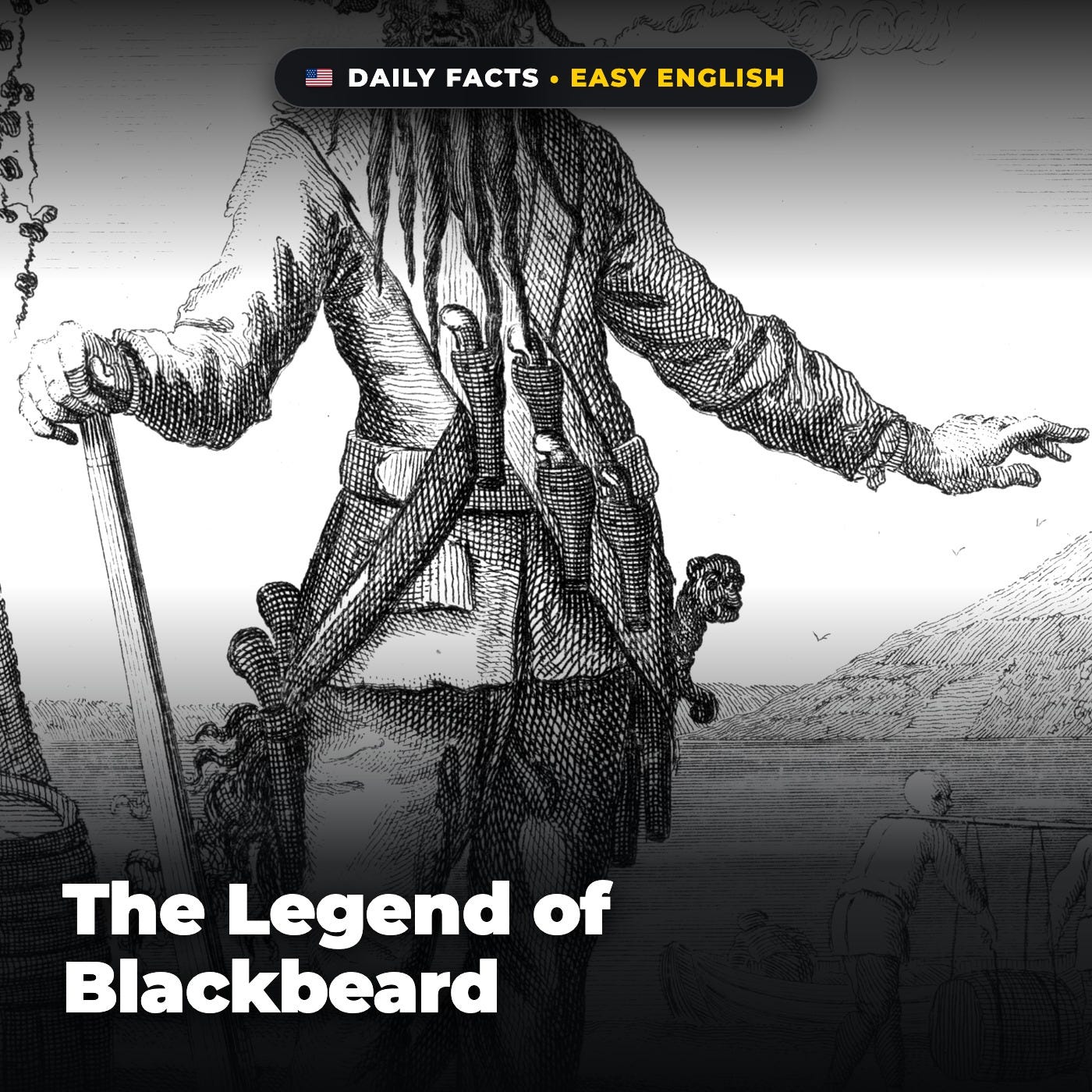
Edward Teach, better known as Blackbeard, was an English pirate who operated around the West Indies and the eastern coast of Britain's North American colonies. He remains one of history's most well-known pirates.
In this episode, we break down the most important facts and stories about The Legend of Blackbeard using clear, beginner-friendly A1
Practice everyday beginner vocabulary through real-world examples.the city (a large and important town where many people live and work)the money (coins or paper notes used to buy things)
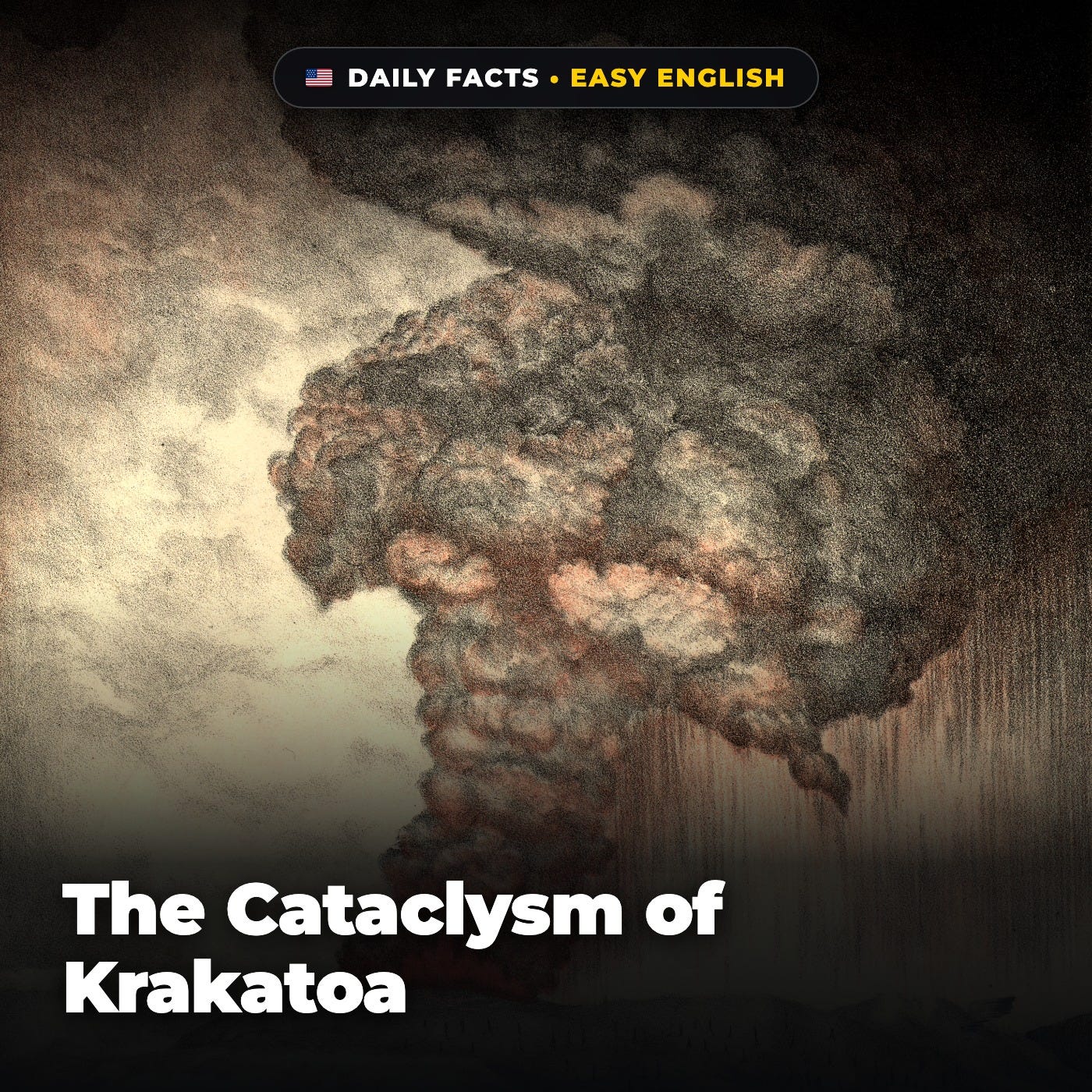
Krakatoa, also transcribed Krakatau, is a caldera in the Sunda Strait between the islands of Java and Sumatra in the Indonesian province of Lampung. The caldera is part of a volcanic island group comprising four islands.
Two of them are known as Lang and Verlaten; another, Rakata, is the only remnant of an island, also called Krakatoa, mostly destroyed by an eruption in 1883 that created the caldera.
the mountain (a very high hill, often with steep rocky sides)the rock (the hard mineral material that forms mountains and the Earth’s crust)the fire (the hot, bright flames produced when something burns)
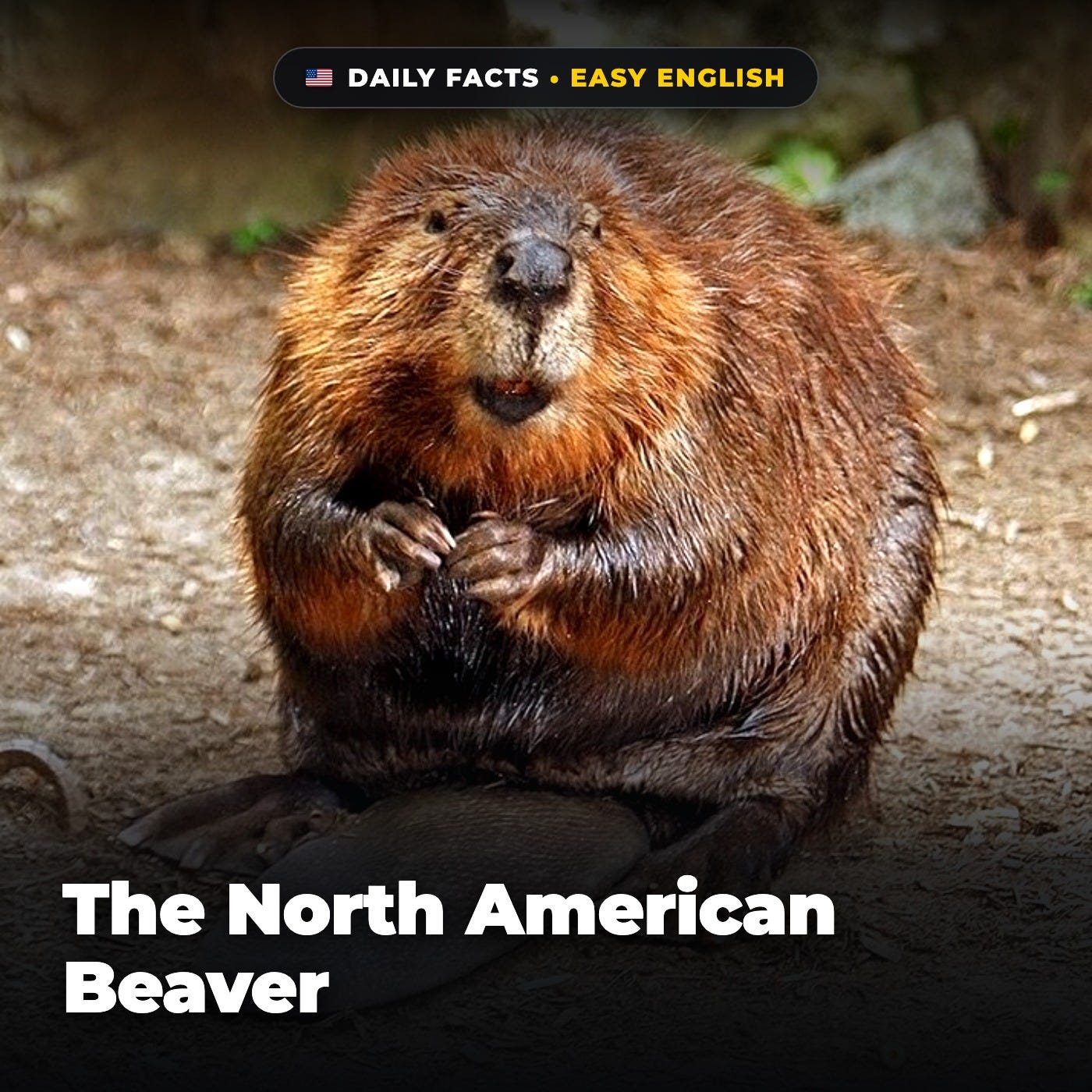
The North American beaver is one of two extant beaver species, along with the Eurasian beaver. It is native to North America and has been introduced in South America (Patagonia) and Europe.
The North American beaver is one of the national symbols of Canada and the official state mammal of Oregon and New York. North American beavers are widespread across the continental United States, Canada, southern Alaska, and some parts of northern Mexico.
the beaver (a furry river animal with strong teeth that builds wooden dams across streams)the water (the clear liquid that falls as rain and fills rivers, lakes, and oceans)the animal (a living creature that can move around and eats plants or other animals)
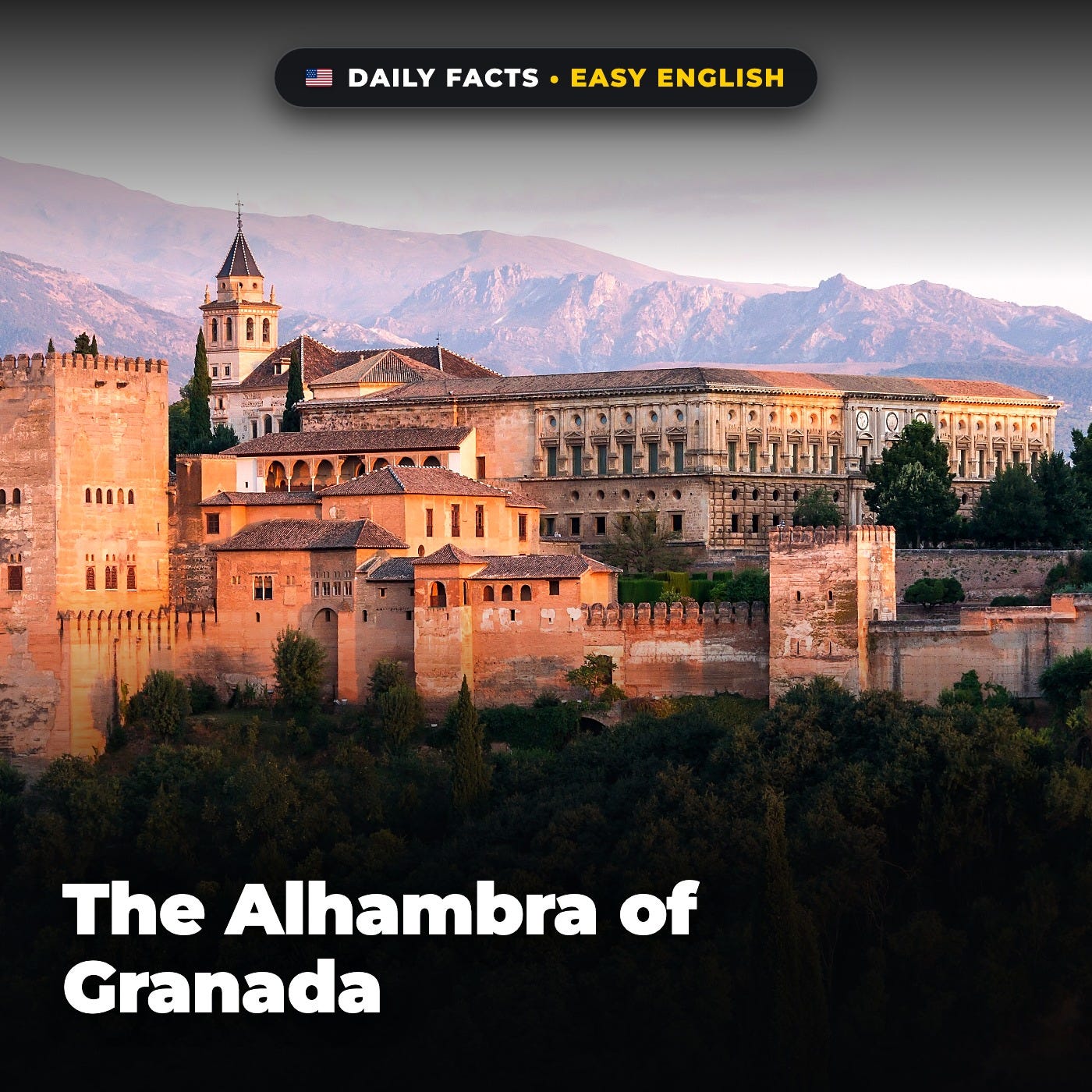
The Alhambra is a palace and fortress complex located in Granada, Spain. It is one of the most famous monuments of Islamic architecture and the only well-preserved palace from the medieval Islamic world.
Additionally, the palace contains notable examples of Spanish Renaissance architecture.
the wall (a tall structure made of stone, brick, or wood that encloses or divides an area)the king (a male ruler of a royal country)the room (a separate space inside a building with its own walls, floor, and ceiling)
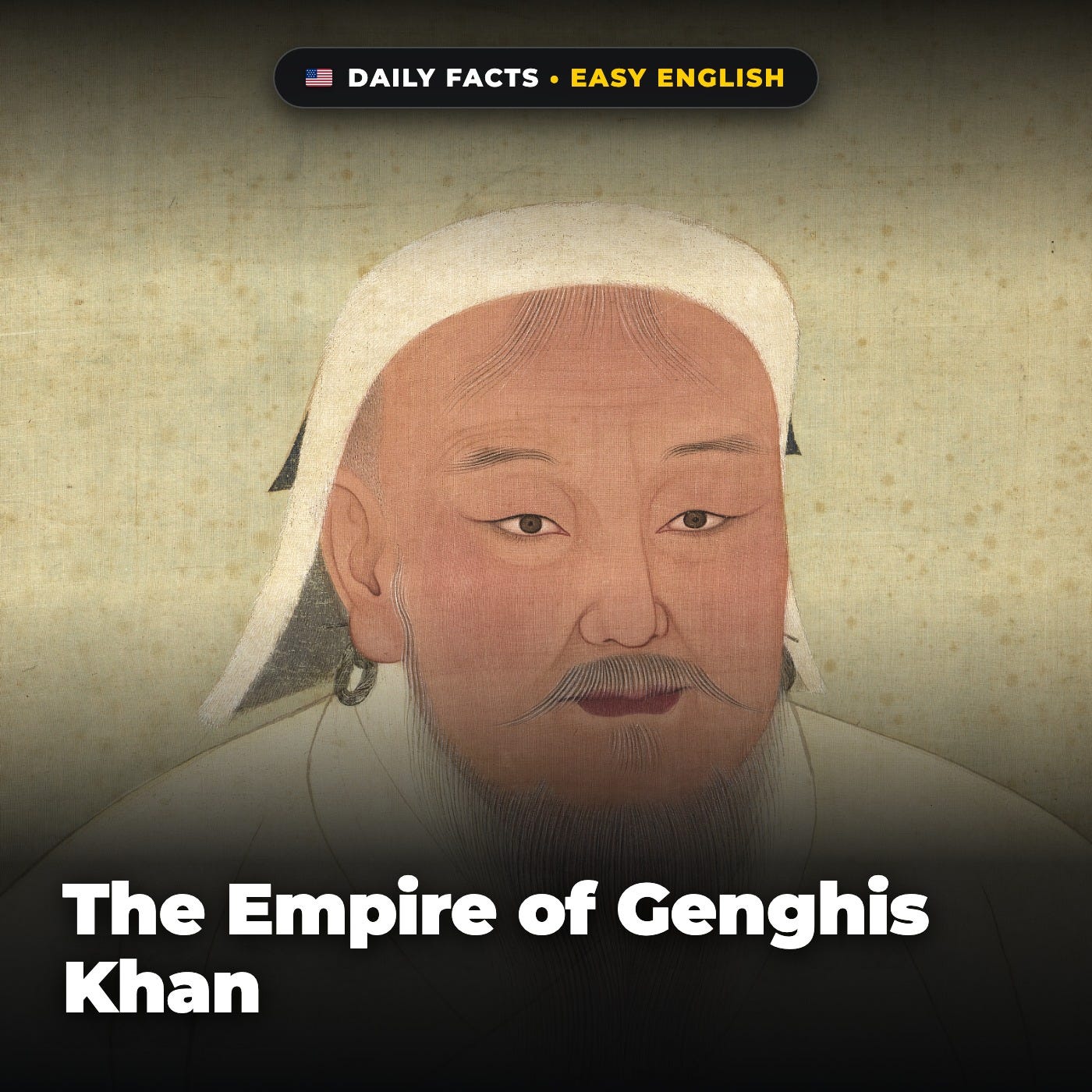
Genghis Khan, also known as Chinggis Khan, was the founder and first khan of the Mongol Empire. After spending most of his life uniting the Mongol tribes, he launched a series of military campaigns, conquering large parts of China and Central Asia.
In this episode, we break down the most important facts and stories about The Empire of Genghis Khan using clear, beginner-friendly A1
Practice everyday beginner vocabulary through real-world examples.the family (a group of people who are related to each other, such as parents and children)the friend (a person you know well and like spending time with)
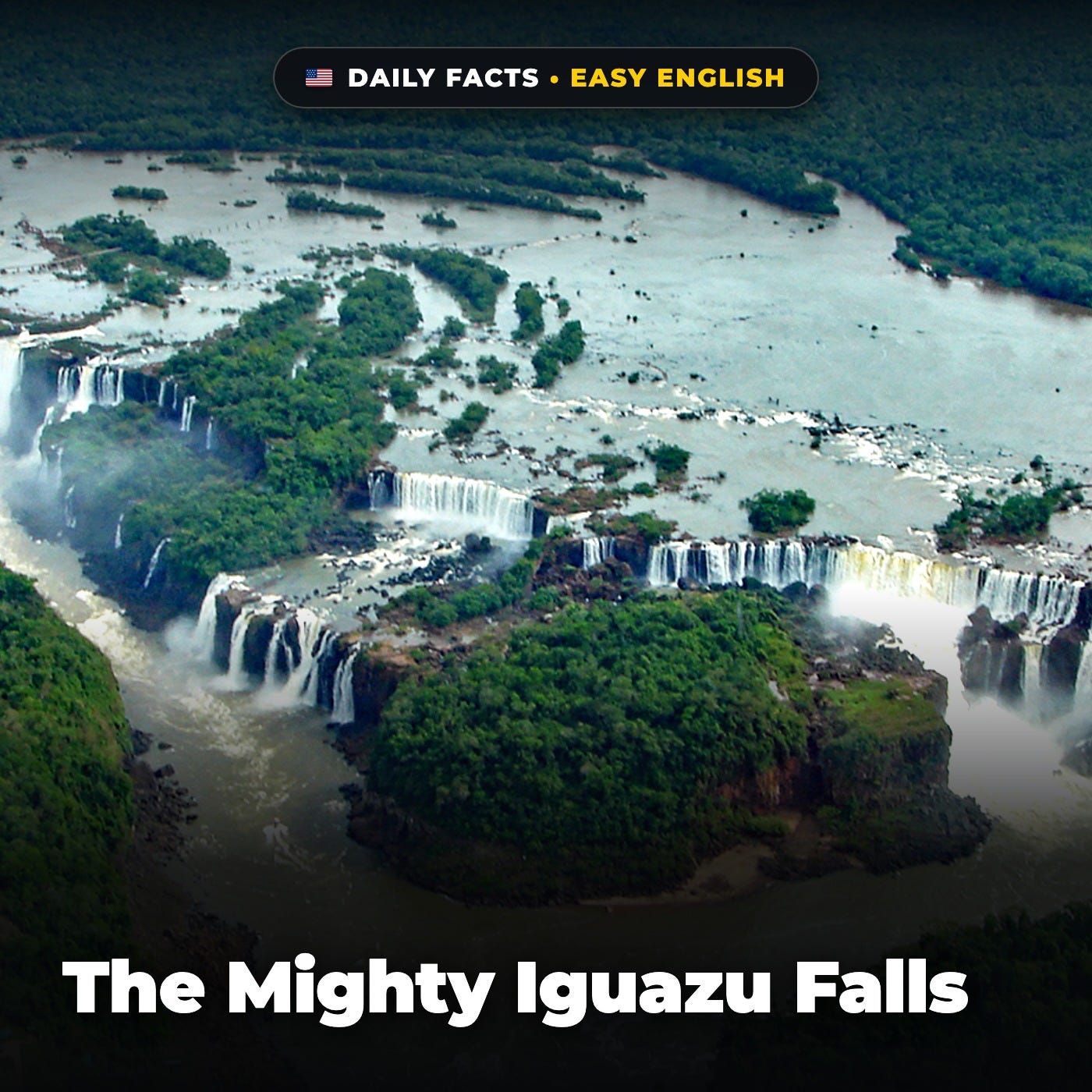
The Iguazú Falls or Iguaçu Falls are waterfalls of the Iguazu River on the border of the Argentine province of Misiones and the Brazilian state of Paraná. Together, they make up the largest waterfall system in the world.
The falls divide the river into the upper and lower Iguazu. The Iguazu River rises near the heart of the city of Curitiba.
the water (the clear liquid that falls as rain and fills rivers, lakes, and oceans)the river (a large natural stream of fresh water flowing to the sea or a lake)the picture (a drawing, painting, or photograph that shows what something looks like)
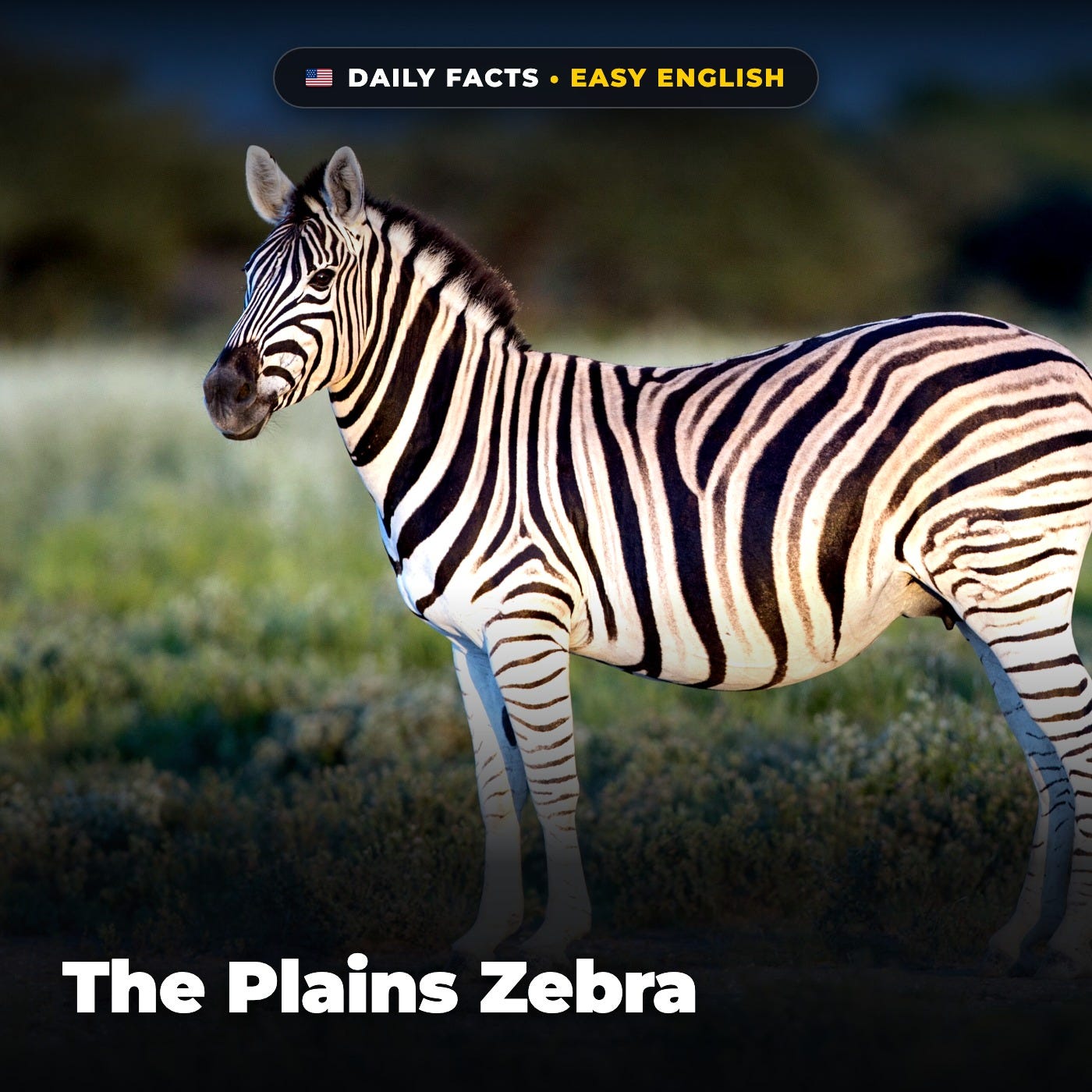
The plains zebra is the most common and geographically widespread species of zebra. Its range is fragmented, but spans much of southern and eastern Africa south of the Sahara.
Six or seven subspecies have been recognised, including the quagga which was thought to be a separate species. More recent research supports variations in zebra populations being clines rather than subspecies.
the zebra (an African wild horse with black-and-white stripes across its body)the family (a group of people who are related to each other, such as parents and children)the animal (a living creature that can move around and eats plants or other animals)
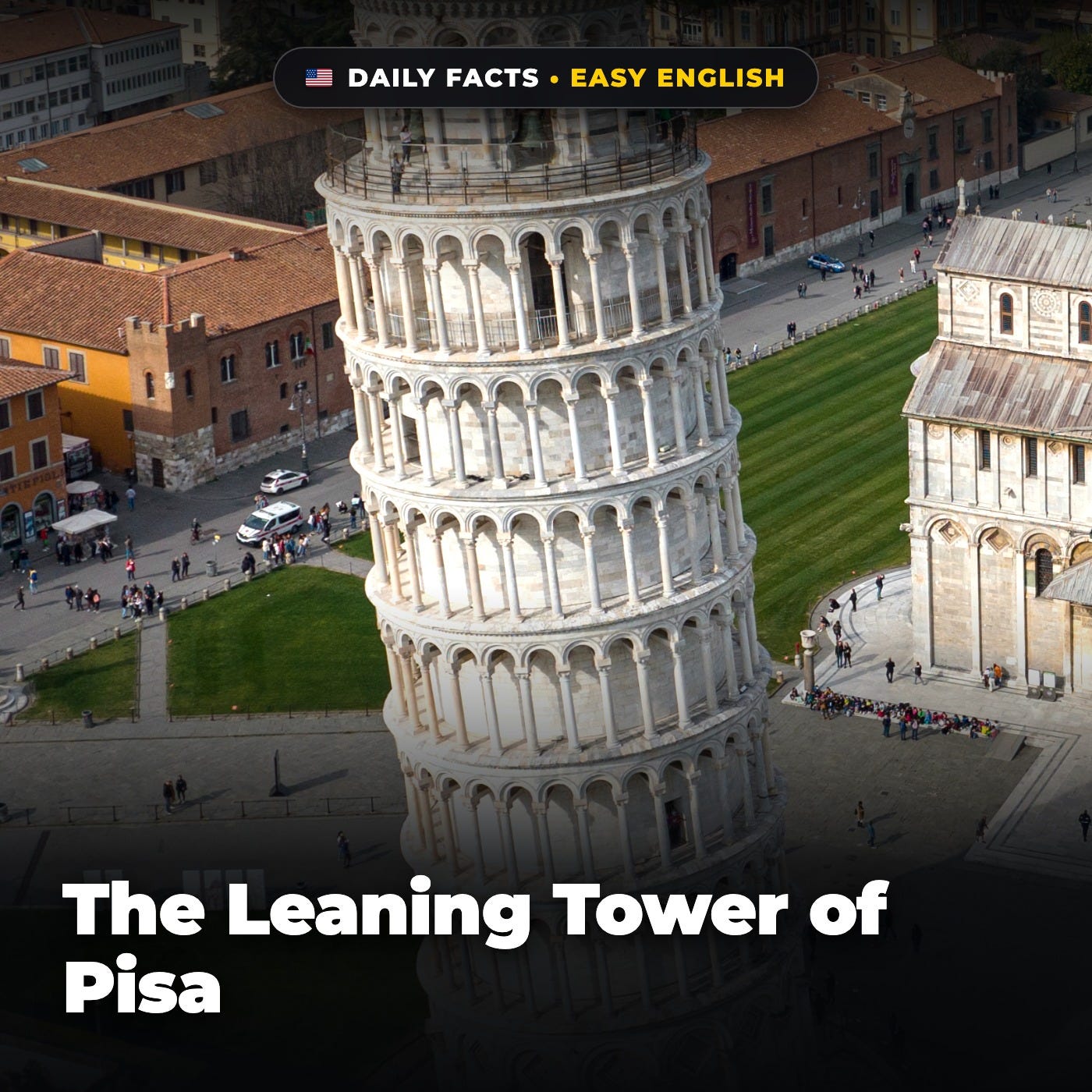
The Leaning Tower of Pisa, or simply the Tower of Pisa, is the campanile, or freestanding bell tower, of Pisa Cathedral. It is known for its nearly four-degree lean, the result of an unstable foundation.
The tower is one of three structures in Pisa's Cathedral Square, which includes the cathedral and Pisa Baptistry. Over time, the flawed tower has become one of the most visited tourist attractions in the world as well as an architectural icon of Italy, receiving over 5 million visitors each year.
the building (a structure with walls and a roof, such as a house, temple, or palace)the tower (a tall, narrow building or structure that rises high above its surroundings)the stone (a hard solid mineral material, or a piece of rock)
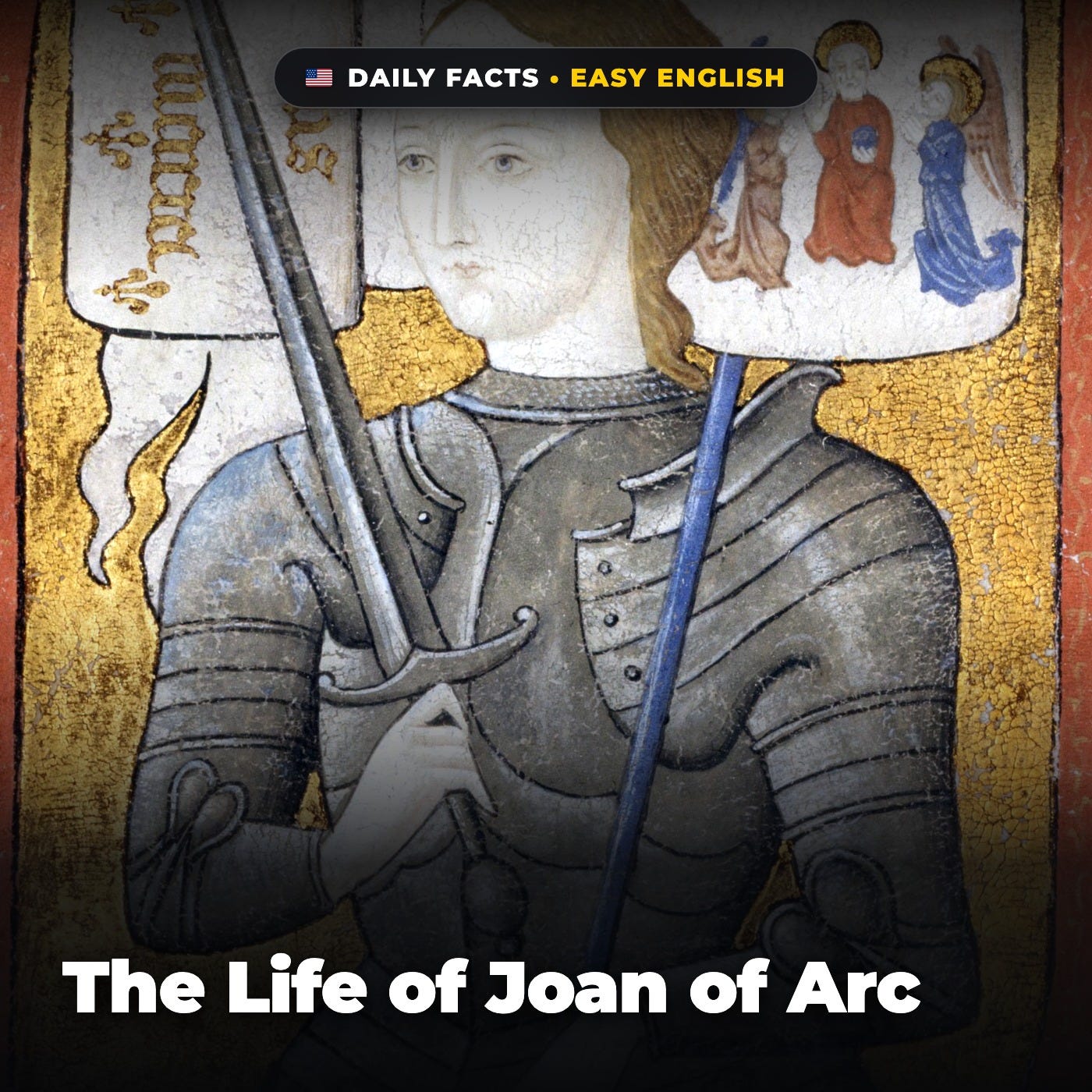
Joan of Arc is a patron saint of France, honored as a defender of the French nation for her role in the siege of Orléans and securing the coronation of Charles VII of France during the Hundred Years' War. Claiming to be acting under divine guidance, she became a military leader who gained recognition as a savior of France.
In this episode, we break down the most important facts and stories about The Life of Joan of Arc using clear, beginner-friendly A1
Practice everyday beginner vocabulary through real-world examples.the war (a period of fighting between different countries or groups)the soldier (a person who serves in an army)
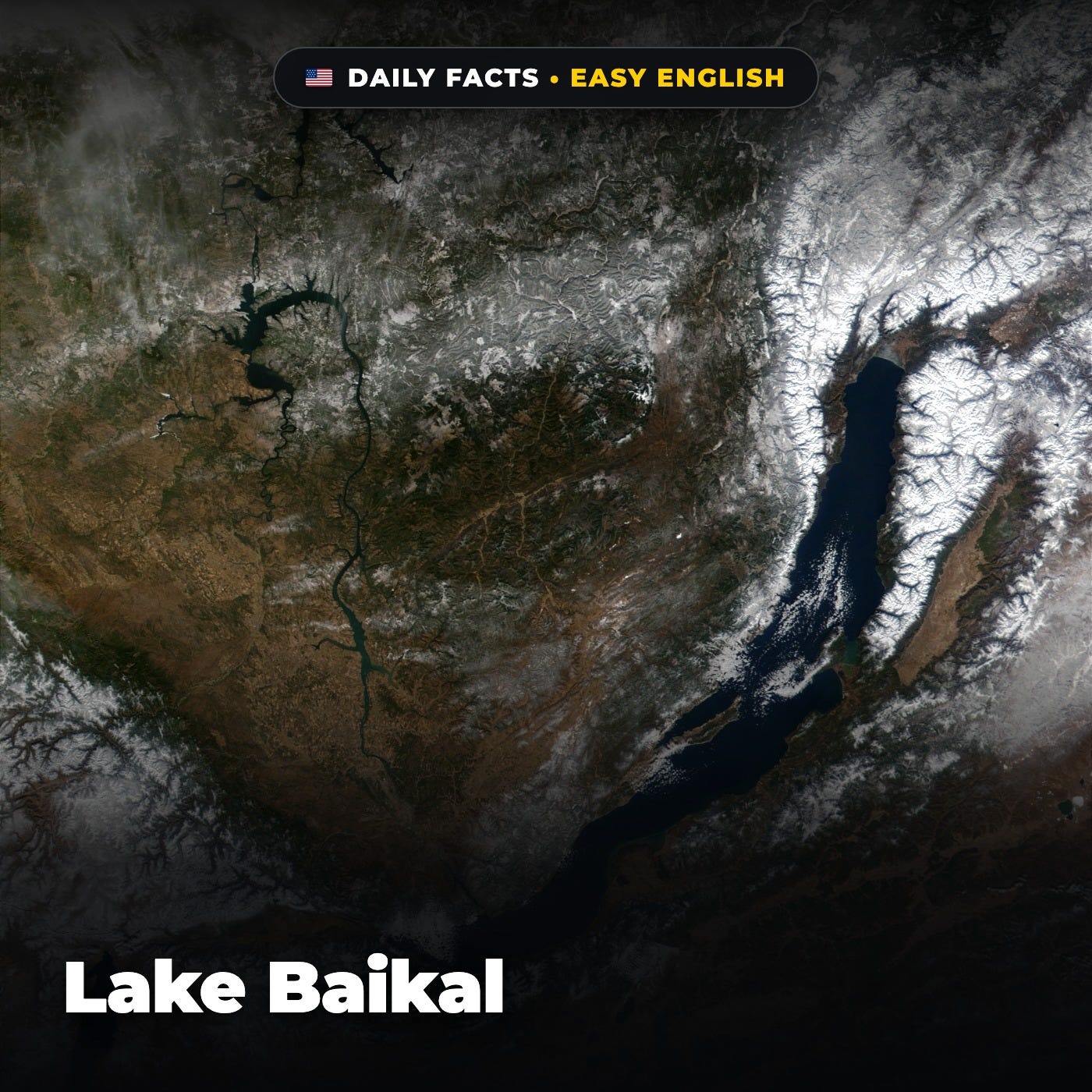
Lake Baikal is a rift lake and the deepest lake in the world. It is situated in southern Siberia, Russia, between the federal subjects of Irkutsk Oblast to the northwest and the Republic of Buryatia to the southeast.
In this episode, we break down the most important facts and stories about Lake Baikal using clear, beginner-friendly A1
Practice everyday beginner vocabulary through real-world examples.the water (the clear liquid that falls as rain and fills rivers, lakes, and oceans)the lake (a large area of fresh water surrounded by land)
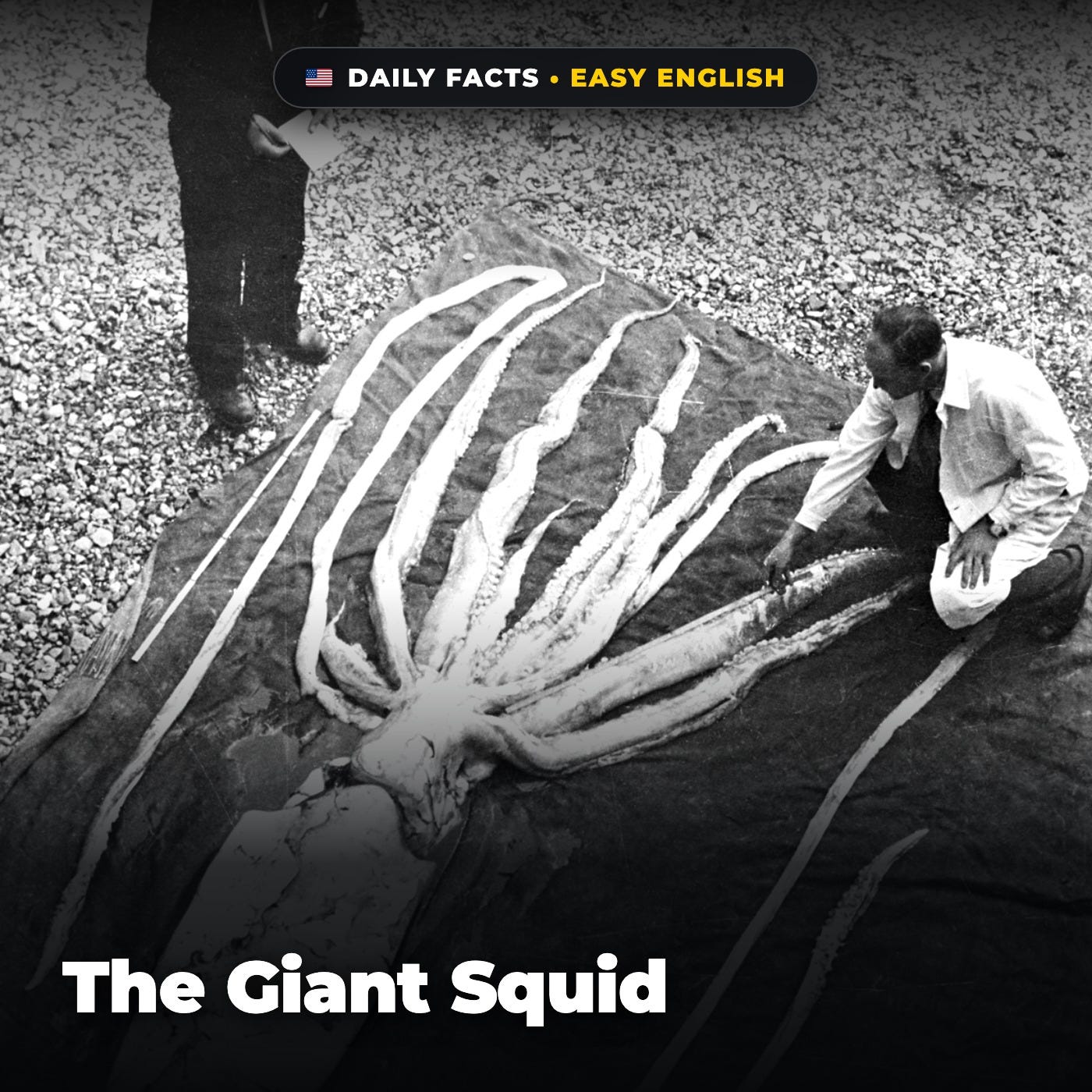
The giant squid is a species of deep-ocean dwelling squid in the family Architeuthidae. It can grow to a tremendous size, offering an example of abyssal gigantism; recent estimates put the maximum body size at around 5 m (16 ft) for females, with males slightly shorter, from the posterior fins to the tip of its long arms.
This makes it longer than the colossal squid at an estimated 4.2 m (14 ft), but substantially lighter, as it is less robust and its arms make up much of the length. The mantle of the giant squid is about 2 m long, and the feeding tentacles of the giant squid, concealed in life, are 10 m (33 ft).
the squid (a fast-swimming sea creature with eight arms, two long tentacles, and a soft body)the water (the clear liquid that falls as rain and fills rivers, lakes, and oceans)the whale (a giant ocean mammal that breathes air through a blowhole)
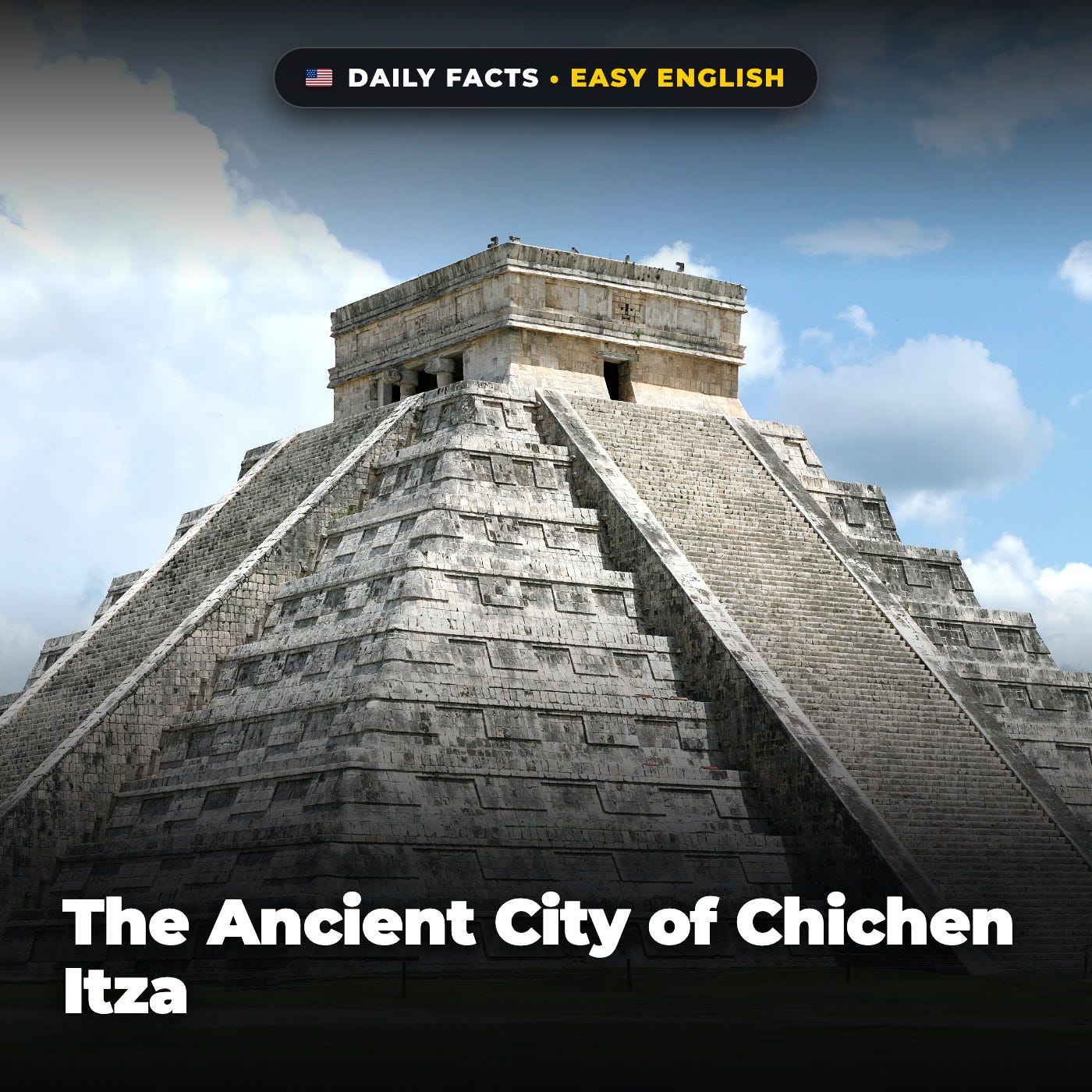
Chichen Itza was a large pre-Columbian city built by the Maya people of the Terminal Classic period. The archeological site is located in Tinúm Municipality, Yucatán, Mexico, between the cities of Valladolid and Mérida.
In this episode, we break down the most important facts and stories about The Ancient City of Chichen Itza using clear, beginner-friendly A1
Practice everyday beginner vocabulary through real-world examples.the water (the clear liquid that falls as rain and fills rivers, lakes, and oceans)the city (a large and important town where many people live and work)
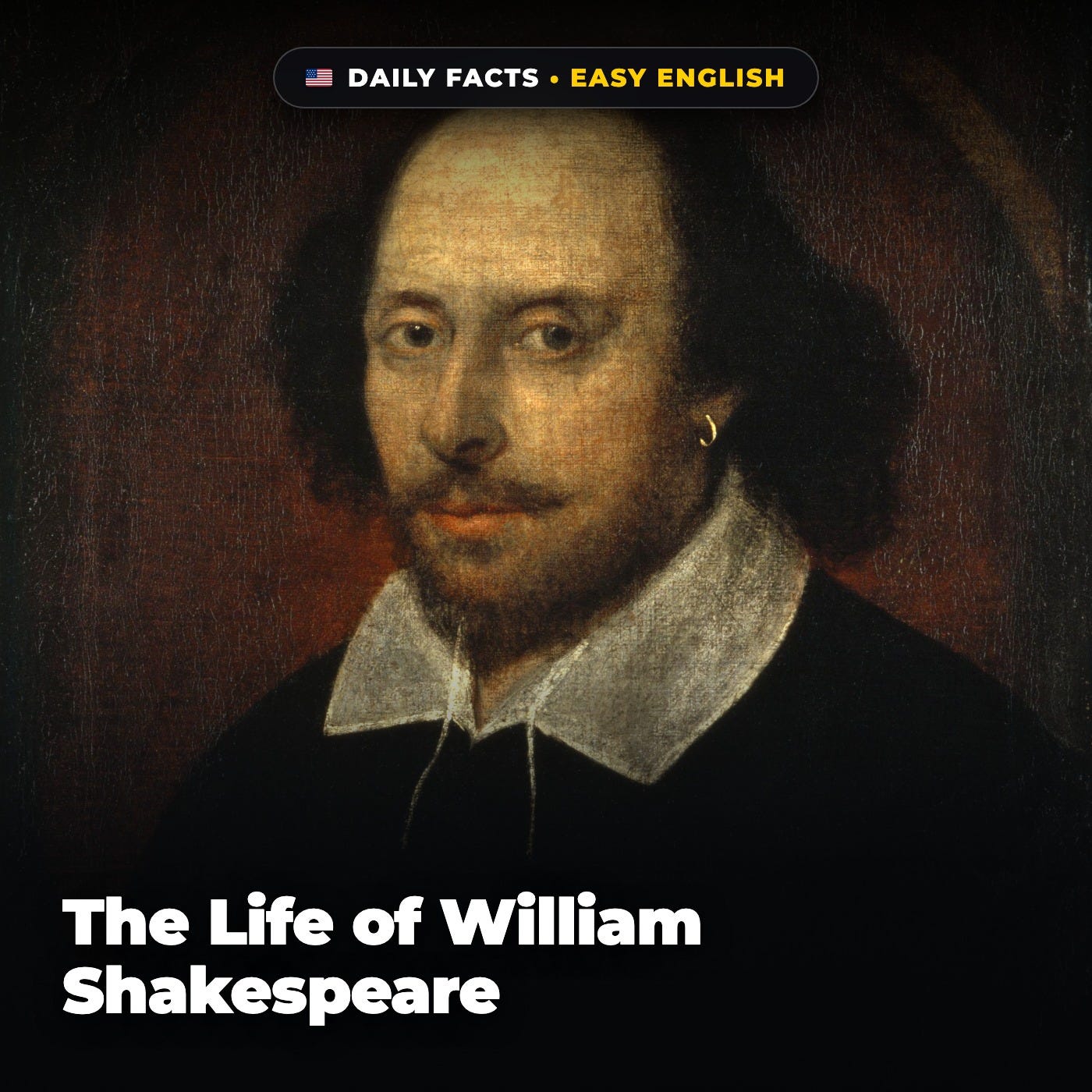
William Shakespeare was an English playwright, poet and actor. He is widely regarded as the greatest writer in the English language and the world's pre-eminent dramatist.
He is often called England's national poet and the "Bard of Avon" or simply "the Bard". His extant works, including collaborations, consist of some 39 plays, 154 sonnets, 3 long narrative poems and a few other verses, some of uncertain authorship.
the writer (a person who writes books, stories, or articles)the town (a place with houses, shops, and streets that is smaller than a city)the book (a set of printed pages fastened together inside a cover for reading)
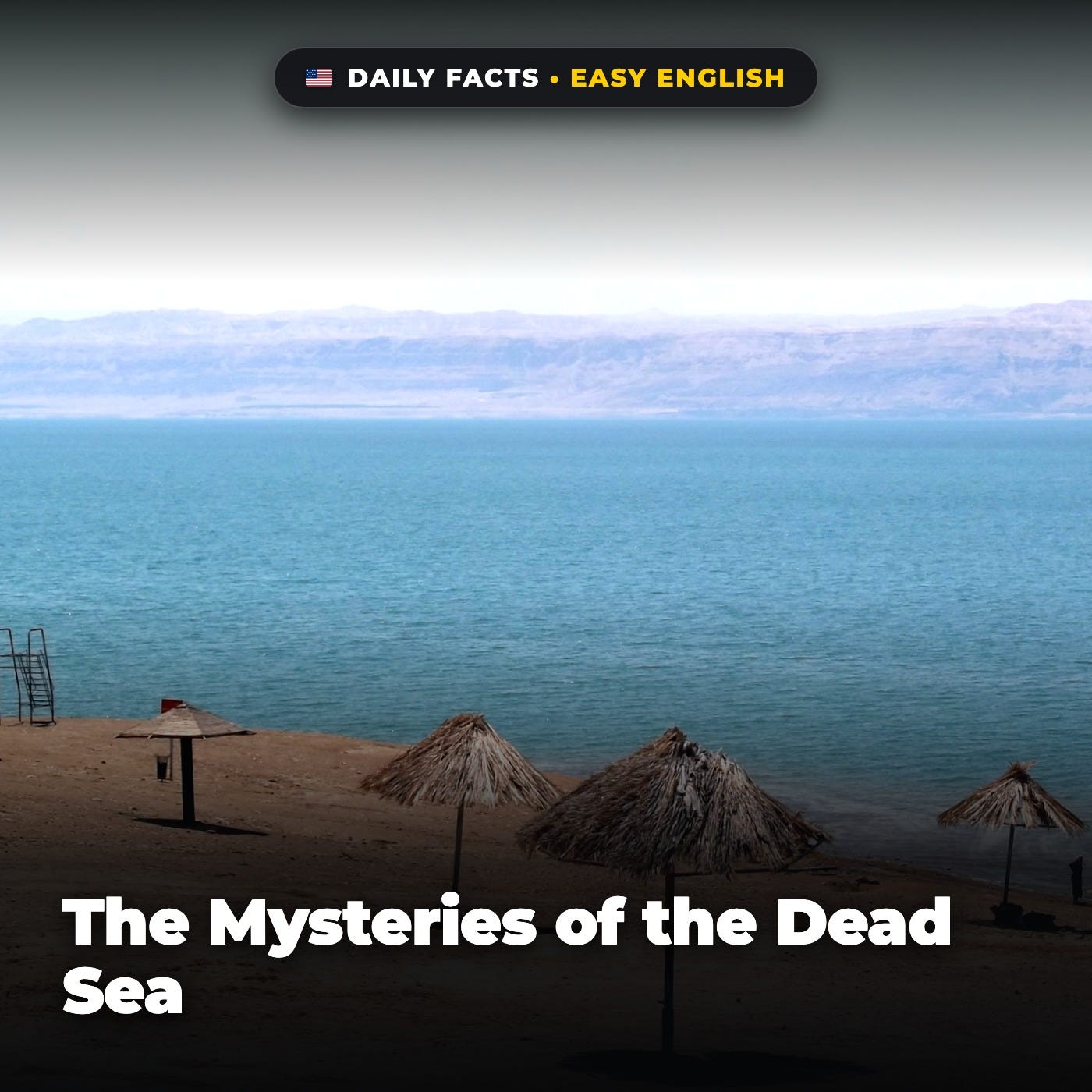
The Dead Sea, also known by other names, is a landlocked salt lake bordered by Jordan to the east, the West Bank to the west and Israel to the southwest. It lies in the endorheic basin of the Jordan Rift Valley, and its main tributary is the Jordan River.
In this episode, we break down the most important facts and stories about The Mysteries of the Dead Sea using clear, beginner-friendly A1
Practice everyday beginner vocabulary through real-world examples.the water (the clear liquid that falls as rain and fills rivers, lakes, and oceans)the lake (a large area of fresh water surrounded by land)
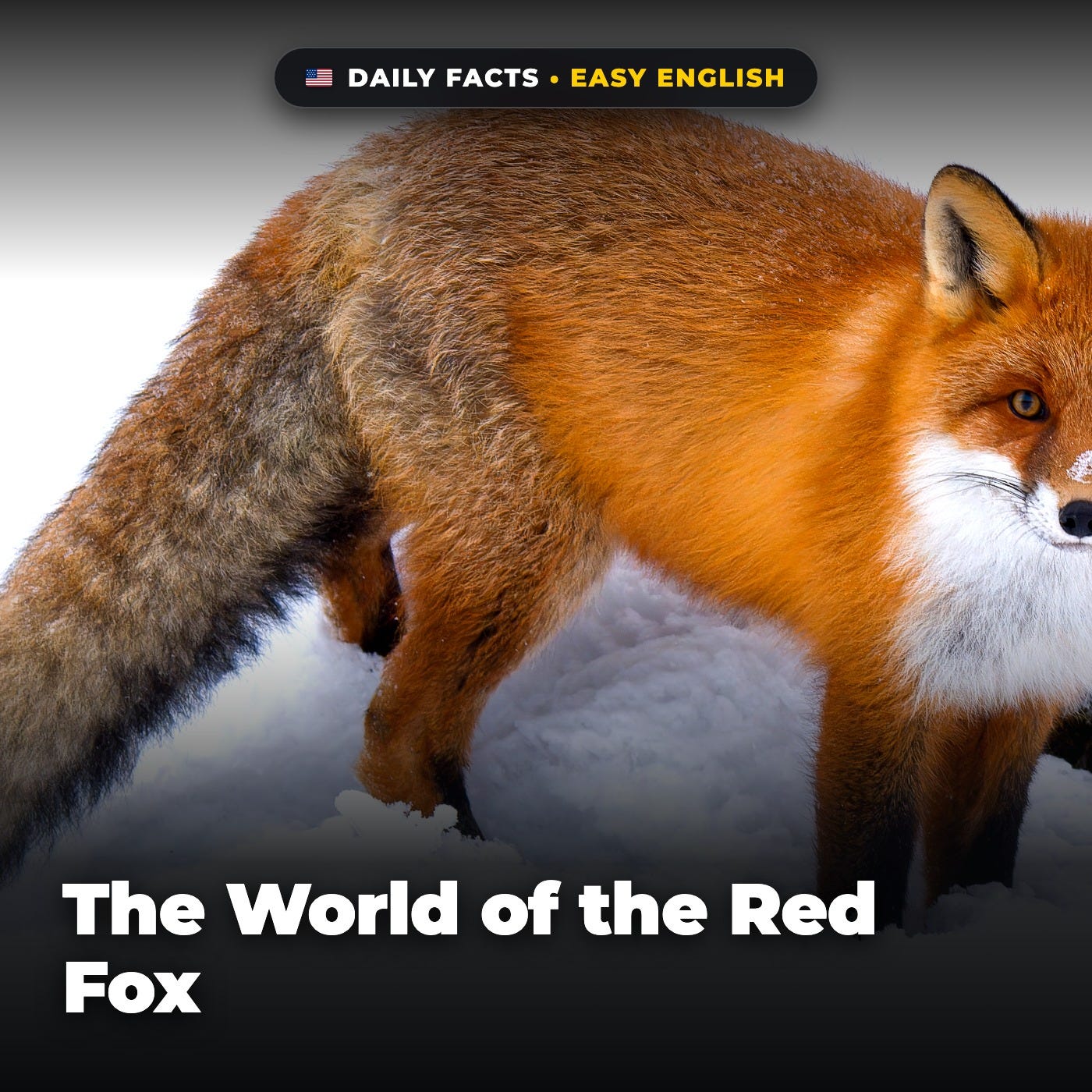
The red fox is the largest of the true foxes, and the most widely distributed member of the order Carnivora. It is present across the entire Northern Hemisphere, including most of Europe, Asia, and North America, as well as parts of North Africa.
Its range has expanded alongside human settlement, with the species having been introduced into Australia, where it preys on native small and medium-sized rodents and marsupials. The red fox is listed as of Least Concern on the IUCN Red List.
the animal (a living creature that can move around and eats plants or other animals)the tail (the long part extending from the back end of an animal’s body)the city (a large and important town where many people live and work)
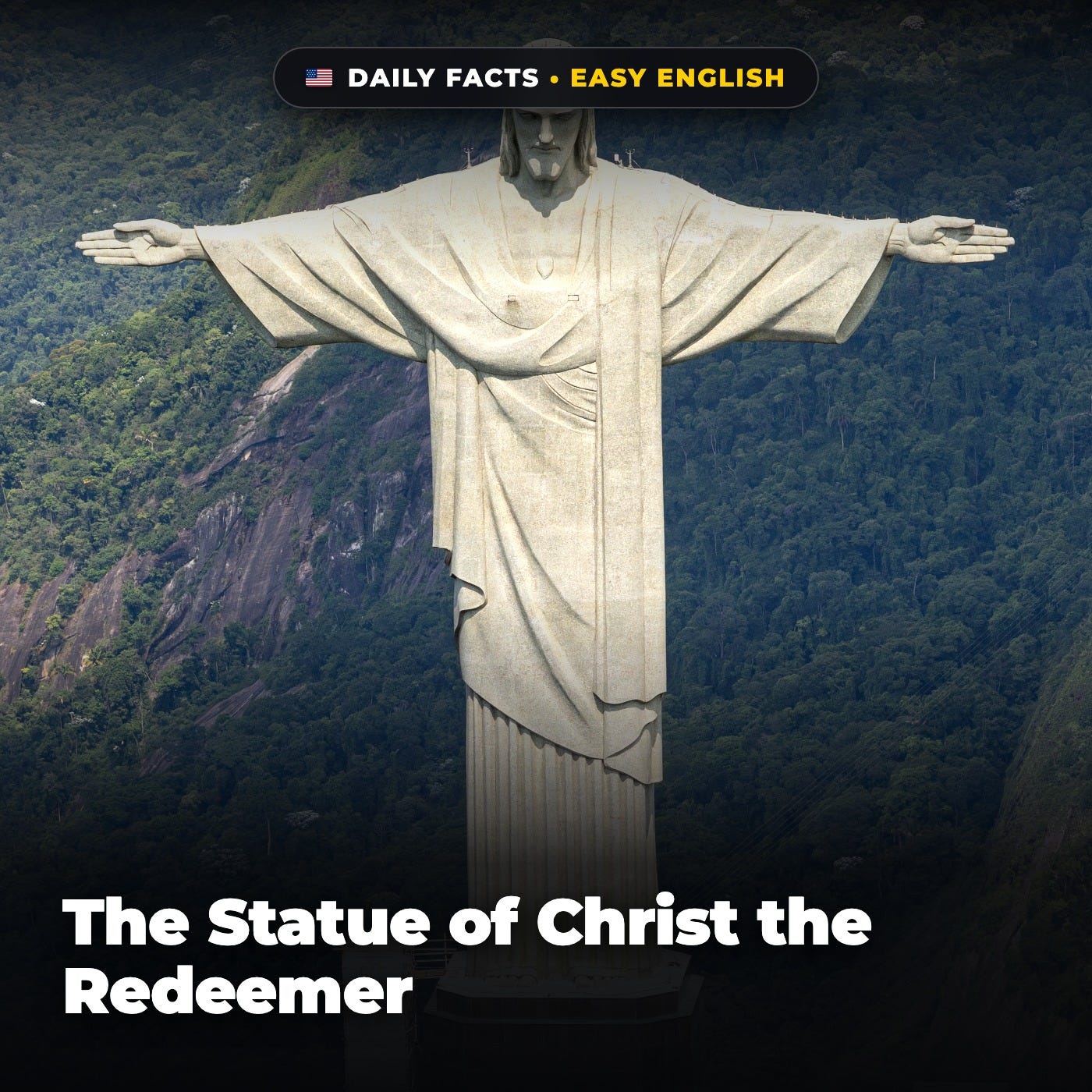
Christ the Redeemer is an Art Deco statue of Jesus in Rio de Janeiro, Brazil, created by French-Polish sculptor Paul Landowski and built by Brazilian engineer Heitor da Silva Costa, in collaboration with French engineer Albert Caquot and Romanian sculptor Gheorghe Leonida who sculpted the face. Constructed between 1922 and 1931, the statue is 30 metres (98 ft) high, excluding its 8-metre (26 ft) pedestal, and faces east.
The arms stretch 28 metres (92 ft) wide. It is made of reinforced concrete and soapstone.
the statue (a carved or cast figure of a person or animal made of stone, metal, or wood)the mountain (a very high hill, often with steep rocky sides)the weather (the condition of the air outside, such as rain, sun, wind, or snow)
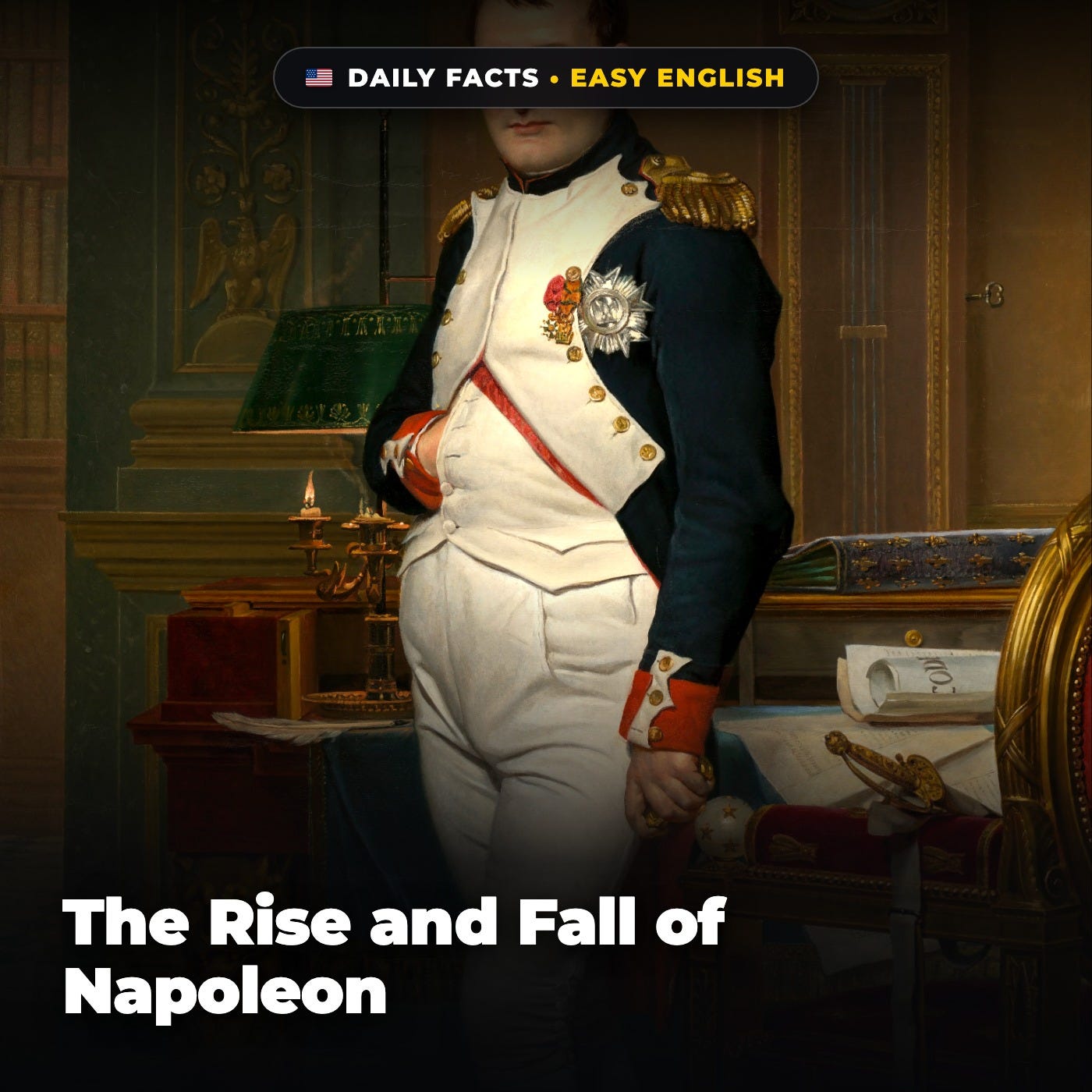
Napoleon Bonaparte was Emperor of the French from 18 May 1804 until his first abdication in 1814, with a brief restoration during the Hundred Days in 1815. He rose to prominence as a general during the French Revolution and led a series of military campaigns across Europe and the Middle East during the French Revolutionary and Napoleonic Wars.
As a statesman, he implemented numerous legal and administrative reforms in France and Europe.
the island (a piece of land completely surrounded by water)the power (the ability to control people or events, or energy that runs machines)the school (a place where children or students go to learn from teachers)
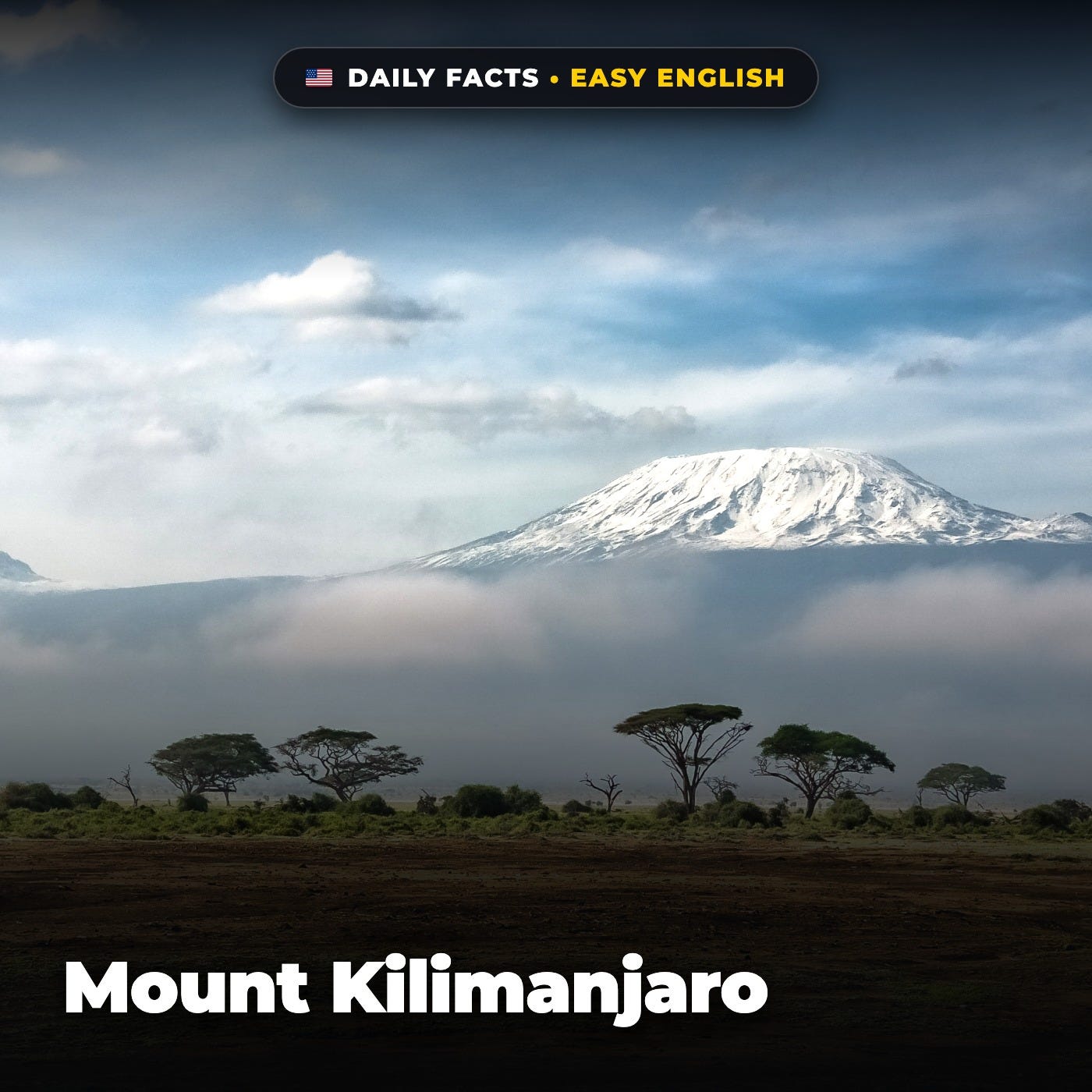
Explore the fascinating story and key facts of Mount Kilimanjaro.
In this episode, we break down the most important facts and stories about Mount Kilimanjaro using clear, beginner-friendly A1
Practice everyday beginner vocabulary through real-world examples.the mountain (a very high hill, often with steep rocky sides)the ice (water that has frozen solid because of cold temperatures)
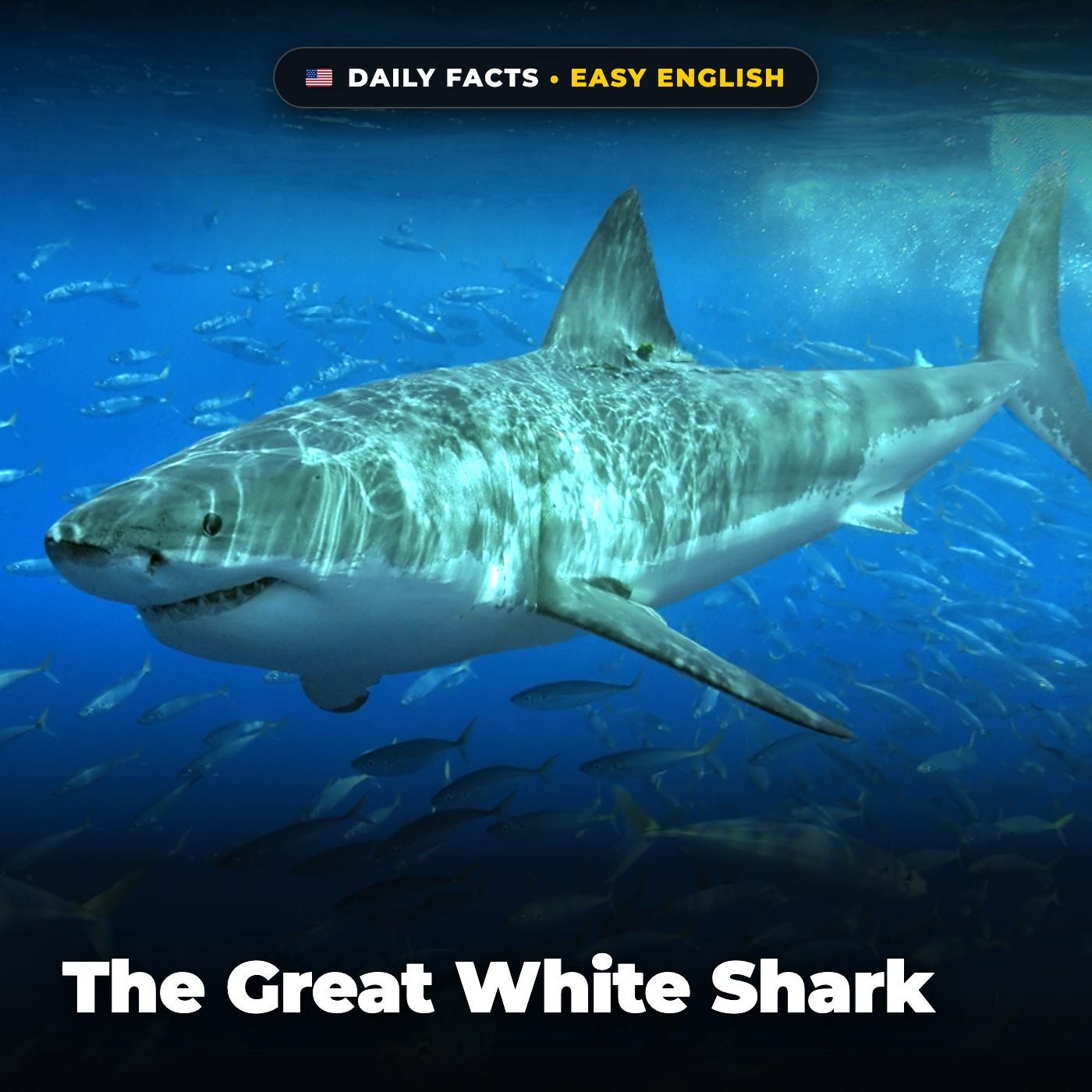
Explore the fascinating story and key facts of The Great White Shark.
In this episode, we break down the most important facts and stories about The Great White Shark using clear, beginner-friendly A1
Practice everyday beginner vocabulary through real-world examples.the shark (a large ocean fish with sharp teeth and a skeleton made of cartilage)the water (the clear liquid that falls as rain and fills rivers, lakes, and oceans)
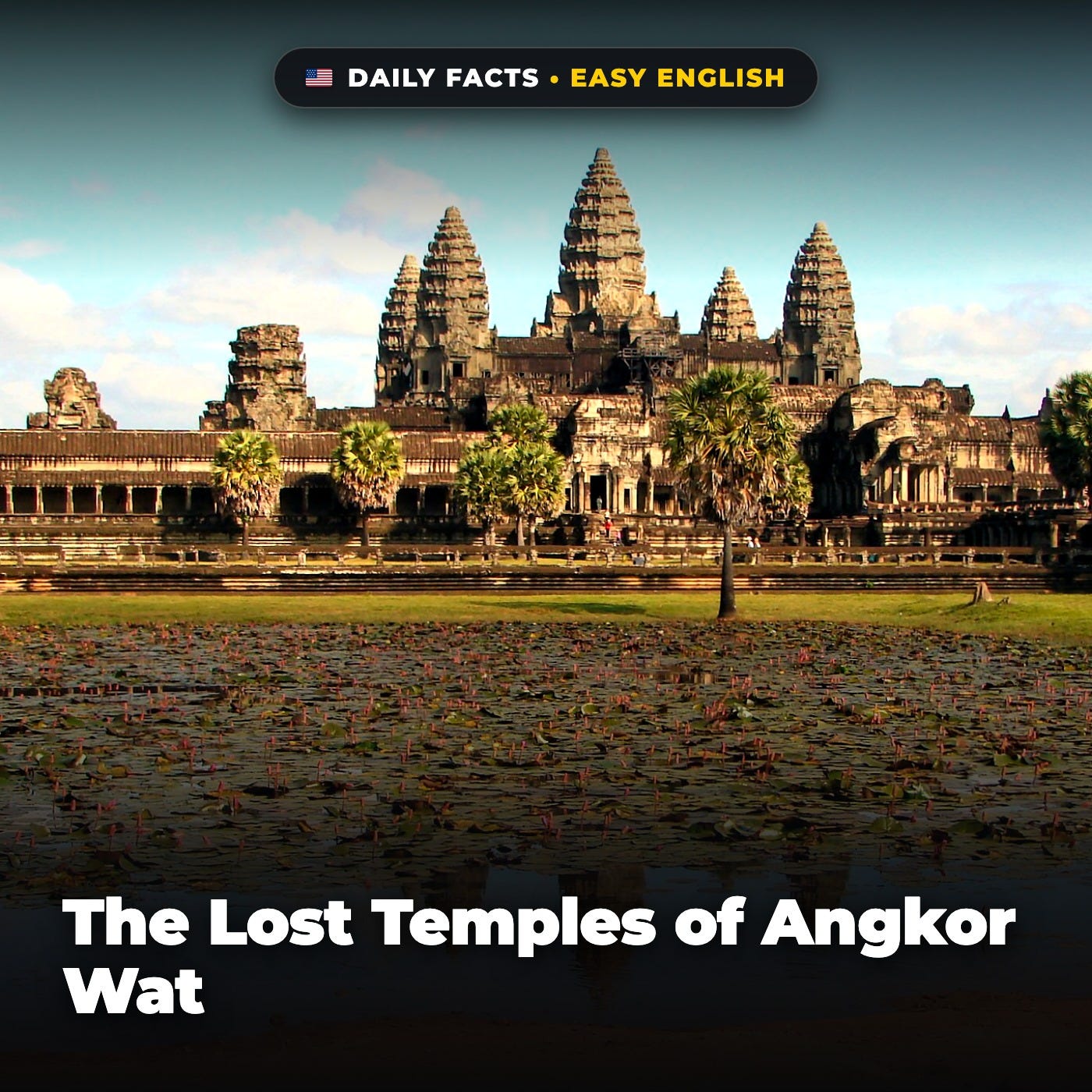
Explore the fascinating story and key facts of The Lost Temples of Angkor Wat.
In this episode, we break down the most important facts and stories about The Lost Temples of Angkor Wat using clear, beginner-friendly A1
Practice everyday beginner vocabulary through real-world examples.the building (a structure with walls and a roof, such as a house, temple, or palace)the stone (a hard solid mineral material, or a piece of rock)
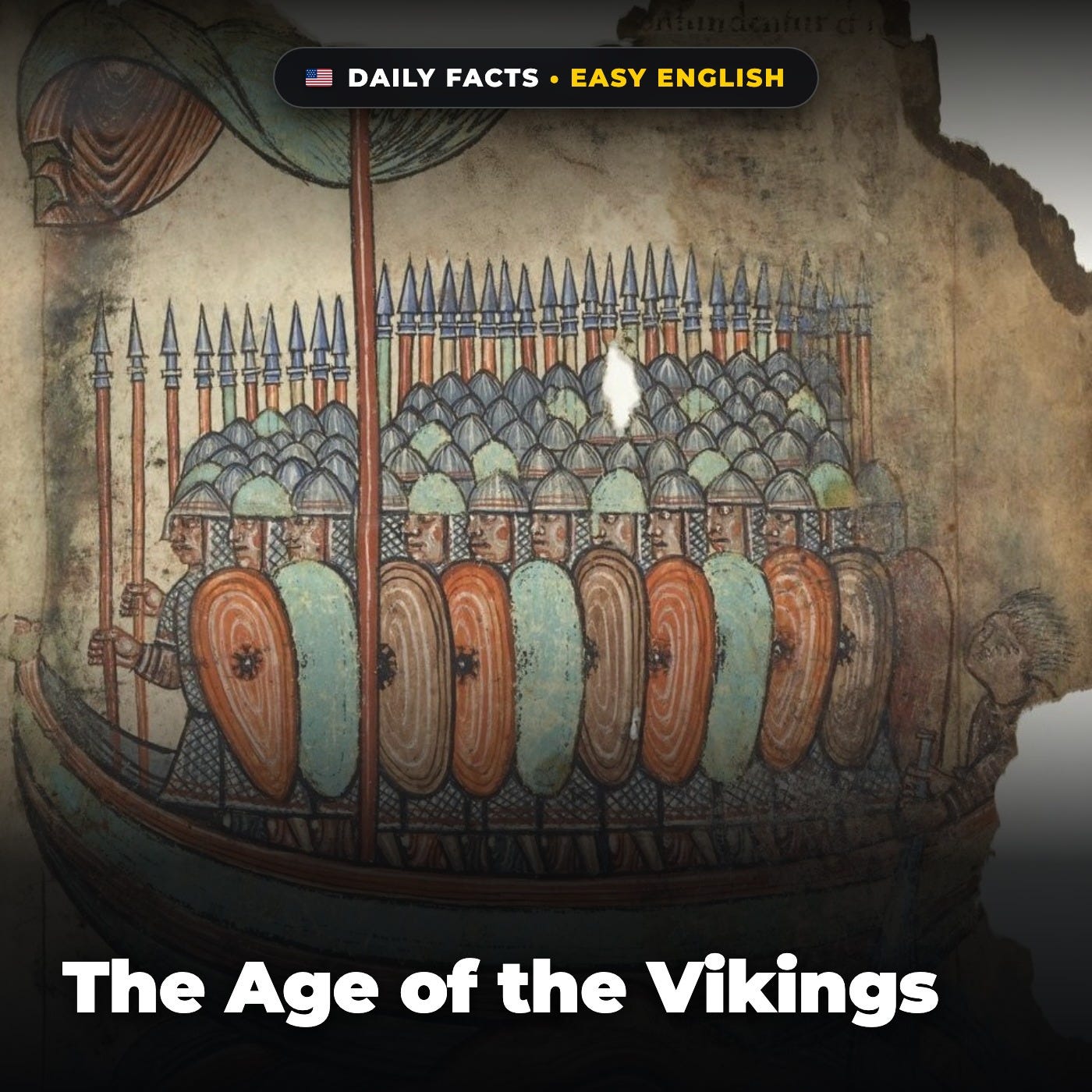
Vikings were a seafaring people originally from Scandinavia, who from the late 8th to the late 11th centuries raided, pirated, traded, and settled throughout parts of Europe. They voyaged as far as the Mediterranean, North Africa, the Middle East, Greenland, and Vinland.
In their countries of origin, and in some of the countries they raided and settled, this period of activity is popularly known as the Viking Age, and the term "Viking" also commonly includes the inhabitants of the Scandinavian homelands as a whole during the late 8th to the mid-11th centuries. The Vikings had a profound impact on the early medieval history of northern and Eastern Europe, including the political and social development of England and parts of France, and the establishment of Kievan Rus', the ancestor of the later states of Belarus, Russia, and Ukraine.
the job (the regular work that a person does to earn money)the sea (a large body of salty water)the money (coins or paper notes used to buy things)
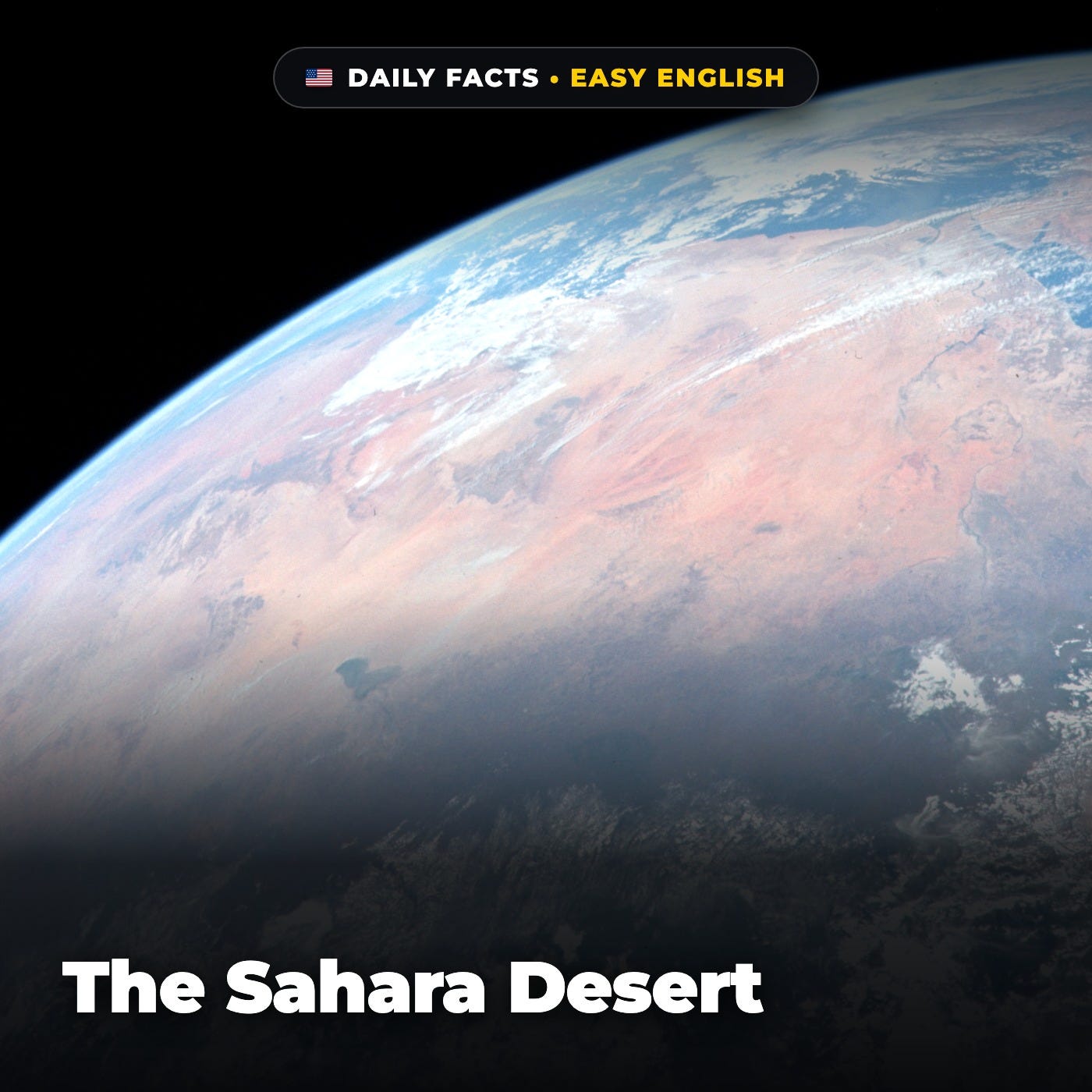
The Sahara is a desert spanning North Africa. With an area of 9,200,000 square kilometres (3,600,000 sq mi), it is the largest hot desert in the world and the third-largest desert overall, smaller only than the deserts of Antarctica and the northern Arctic.
In this episode, we break down the most important facts and stories about The Sahara Desert using clear, beginner-friendly A1
Practice everyday beginner vocabulary through real-world examples.the water (the clear liquid that falls as rain and fills rivers, lakes, and oceans)the sun (the bright star at the center of our solar system that gives Earth light and heat)
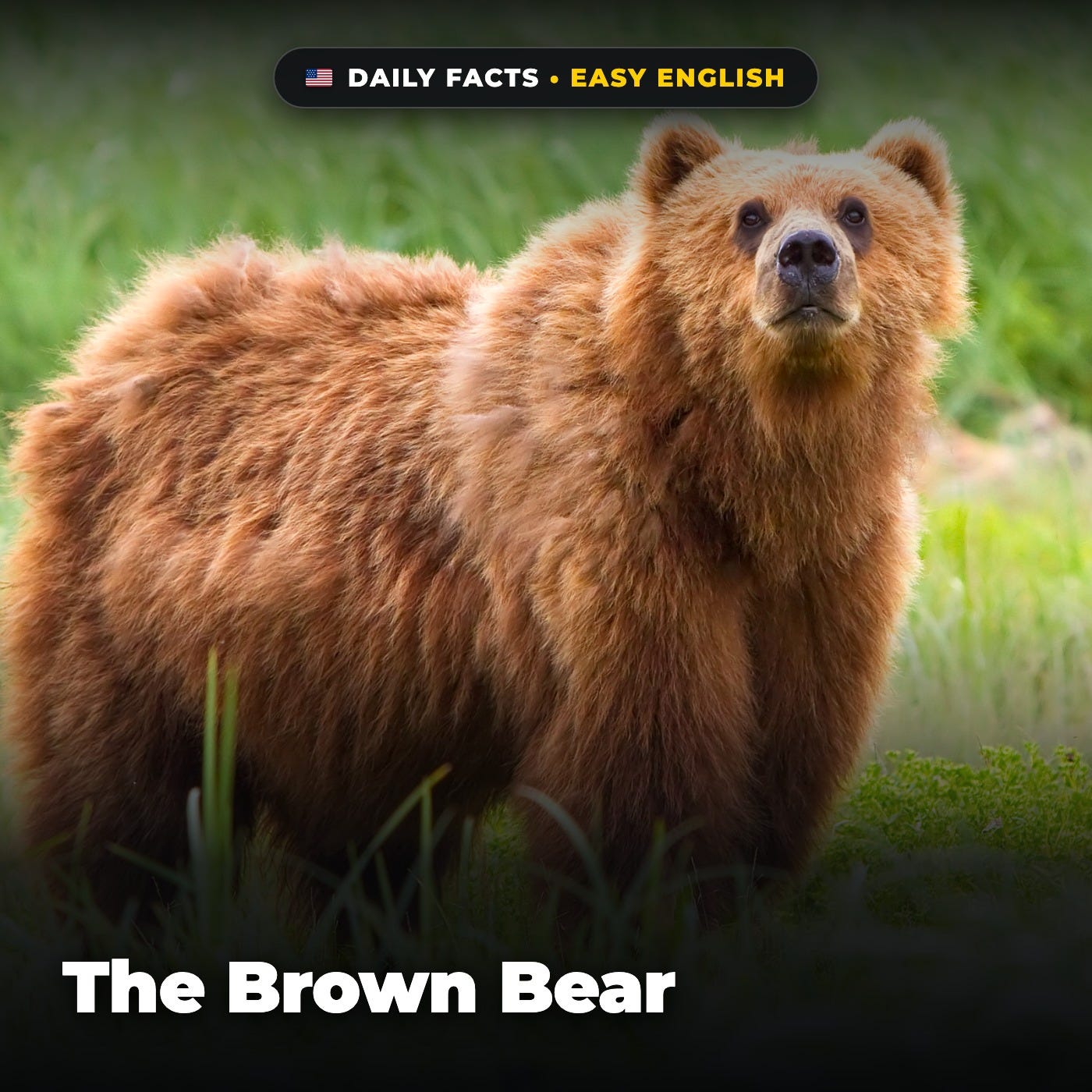
The brown bear is a large bear native to Eurasia and North America. Of the land carnivorans, it is rivaled in size only by its closest relative, the polar bear, which is much less variable in size and slightly bigger on average.
The brown bear is a sexually dimorphic species, as adult males are larger and more compactly built than females. The fur ranges in color from cream to reddish to dark brown.
the bear (a large, heavy wild mammal with thick fur)the claw (a sharp curved nail on the foot of a bird or animal)the mother (a female parent)
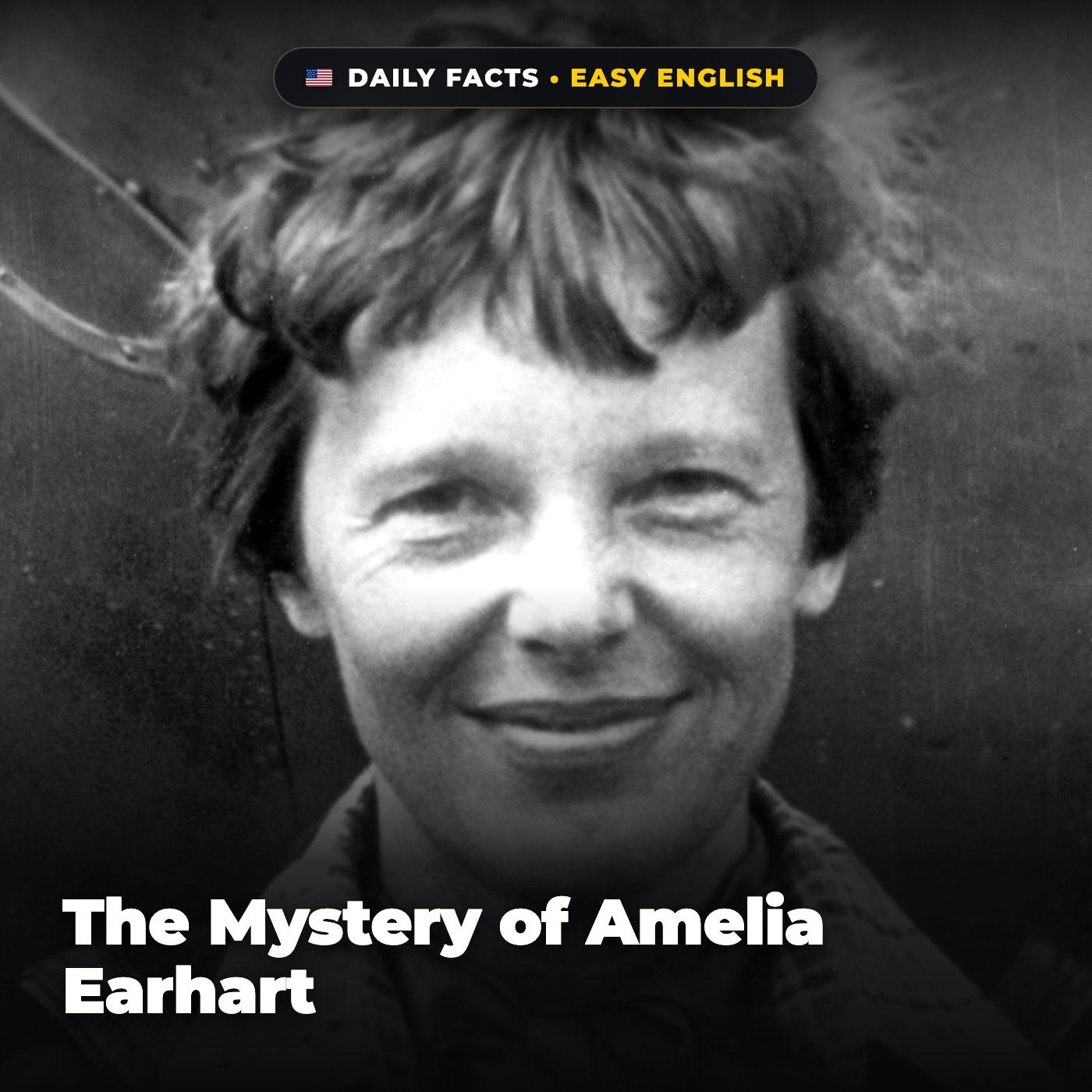
Amelia Mary Earhart was an American aviator who became one of the most celebrated aviation pioneers.
In this episode, we break down the most important facts and stories about The Mystery of Amelia Earhart using clear, beginner-friendly A1
Practice everyday beginner vocabulary through real-world examples.the plane (an airplane)the island (a piece of land completely surrounded by water)
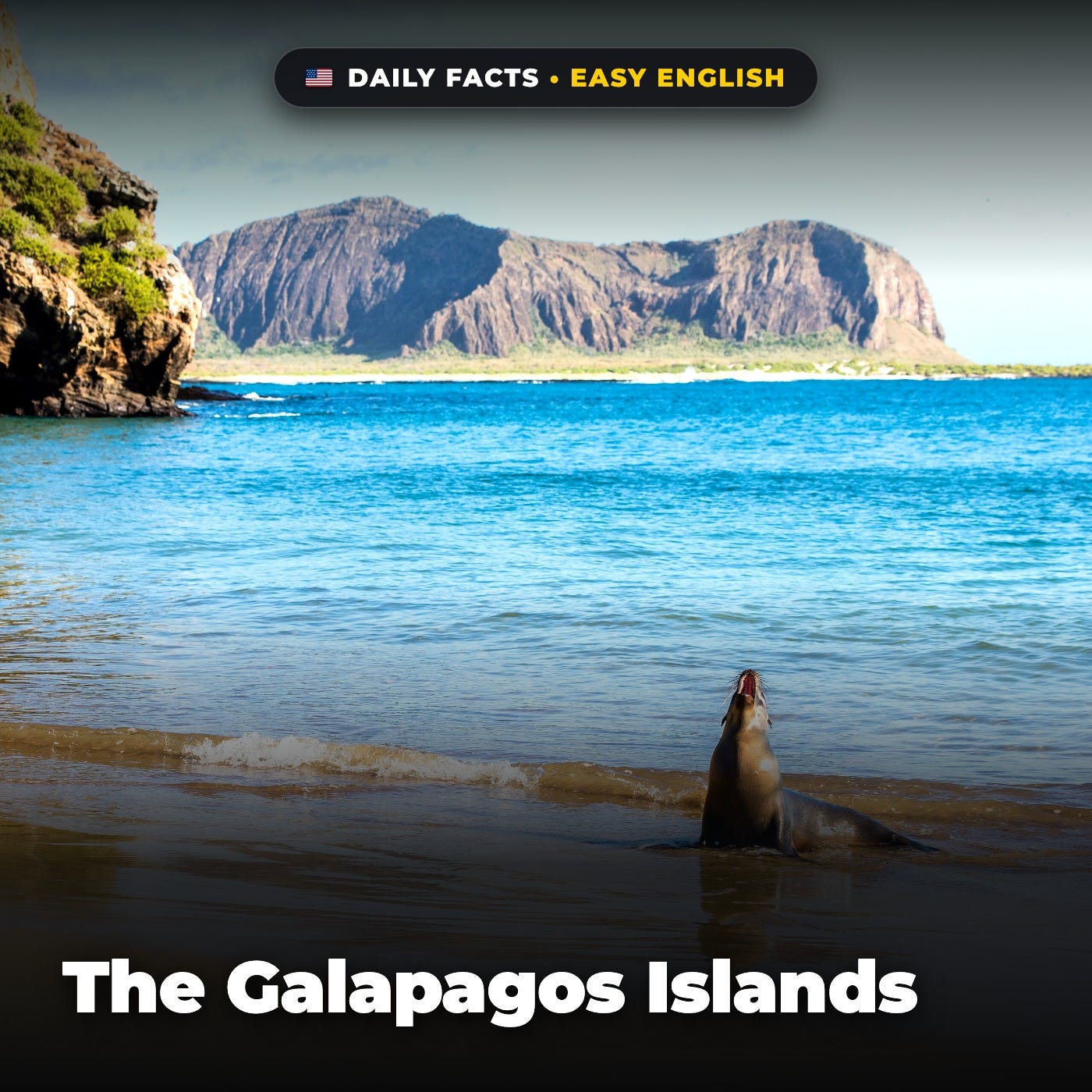
The Galápagos Islands are an archipelago of volcanic islands in the Eastern Pacific, located around the equator, 485 nautical miles west of the mainland of South America. They form the Galápagos Province of the Republic of Ecuador, with a population of slightly over 33,450 in 2020.
The province is divided into the cantons of San Cristóbal, Santa Cruz, and Isabela, the three most populated islands in the chain. The Galápagos are famous for their large number of endemic species, which were studied by Charles Darwin in the 1830s and inspired his theory of evolution by means of natural selection.
the island (a piece of land completely surrounded by water)the turtle (a reptile with a hard protective shell that lives in water or on land)the animal (a living creature that can move around and eats plants or other animals)
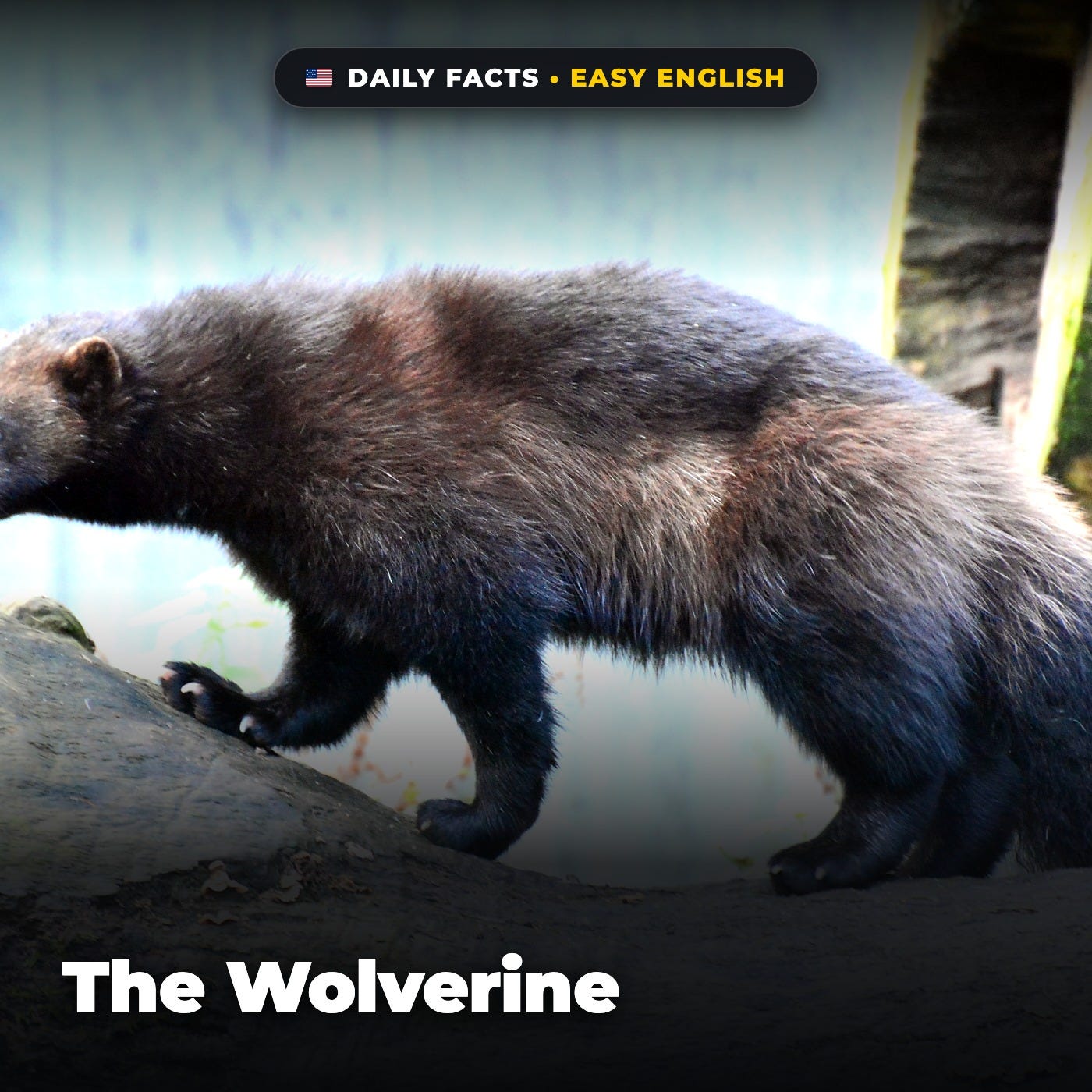
The wolverine, also called the carcajou or quickhatch, is the largest land-dwelling member of the family Mustelidae. It is a muscular carnivore and a solitary animal.
The wolverine has a reputation for ferocity and strength out of proportion to its size, with the documented ability to kill prey many times larger than itself.
the animal (a living creature that can move around and eats plants or other animals)the snow (soft white flakes of frozen water that fall from the sky in cold weather)the wolf (a wild animal that looks like a large dog and lives and hunts in packs)
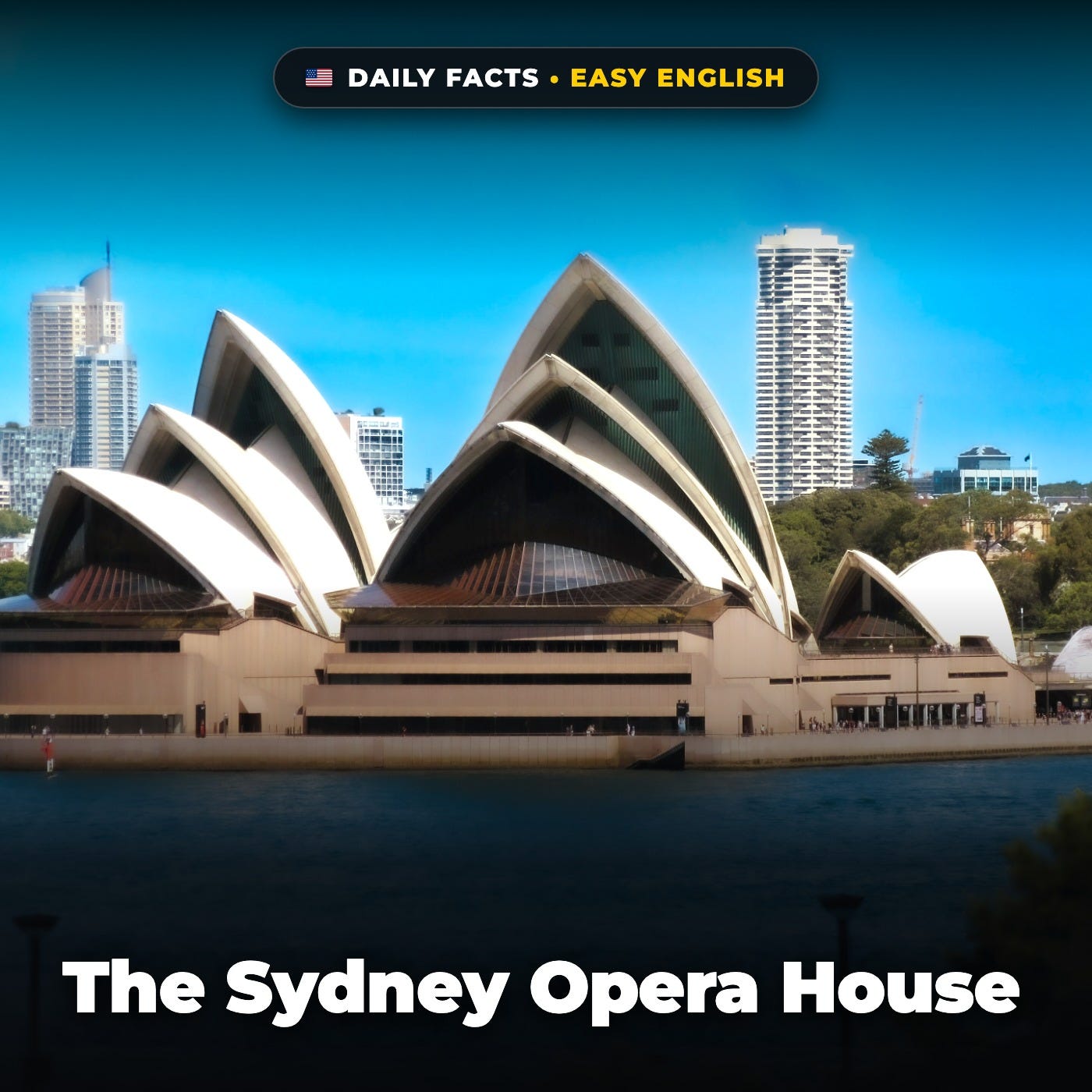
The Sydney Opera House is a multi-venue performing arts centre in Sydney, New South Wales, Australia. Located on the foreshore of Sydney Harbour, it is widely regarded as one of the world's most famous and distinctive buildings, and a masterpiece of 20th-century architecture.
In this episode, we break down the most important facts and stories about The Sydney Opera House using clear, beginner-friendly A1
Practice everyday beginner vocabulary through real-world examples.the building (a structure with walls and a roof, such as a house, temple, or palace)the roof (the structure that covers and protects the top of a building)
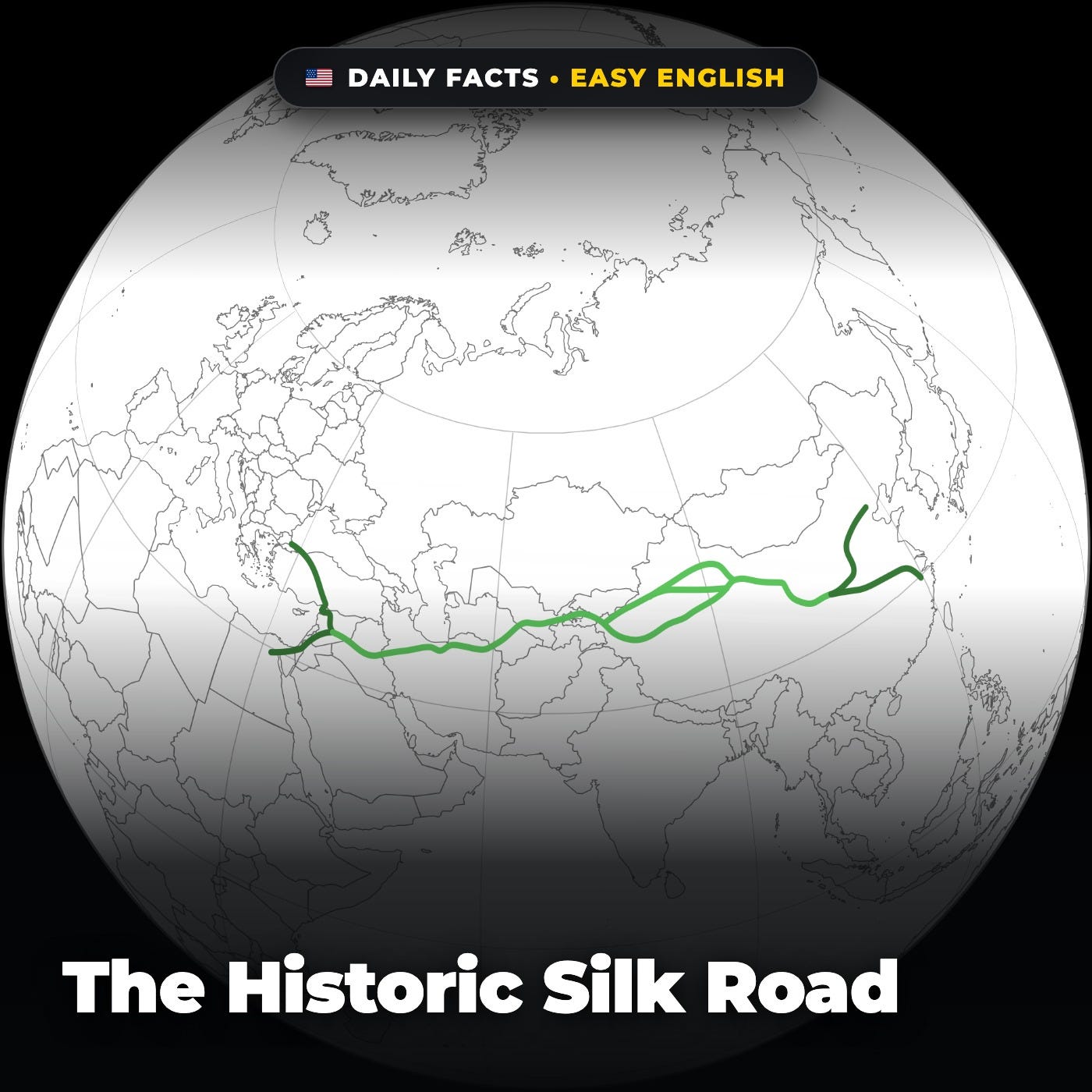
The Silk Road was a network of Asian trade routes active from the second century BCE until the mid-15th century. Spanning over 6,400 km (4,000 mi) on land, it played a central role in facilitating economic, cultural, political, and religious interactions between the Eastern and Western worlds.
The name "Silk Road" was coined in the late 19th century, but some 20th- and 21st-century historians instead prefer the term Silk Routes, on the grounds that it more accurately describes the intricate web of land and sea routes connecting Central, East, South, Southeast, and West Asia as well as East Africa and Southern Europe. In fact, some scholars criticise or even dismiss the idea of silk roads and call for a new definition or alternate term.
the road (a wide path with a hard surface built for traveling between places)the silk (a soft, shiny, valuable cloth made from the fine threads spun by silkworms)the water (the clear liquid that falls as rain and fills rivers, lakes, and oceans)
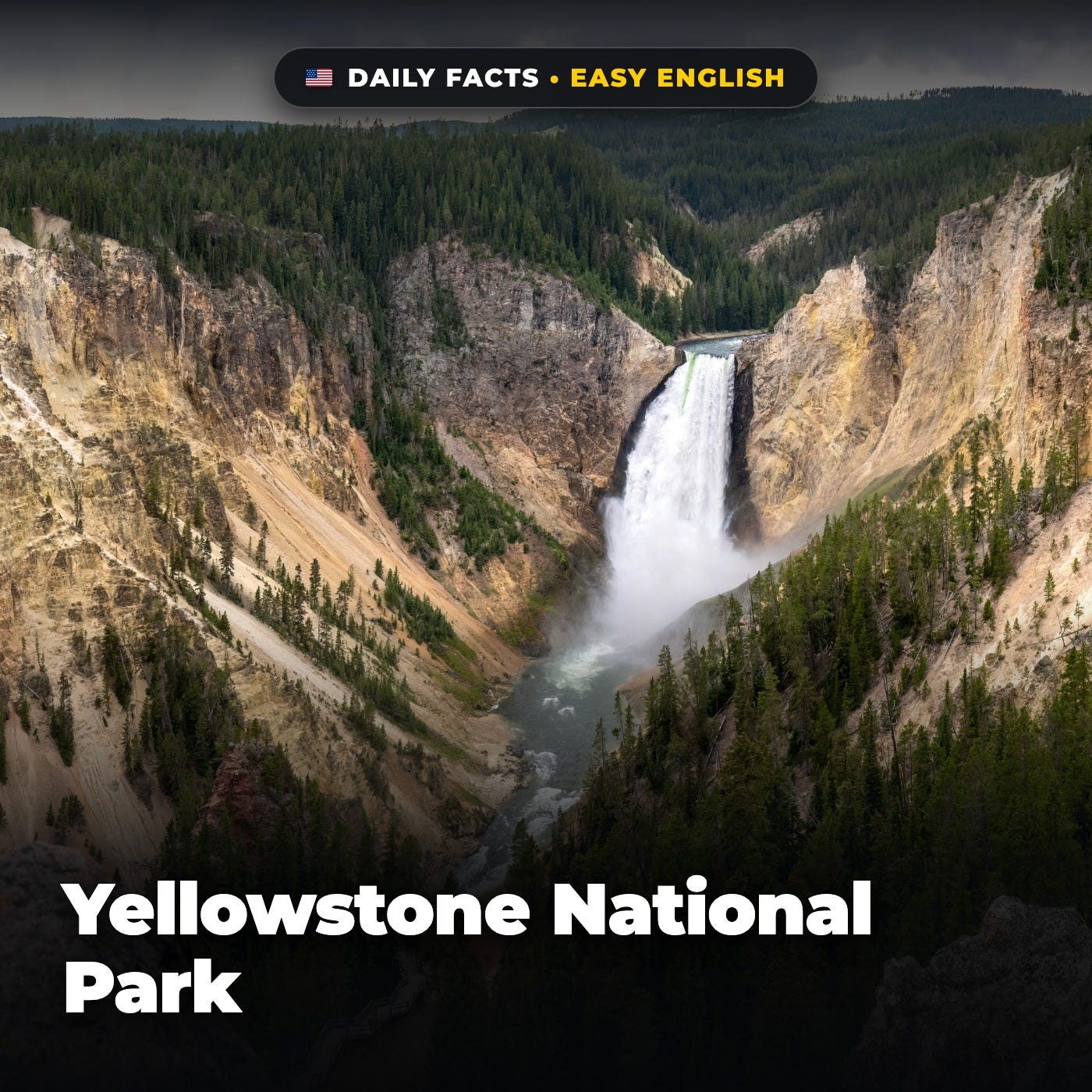
Yellowstone National Park is a national park of the United States located mainly in the northwest corner of the state of Wyoming, with small portions extending into Montana and Idaho. The park is known for its wildlife and its many geothermal features, especially the Old Faithful geyser, one of its most popular.
While it represents many types of biomes, subalpine forest is the most abundant. It is part of the South Central Rockies forests ecoregion.
the wolf (a wild animal that looks like a large dog and lives and hunts in packs)the animal (a living creature that can move around and eats plants or other animals)the fire (the hot, bright flames produced when something burns)
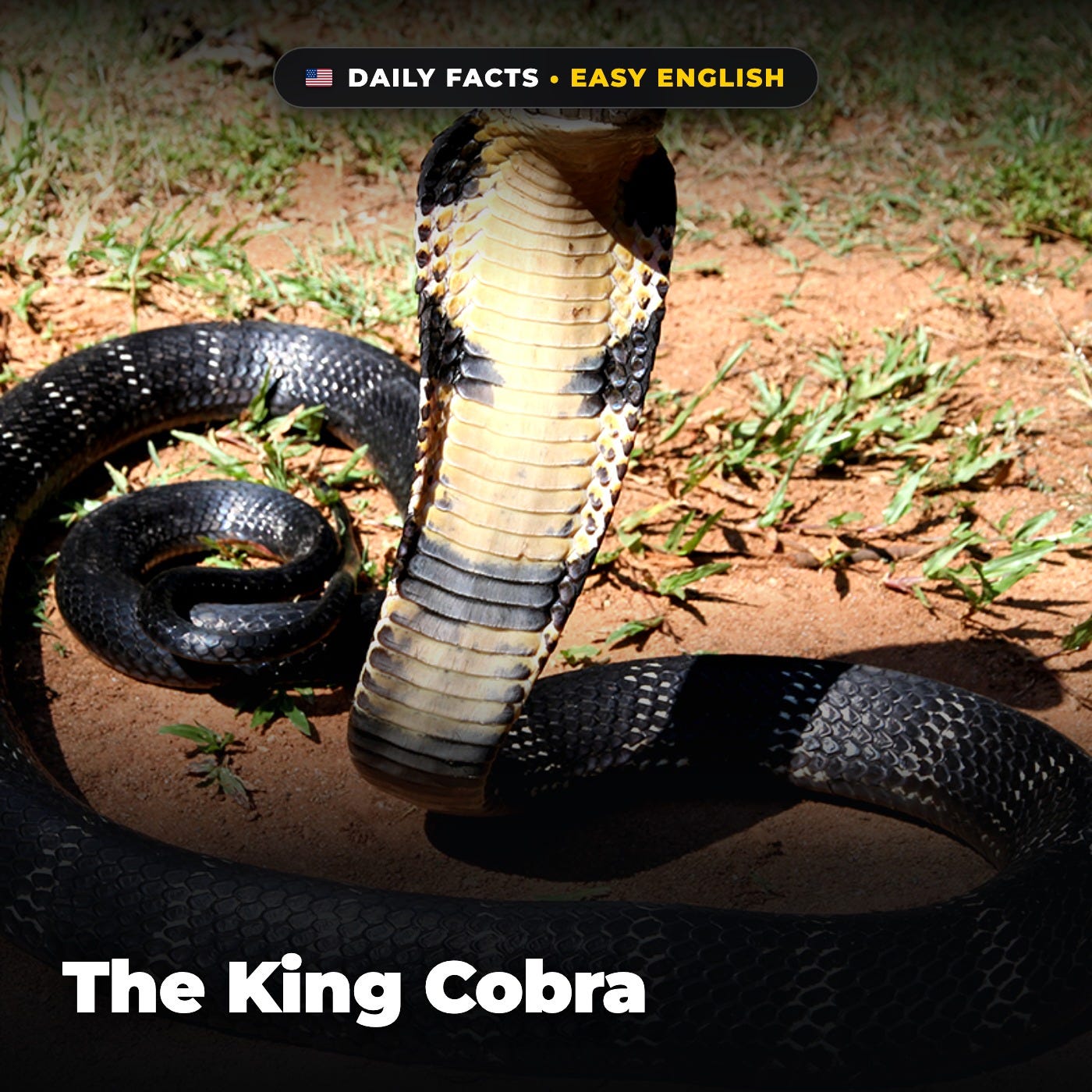
The king cobra is a species complex of snakes endemic to Asia. With an average length of 3.18 to 4 m and a record length of 5.85 m (19.2 ft), it is the world's longest venomous snake and among the heaviest.
Under the genus Ophiophagus, it is not phylogenetically a true cobra despite its common name and some resemblance. Spanning from the Indian subcontinent through Southeastern Asia to Southern China, the king cobra is widely distributed albeit not commonly seen.
the snake (any of the suborder Serpentes of legless reptile with long, thin bodies and fork-shaped tongues)the king (a male ruler of a royal country)the picture (a drawing, painting, or photograph that shows what something looks like)
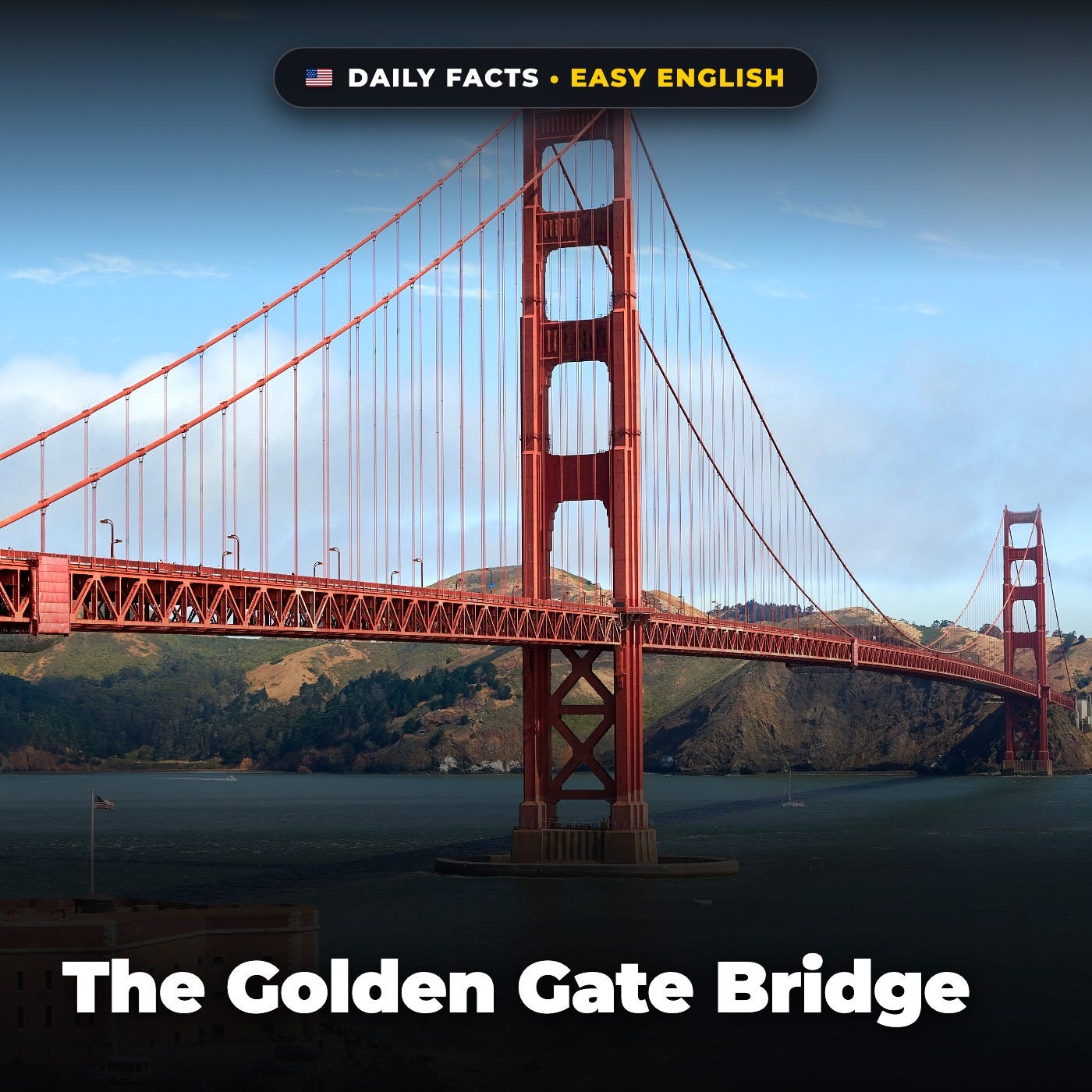
The Golden Gate Bridge is a suspension bridge spanning the Golden Gate, the one-mile-wide (1.6 km) strait connecting San Francisco Bay and the Pacific Ocean in California, United States. The structure links San Francisco—the northern tip of the San Francisco Peninsula—to Marin County, carrying both U.S.
Route 101 and California State Route 1 across the strait. It also carries pedestrian and bicycle traffic, and is designated as part of U.S.
the bridge (a structure built over a river, road, or valley so people and vehicles can cross)the wind (air moving naturally across the surface of the Earth)the water (the clear liquid that falls as rain and fills rivers, lakes, and oceans)
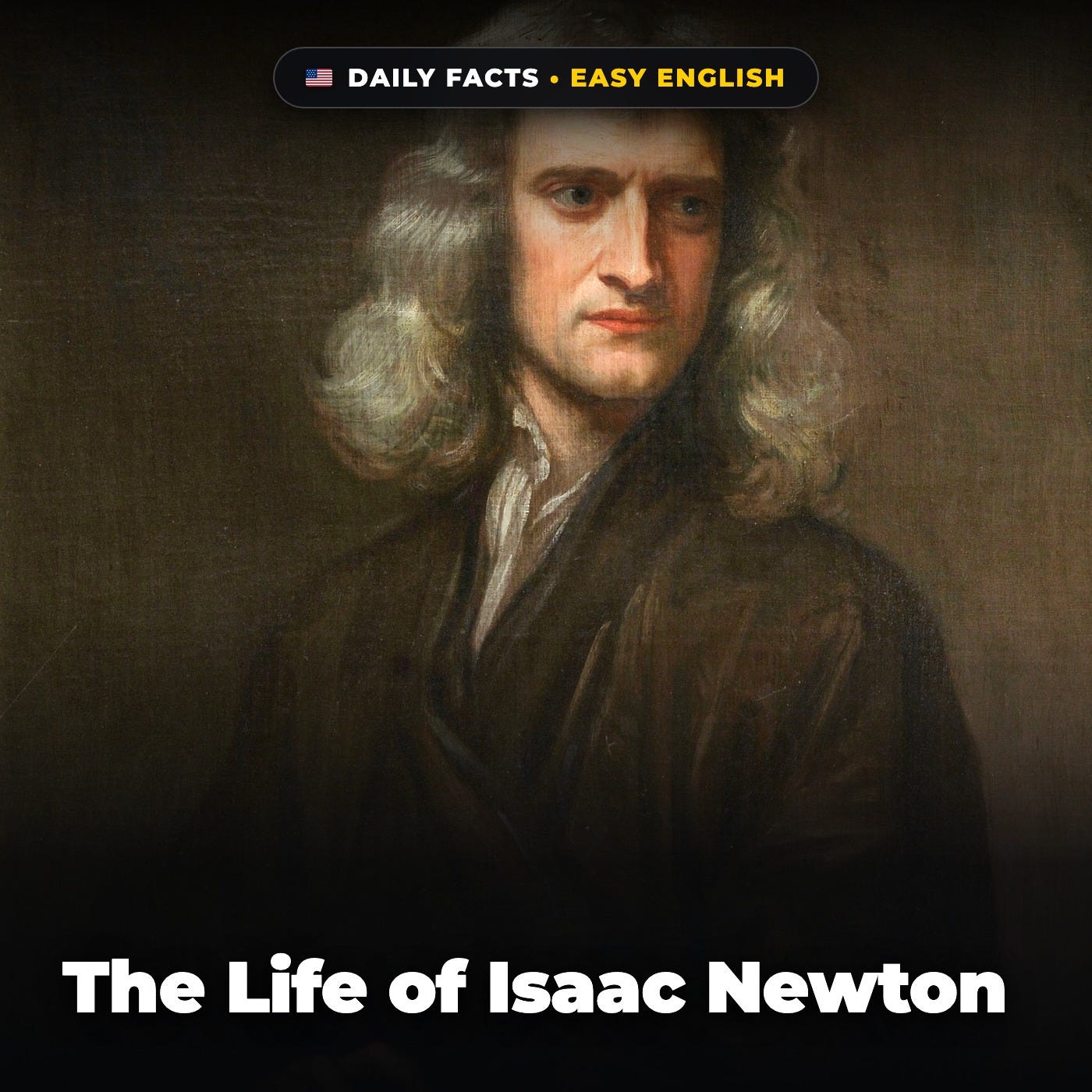
Sir Isaac Newton was an English polymath who was a mathematician, physicist, astronomer, alchemist, theologian, historian and inventor. He was a key figure in the Scientific Revolution and the Enlightenment that followed.
His book Philosophiæ Naturalis Principia Mathematica, first published in 1687, achieved the first great unification in physics and established classical mechanics. Newton also made seminal contributions to optics, and shares credit with the German mathematician Gottfried Wilhelm Leibniz for formulating infinitesimal calculus, although he developed calculus years before Leibniz.
the moon (the natural round object that shines in the night sky and circles a planet)the book (a set of printed pages fastened together inside a cover for reading)the earth (the planet we live on, or the soil and ground under our feet)
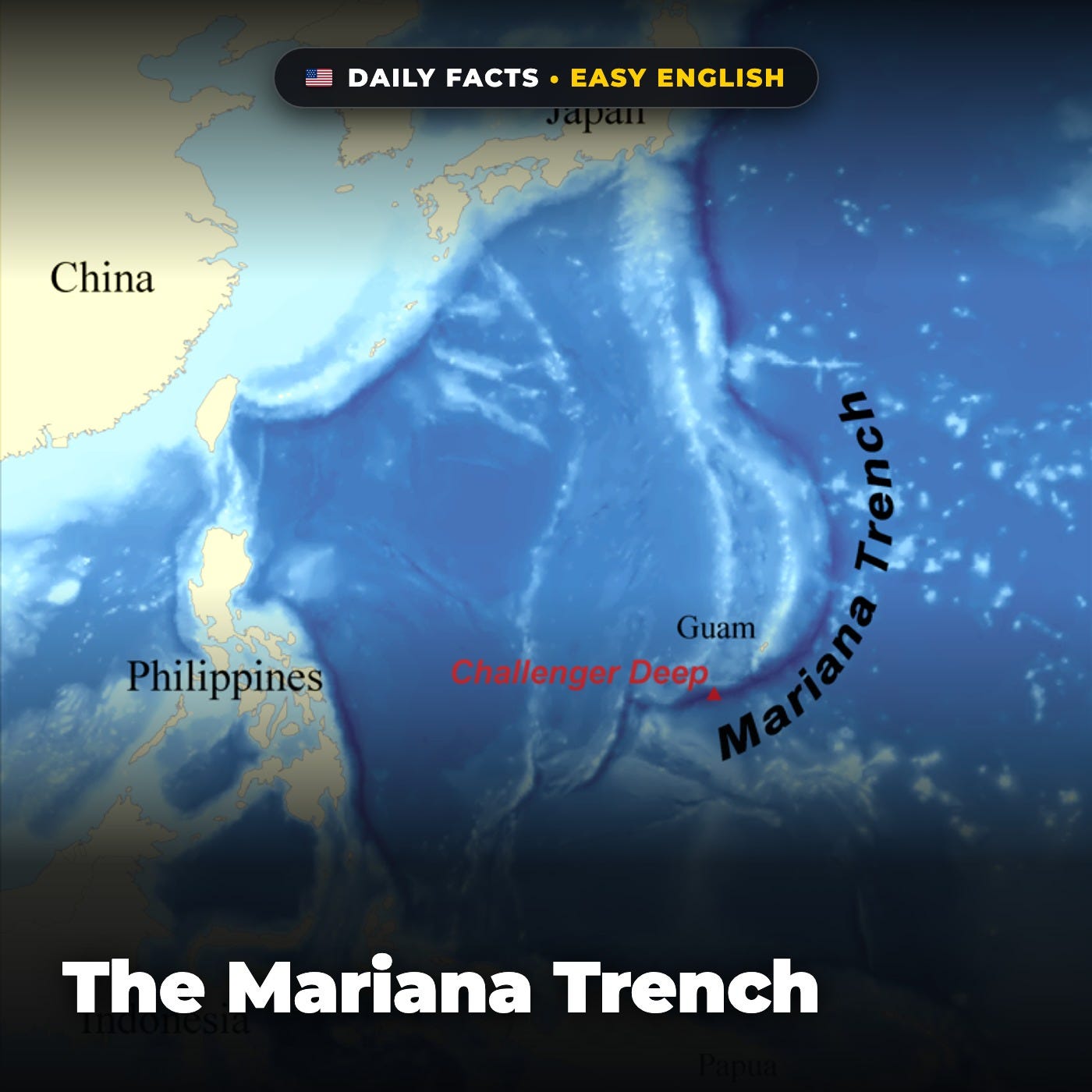
The Mariana Trench is the deepest oceanic trench on Earth, located in the western Pacific Ocean, about 200 kilometers (124 mi) east of the Mariana Islands. It is crescent-shaped and measures about 2,550 km (1,580 mi) in length and 69 km (43 mi) in width.
The maximum known depth is 10,935 ± 6 meters at the southern end of a small slot-shaped valley in its floor known as the Challenger Deep. This makes the deepest point of the trench more than 2 km (1.2 mi) farther from sea level than the peak of Mount Everest.
the water (the clear liquid that falls as rain and fills rivers, lakes, and oceans)the earth (the planet we live on, or the soil and ground under our feet)the ocean (one of the huge salt-water seas that cover most of the Earth)
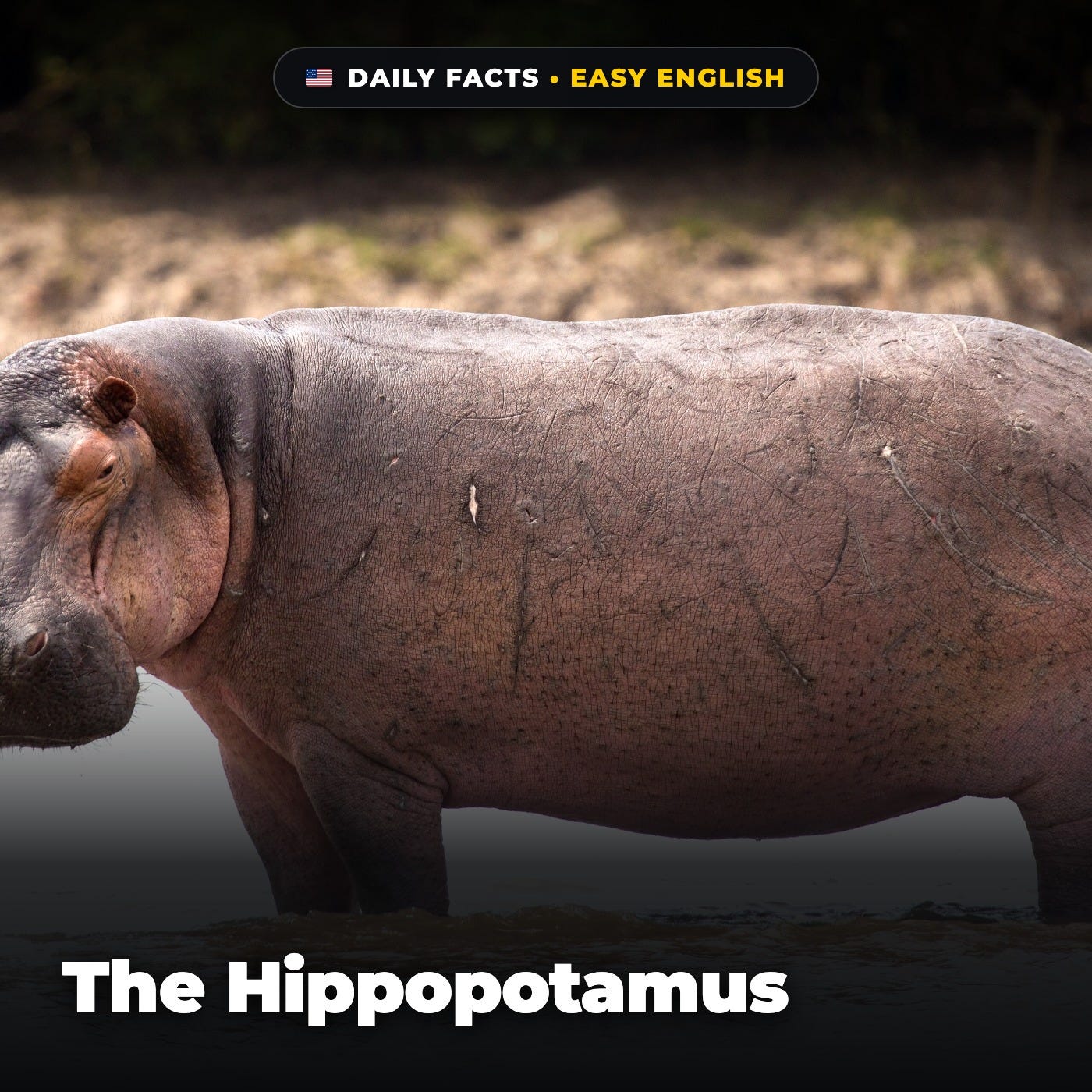
The hippopotamus, often shortened to hippo, further qualified as the common hippopotamus, Nile hippopotamus and river hippopotamus, is a large semiaquatic mammal native to sub-Saharan Africa. It is one of only two extant species in the family Hippopotamidae, the other being the pygmy hippopotamus.
Its name comes from the Ancient Greek for "river horse" (ἱπποπόταμος).
the hippo (a huge, heavy African river mammal with thick skin and a very wide mouth)the river (a large natural stream of fresh water flowing to the sea or a lake)the water (the clear liquid that falls as rain and fills rivers, lakes, and oceans)
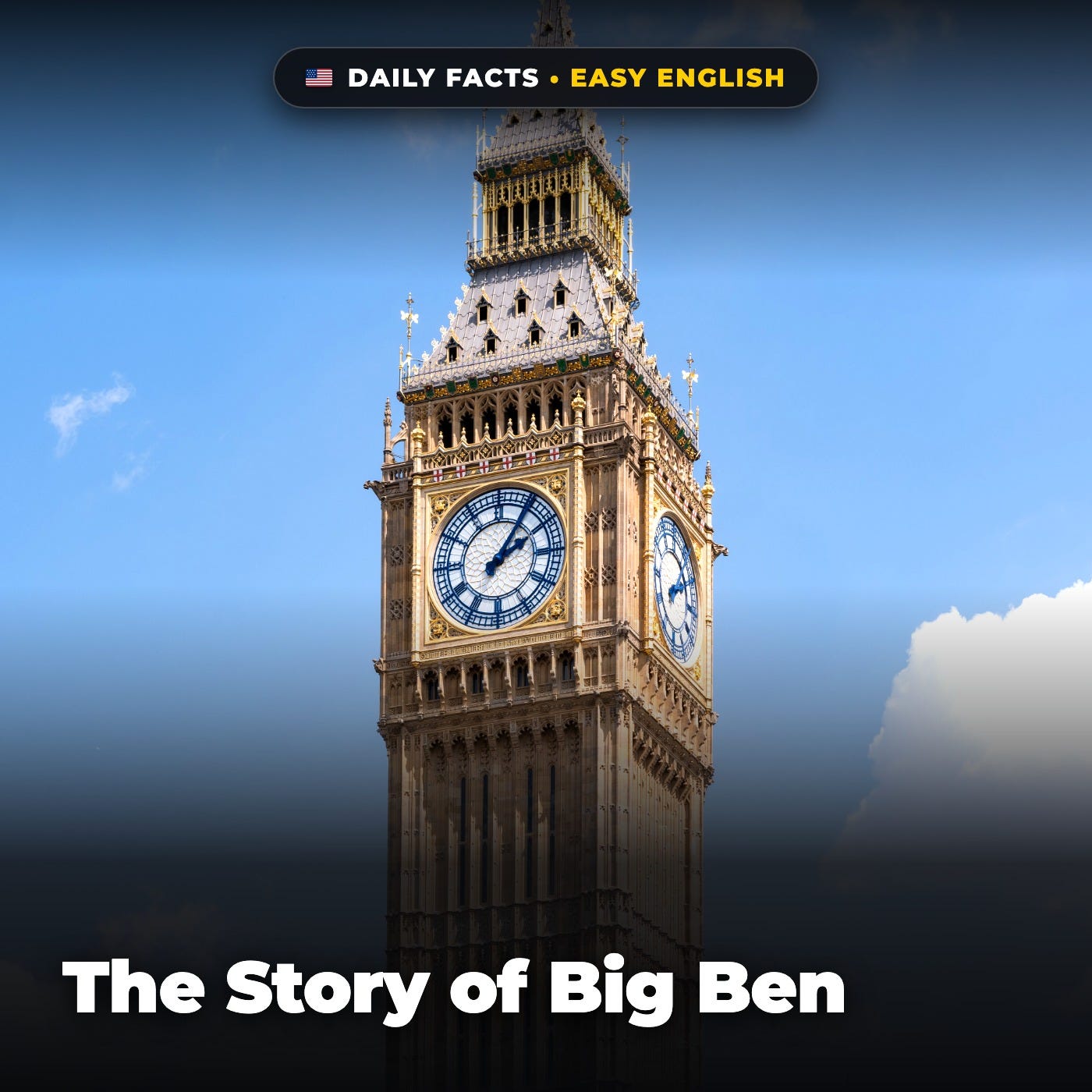
Big Ben is the nickname for the Great Bell of the Great Clock of Westminster, and, by extension, for the clock tower that stands at the north end of the Palace of Westminster in London, England. Originally named the Clock Tower, the structure was renamed the Elizabeth Tower in 2012 to mark the Diamond Jubilee of Queen Elizabeth II.
The clock is a striking clock with five bells.
the tower (a tall, narrow building or structure that rises high above its surroundings)the clock (a chronometer, an instrument that measures time, particularly the time of day)the bell (an instrument that emits a ringing sound, situated on a bicycle's handlebar and used by the cyclist to warn of their presence)
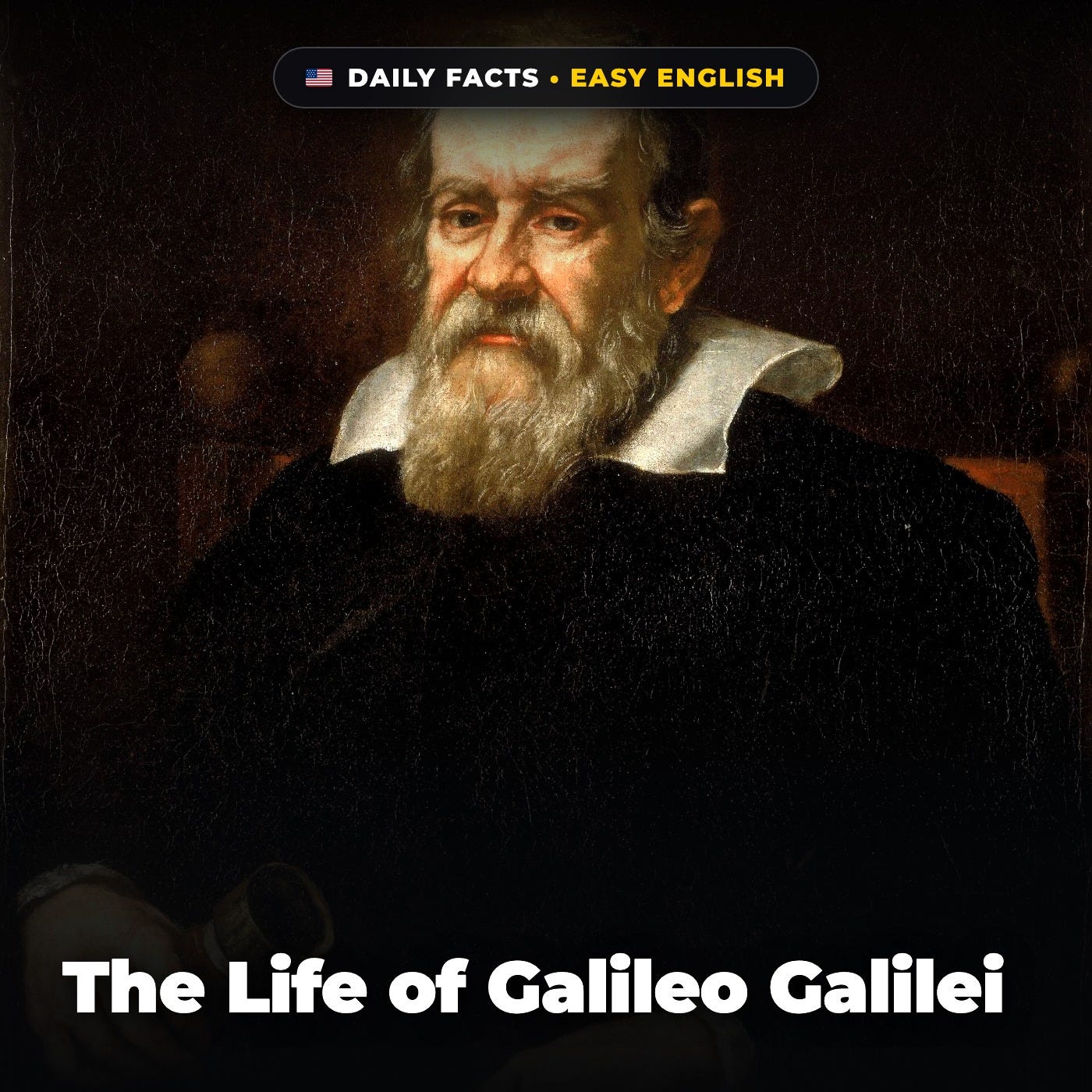
Galileo di Vincenzo Bonaiuti de' Galilei, commonly referred to as Galileo Galilei or mononymously as Galileo, was an Italian astronomer, physicist, engineer and polymath. He was born in Pisa, then part of the Duchy of Florence.
Galileo has been called the father of observational astronomy, classical physics, the scientific method, and modern science.
the earth (the planet we live on, or the soil and ground under our feet)the moon (the natural round object that shines in the night sky and circles a planet)the star (a giant ball of burning gas in space that shines in the night sky)
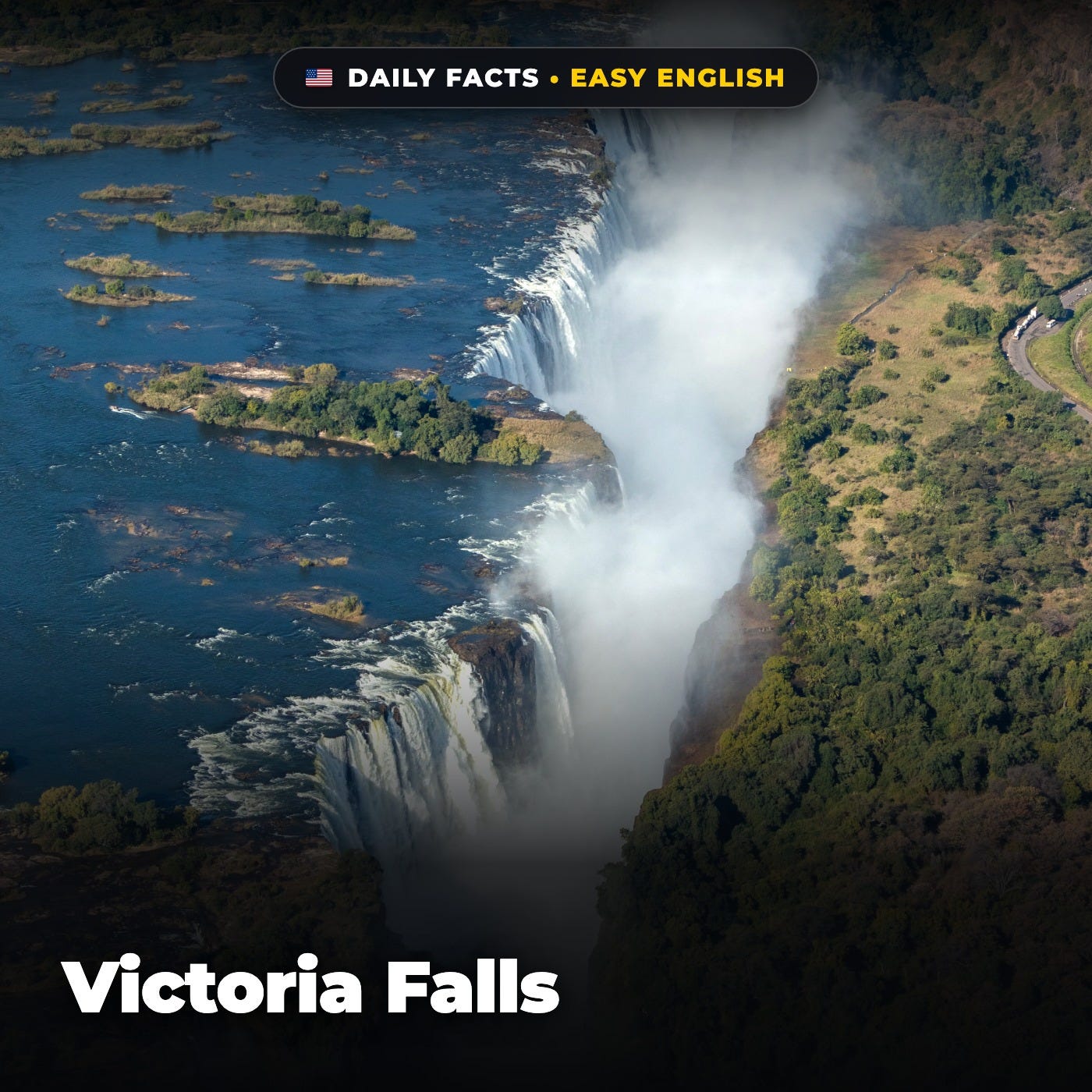
Victoria Falls is a waterfall on the Zambezi River, located on the border between Zambia and Zimbabwe. It is one of the world's largest waterfalls, with a width of 1,708 m (5,604 ft).
The region around it has a high degree of biodiversity in both plants and animals.
the water (the clear liquid that falls as rain and fills rivers, lakes, and oceans)the rock (the hard mineral material that forms mountains and the Earth’s crust)the waterfall (water from a river dropping over a high cliff)
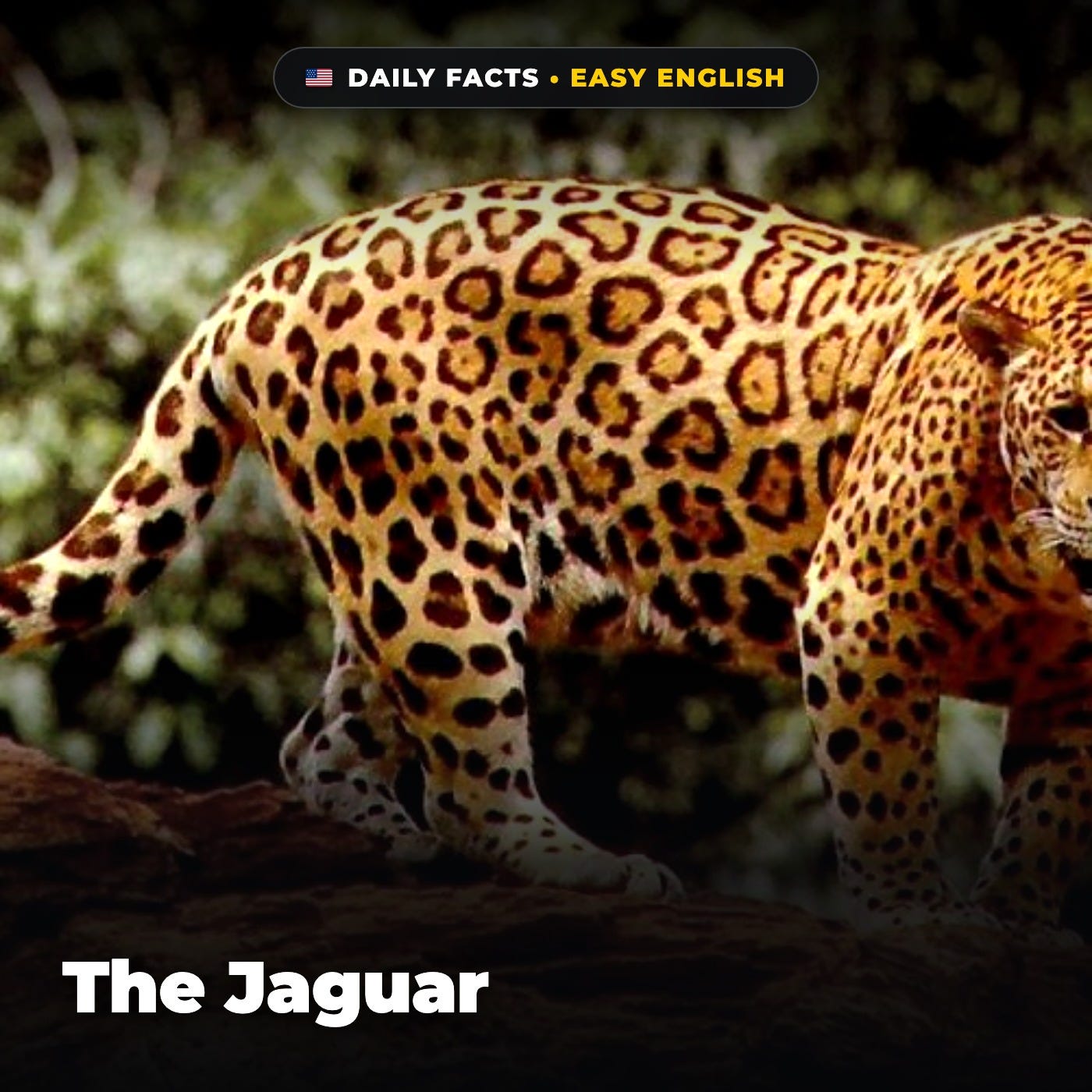
The jaguar is a large cat species and the only living member of the genus Panthera that is native to the Americas. Its coat features pale yellow to tan colored fur covered with spots that transition to rosettes on the sides; some individuals have a melanistic spotted coat.
With a body length of up to 1.85 m and a weight of up to 158 kg (348 lb), it is the biggest cat species in the Americas and the third largest in the world. The jaguar's powerful bite allows it to pierce the carapaces of turtles and tortoises, and to employ an unusual killing method: it bites directly through the skull of mammalian prey between the ears to deliver a fatal blow to the brain.
the jaguar (a powerful spotted wild cat native to the forests of Central and South America)the animal (a living creature that can move around and eats plants or other animals)the water (the clear liquid that falls as rain and fills rivers, lakes, and oceans)
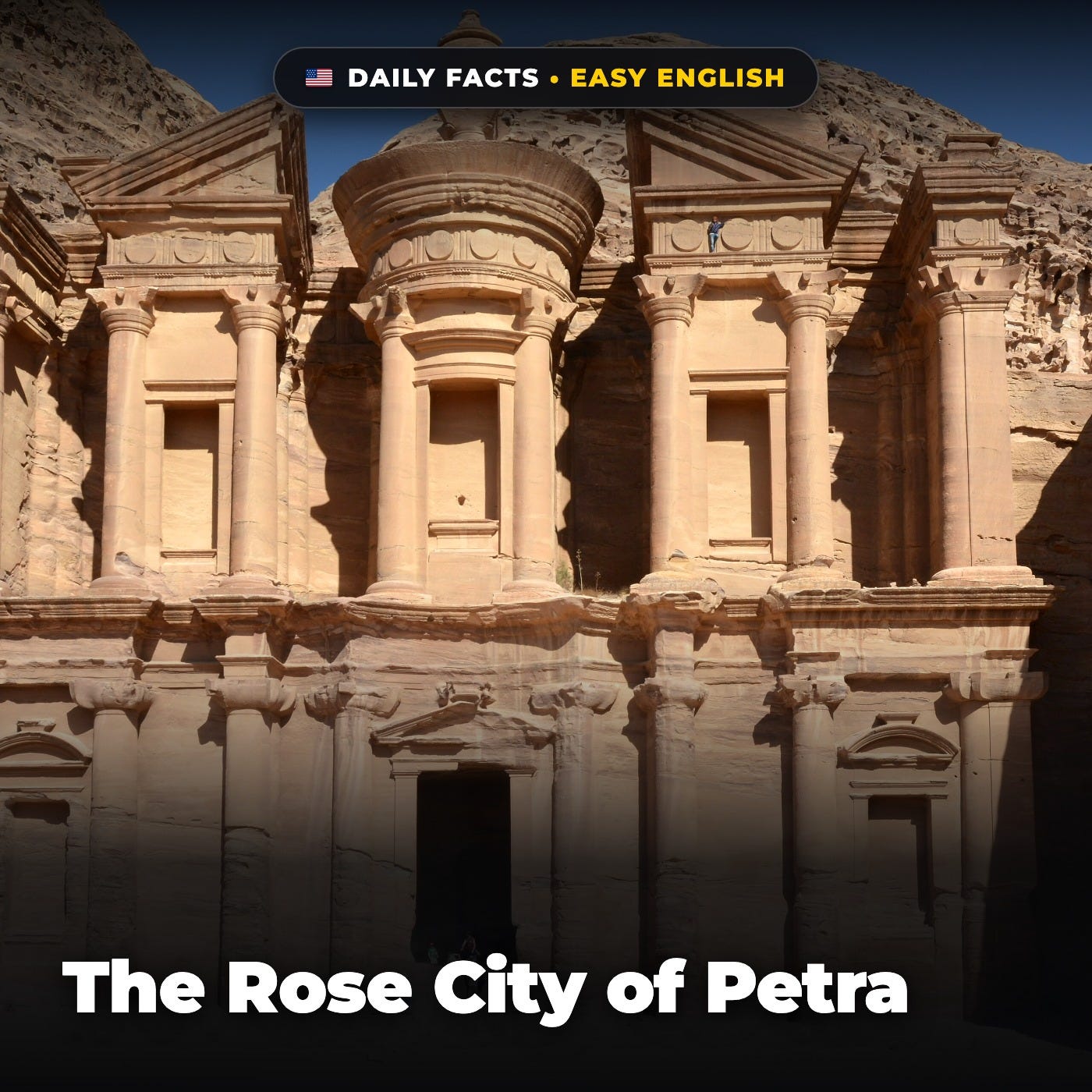
Petra is an ancient city and archaeological site in southern Jordan. Famous for its rock-cut architecture and water conduit systems, Petra is also called the "Rose City" because of the colour of the sandstone from which it is carved.
The city is one of the New 7 Wonders of the World and a UNESCO World Heritage Site.
the city (a large and important town where many people live and work)the rock (the hard mineral material that forms mountains and the Earth’s crust)the water (the clear liquid that falls as rain and fills rivers, lakes, and oceans)
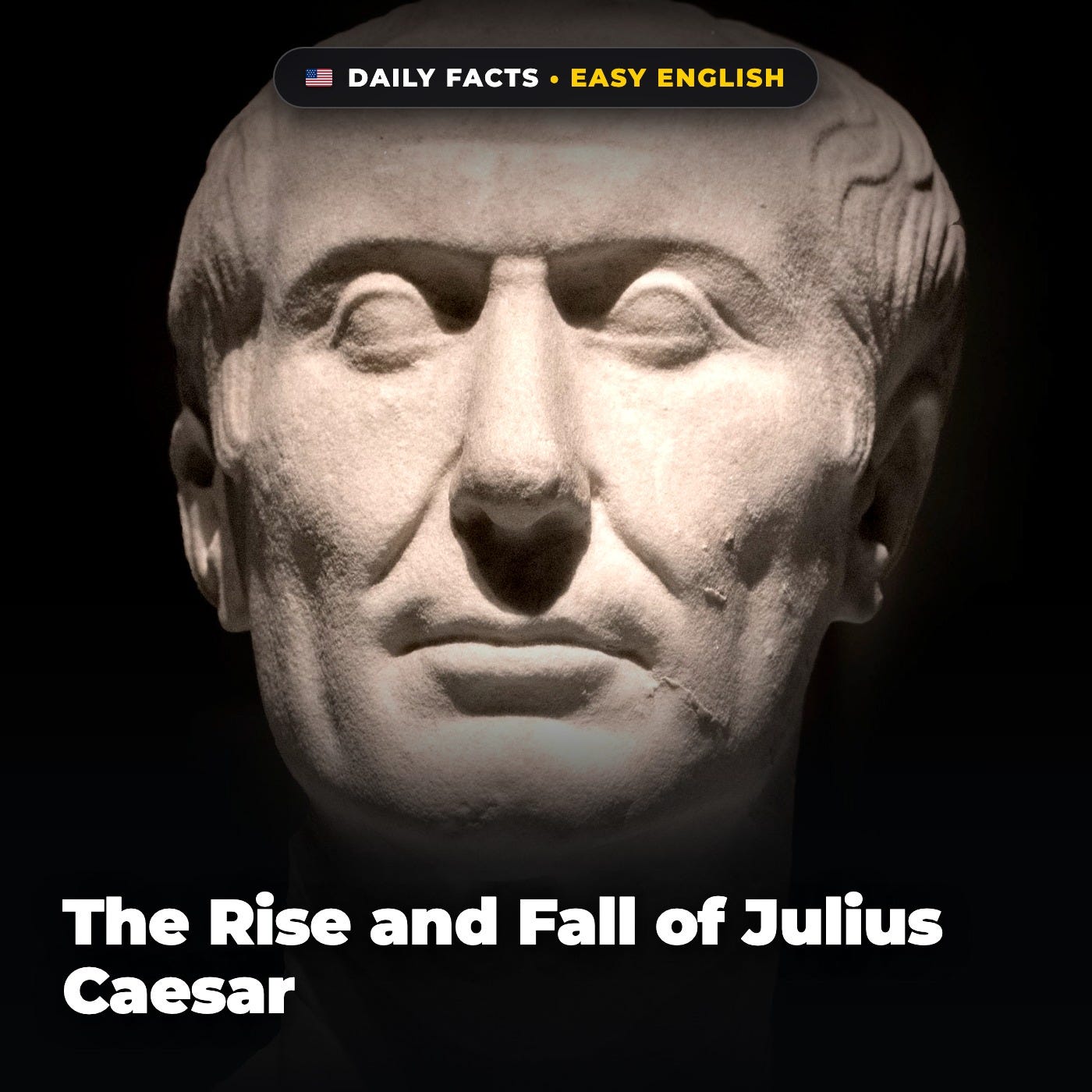
Gaius Julius Caesar was a Roman general, statesman, and author who was the dictator of the Roman Republic almost continuously from 49 BC until his assassination in 44 BC. A member of the First Triumvirate, he led the Roman armies through the Gallic Wars and defeated his political rival Pompey in Caesar's civil war.
He consolidated power and was titled as dictator perpetuo in 44 BC, helping create the political conditions that led to the collapse of the Roman Republic and the emergence of the Roman Empire. For his role in these events, he is regarded as one of history's most influential figures.
the leader (a person who guides or commands a group, army, or country)the money (coins or paper notes used to buy things)the king (a male ruler of a royal country)
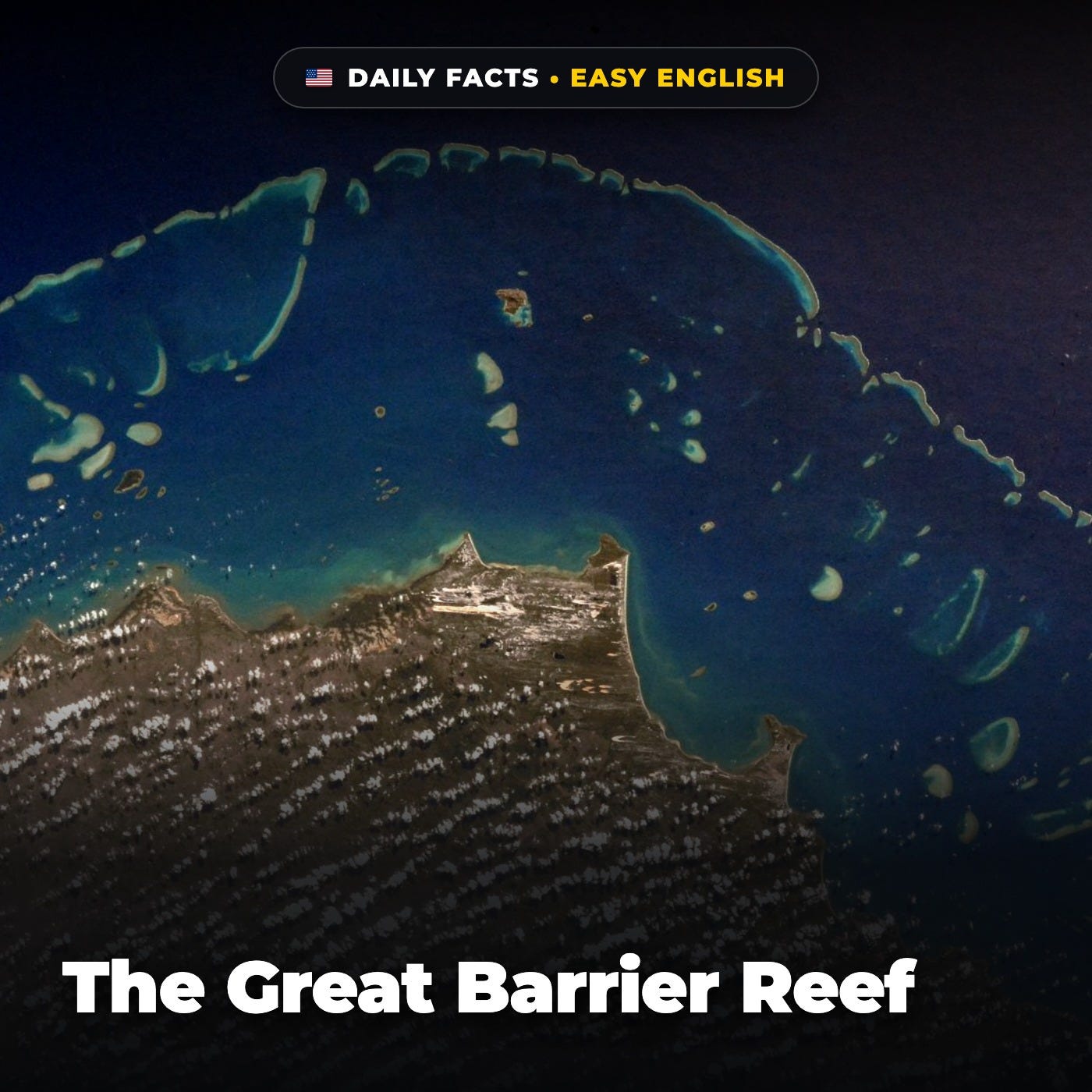
The Great Barrier Reef is the world's largest coral reef system, composed of over 2,900 individual reefs and 900 islands stretching for over 2,300 kilometres (1,400 mi) over an area of approximately 344,400 square kilometres (133,000 mi2). The reef is located in the Coral Sea, off the coast of Queensland, Australia.
It is separated from the coast by a channel 160 kilometres (100 mi) wide in places and over 61 metres (200 ft) deep. The Great Barrier Reef can be seen from outer space and is the world's biggest single structure made by living organisms.
the reef (a long ridge of coral, rock, or sand just below the surface of the sea)the coral (a hard, colorful marine structure built by colonies of tiny sea animals)the water (the clear liquid that falls as rain and fills rivers, lakes, and oceans)
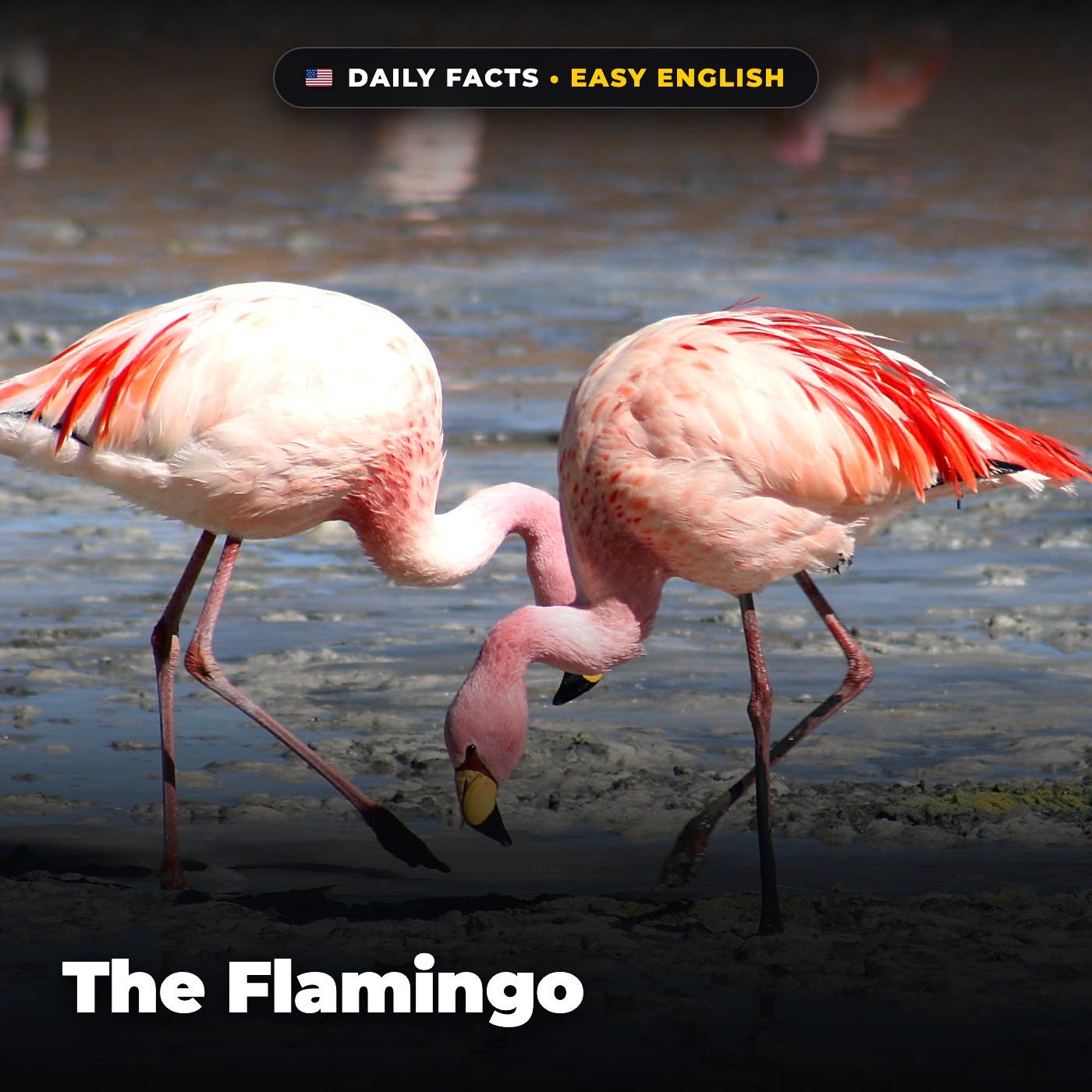
Flamingos or flamingoes are a type of wading bird in the family Phoenicopteridae, which is the only extant family in the order Phoenicopteriformes. There are four flamingo species distributed throughout the Americas, and two species native to Afro-Eurasia.
In this episode, we break down the most important facts and stories about The Flamingo using clear, beginner-friendly A1
Practice everyday beginner vocabulary through real-world examples.the bird (an animal with feathers, two wings, and a beak that lays eggs)the water (the clear liquid that falls as rain and fills rivers, lakes, and oceans)
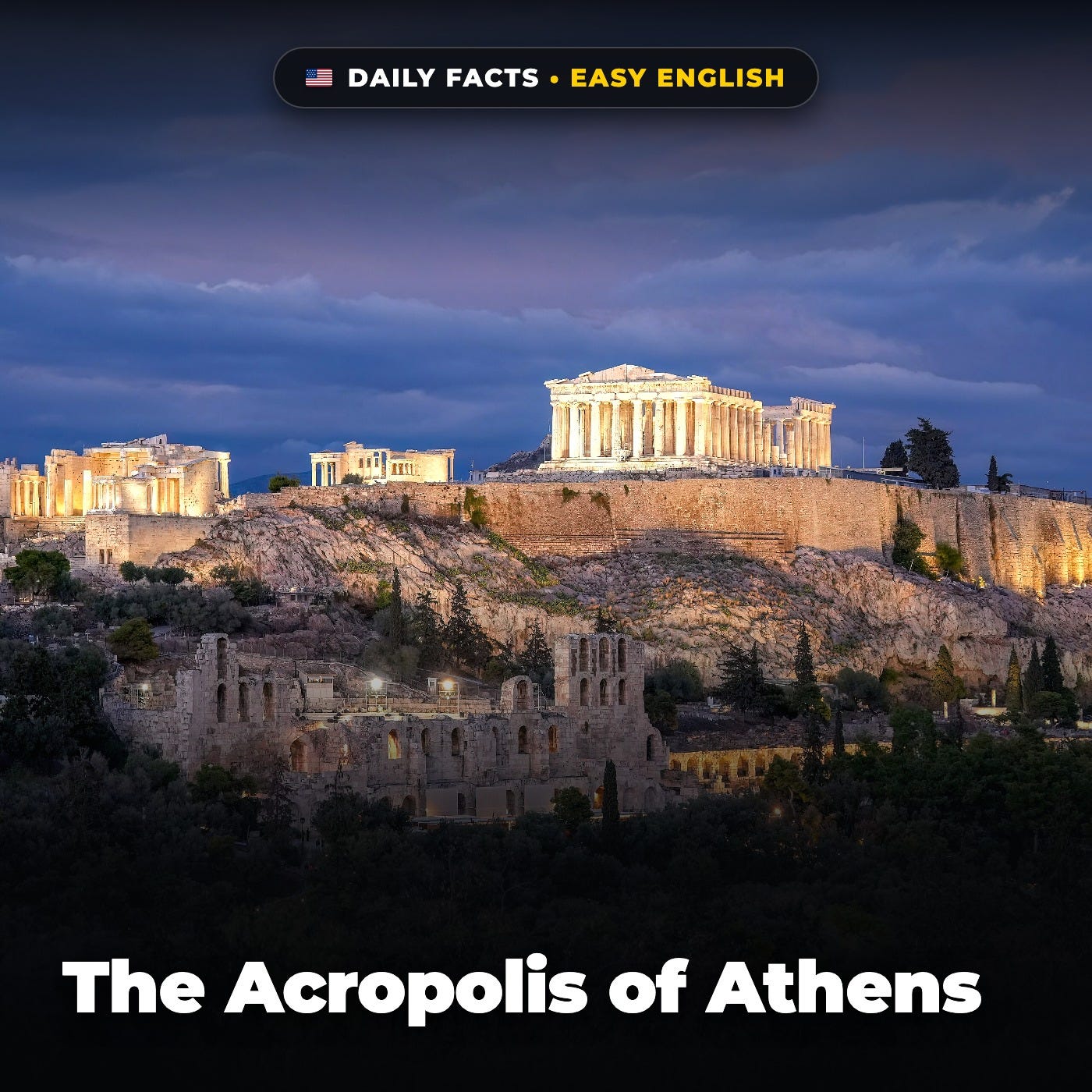
The Acropolis of Athens is an ancient citadel located on a rocky outcrop above the city of Athens, Greece, and contains the remains of several ancient buildings of great architectural and historical significance, the most famous being the Parthenon. The word Acropolis is from Greek ἄκρον (akron) 'highest point, extremity' and πόλις (polis) 'city'.
The term acropolis is generic and there are many other acropoleis in Greece. During ancient times the Acropolis of Athens was also more properly known as Cecropia (Κεκροπία), after the legendary serpent-man Cecrops, the supposed first Athenian king.
the rock (the hard mineral material that forms mountains and the Earth’s crust)the stone (a hard solid mineral material, or a piece of rock)the building (a structure with walls and a roof, such as a house, temple, or palace)
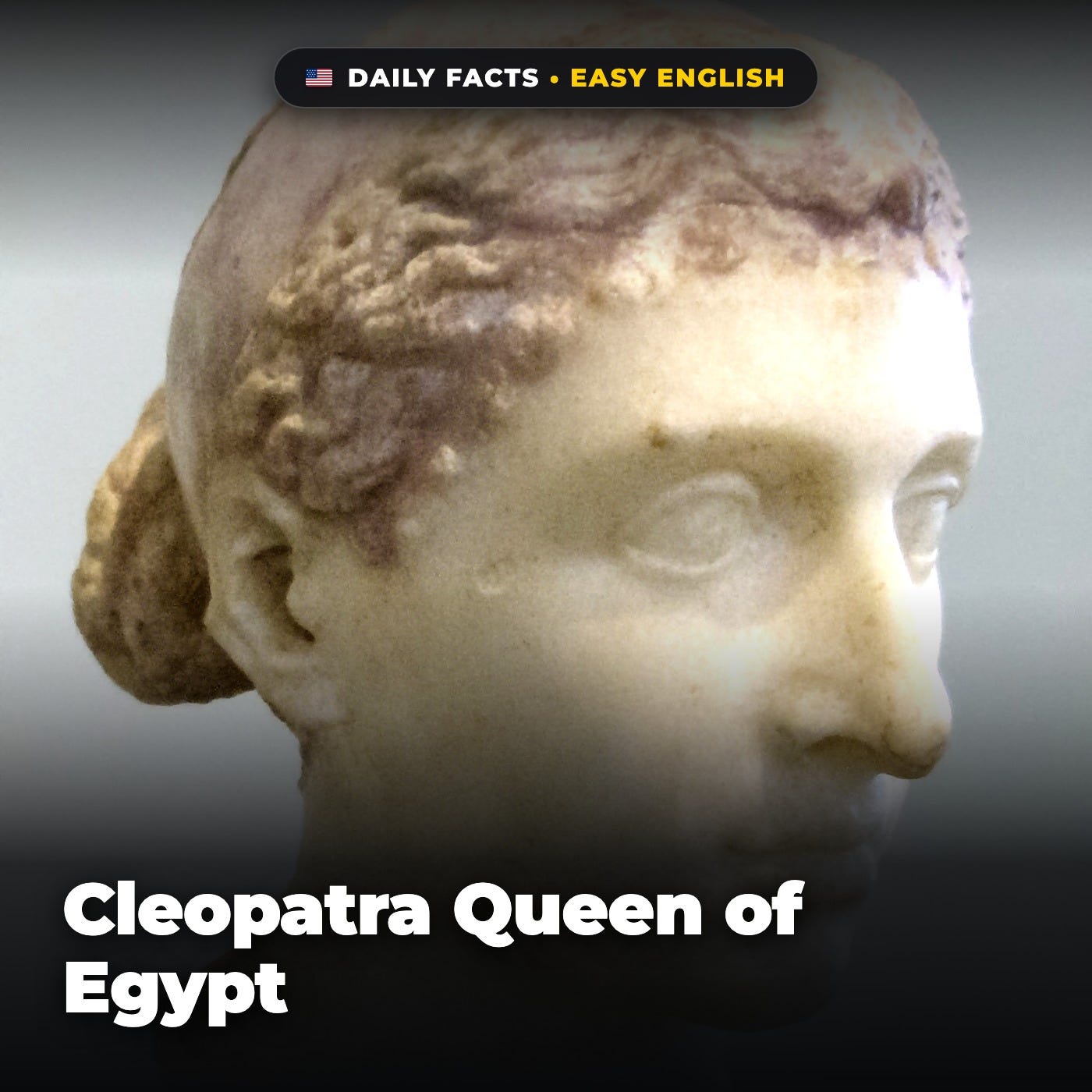
Cleopatra VII Thea Philopator was Queen of the Ptolemaic Kingdom of Egypt from 51 to 30 BC, and the last active Hellenistic pharaoh. A member of the Ptolemaic dynasty, she was a descendant of its founder, Ptolemy I Soter, a Macedonian Greek general and companion of Alexander the Great.
Cleopatra's first language was Koine Greek, and she is the only Ptolemaic ruler known to have learned the Egyptian language, among several others. After her death, Egypt became a province of the Roman Empire, marking the end of the Hellenistic period, which had begun with the death of Alexander in 323 BC.
the family (a group of people who are related to each other, such as parents and children)the friend (a person you know well and like spending time with)the fight (a physical struggle or battle between two people, animals, or armies)
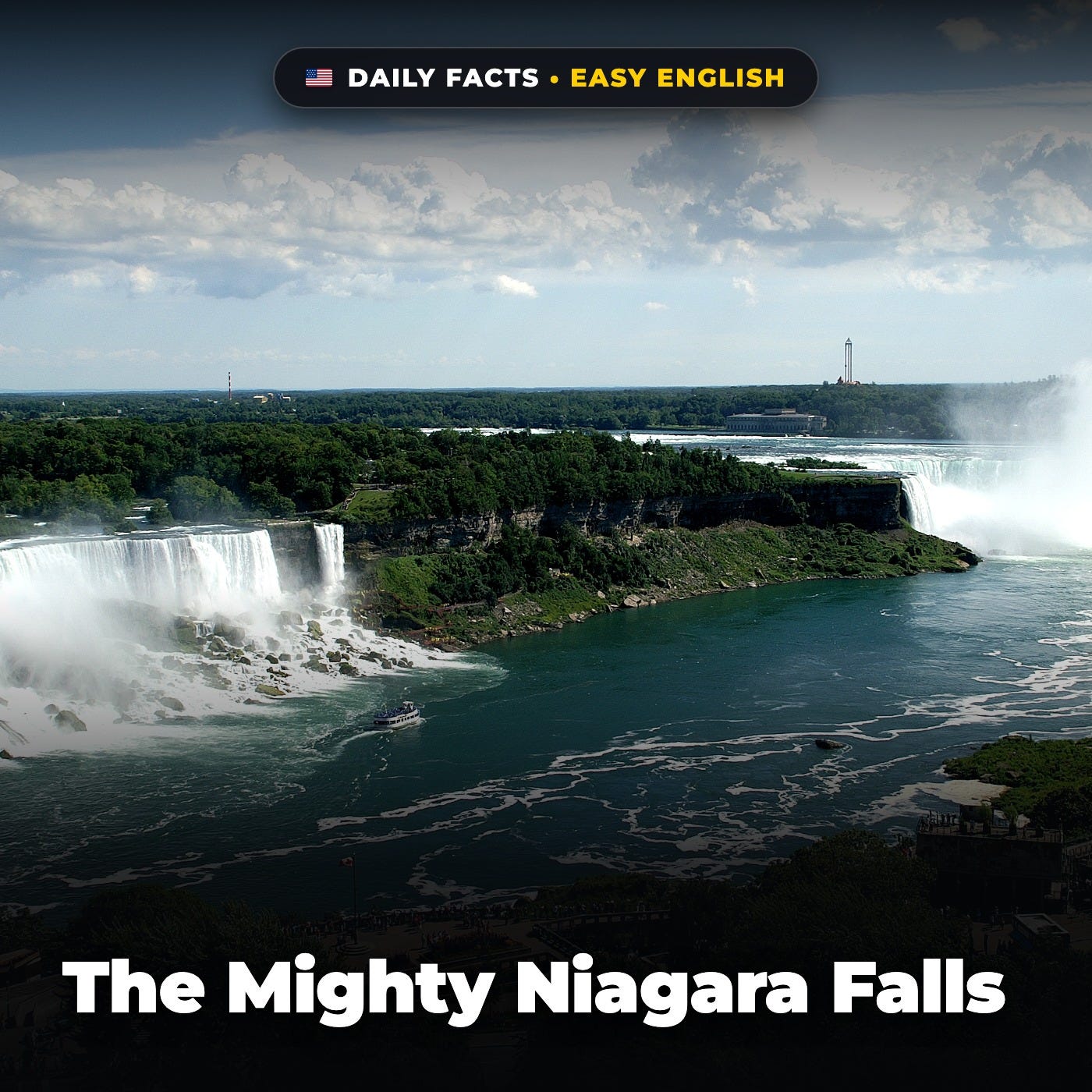
Niagara Falls is a group of three waterfalls at the southern end of Niagara Gorge, spanning the border between the Canadian province of Ontario and the U.S. state of New York.
The largest of the three is Horseshoe Falls, which straddles the international border of the two countries. It is also known as the Canadian Falls.
the water (the clear liquid that falls as rain and fills rivers, lakes, and oceans)the river (a large natural stream of fresh water flowing to the sea or a lake)the boat (a small vehicle used for traveling on water)
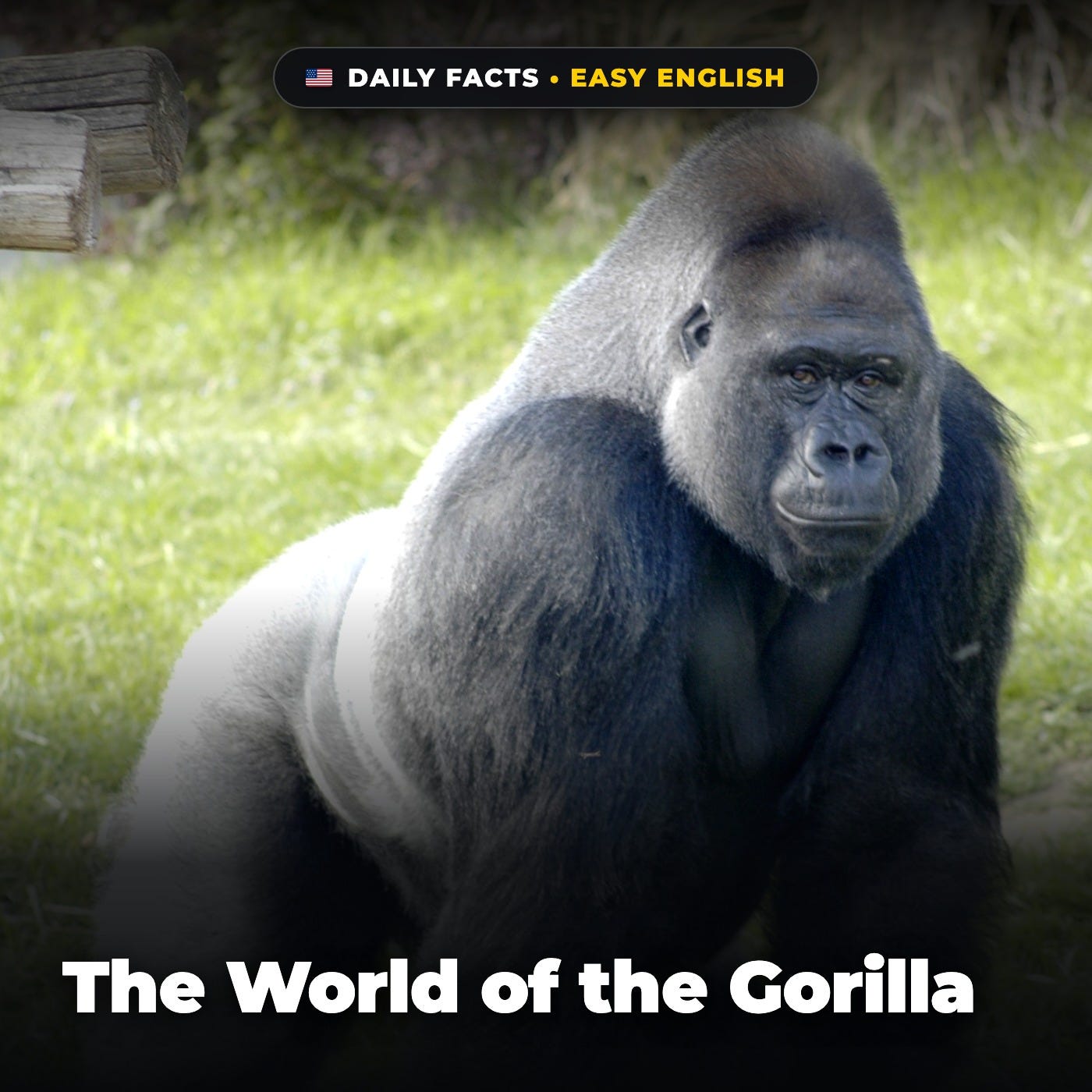
Gorillas are large, primarily herbivorous, great apes that live in the tropical forests of equatorial Africa. The genus Gorilla is divided into two species: the eastern gorilla and the western gorilla, and either four or five subspecies.
The DNA of gorillas is highly similar to that of humans, from 96 to 99% depending on what is included, and they are the next closest living relatives to humans after the bonobos and chimpanzees.
the gorilla (the largest living primate, a powerful plant-eating ape native to African forests)the forest (a large area of land covered with many trees)the family (a group of people who are related to each other, such as parents and children)
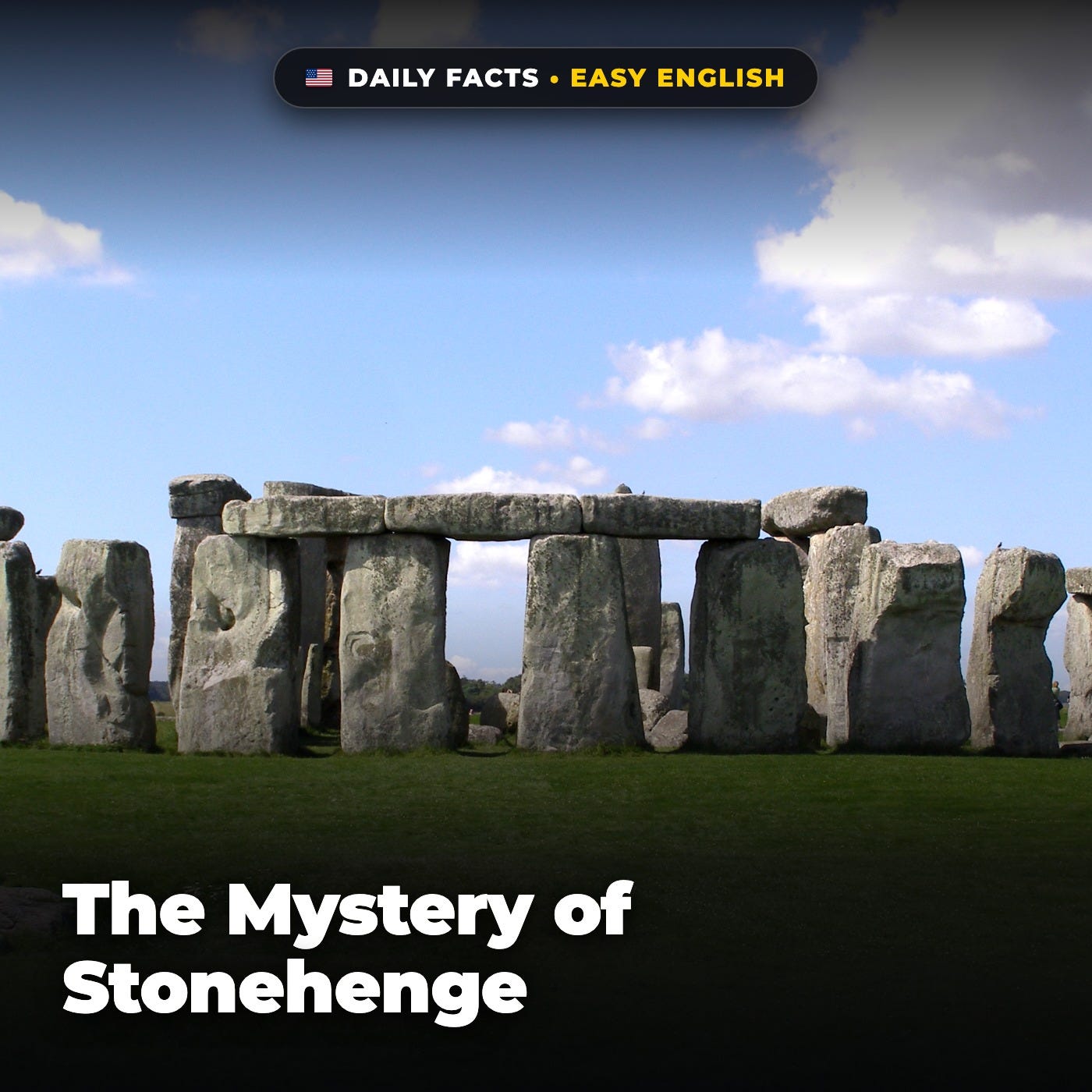
Stonehenge is a prehistoric megalithic structure on Salisbury Plain in Wiltshire, England, two miles (3 km) west of Amesbury. It consists of an outer ring of vertical sarsen standing stones, each around 13 feet (4.0 m) high, seven feet (2.1 m) wide, and weighing around 25 tons, topped by connecting horizontal lintel stones which are held in place with mortise and tenon joints—a feature unique among contemporary monuments.
Inside is a ring of smaller bluestones. Inside these are free-standing trilithons: two bulkier vertical sarsens joined by a single lintel.
the rock (the hard mineral material that forms mountains and the Earth’s crust)the stone (a hard solid mineral material, or a piece of rock)the sun (the bright star at the center of our solar system that gives Earth light and heat)
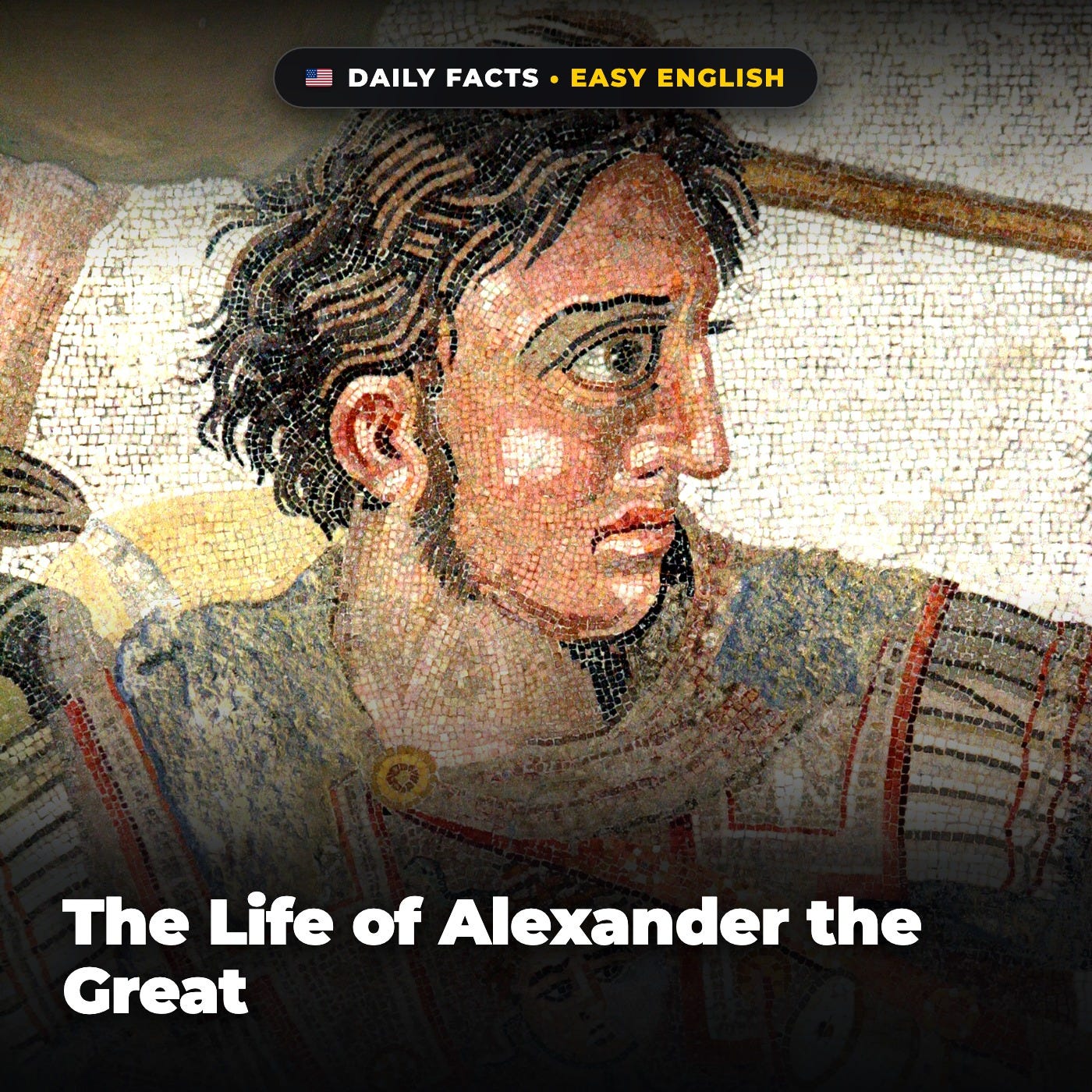
Alexander III of Macedon, most commonly known as Alexander the Great, was king of the ancient Greek kingdom of Macedon from 336 BC until his death. He was the son of Philip II, born to him by his fourth wife, Olympias, and ascended to the throne at the age of 20 after Philip was assassinated.
Alexander spent most of his reign conducting a lengthy military campaign throughout Asia and Egypt, and by the age of 30, he had created one of the largest empires in history, stretching from Greece to northwestern India. He was undefeated in battle and is widely considered to be one of history's greatest and most successful military commanders.
the king (a male ruler of a royal country)the horse (a hoofed mammal, Equus ferus caballus, often used throughout history for riding and draft work)the soldier (a person who serves in an army)
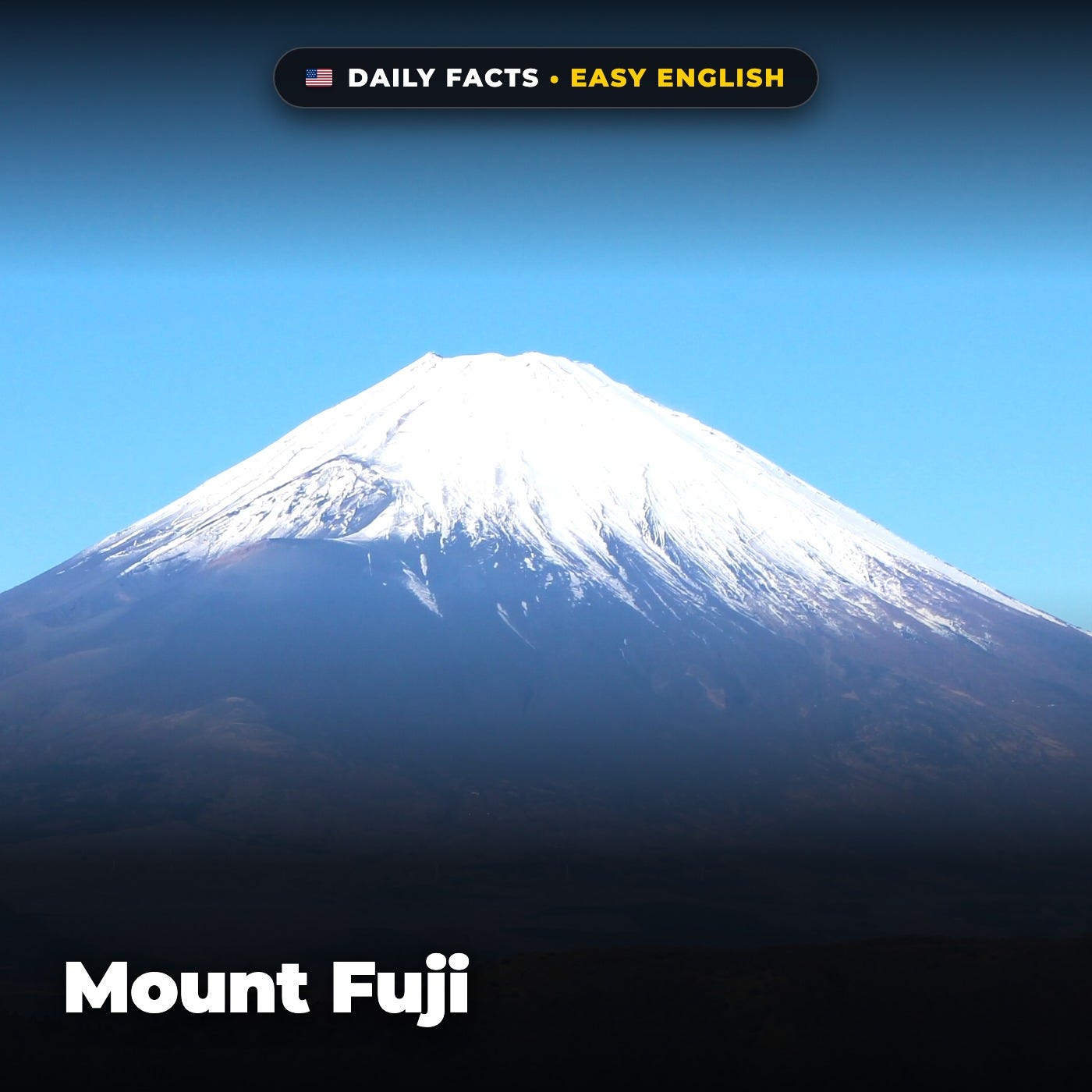
Mount Fuji is an active stratovolcano located on the Japanese island of Honshu, with a summit elevation of 3,776.24 m. It is the highest mountain in Japan, the second-highest volcano on any Asian island, and the seventh-highest peak of an island on Earth.
Mount Fuji last erupted from 1707 to 1708.
the mountain (a very high hill, often with steep rocky sides)the fire (the hot, bright flames produced when something burns)the rock (the hard mineral material that forms mountains and the Earth’s crust)
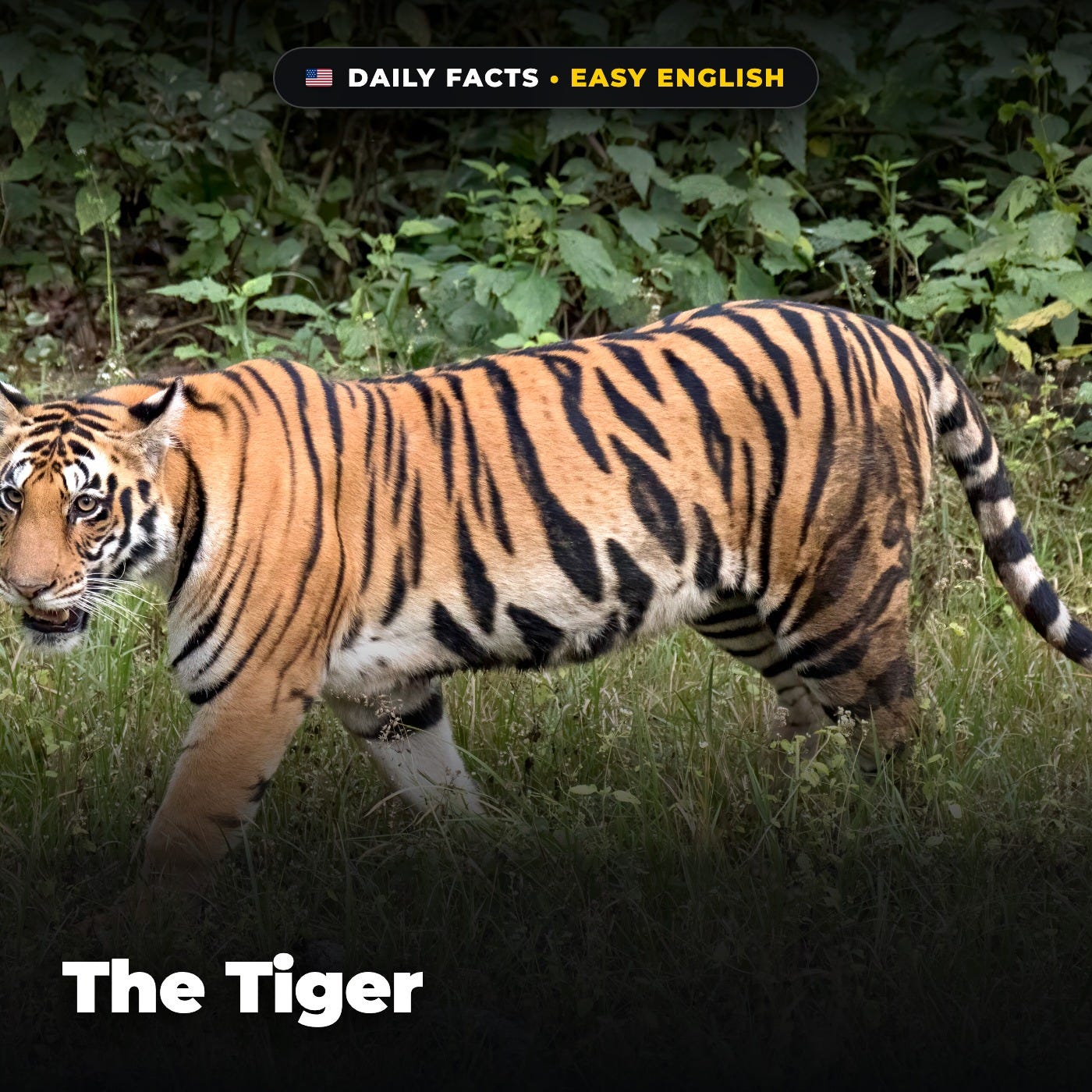
The tiger is a large cat and a member of the genus Panthera native to Asia. It has a powerful, muscular body with a large head and paws, a long tail and orange fur that fades to white in parts, with black, mostly vertical stripes.
It is traditionally classified into nine subspecies, though some recognise only two subspecies, the mainland Asian tiger and the Sunda Islands tiger.
the tiger (the largest wild cat in the world, known for its orange fur with black stripes)the animal (a living creature that can move around and eats plants or other animals)the fur (the thick, soft hair that covers the body of many mammals)
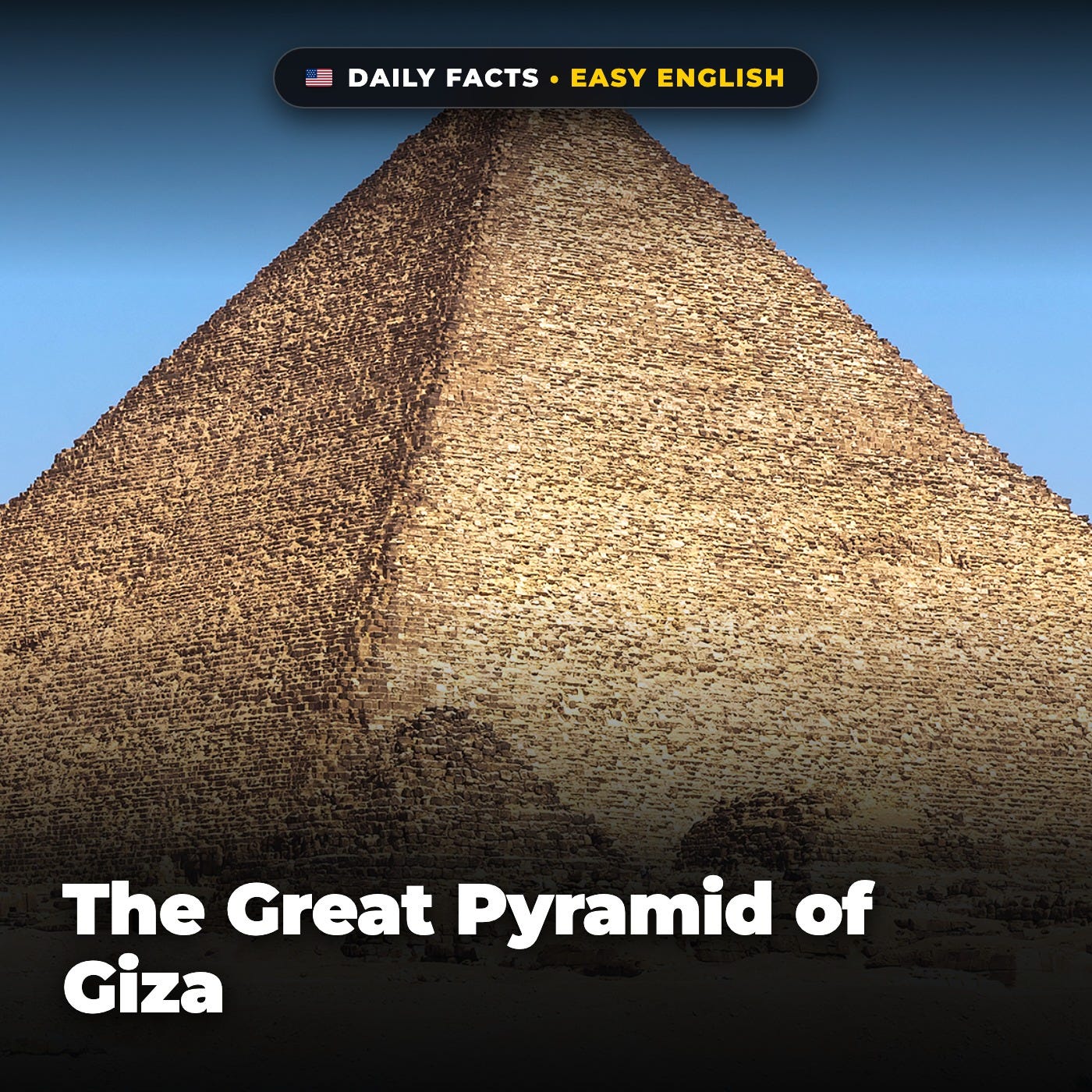
The Great Pyramid of Giza is the largest of the Egyptian pyramids and the most famous landmark of the Giza pyramid complex in Giza, Egypt. It is the oldest of the Seven Wonders of the Ancient World, and the only wonder that has remained largely intact.
The Great Pyramid served as the tomb of Egyptian Pharaoh Khufu ("Cheops"), who ruled during the Fourth Dynasty of the Old Kingdom. It was built c.
the stone (a hard solid mineral material, or a piece of rock)the worker (a person who does a job to earn money)the building (a structure with walls and a roof, such as a house, temple, or palace)
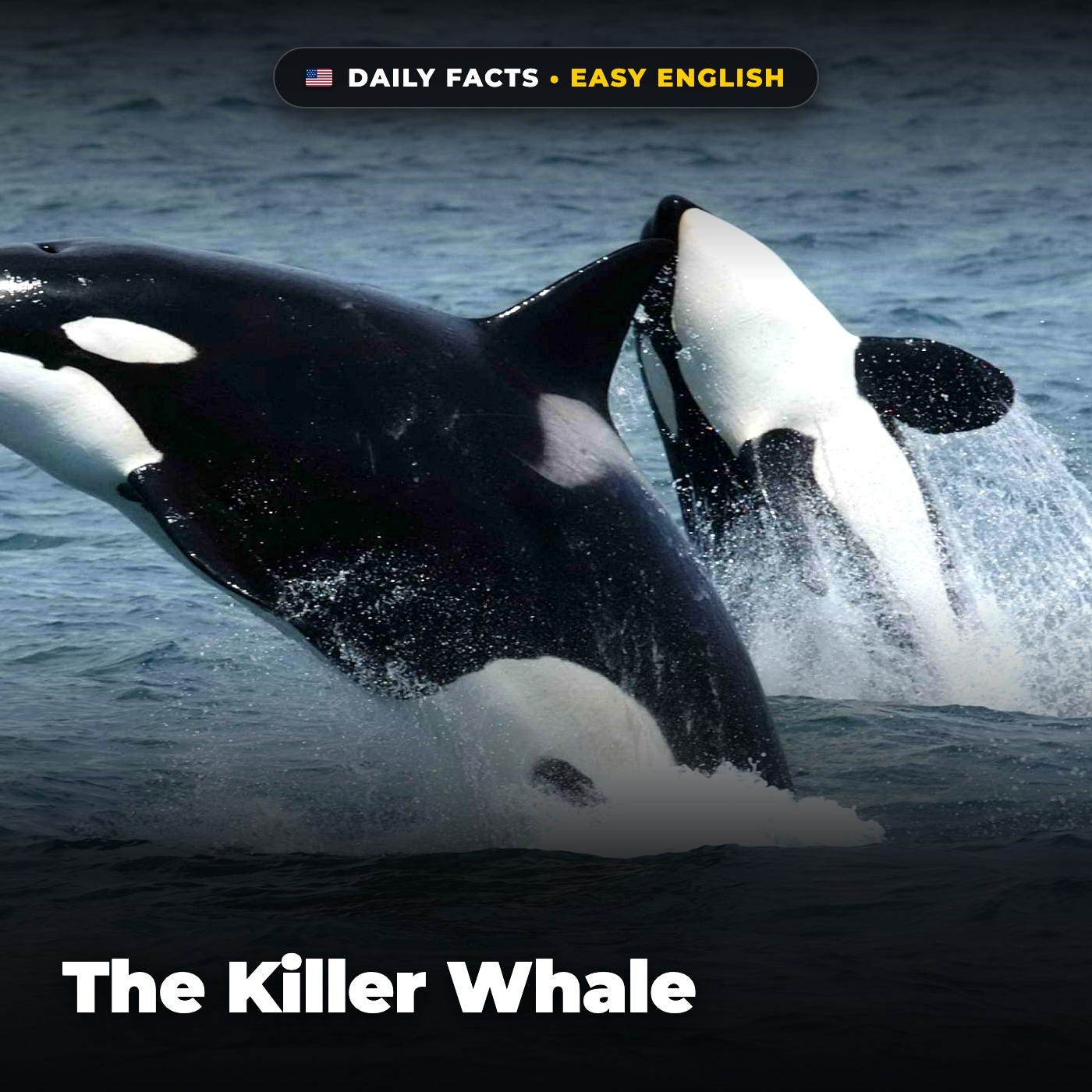
The orca, or killer whale, is a toothed whale and the largest member of the oceanic dolphin family. The only extant species in the genus Orcinus, it is recognizable by its distinct pigmentation, being mostly black on top, white on the bottom, and having recognizable white eye patches.
A cosmopolitan species, it inhabits a wide range of marine environments, from Arctic to Antarctic regions to tropical seas, but is more commonly documented in temperate or cooler coastal waters. Scientists have proposed dividing the global population into races, subspecies, or possibly even species.
the orca (the largest member of the dolphin family, also called a killer whale, with black-and-white markings)the family (a group of people who are related to each other, such as parents and children)the shark (a large ocean fish with sharp teeth and a skeleton made of cartilage)
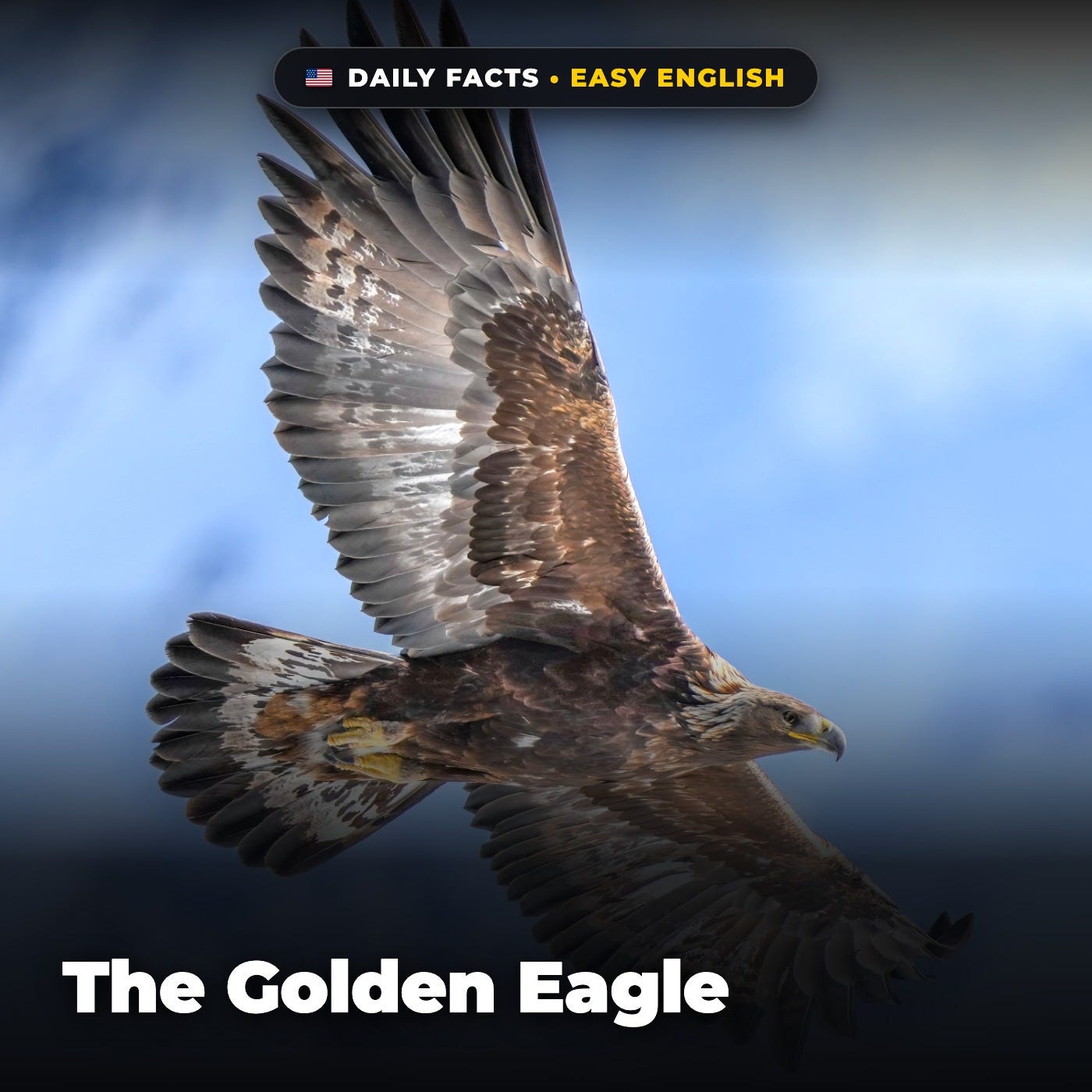
The golden eagle is a bird of prey living in the Northern Hemisphere. It is the most widely distributed species of eagle.
Like all eagles, it belongs to the family Accipitridae. They are one of the best-known birds of prey in the Northern Hemisphere.
the eagle (a large, strong bird of prey with sharp eyesight and a curved beak)the bird (an animal with feathers, two wings, and a beak that lays eggs)the machine (a piece of equipment with moving parts that does work)
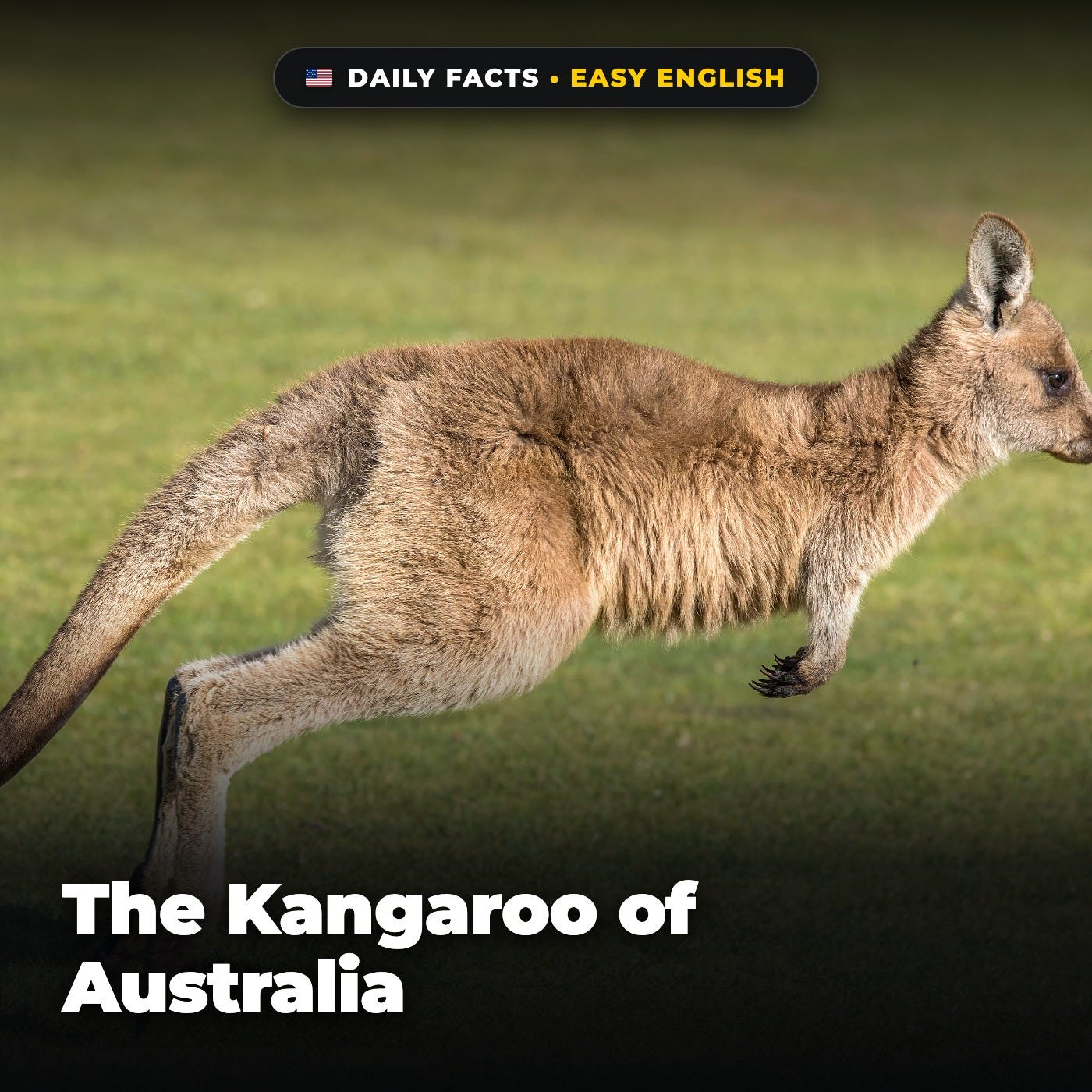
Kangaroos are marsupials from the subfamily Macropodinae. In common use, the term is used to describe the largest species from this family, the red kangaroo, as well as the antilopine kangaroo, eastern grey kangaroo, and western grey kangaroo.
Kangaroos are indigenous to Australia and New Guinea. The Australian government estimated that 42.8 million kangaroos lived within the commercial harvest areas of Australia in 2019, down from 53.2 million in 2013.
the tail (the long part extending from the back end of an animal’s body)the animal (a living creature that can move around and eats plants or other animals)the mother (a female parent)
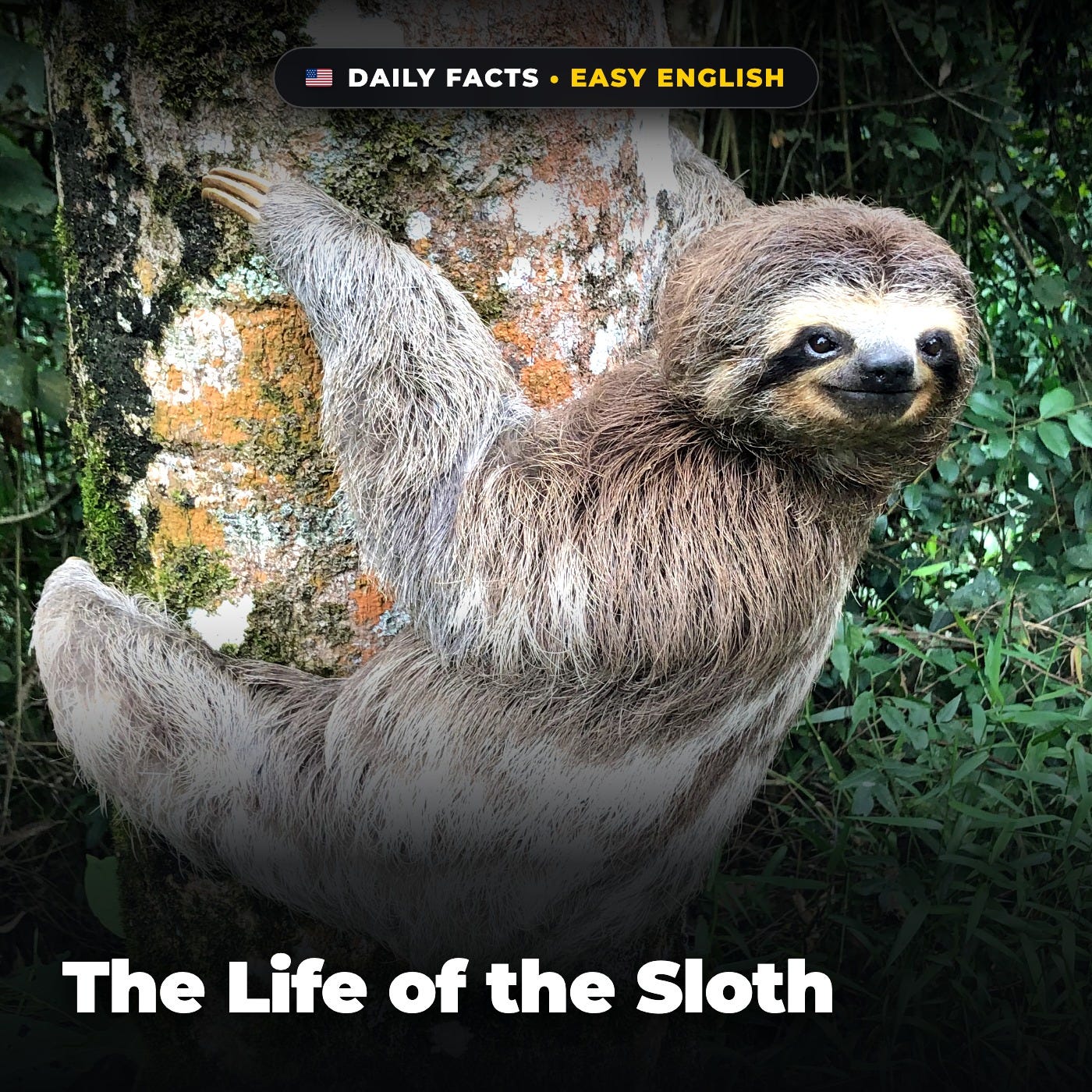
Sloths are a Neotropical group of xenarthran mammals constituting the suborder Folivora, including the extant arboreal tree sloths and extinct terrestrial ground sloths. Noted for their slowness of movement, tree sloths spend most of their lives hanging upside down in the trees of the tropical rainforests of South America and Central America.
Sloths are considered to be most closely related to anteaters, together making up the xenarthran order Pilosa.
the animal (a living creature that can move around and eats plants or other animals)the tree (a tall plant with a wooden trunk, branches, and leaves)the plant (a living thing that grows in the earth and has leaves, stems, and roots)
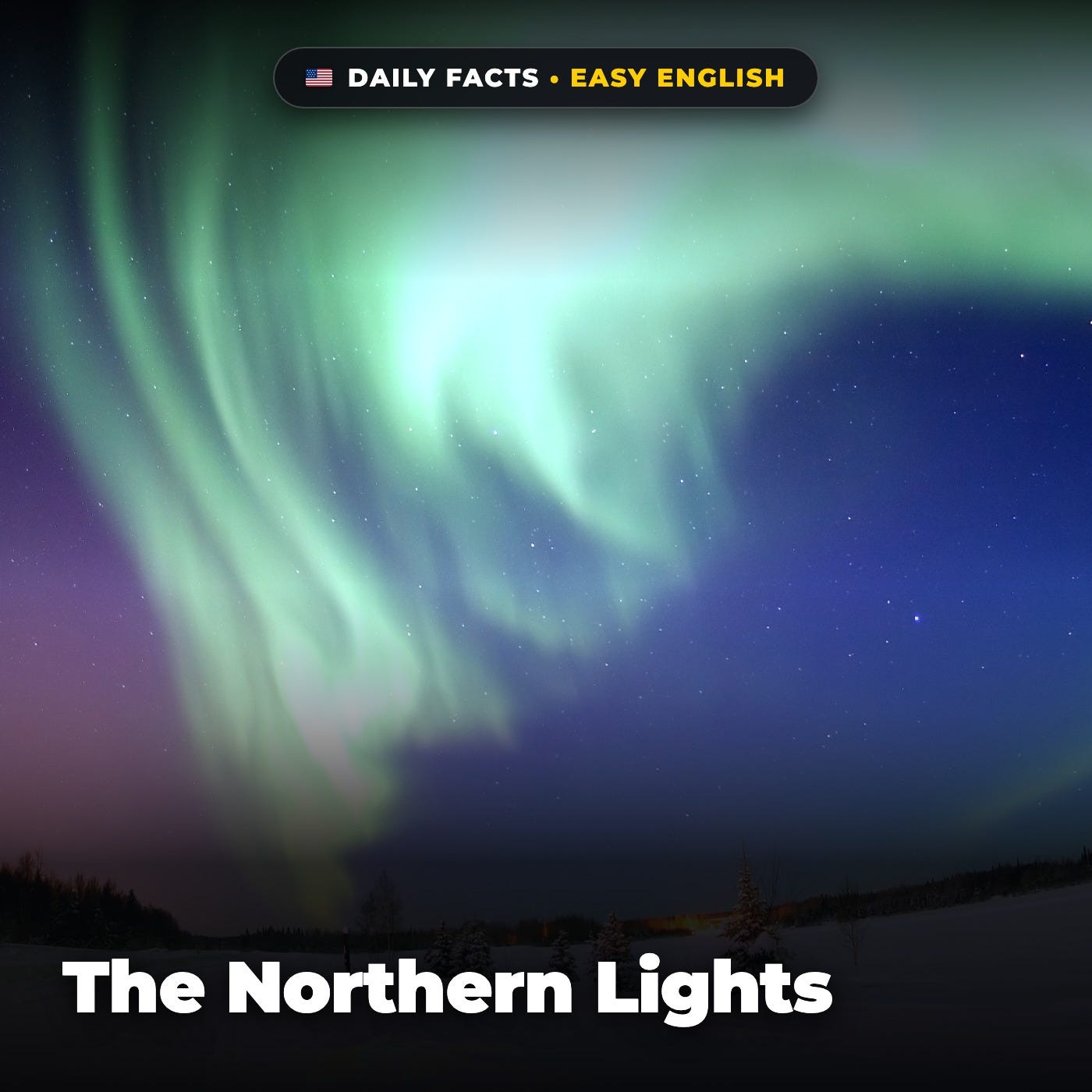
An aurora is a natural light display in Earth's upper atmosphere caused by charged particles from the Sun colliding with atoms in the atmosphere. These collisions excite oxygen and nitrogen, which then emit light of different colours such as green, red, and purple.
When observed in high-latitude regions they are called polar lights and aurora polaris. In the Arctic they are called the northern lights or aurora borealis; in the Antarctic, the term southern lights or aurora australis is used.
the wind (air moving naturally across the surface of the Earth)the sky (the space above the Earth where we see the sun, moon, clouds, and stars)the earth (the planet we live on, or the soil and ground under our feet)
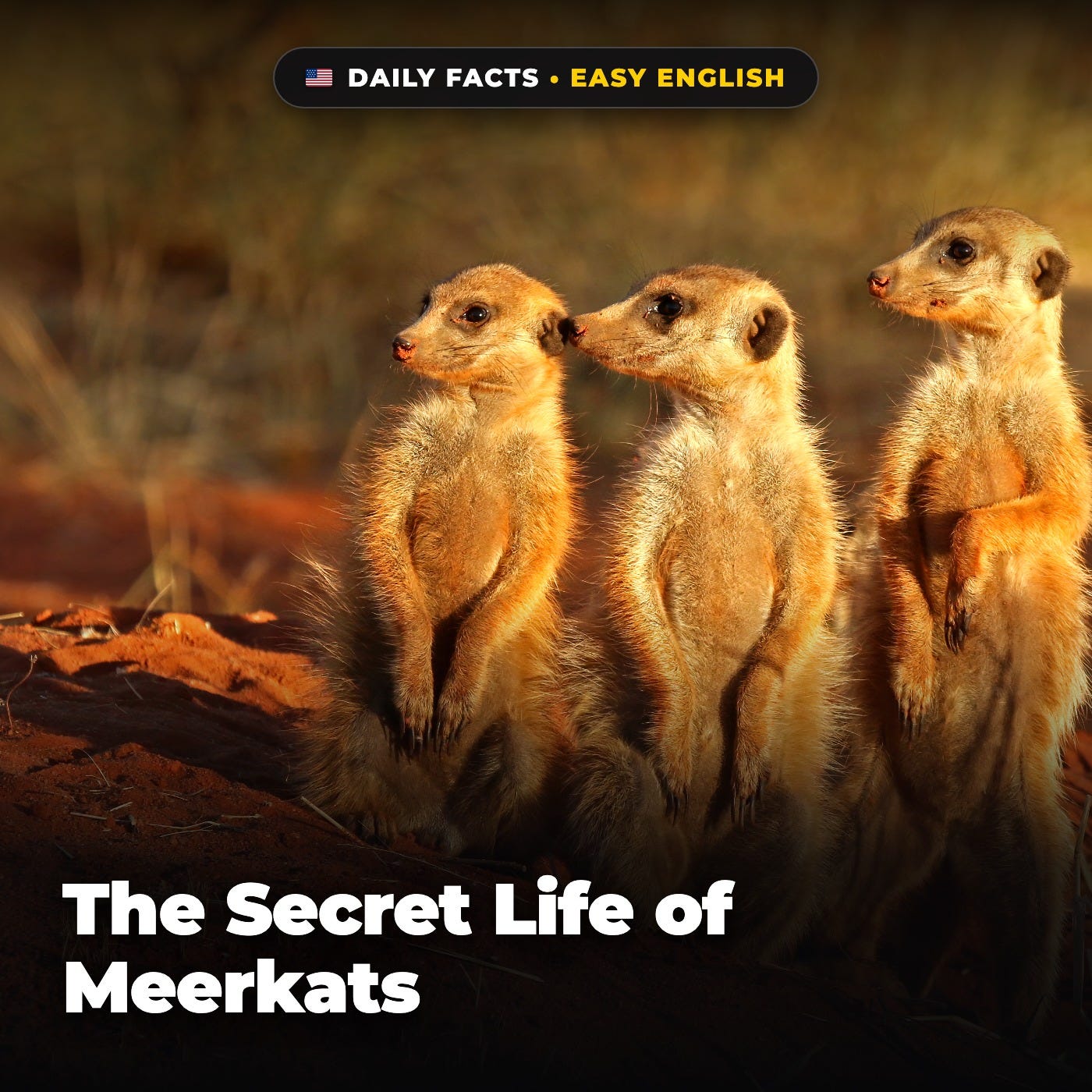
The meerkat or suricate is a small mongoose found in southern Africa. It is characterised by a broad head, large eyes, a pointed snout, long legs, a thin tapering tail, and a brindled coat pattern.
The head-and-body length is around 24–35 cm (9.4–13.8 in), and the weight is typically between 0.62 and 0.97 kg. The coat is light grey to yellowish-brown with alternate, poorly defined light and dark bands on the back.
the meerkat (a small African mammal in the mongoose family that stands upright on its back legs to watch for danger)the animal (a living creature that can move around and eats plants or other animals)the poison (a substance that can make people or animals very sick or kill them)
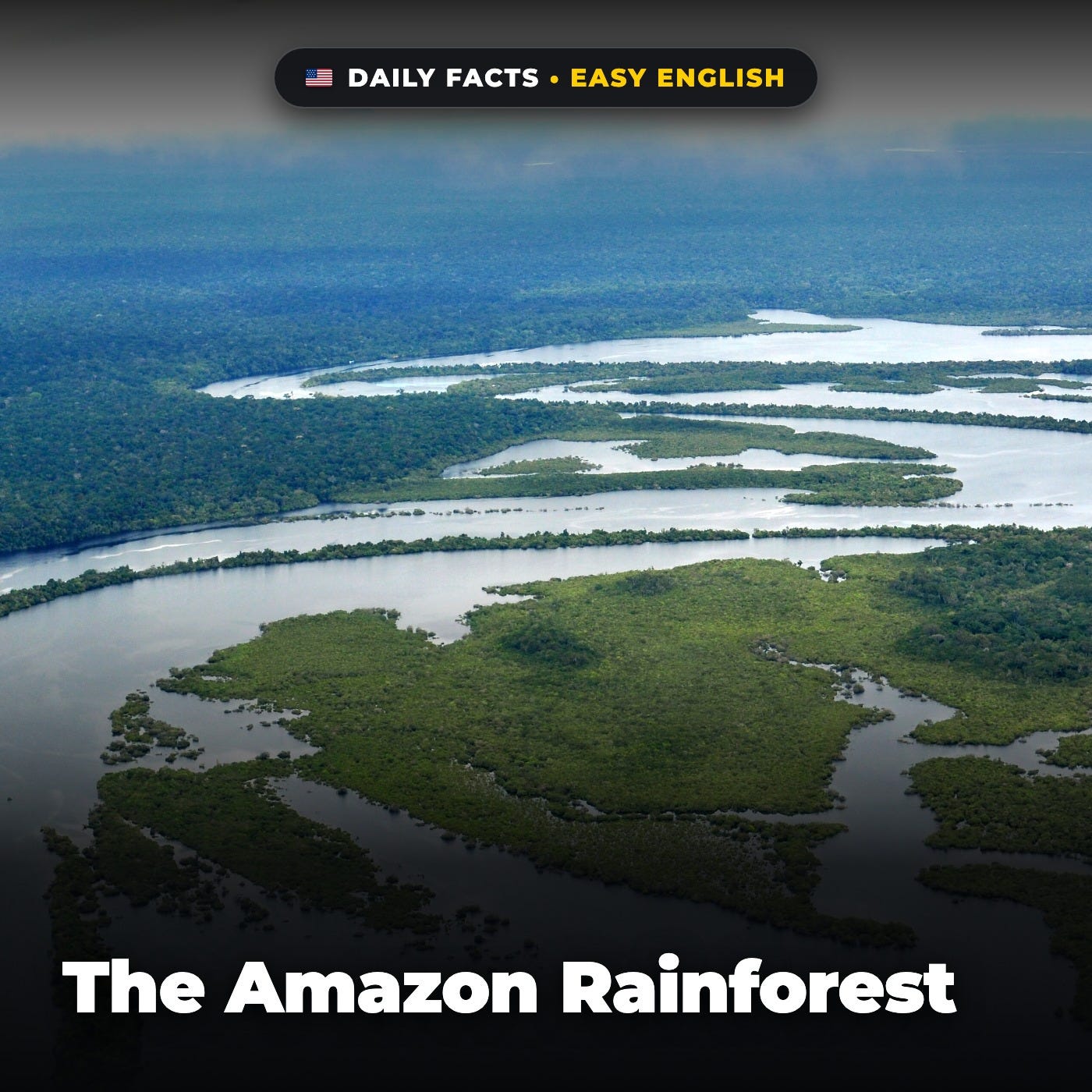
The Amazon rainforest, also called the Amazon jungle, Amazonia, or simply the Amazon, is a moist broadleaf tropical rainforest in the Amazon biome that covers most of the Amazon basin of South America. This basin encompasses 7 million km2 (2.7 million sq mi), of which 6 million km2 (2.3 million sq mi) are covered by the rainforest.
This region includes territory belonging to nine nations and 3,344 indigenous territories.
the forest (a large area of land covered with many trees)the tree (a tall plant with a wooden trunk, branches, and leaves)the rain (water falling in drops from clouds in the sky)
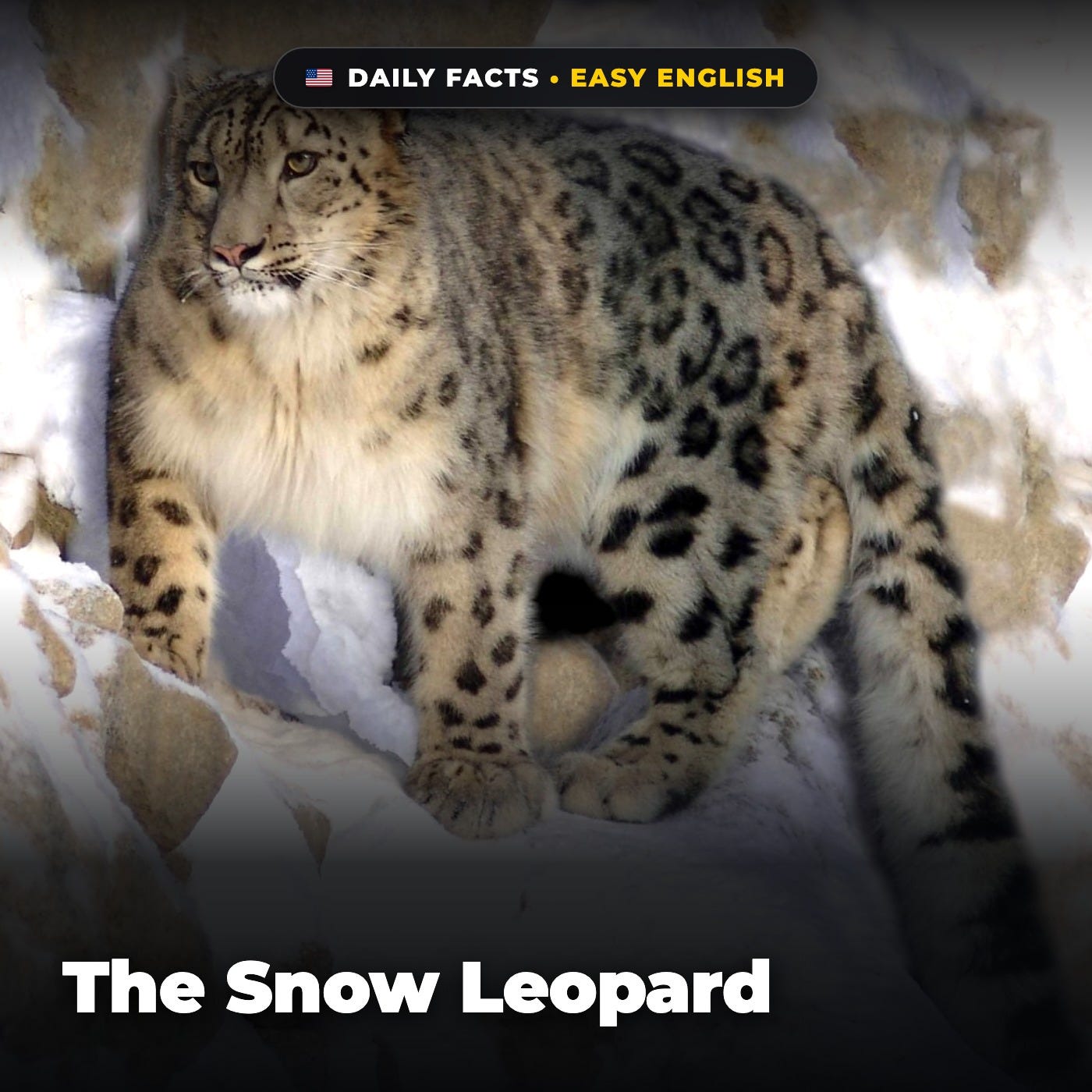
The snow leopard is a felid species in the genus Panthera. It has a thick whitish to grey fur with black spots on the head and neck, with larger rosettes on the back, flanks and bushy tail.
Males are larger than the females, and both sexes have long canine teeth. Its small rounded ears, broad paws, and thick tails are adaptations for living in cold, mountainous environments.
the mountain (a very high hill, often with steep rocky sides)the snow (soft white flakes of frozen water that fall from the sky in cold weather)the animal (a living creature that can move around and eats plants or other animals)
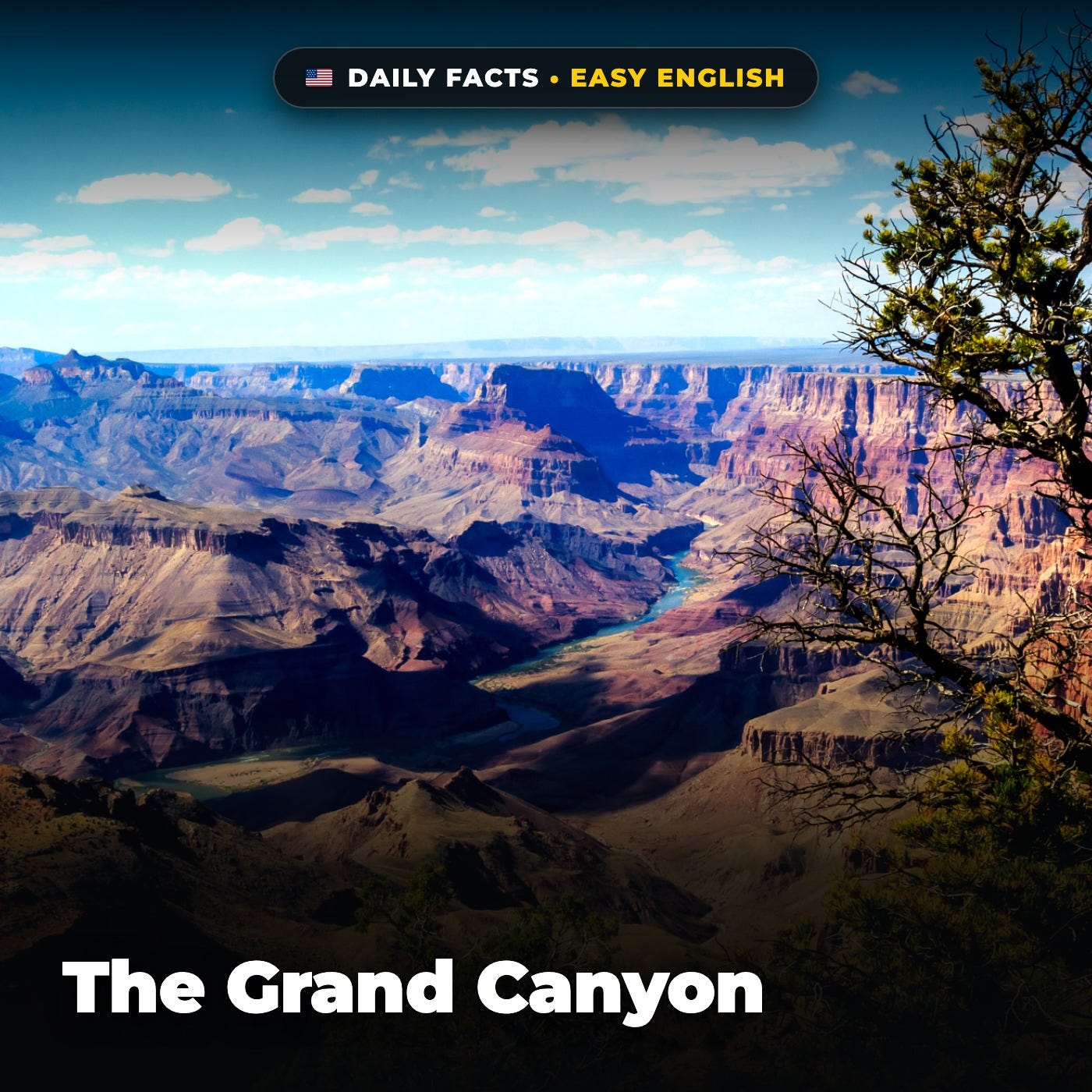
The Grand Canyon is a steep-sided canyon carved by the Colorado River in Arizona, United States. The Grand Canyon is 277 miles (446 km) long, up to 18 miles (29 km) wide and attains a depth of over a mile.
In this episode, we break down the most important facts and stories about The Grand Canyon using clear, beginner-friendly A1
Practice everyday beginner vocabulary through real-world examples.the water (the clear liquid that falls as rain and fills rivers, lakes, and oceans)the rock (the hard mineral material that forms mountains and the Earth’s crust)
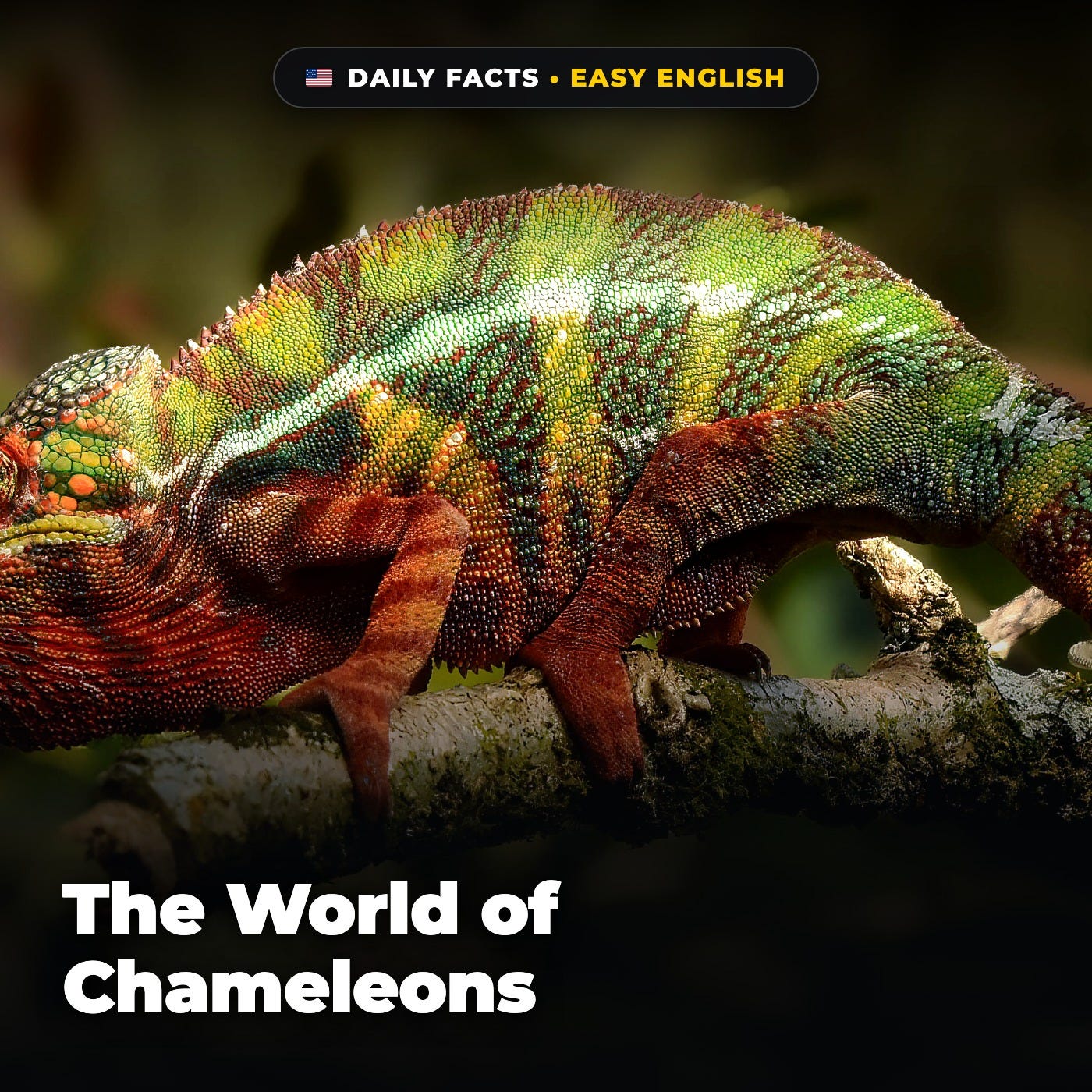
Chameleons are a distinctive and highly specialized clade of Old World lizards with 200 species described as of June 2015. The members of this family are best known for their distinct range of colours, being capable of colour-shifting camouflage.
The large number of species in the family exhibit considerable variability in their capacity to change colour. For some, it is more of a shift of brightness ; for others, a plethora of colour-combinations can be seen.
the eye (the organ in the head that people and animals use to see)the bug (a small insect or creeping creature)the tree (a tall plant with a wooden trunk, branches, and leaves)
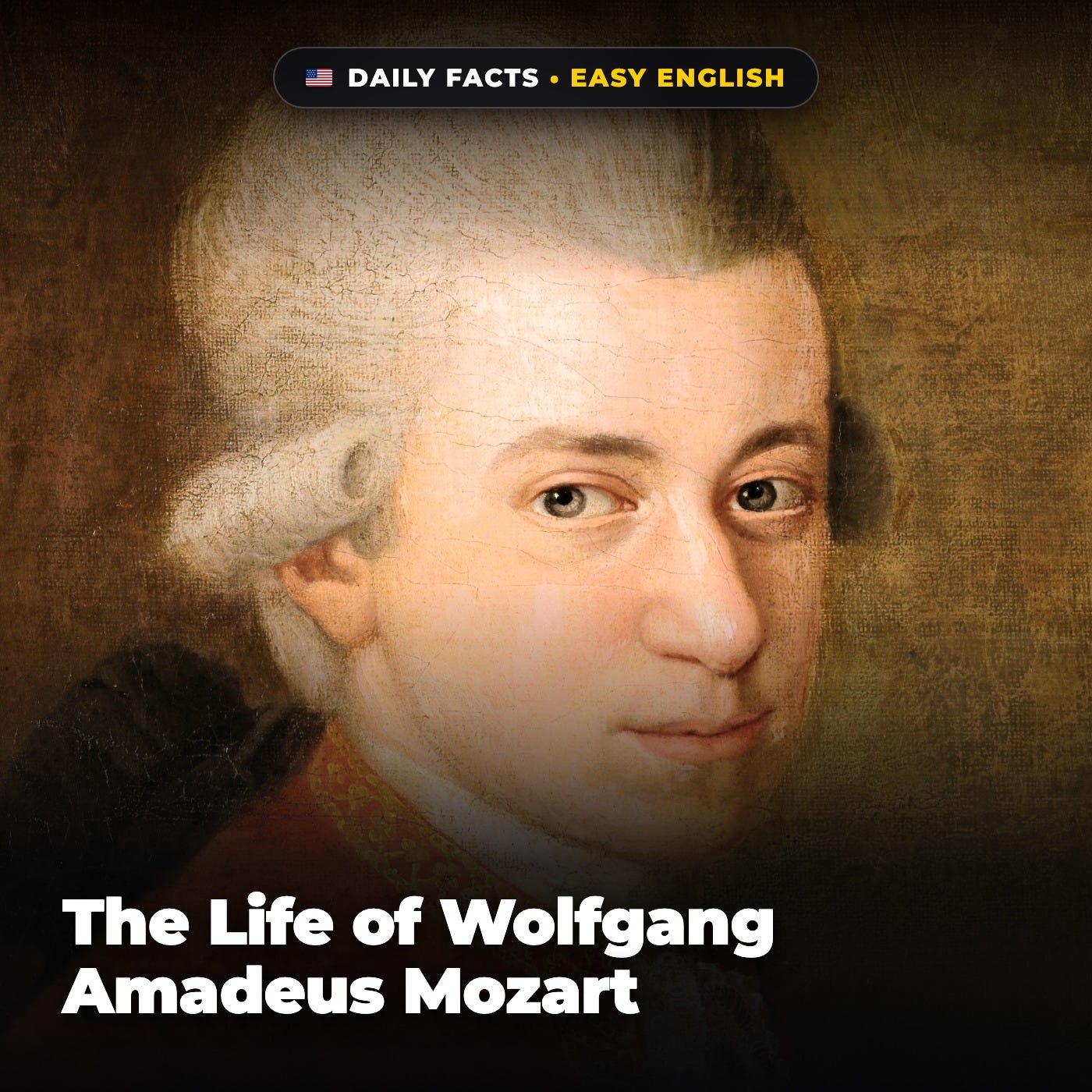
Wolfgang Amadeus Mozart was a Classical composer and musician. He completed more than 800 works in his life—including outstanding examples of most of the genres of his time: symphonies, concertos, chamber music, opera and choral music.
He is regarded as one of the greatest composers in the history of Western music.
the music (patterns of pleasant sounds made by instruments or singing)the city (a large and important town where many people live and work)the money (coins or paper notes used to buy things)
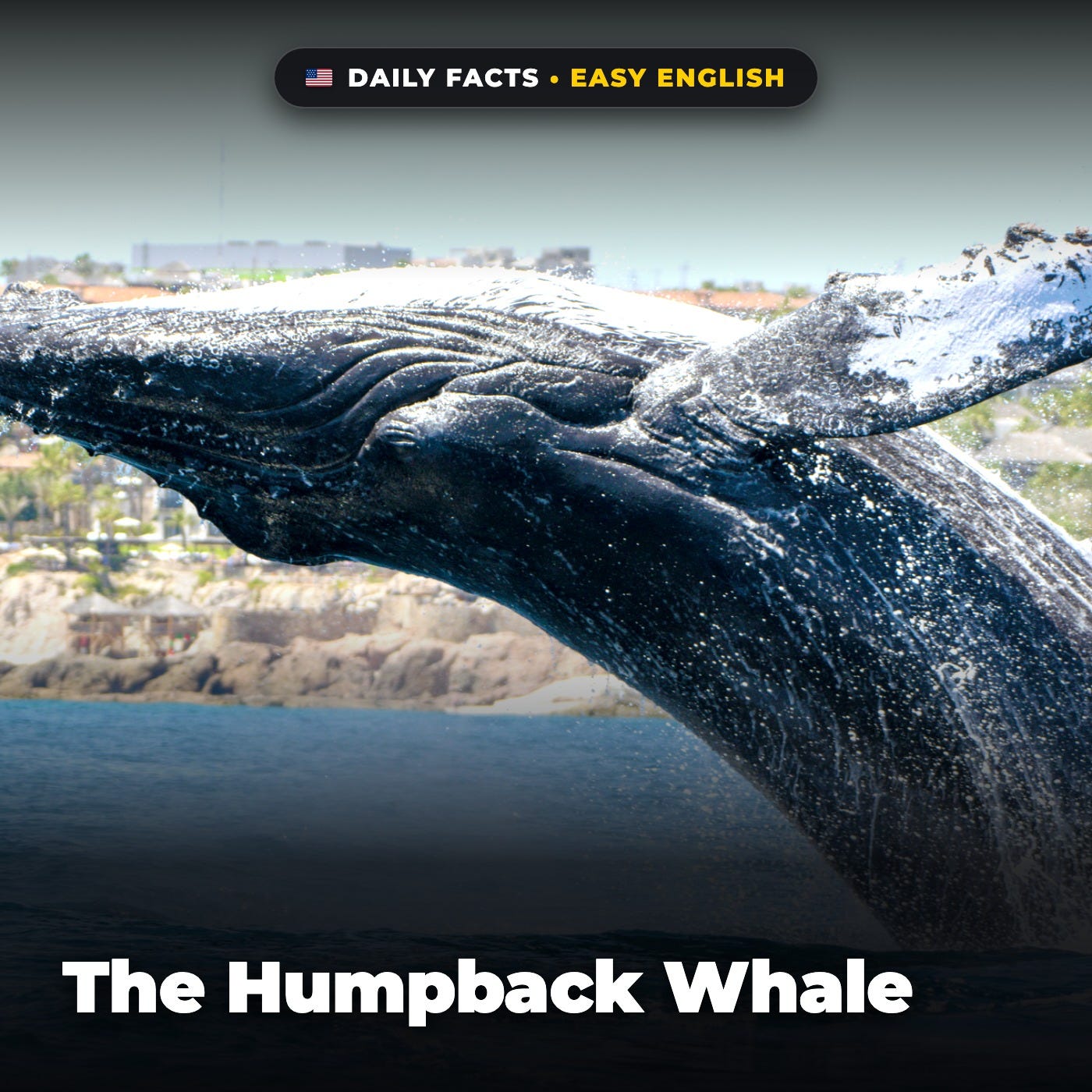
The humpback whale is a species of baleen whale. It is a rorqual and is the only species in the genus Megaptera.
Adults range in length from 14–17 m (46–56 ft) and weigh up to 40 metric tons. The humpback has a distinctive body shape, with long pectoral fins and tubercles on its head.
the whale (a giant ocean mammal that breathes air through a blowhole)the water (the clear liquid that falls as rain and fills rivers, lakes, and oceans)the ocean (one of the huge salt-water seas that cover most of the Earth)
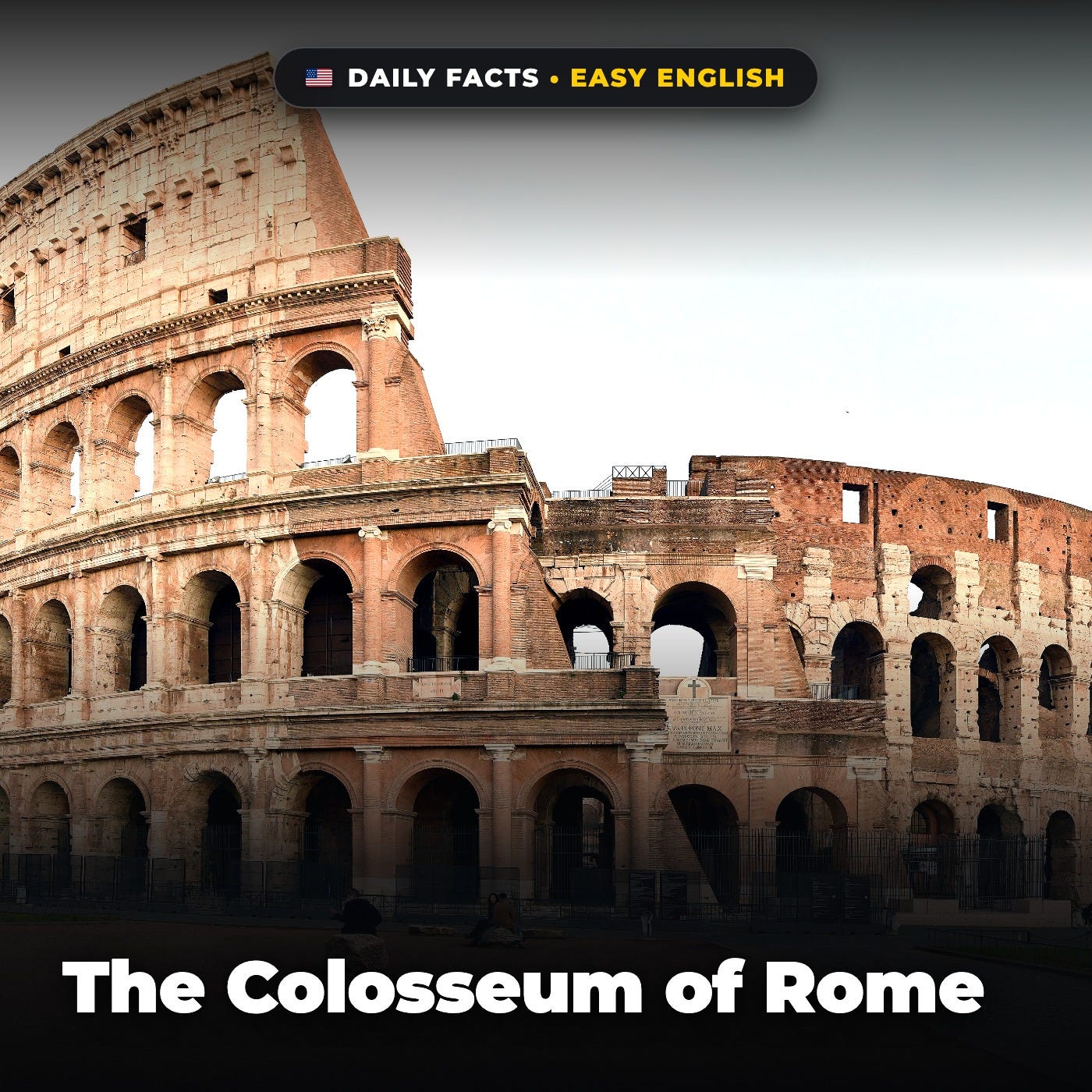
The Colosseum is an elliptical amphitheatre in the centre of the city of Rome, Italy, just east of the Roman Forum. It is the largest ancient amphitheatre ever built, and is the largest standing amphitheatre in the world.
Construction began under the Emperor Vespasian in 72 and was completed in AD 80 under his successor and heir, Titus. Further modifications were made during the reign of Domitian.
the building (a structure with walls and a roof, such as a house, temple, or palace)the stone (a hard solid mineral material, or a piece of rock)the animal (a living creature that can move around and eats plants or other animals)
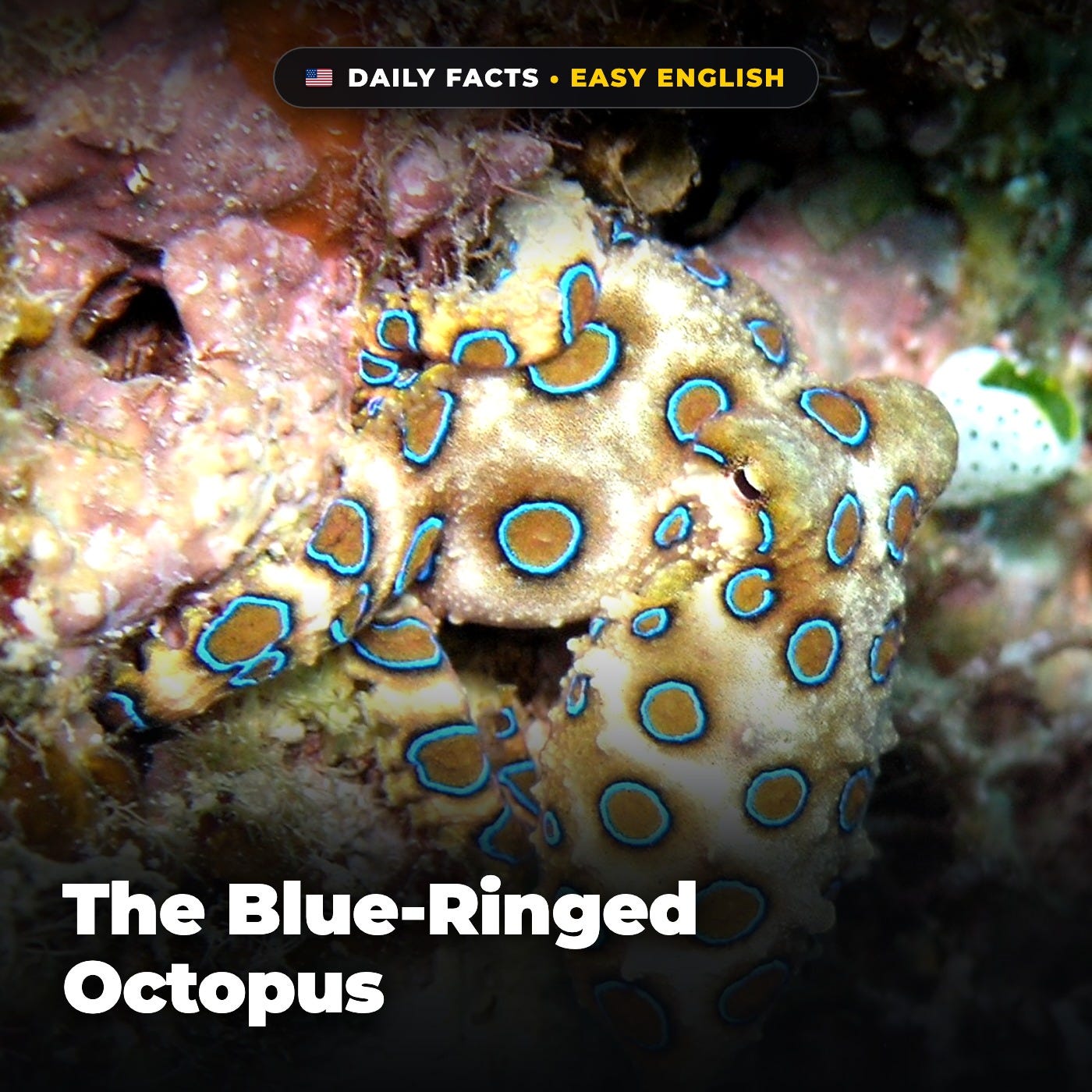
Blue-ringed octopuses, comprising the genus Hapalochlaena, are four extremely venomous species of octopus that can be found in shells between rocks and crevices in tide pools and also coral reefs in the Pacific and Indian Oceans, from Japan to Australia. They can be identified by their yellowish skin and characteristic blue and black rings that can change color dramatically when the animals are threatened.
They eat small crustaceans, including crabs, hermit crabs, shrimp, and other small sea animals.
the poison (a substance that can make people or animals very sick or kill them)the animal (a living creature that can move around and eats plants or other animals)the octopus (an intelligent sea creature with a soft round body and eight arms lined with suction cups)
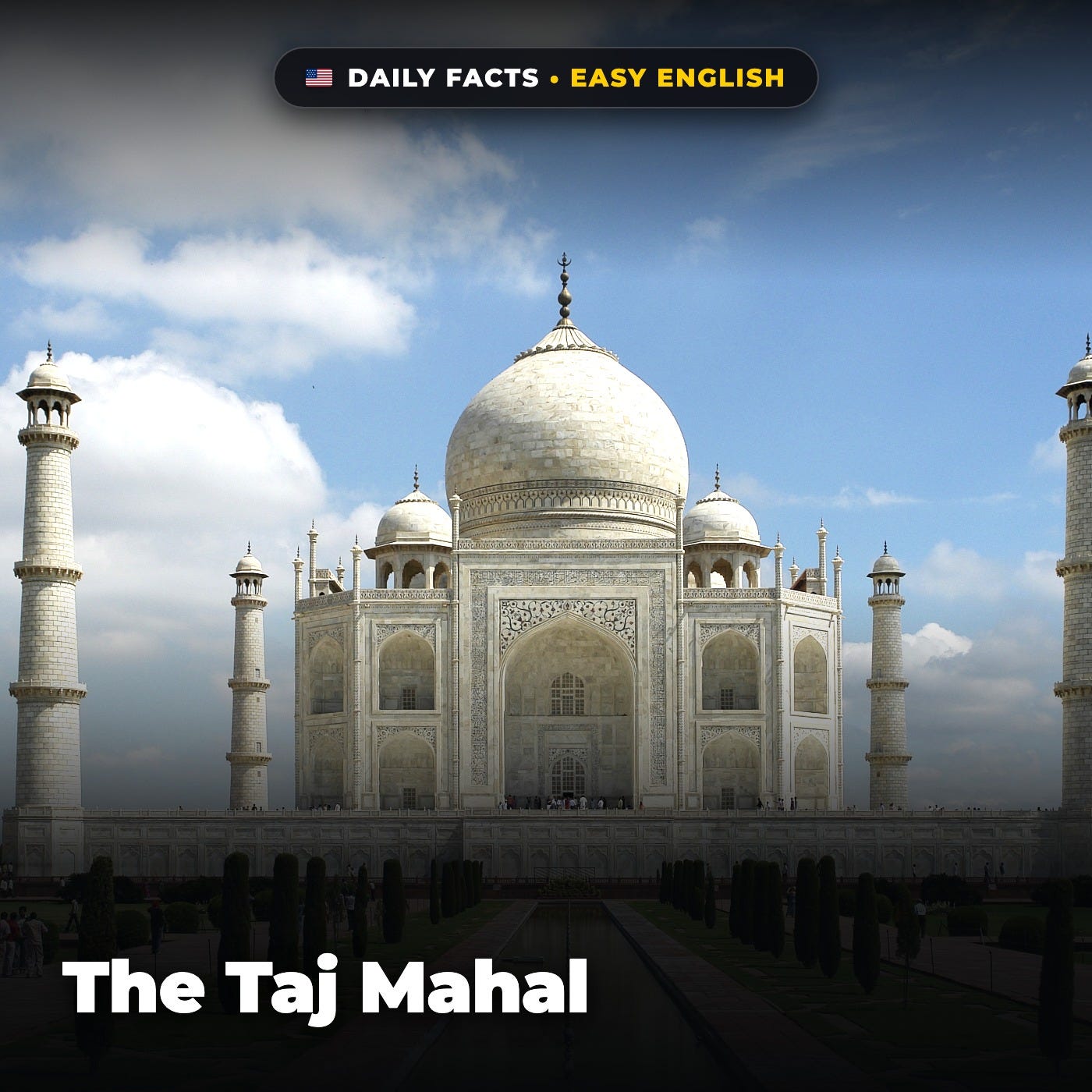
The Taj Mahal is an ivory-white marble mausoleum on the right bank of the river Yamuna in Agra, Uttar Pradesh, India. It was commissioned in 1631 by the fifth Mughal emperor, Shah Jahan, to house the tomb of his late wife, Mumtaz Mahal; it also houses the tomb of Shah Jahan himself.
The tomb is the centrepiece of a 17-hectare (42-acre) complex, which includes a mosque and a guest house, and is set in formal gardens bounded on three sides by a crenellated wall.
the building (a structure with walls and a roof, such as a house, temple, or palace)the stone (a hard solid mineral material, or a piece of rock)the king (a male ruler of a royal country)
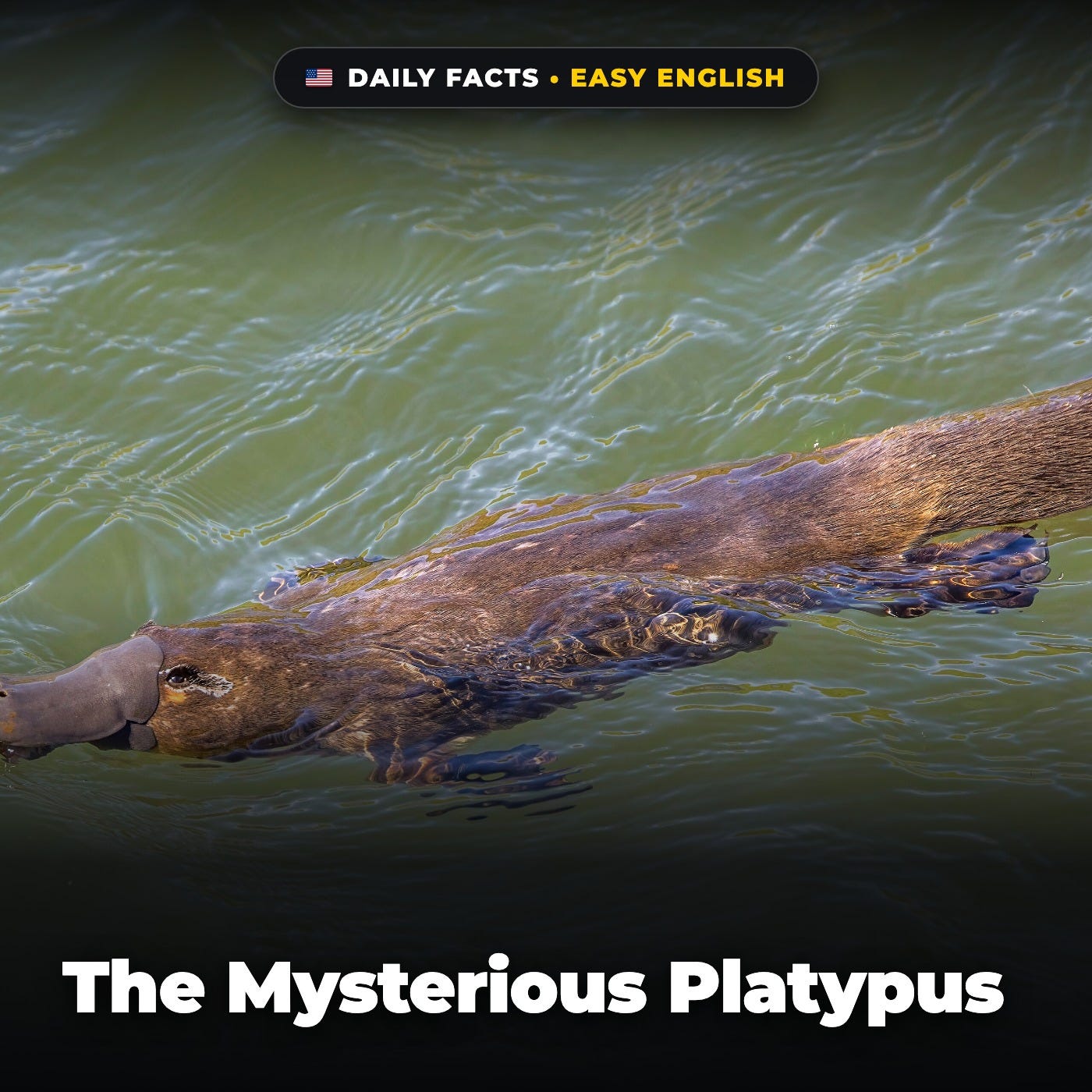
The platypus, sometimes referred to as the duck-billed platypus, is a semiaquatic, egg-laying mammal endemic to eastern Australia, including Tasmania. The platypus is the sole living representative of the family Ornithorhynchidae and genus Ornithorhynchus, though a number of related species appear in the fossil record.
Together with the four species of echidna, it is one of the five extant species of monotremes, mammals that lay eggs instead of giving birth to live young. Like other monotremes, the platypus has a sense of electrolocation, which it uses to detect prey in water while its eyes, ears and nostrils are closed.
the platypus (a unique egg-laying mammal from Australia with a duck-like bill, beaver tail, and webbed feet)the animal (a living creature that can move around and eats plants or other animals)the water (the clear liquid that falls as rain and fills rivers, lakes, and oceans)
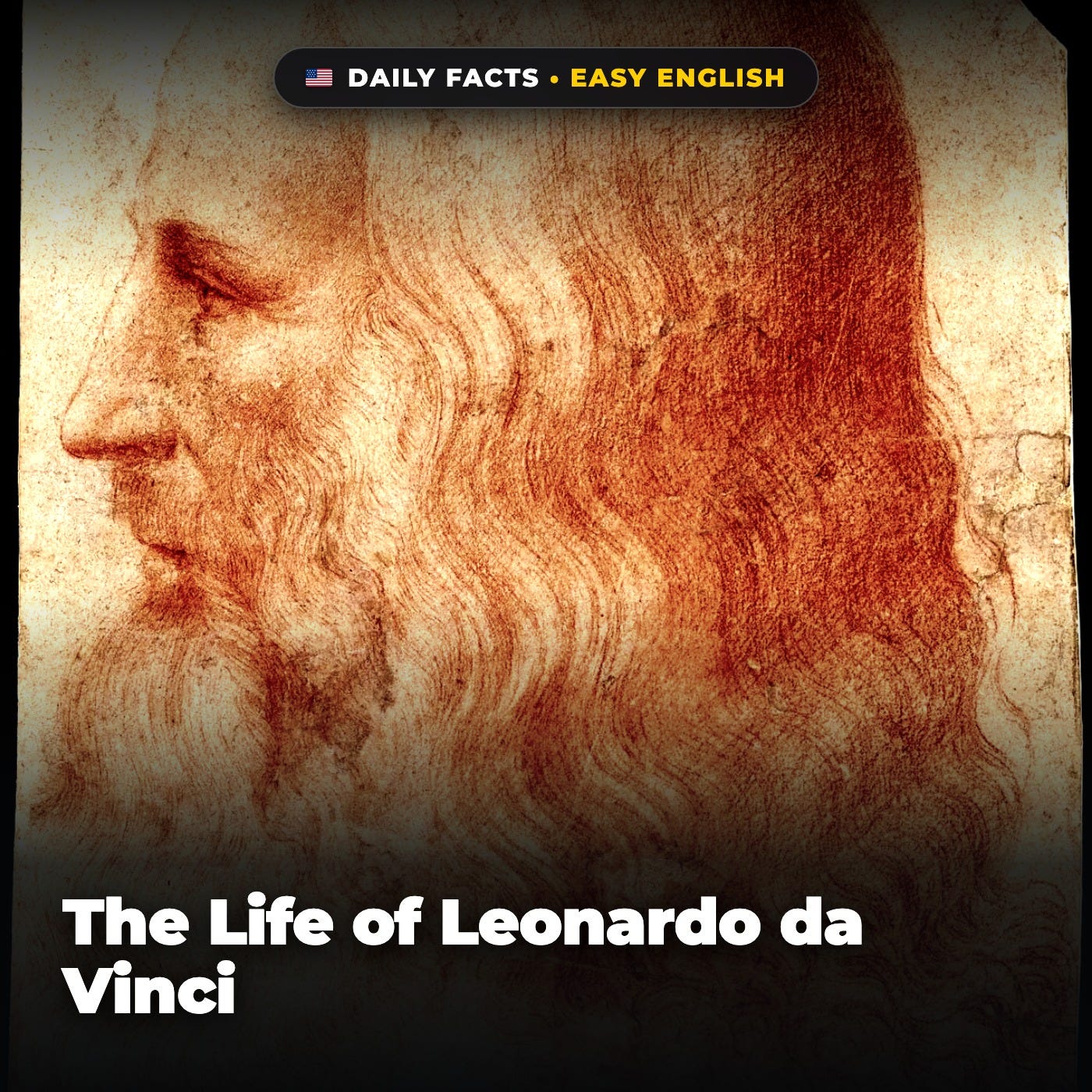
Leonardo di ser Piero da Vinci, better known as Leonardo da Vinci, was an Italian polymath of the High Renaissance who was active as a painter, draughtsman, engineer, scientist, theorist, sculptor, and architect. While his fame initially rested on his achievements as a painter, he has also become known for his notebooks, in which he made drawings and notes on a variety of subjects, including anatomy, astronomy, botany, cartography, painting, and palaeontology.
Leonardo is widely regarded as a genius who epitomised the Renaissance humanist ideal, and his collective works contributed to the development of European art to an extent rivalled only by that of his younger contemporary Michelangelo.
the painting (a picture created using paint on canvas, wood, or a wall)the teacher (a person whose job is to help students learn)the picture (a drawing, painting, or photograph that shows what something looks like)
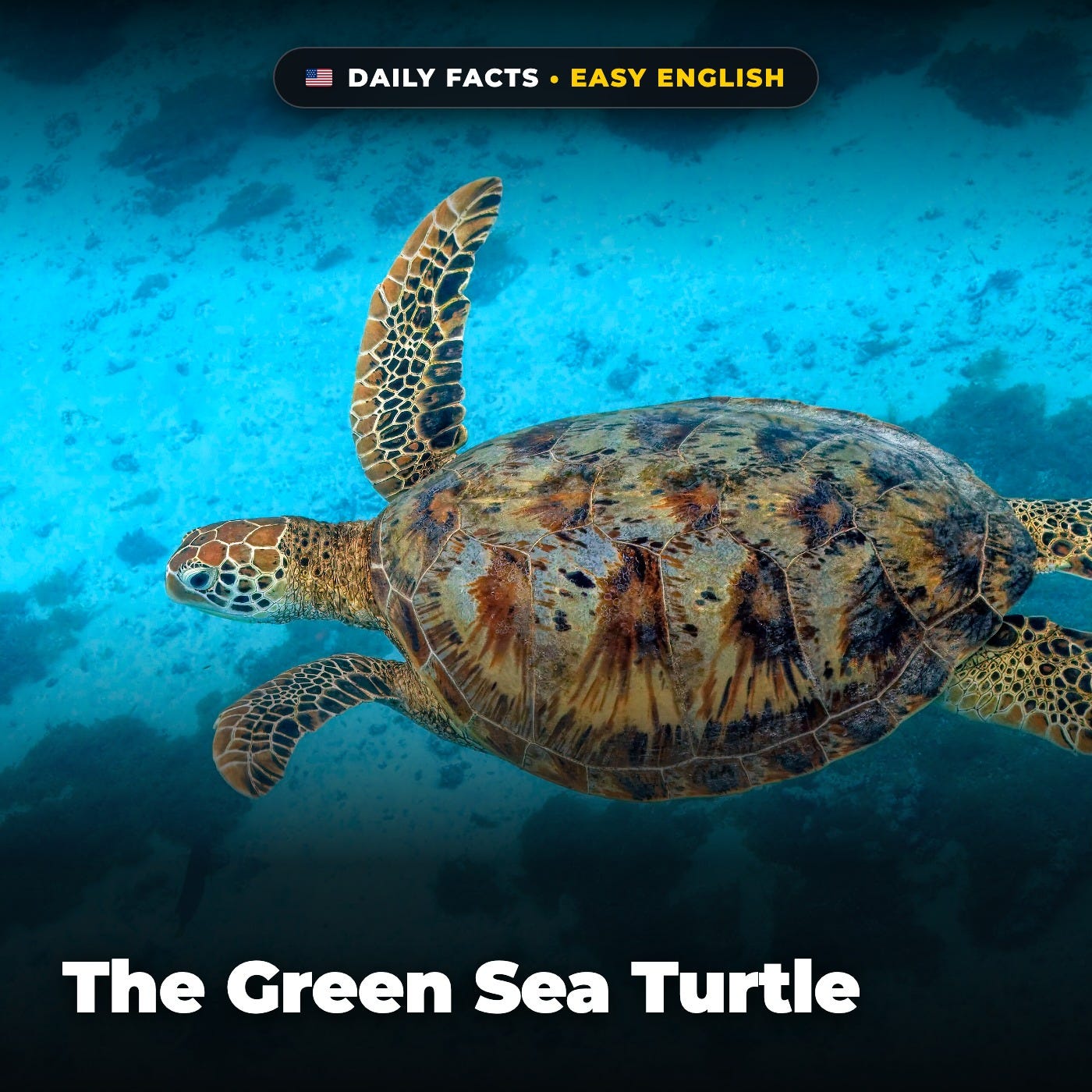
The green sea turtle, also known as the green turtle, black sea turtle, and Pacific green turtle, is a species of large sea turtle of the family Cheloniidae. It is the only species in the genus Chelonia.
Its range extends throughout tropical and subtropical seas around the world, with two distinct populations in the Atlantic and Pacific Oceans, but it is also found in the Indian Ocean. The common name refers to the usually green fat found beneath its carapace, due to its diet strictly being seagrass, not to the color of its carapace, which is olive to black.
the turtle (a reptile with a hard protective shell that lives in water or on land)the water (the clear liquid that falls as rain and fills rivers, lakes, and oceans)the ocean (one of the huge salt-water seas that cover most of the Earth)
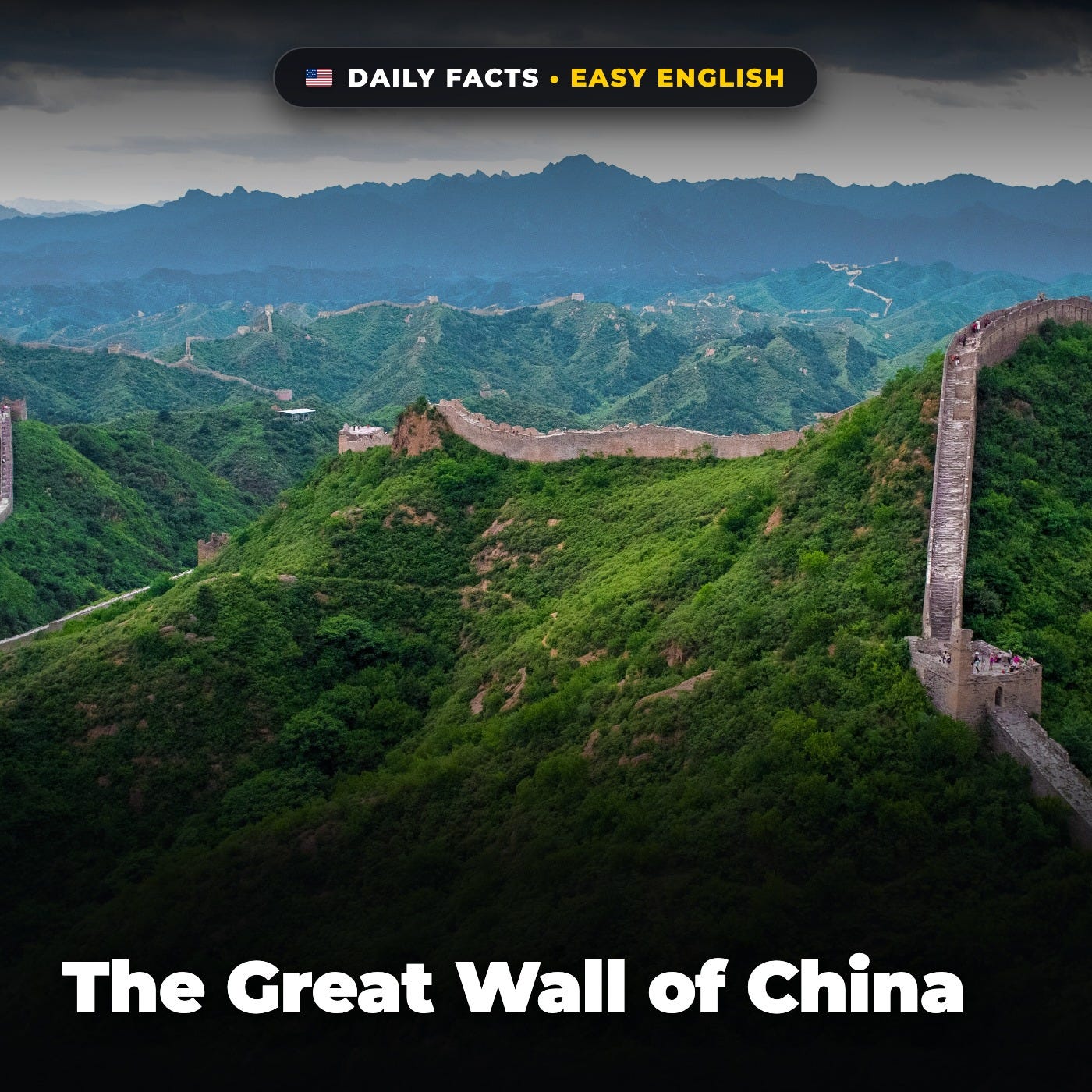
The Great Wall of China is a series of fortifications in China. They were built across the historical northern borders of ancient Chinese states and Imperial China as protection against various nomadic groups from the Eurasian Steppe.
The first walls date to the 7th century BC; these were joined together in the Qin dynasty. Successive dynasties expanded the wall system; the best-known sections were built by the Ming dynasty (1368–1644).
the wall (a tall structure made of stone, brick, or wood that encloses or divides an area)the brick (a hard rectangular block of baked clay used to build walls and houses)the family (a group of people who are related to each other, such as parents and children)
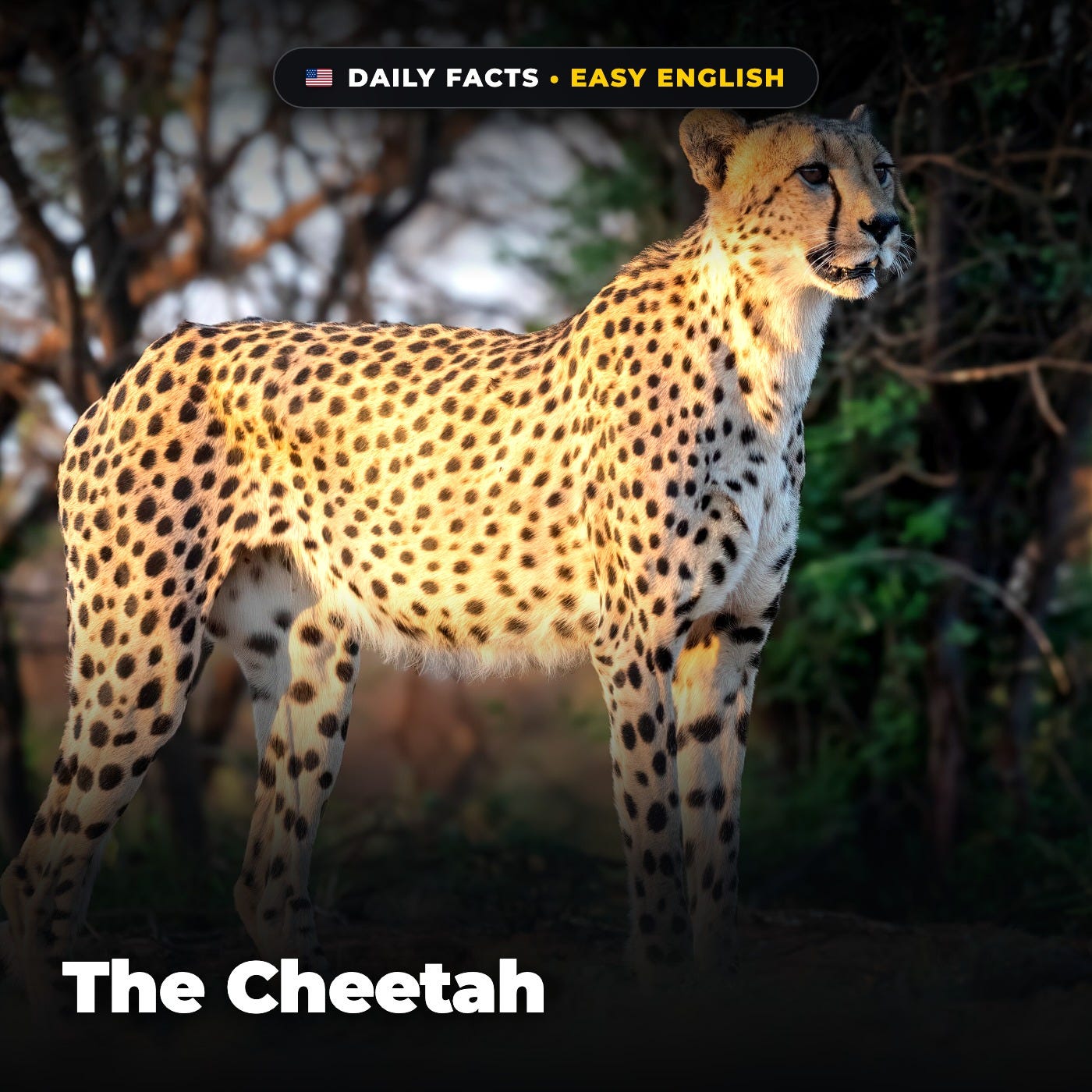
Meet the cheetah, the undisputed sprinting champion and the fastest land animal living on our planet today. Across wide African grasslands, this slender big cat relies on breathtaking acceleration rather than brute strength to catch prey.
Distinctive black tear marks, solid spots, and a flexible spine make its lightweight body perfectly engineered for sudden high-speed chases. Discover how this majestic creature hunts, communicates, and fights to survive in the modern world.
the predator (an animal that hunts other animals for food)to sprint (to run very fast for a short distance)the spot (a small round mark on an animal's skin or fur)
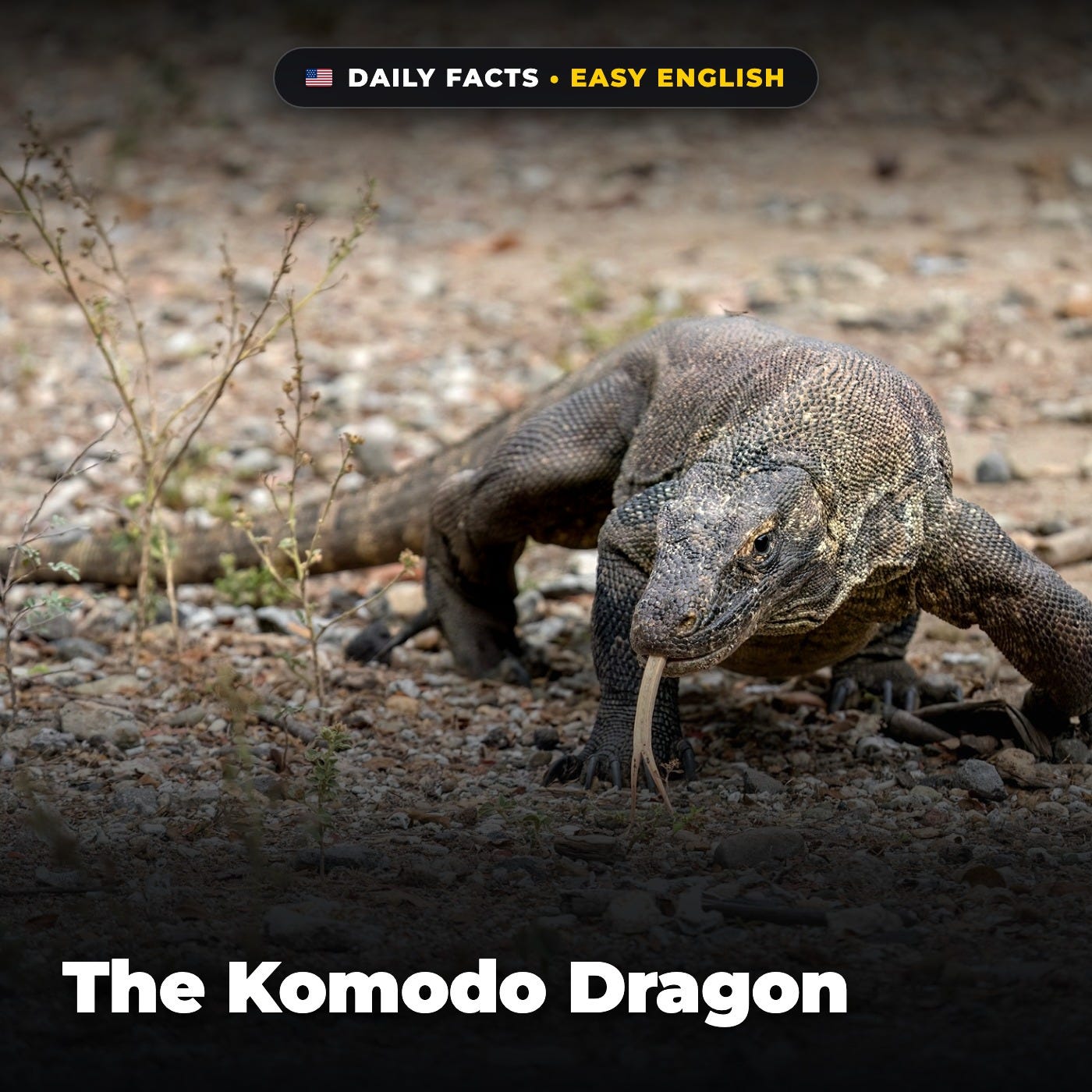
The Komodo dragon is the undisputed giant of the lizard world, roaming the rugged volcanic islands of eastern Indonesia. Reaching lengths of up to three meters, these prehistoric reptiles dominate their tropical habitats with immense physical power and stealth.
Equipped with serrated teeth and specialized venom glands, they can conquer prey much larger than themselves. Today, they remain a world-famous wildlife icon that inspires both scientific wonder and essential conservation efforts across the globe.
the reptile (a cold-blooded animal with scaly skin)the predator (an animal that hunts other animals for food)the venom (a poison produced by an animal used to hurt prey)
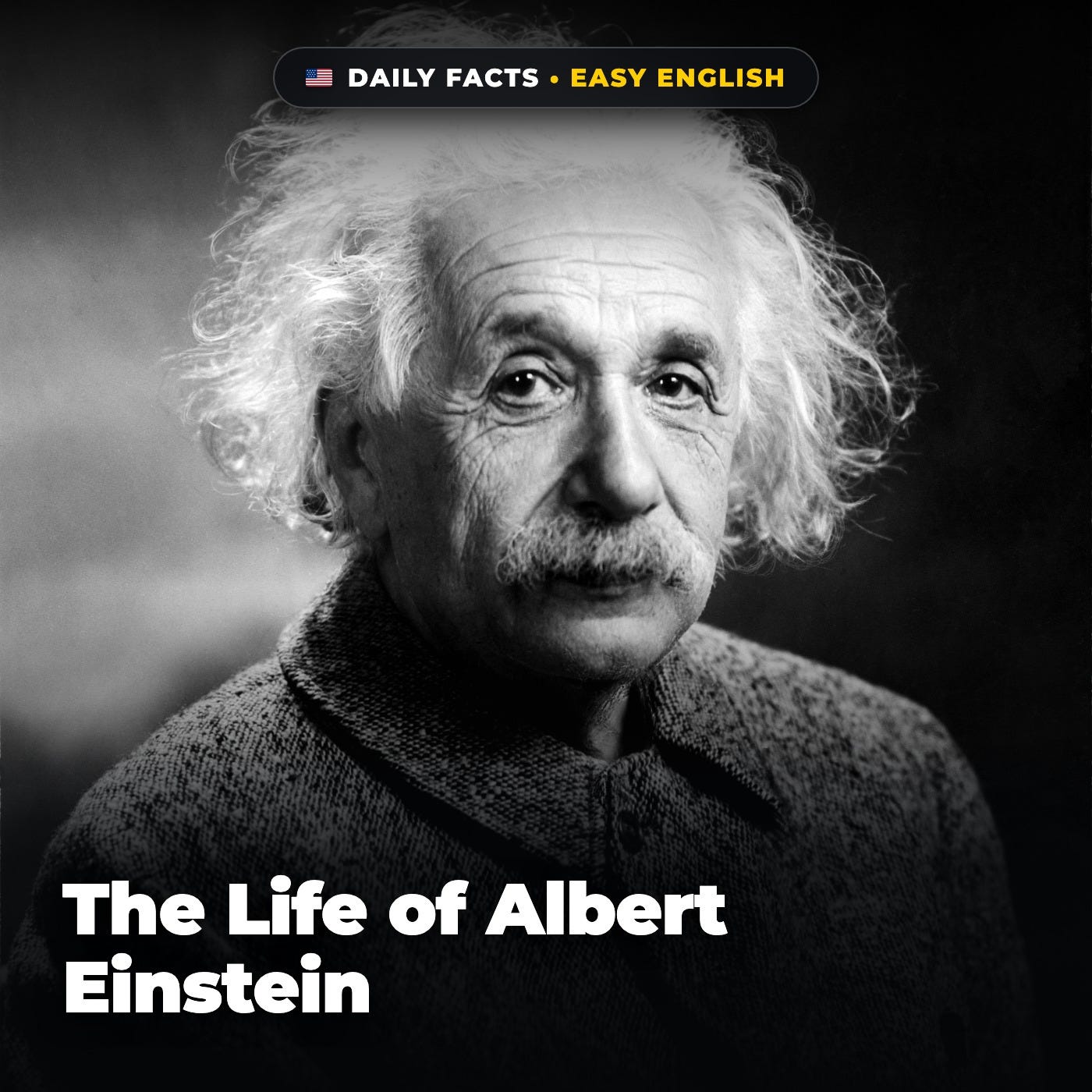
Albert Einstein was one of the most influential and celebrated scientists in human history. Born in Germany, his revolutionary ideas completely transformed how we understand space, light, and gravity.
Beyond his brilliant physics equations and iconic formula, he was a passionate violinist and a committed advocate for global peace. Explore the inspiring story of a curious patent clerk whose imagination reshaped our entire universe.
the scientist (a person who studies the natural world)the space (the area outside Earth where stars are)the energy (the power that makes things work)
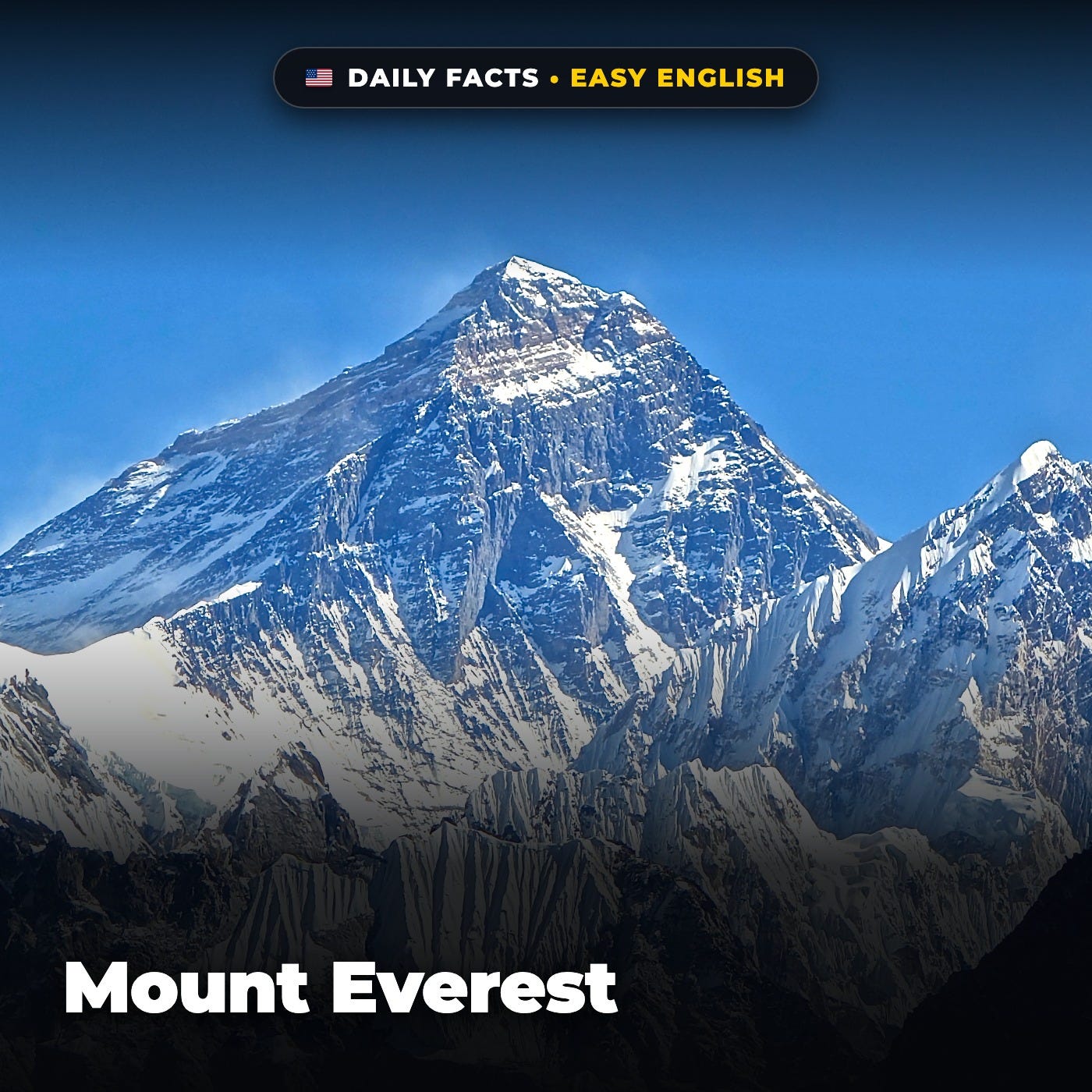
Mount Everest is the highest mountain on Earth, towering dramatically over the mighty Himalayas on the border of Nepal and China. Rising nearly nine kilometers into the sky, its snowy summit attracts brave climbers from all around the world.
Known locally as Sagarmatha and Chomolangma, this legendary peak holds profound cultural and spiritual significance for native communities. Exploring its frozen slopes reveals incredible stories of human endurance, extreme weather, and awe-inspiring natural beauty.
the summit (the very top of a high mountain)the climber (a person who travels up rocks or mountains)the border (a dividing line between two different countries)
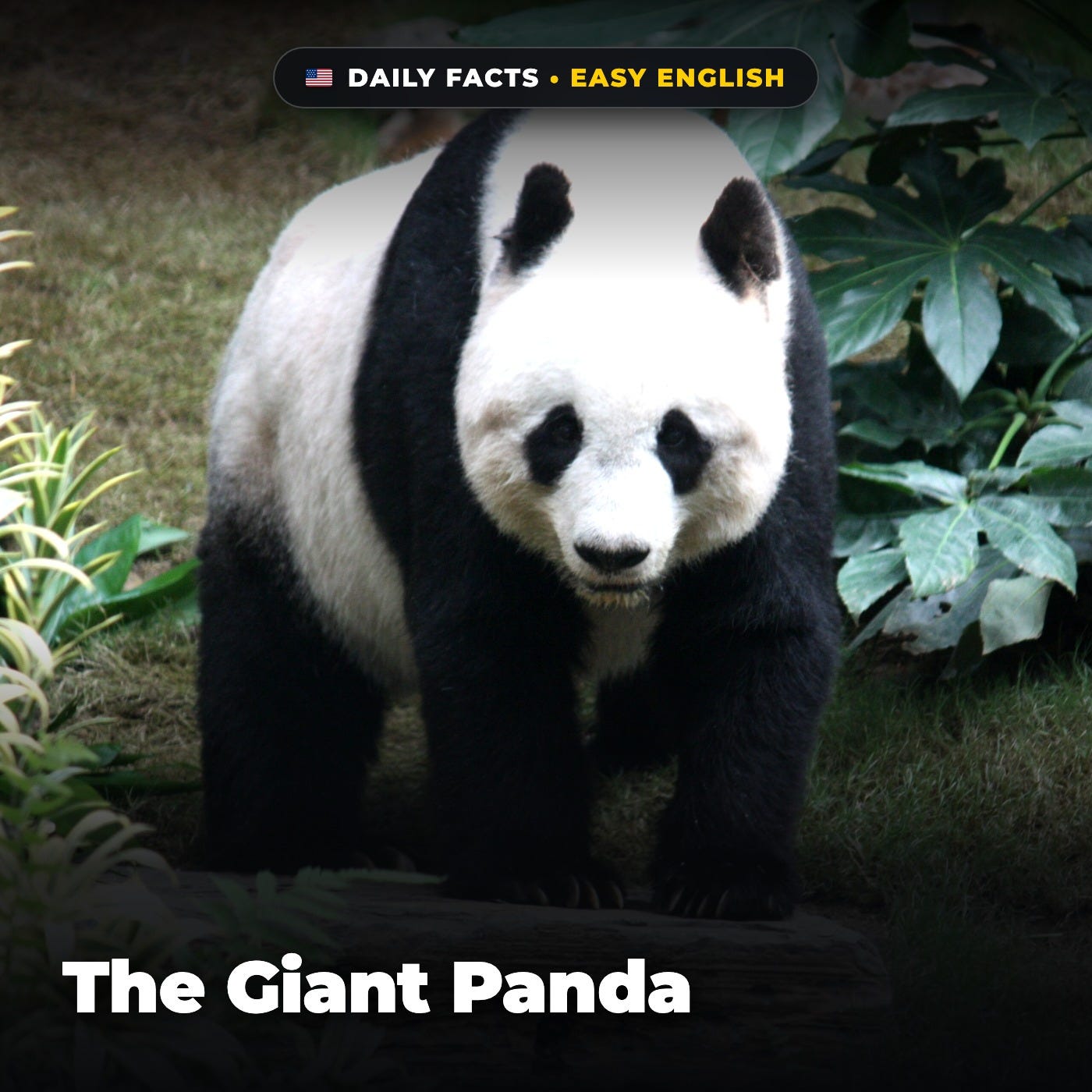
The giant panda is one of the most beloved and recognizable animals in the entire world. Native to the mist-covered mountain forests of central China, this iconic bear stands out with its bold black-and-white coat.
Though classified biologically as a carnivore, the panda spends nearly its entire day peacefully munching on bamboo stalks. Thanks to dedicated conservation efforts across the globe, this gentle giant is slowly recovering in the wild.
the bamboo (a tall, woody grass that pandas eat)the cub (a baby bear or young animal)the fur (the thick, soft hair covering an animal)
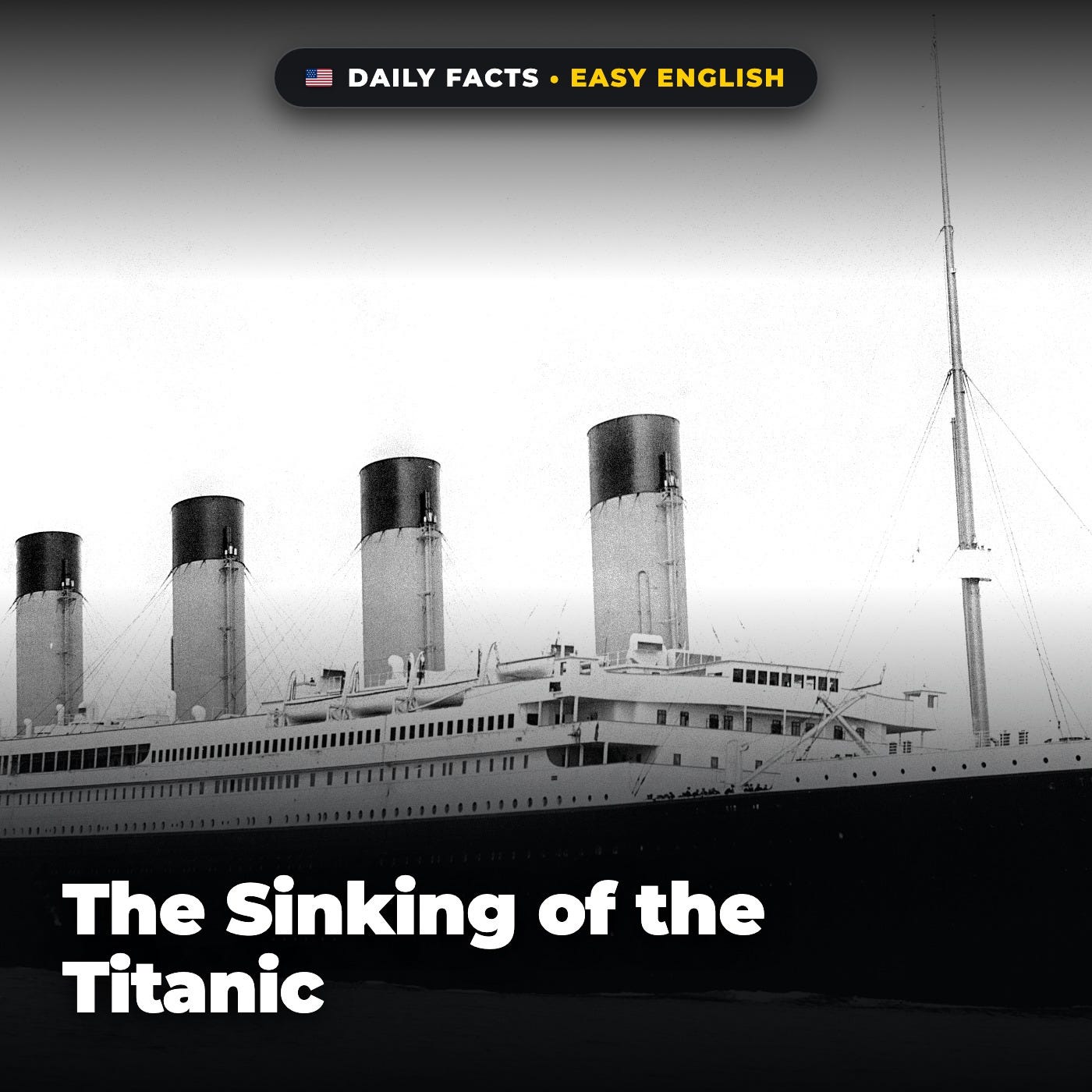
In April 1912, the massive passenger liner RMS Titanic set sail on its famous maiden voyage to New York City. Considered a marvel of modern engineering, the grand ship carried more than 2,200 excited passengers and crew members.
Tragedy struck late at night in the freezing North Atlantic when the vessel collided with a giant iceberg. The catastrophic sinking claimed around 1,500 lives and transformed global maritime safety laws forever.
the ship (a very large boat that travels on deep water)the iceberg (a very big piece of ice floating in the cold sea)to sink (to go down below the surface of the water)
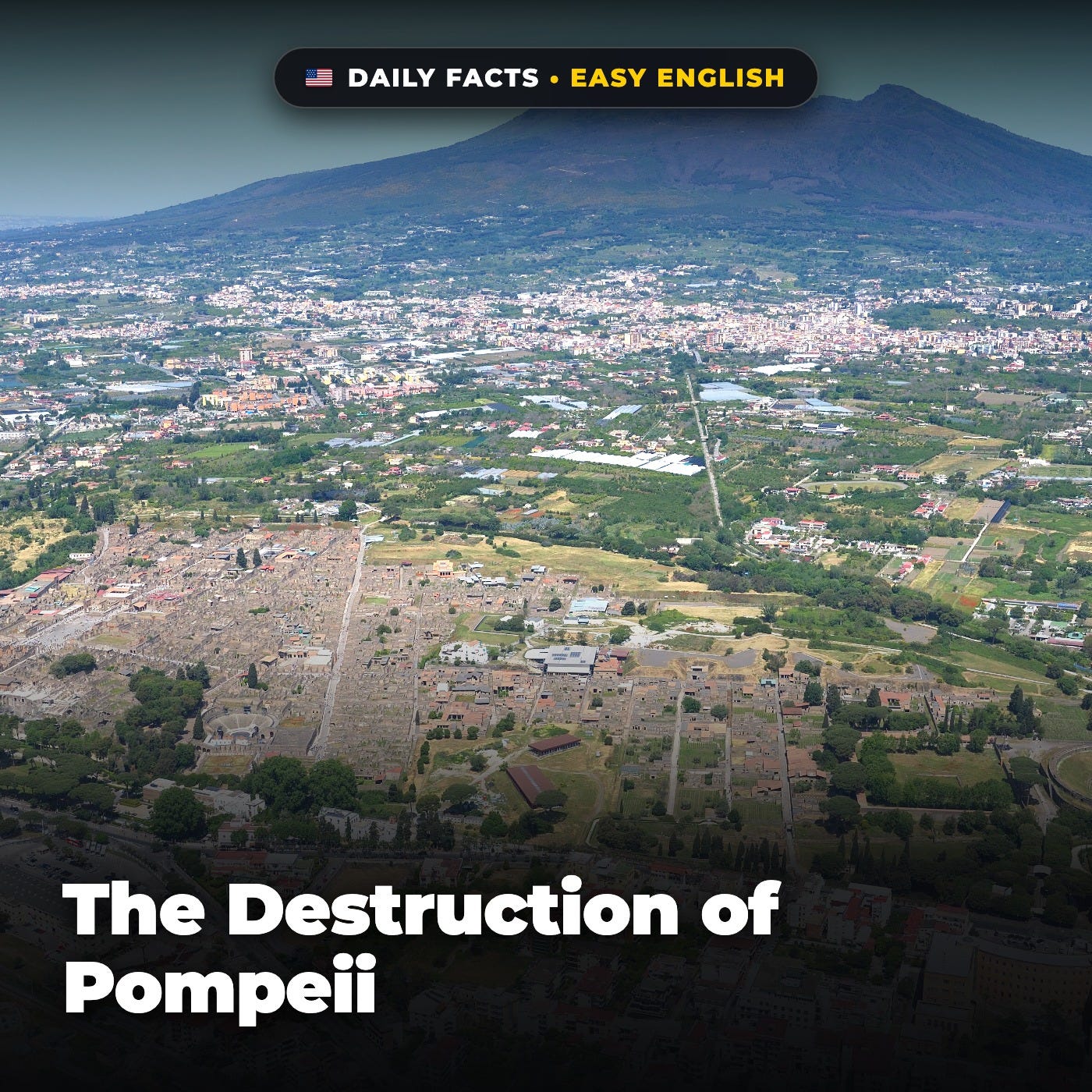
In the year 79 AD, the bustling Roman city of Pompeii met a sudden and tragic end. Mount Vesuvius erupted violently, burying the entire region under a deep blanket of burning volcanic ash and stone.
Because the city was covered so quickly, buildings, artworks, and everyday objects remained frozen in time for centuries. Today, the rediscovery of Pompeii provides an extraordinary window into daily life in the ancient Roman world.
the volcano (a mountain that explodes with fire and hot rocks)the ash (gray powder made by a burning fire or volcano)the ruins (parts of old buildings that remain after destruction)
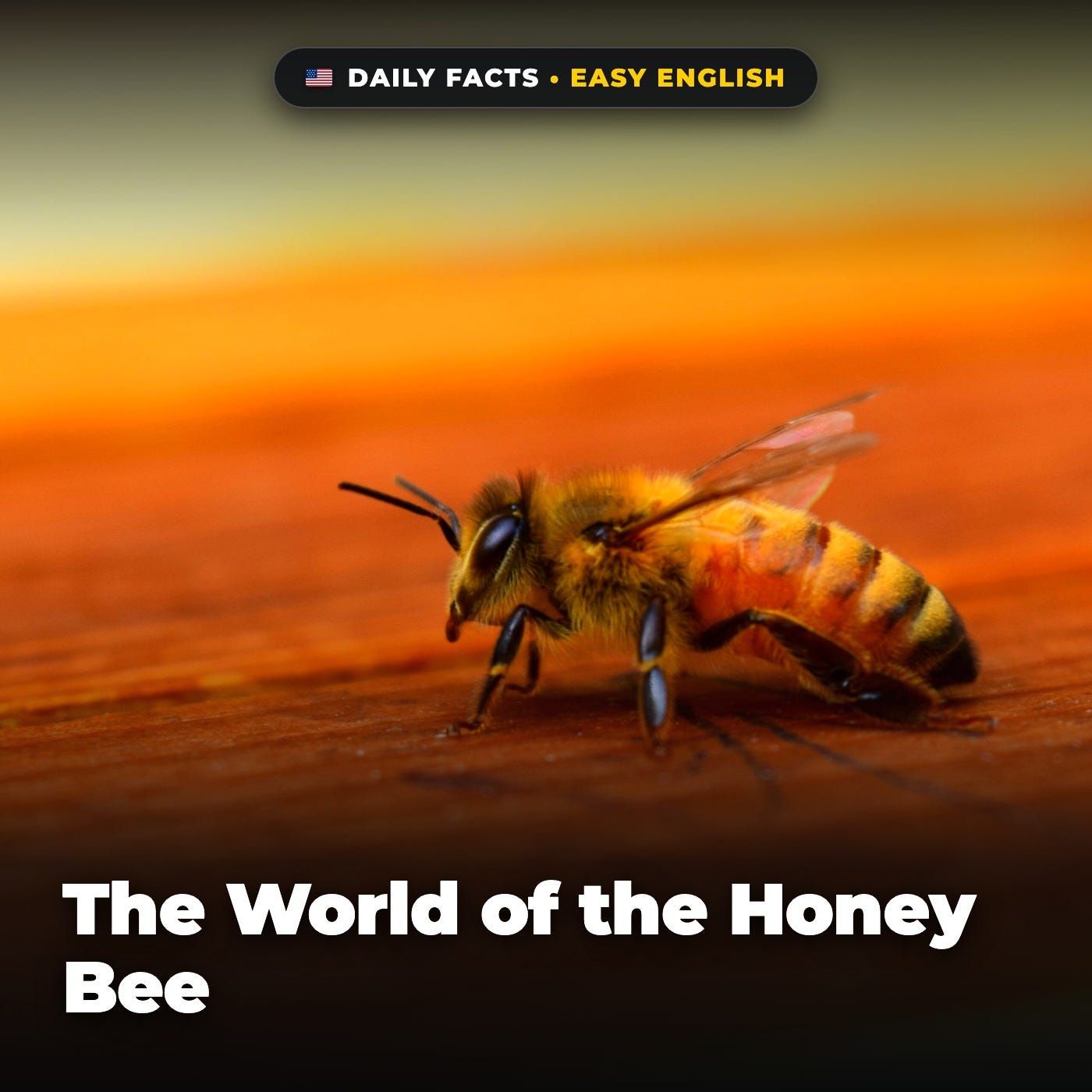
Honey bees are extraordinary social insects that play a critical role in ecosystems and agriculture worldwide. Flying tirelessly from flower to flower, these tiny pollinators help countless plants reproduce while collecting sweet floral nectar.
Inside their carefully organized hives, thousands of worker bees build intricate hexagonal wax combs to store food and raise their young. By transforming nectar into golden honey, a single colony creates a sweet reserve that sustains the nest through cold winters.
the bee (a small flying insect that makes honey)the honey (a sweet yellow liquid made by bees)the hive (the home where a group of bees lives)
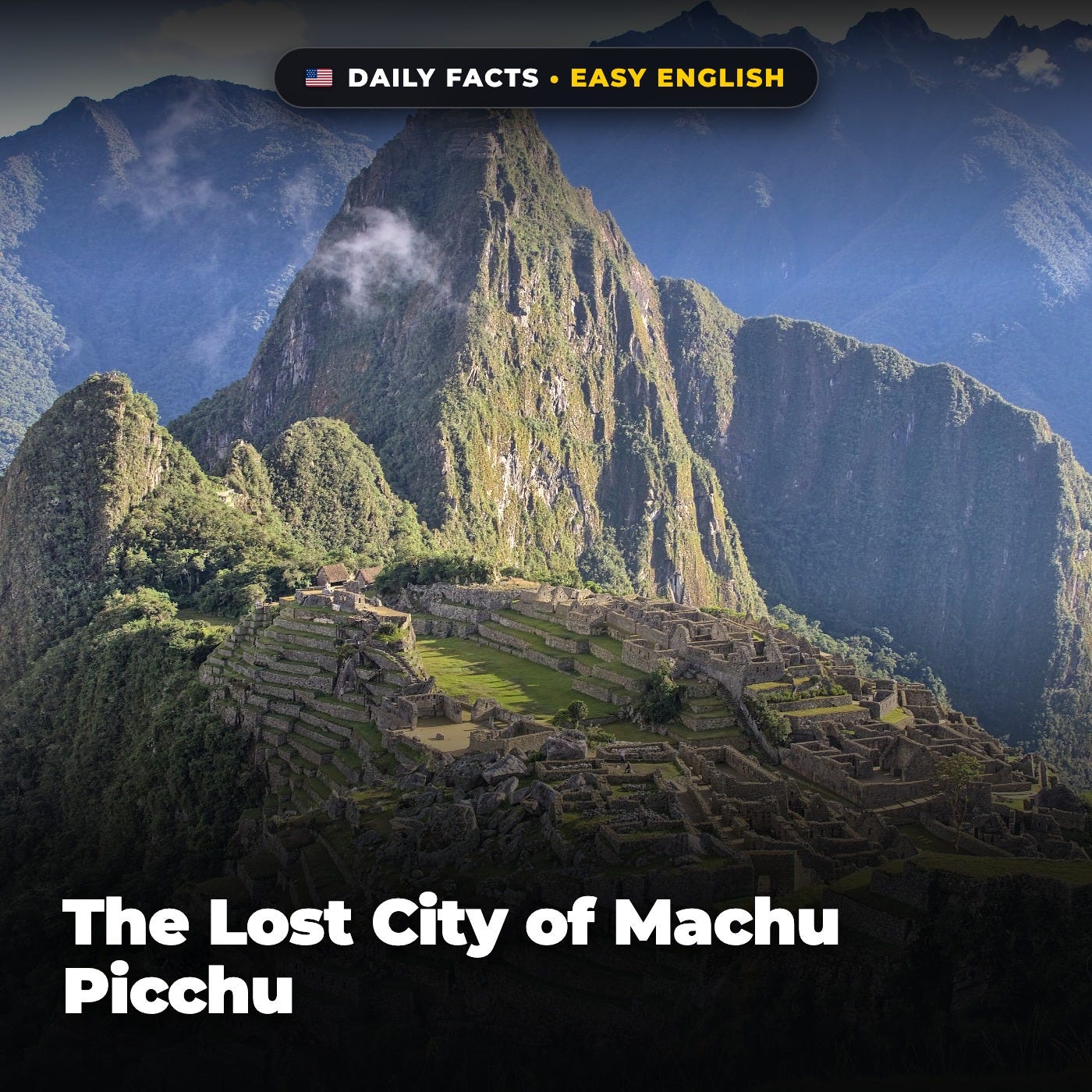
High in the Andes mountains of Peru rests Machu Picchu, a breathtaking stone citadel built by the Inca Empire in the 15th century. Perched nearly 2,430 meters above sea level, this misty sanctuary remained hidden from Spanish conquistadors for centuries.
Today, travelers from all over the world hike across scenic trails to marvel at its magnificent terraces and masterfully carved granite walls. Join us as we discover the incredible engineering secrets and history behind this legendary city in the clouds.
the mountain (a very high hill made of rock)the stone (a hard, solid piece of rock)the ruins (the remaining parts of an old destroyed building)
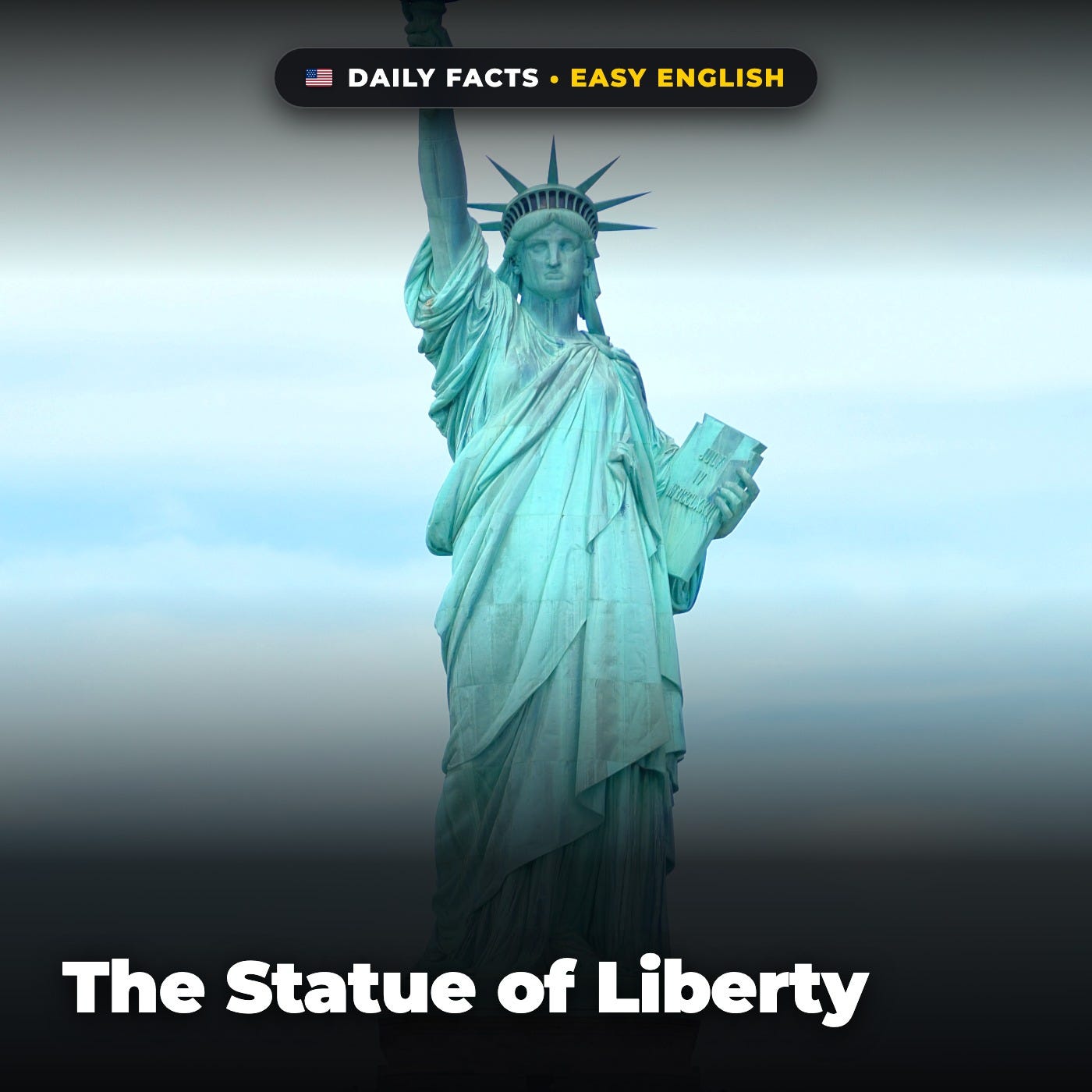
Standing proudly in New York Harbor, the Statue of Liberty is one of the most recognizable monuments in the world. This colossal copper figure represents Libertas, the Roman goddess of freedom, welcoming visitors and immigrants from across the sea.
Created as a magnificent gift of friendship from the people of France, she holds a torch and a tablet inscribed with the date of American independence. Her enduring image continues to inspire millions as a universal symbol of hope, liberty, and democracy.
the torch (a burning light carried in the hand)the crown (a circular ornament worn on the head)the freedom (the right to live and act without control)
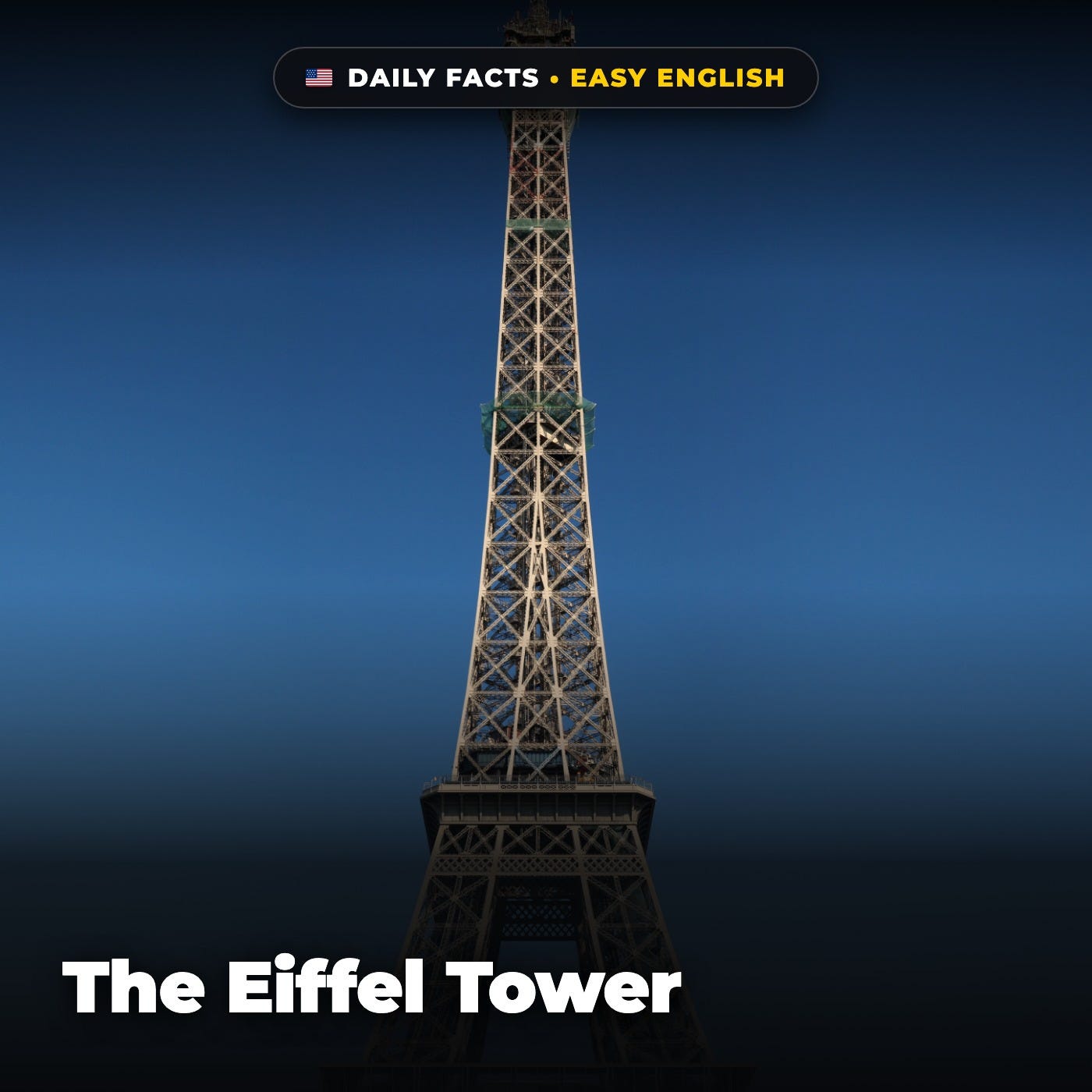
Rising high above the Paris skyline, the Eiffel Tower is one of the most recognizable landmarks in the entire world. Built between 1887 and 1889 by engineer Gustave Eiffel, this towering iron structure was originally created for the World's Fair.
Although many artists initially disliked its bold metal design, the tower soon won the hearts of locals and travelers alike. Today, millions of people visit each year to enjoy breathtaking views and celebrate French culture.
the tower (a very tall and narrow building)iron (a strong, heavy metal used for building)to build (to make something by putting parts together)
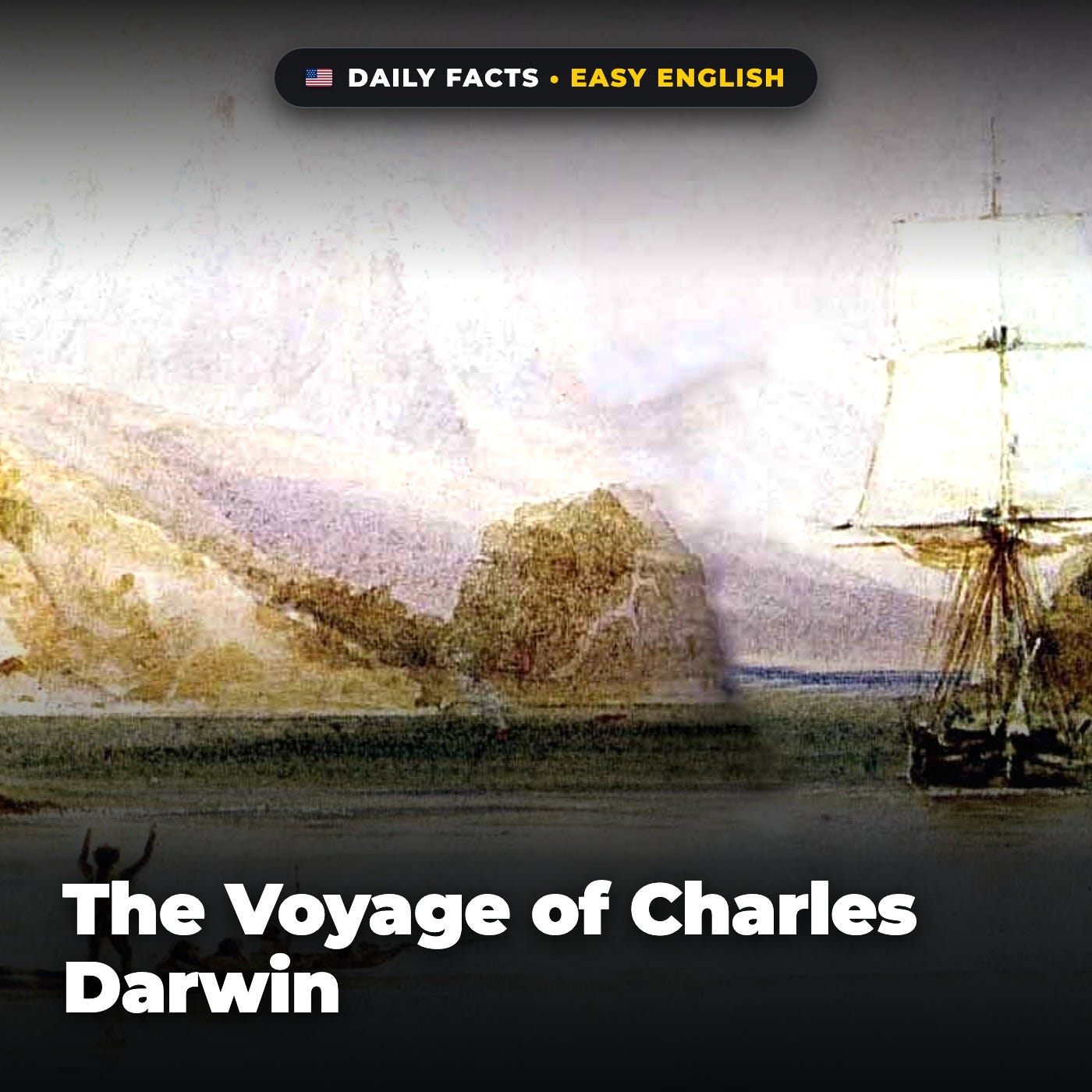
In December 1831, a young Charles Darwin stepped aboard HMS Beagle for what was meant to be a simple surveying mission around South America. Instead, the five-year voyage turned into an epic adventure that transformed his understanding of nature forever.
Darwin spent months collecting strange fossils, exploring lush rainforests, and observing unique wildlife on remote islands like the Galápagos. These remarkable discoveries laid the foundation for his groundbreaking ideas on evolution and changed modern science.
the voyage (a long trip, usually by ship across the sea)the fossil (the rock remains of a very old plant or animal)the nature (all the plants, animals, and land around us)
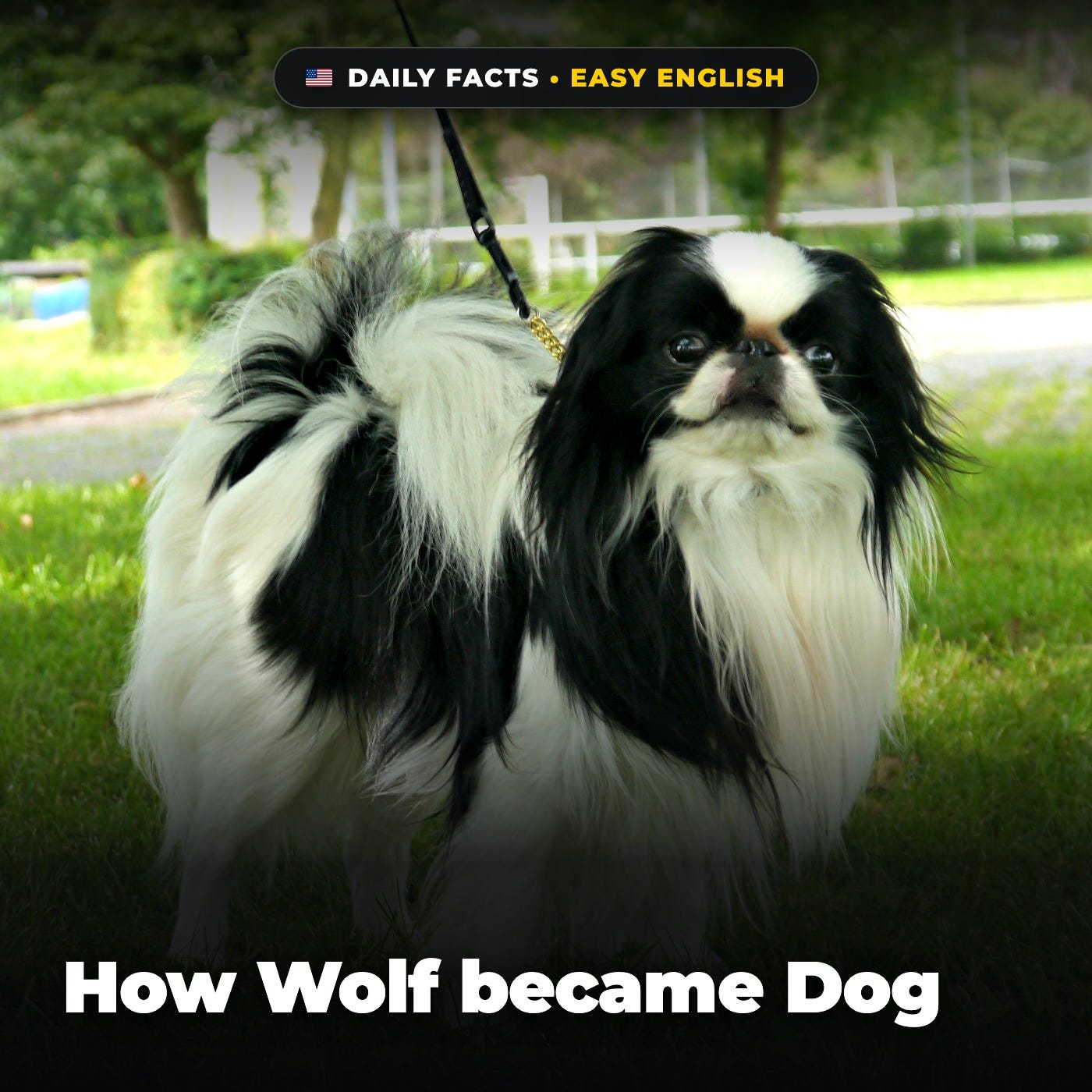
Thousands of years ago, curious wild wolves began walking toward human campfires instead of running away. This unexpected friendship transformed dangerous predators into humanity's most loyal and loving animal companions.
Scientists now study ancient bones and genetics to discover how this incredible transformation happened during the Ice Age. Today, millions of modern dogs around the world still carry the ancient heritage of their wild ancestors.
the ancestor (a family member or animal from a long time ago)tame (friendly and not afraid of people)the hunter (a person or animal that catches food)
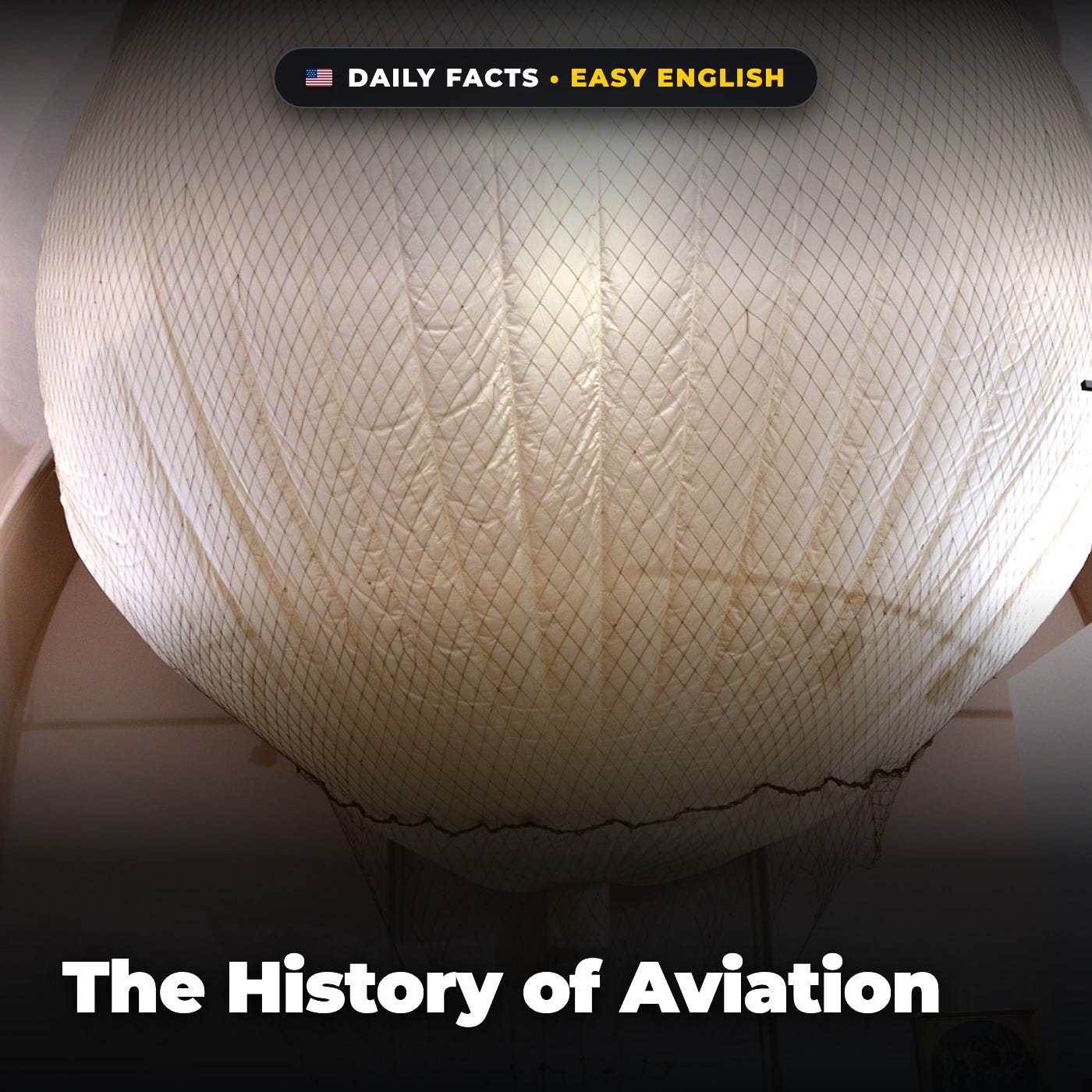
Humans have dreamed of soaring freely through the open sky like birds for thousands of years. From ancient Chinese kites to Leonardo da Vinci's visionary sketches, early dreamers boldly laid the foundations of flight.
The twentieth century finally turned this ambitious fantasy into reality through powerful engines and courageous aviators. Today, advanced aircraft effortlessly connect our entire planet and travel faster than the speed of sound.
the airplane (a machine with wings that flies in the sky)to fly (to move through the air)the wing (a flat part of an aircraft that helps it stay in the air)
During the 1930s and 1940s, cinema became one of the most powerful tools of state influence in Germany. The regime quickly recognized the emotional impact of the big screen and seized total control over the national film industry.
From weekly newsreels to lavish historical epics, movies were carefully crafted to shape public opinion and spread ideology. Discover how moving pictures were transformed into potent instruments of persuasion and everyday entertainment.
the cinema (a place where people go to watch movies)the screen (a flat surface where moving pictures are shown)to control (to decide how something works or what happens)
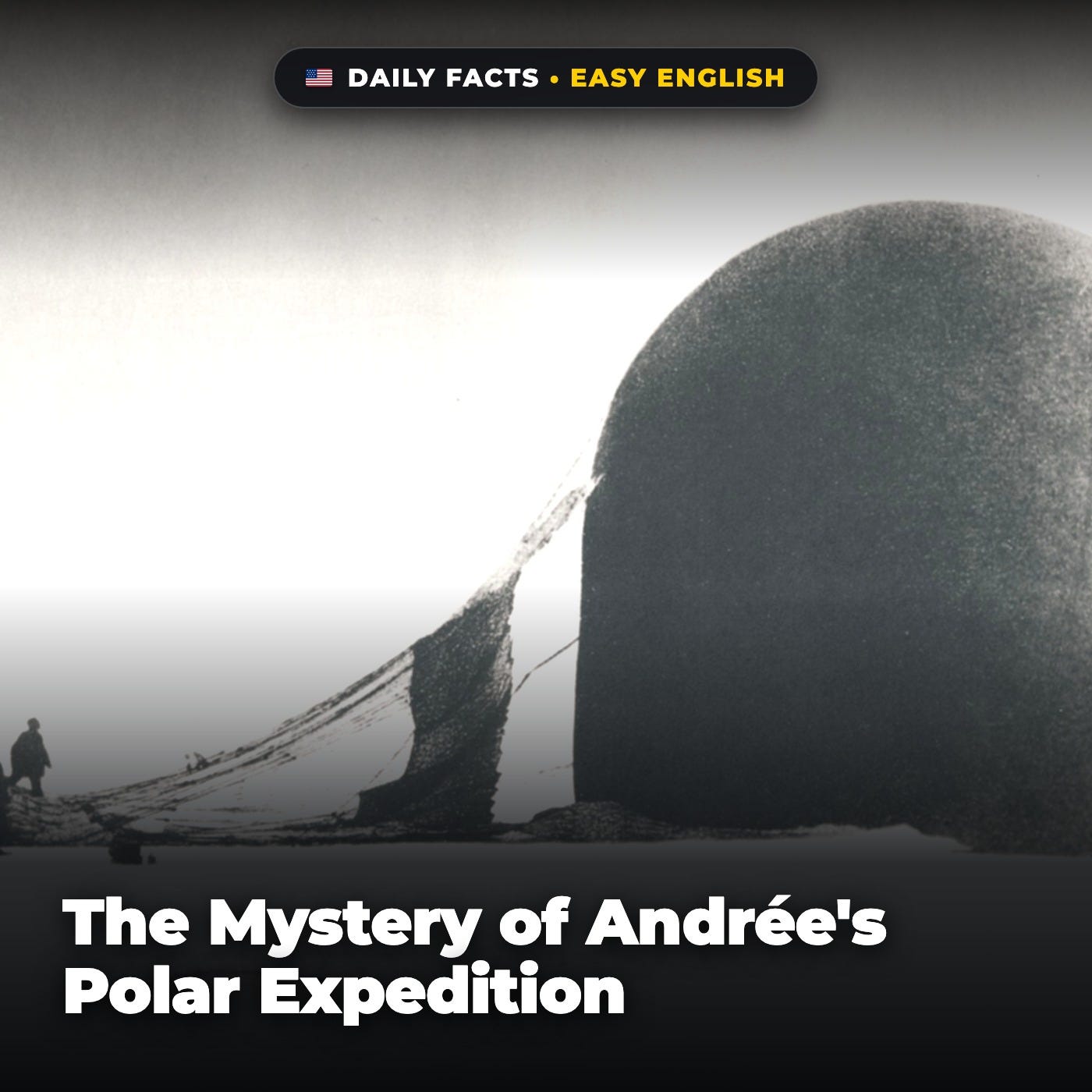
In July 1897, three brave Swedish explorers lifted off in a hydrogen balloon named Örnen to reach the North Pole. Their bold voyage quickly vanished into the freezing Arctic mist, leaving the world wondering about their fate for decades.
Thirty-three years later, their final camp, frozen diaries, and undeveloped film were miraculously discovered on a desolate island. Today, we explore the daring journey, tragic struggles, and enduring mysteries of the famous Andrée expedition.
the balloon (a large bag filled with gas that flies)the North Pole (the most northern place on Earth)to crash (to fall and hit the ground violently)
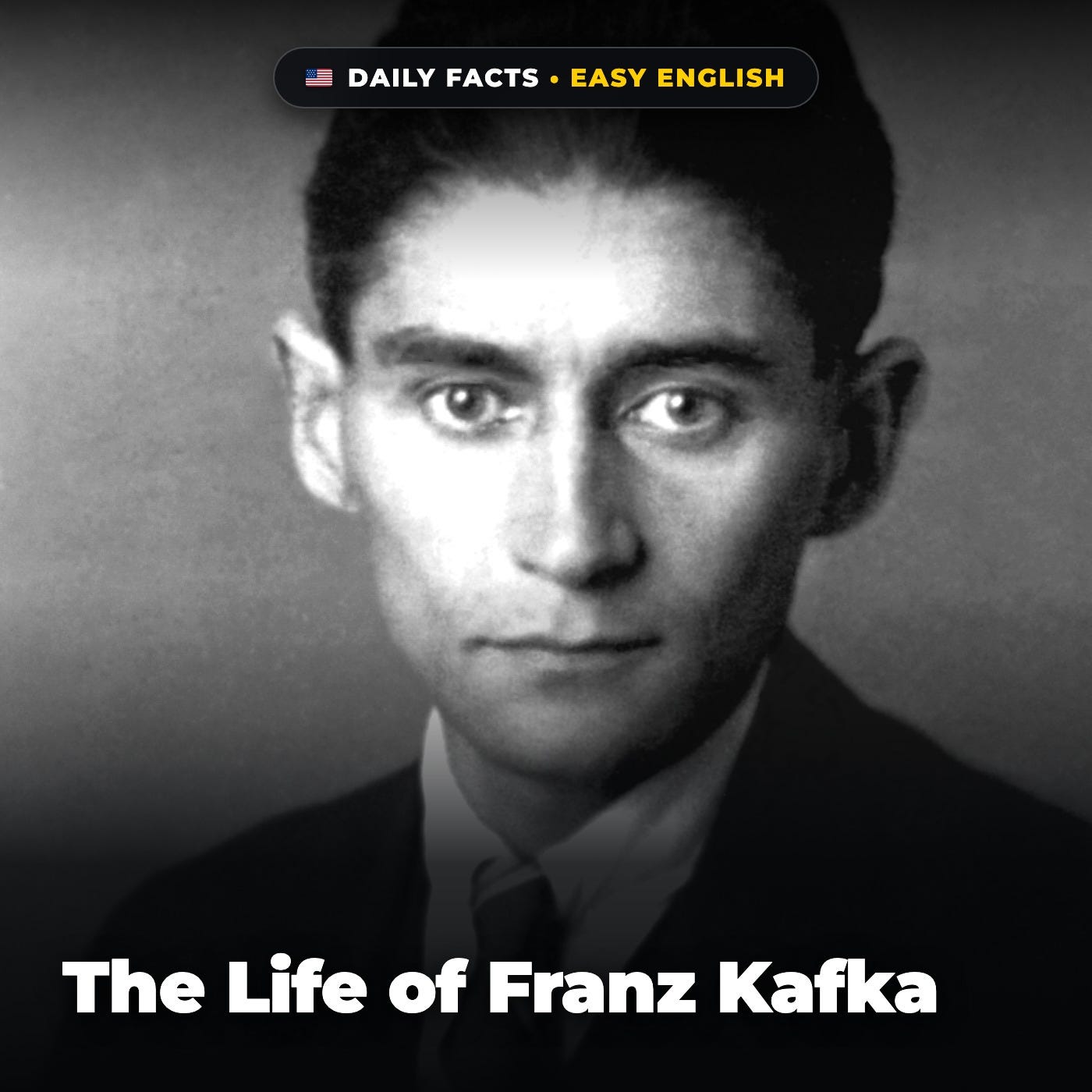
Franz Kafka was a Czech-born writer whose unique stories changed modern literature forever. Born in Prague, he captured the surreal struggles of ordinary people facing confusing, powerful systems.
He worked as an insurance officer by day and crafted mysterious tales late into the night. Today, his imaginative masterpieces like The Metamorphosis inspire readers and thinkers across the globe.
the writer (a person who creates books and stories)the office (a place where people work at desks)the insect (a very small animal like a bug)
No matching episodes found. Try another keyword or switch back to "All Topics".
Substack Premium Membership · 7-Day Free Trial
Master English Faster with the Premium Study Companion
Every podcast episode of Daily Facts in Easy English is free to listen to. Upgrade on Substack to unlock the complete interactive Study Companion designed around every single episode.
$5.99 / month
or $59/year (save ~18%) · 7-day free trial
What You Get in Every Premium Episode on Substack
01
Full Guided Episode Transcripts
Line-by-line English transcripts with timestamps and simple CEFR A1/A2 definitions for harder topic words, so you can read along effortlessly without leaving English.
02
20 Core Vocabulary Words with Episode Quotes
Carefully lemmatized key terms from every episode with simple beginner explanations and exact sentences quoted directly from the audio.
03
3 Grammar Spotlights in Real Context
High-impact English grammar patterns highlighted inside real sentences you just heard — learn structure naturally instead of memorizing abstract textbook tables.
04
5-Question Comprehension Quiz + Answer Key
Check how much you understood after every episode with five targeted multiple-choice questions and clear explanations written in simple English.
05
Writing Practice & Full Back-Catalog Archive
Weekly subscriber discussion & writing prompts plus unlimited access to the entire growing library of Study Companions (including all episodes older than two weeks).
Free Listener$0 Forever
All daily English (ESL / EFL) episodes at 80% speed
Web player on dailyfacts.uk + Spotify, Apple & pod.link
Episode summary, chapter markers & 4 preview words
New episode email notifications via Substack
Substack Premium7-Day Trial
Full guided line-by-line transcripts & A1/A2 definitions
20 core vocabulary words with quotes & 3 Grammar Spotlights
One universal link opens Daily Facts in Easy English in Spotify, Apple Podcasts, Pocket Casts, Overcast, YouTube Music, or any podcast app on iOS and Android.
Is Daily Facts in Easy English suitable for complete beginners?
Yes. Daily Facts in Easy English is specifically created for CEFR A1–A2 beginners learning English (ESL / EFL). Every episode uses short sentences, everyday core vocabulary, and natural repetition at 80% speaking speed so beginners can follow real stories from day one.
How can I listen to Daily Facts in Easy English in my favorite podcast app?
Visit our pod.link page (https://pod.link/6824916143) to open Daily Facts in Easy English directly in Apple Podcasts, Spotify, Pocket Casts, Overcast, Castro, YouTube Music, or any RSS podcast player — or stream any episode directly right here on dailyfacts.uk/english/.
What do I get with Daily Facts in Easy English Premium on Substack?
A Substack Premium membership ($5.99/month or $59/year, with a 7-day free trial) unlocks the complete Premium Study Companion for every episode: full guided line-by-line transcripts with timestamps and simple A1/A2 definitions, 20 core vocabulary words with episode quotes, 3 Grammar Spotlights in context, a 5-question comprehension quiz with answer keys, writing practice, and full archive access.
How fast is the English audio spoken?
Every episode is mastered at 80% of normal conversational speed (0.8x). In our built-in web player, 1.0x plays the episode at this recorded 80% slow speed; you can slow it down further to 0.8x or speed up to 1.25x (natural pace) anytime.