
About This Episode
Explore the fascinating story and key facts of The Lost Temples of Angkor Wat.
In this episode, we break down the most important facts and stories about The Lost Temples of Angkor Wat using clear, beginner-friendly A1
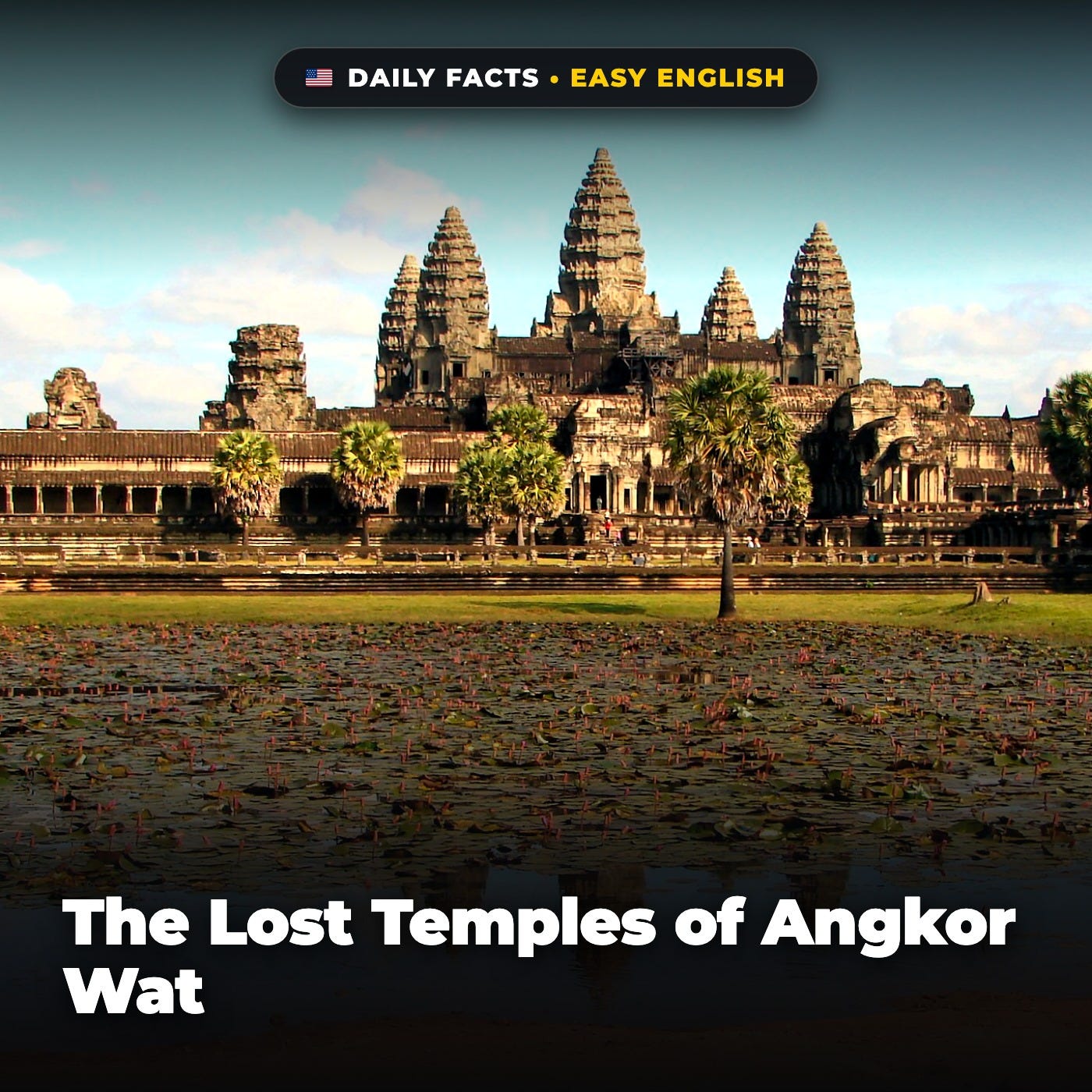
Explore the fascinating story and key facts of The Lost Temples of Angkor Wat.
In this episode, we break down the most important facts and stories about The Lost Temples of Angkor Wat using clear, beginner-friendly A1
Click any chapter timestamp to jump directly to that section in the audio player.
Click any preview word to hear pronunciation. Unlock all 20 core vocabulary words with episode context quotes inside the Substack Premium Study Companion.
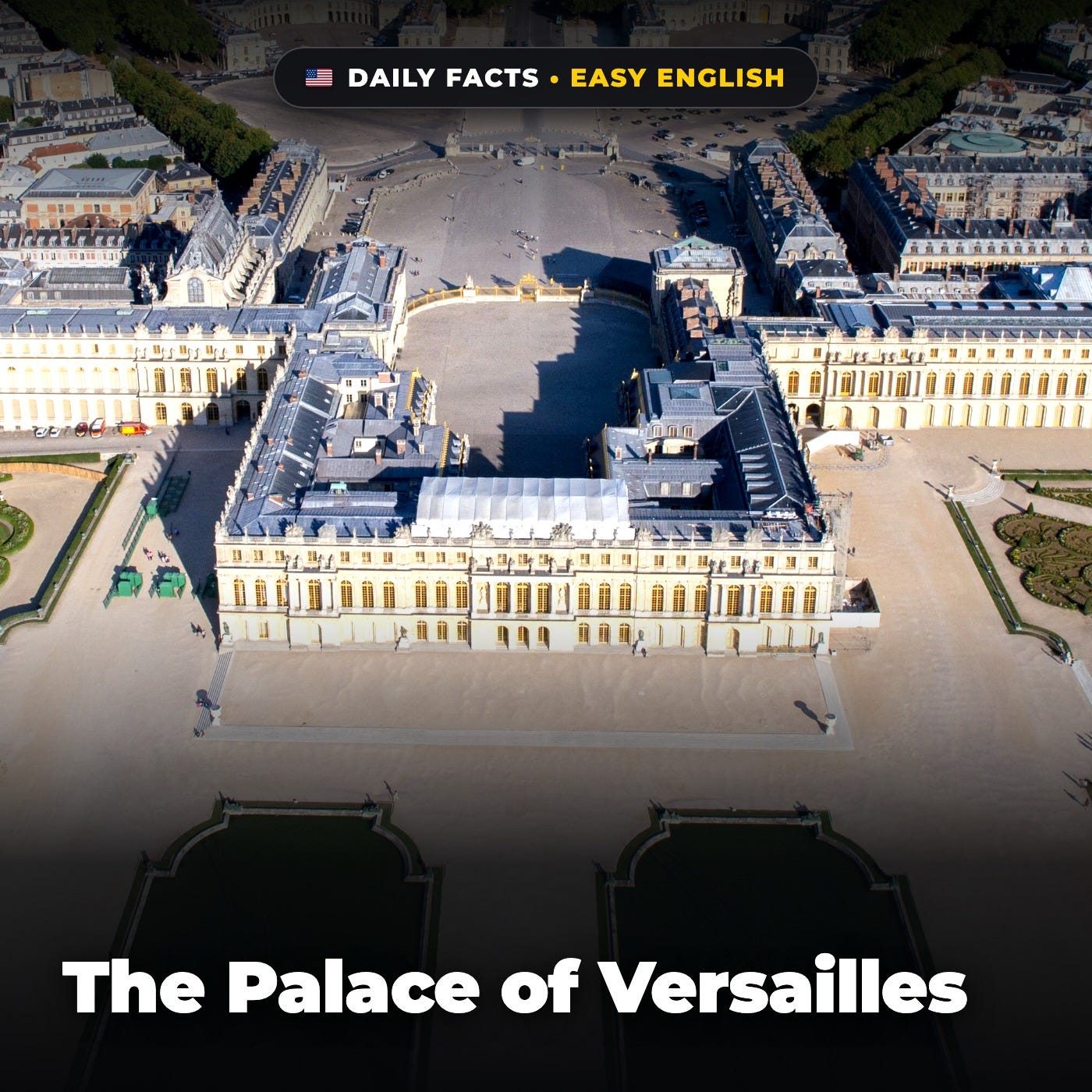
The Palace of Versailles is a château and historic monument in Versailles in the Yvelines department of France, southwest of Paris. It served as the principal residence of the French kings Louis XIV, Louis XV, and Louis XVI. In this episode, we break down the most important facts and stories about The Palace of Versailles using clear, beginner-friendly A1
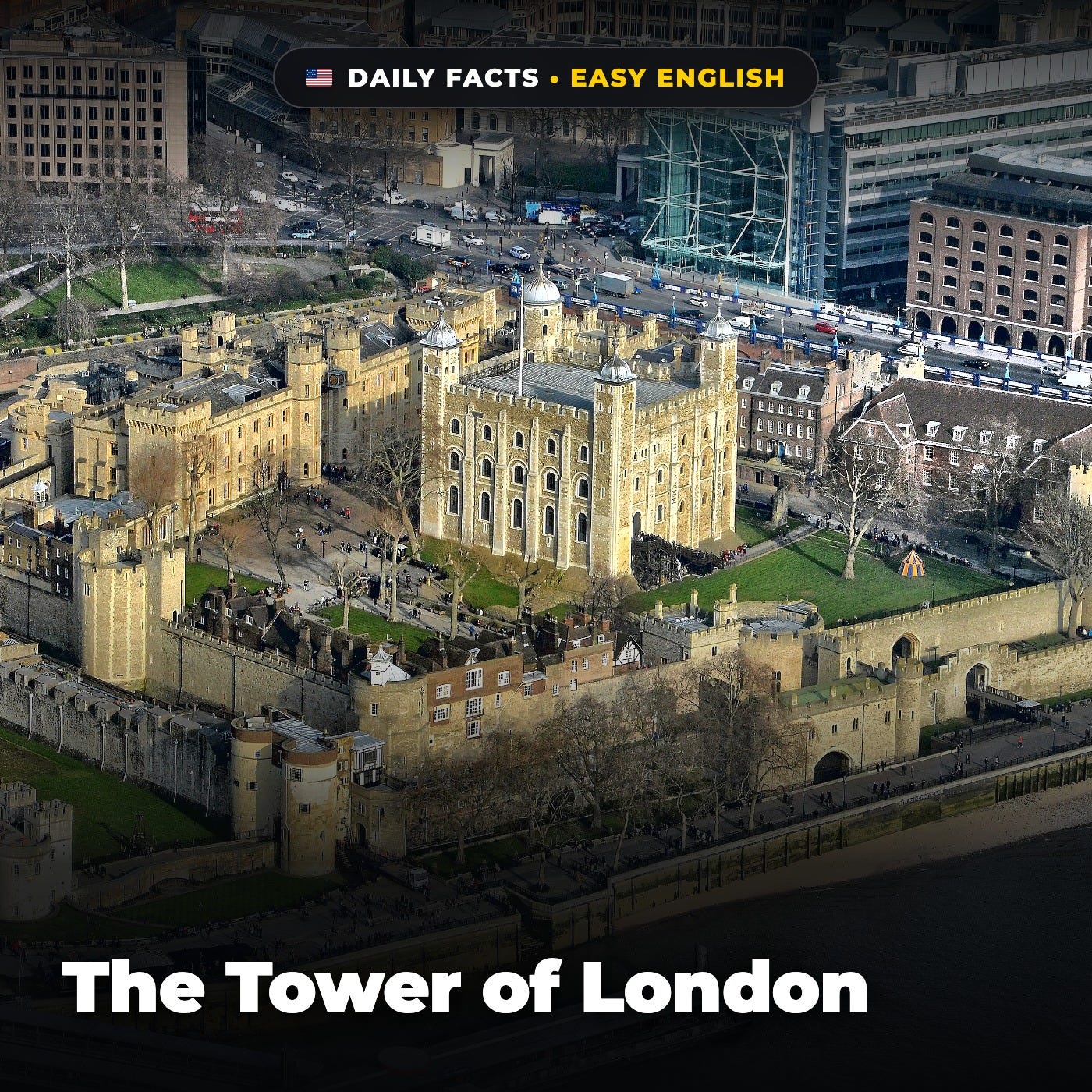
The Tower of London, officially His Majesty's Royal Palace and Fortress of the Tower of London, is a historic citadel and castle on the north bank of the River Thames in London, England. It lies within the London Borough of Tower Hamlets, which is separated from the eastern edge of the square mile of the City of London by the open space known as Tower Hill. It was founded toward the end of 1066 as part of the Norman Conquest. The White Tower, which gives the castle its name, was built by William the Conqueror in 1078 and was initially a resented symbol of oppression.
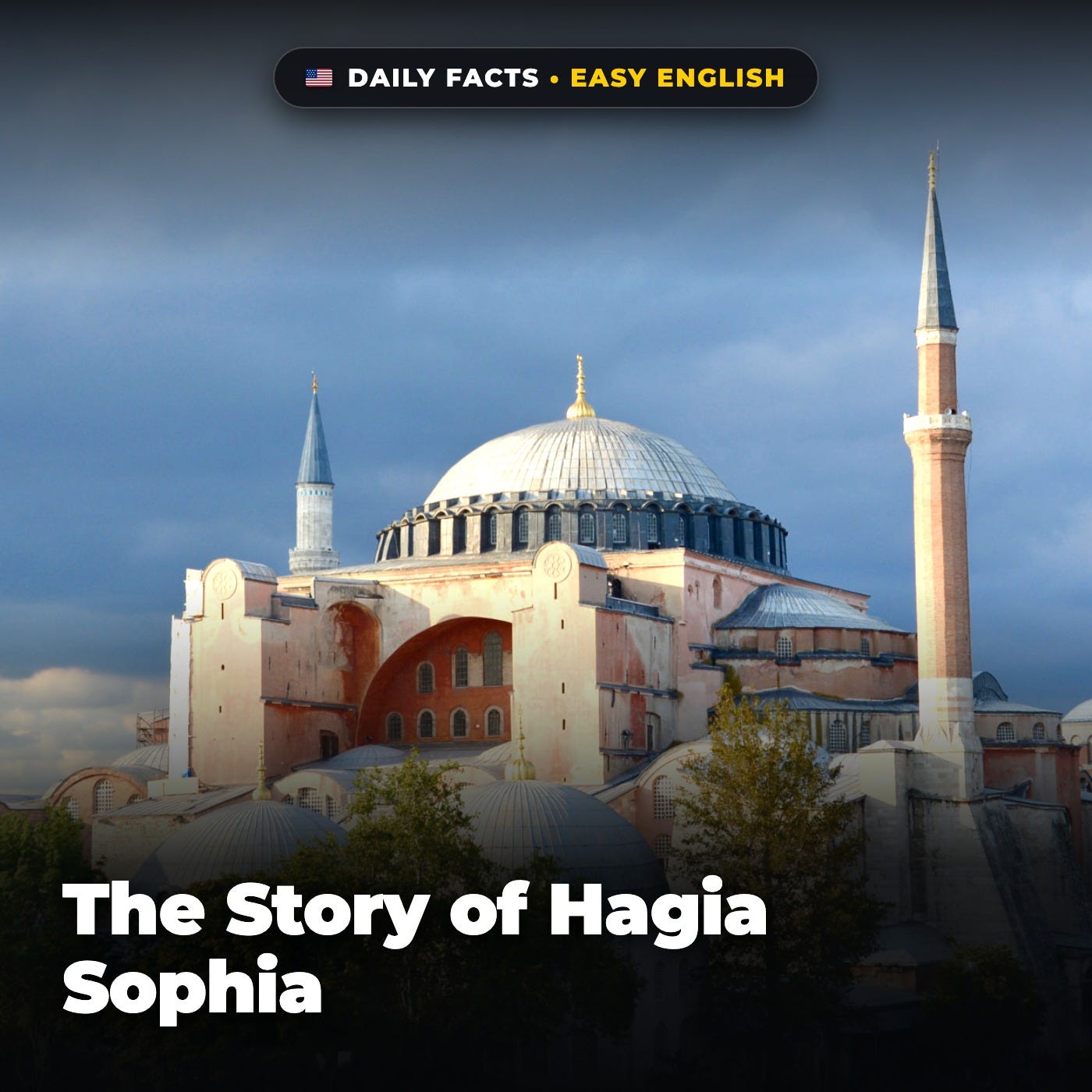
Hagia Sophia, officially the Hagia Sophia Grand Mosque, is a mosque and a major cultural and historical site in Istanbul, Turkey. It was formerly a church (360–1453) and a museum (1935–2020). The last of three church buildings to be successively erected on the site by the Eastern Roman Empire, it was completed in AD 537, becoming the world's largest interior space and among the first to employ a fully pendentive dome. It is considered the epitome of Byzantine architecture and is said to have "changed the history of architecture".