The Giant Panda in Easy English
Easy English · CEFR A1–A2 80% Slow Speed 15:55 Oct 21, 2026

The Giant Panda in Easy English

0:00 15:55

About This Episode

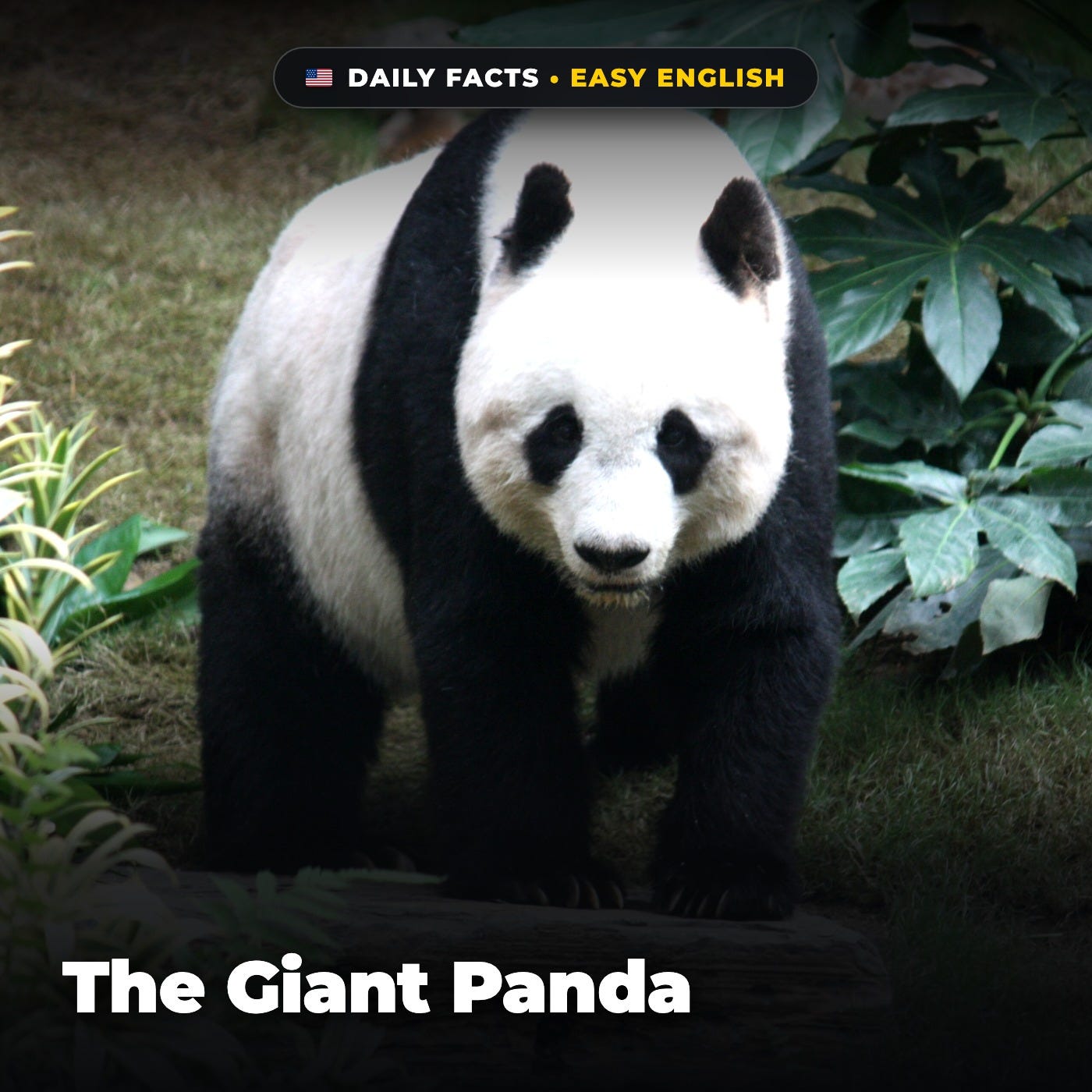
The giant panda is one of the most beloved and recognizable animals in the entire world. Native to the mist-covered mountain forests of central China, this iconic bear stands out with its bold black-and-white coat.

Though classified biologically as a carnivore, the panda spends nearly its entire day peacefully munching on bamboo stalks. Thanks to dedicated conservation efforts across the globe, this gentle giant is slowly recovering in the wild.
Key Topics & Highlights

  • A giant panda's diet is composed almost entirely of bamboo, requiring it to eat up to thirty-eight kilograms of stalks and leaves every day.
  • Pandas possess a specialized enlarged wrist bone that functions like an opposable false thumb to firmly grasp bamboo shoots while eating.
  • Newborn giant pandas are born pink, hairless, and blind, weighing roughly one hundred grams at birth.
  • Due to successful reforestation and breeding programs, the giant panda was officially reclassified from endangered to vulnerable.

Chapters & Timestamps

Click any chapter timestamp to jump directly to that section in the audio player.

Preview English Vocabulary

Click any preview word to hear pronunciation. Unlock all 20 core vocabulary words with episode context quotes inside the Substack Premium Study Companion.

More Daily Facts in Easy English Episodes

Browse All 100 Episodes →
The Great Blue Hole in Easy English
22:25
CEFR A1–A2

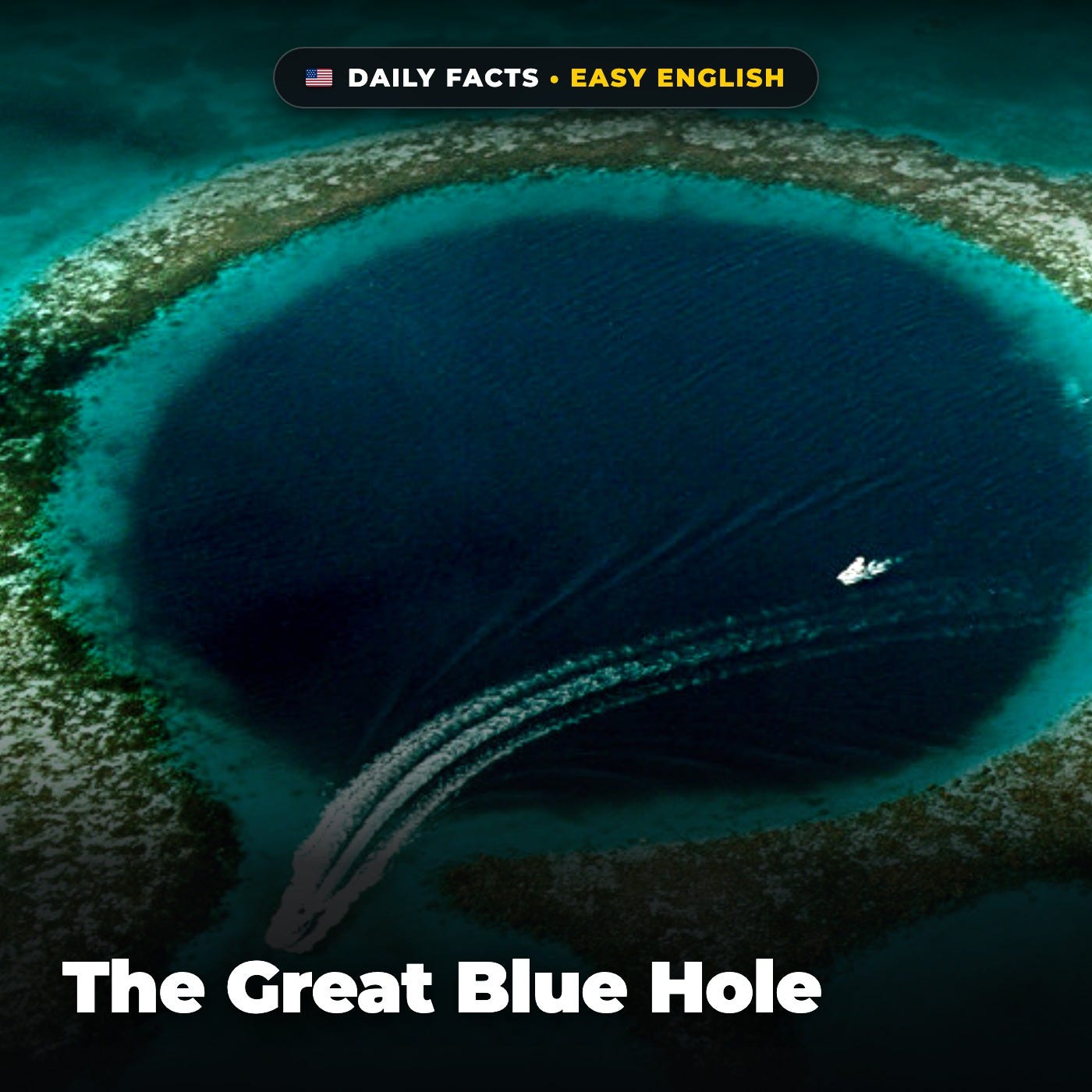
The Great Blue Hole in Easy English

The Great Blue Hole is a large marine sinkhole off the coast of Belize. It lies near the center of Lighthouse Reef, a small atoll 70 km (43 mi) from the mainland and Belize City. The hole is circular in shape, 318 m (1,043 ft) across and 124 m (407 ft) deep. It has a surface area of 70,650 square metres (760,500 sq ft).

The North American Beaver in Easy English
24:27
CEFR A1–A2

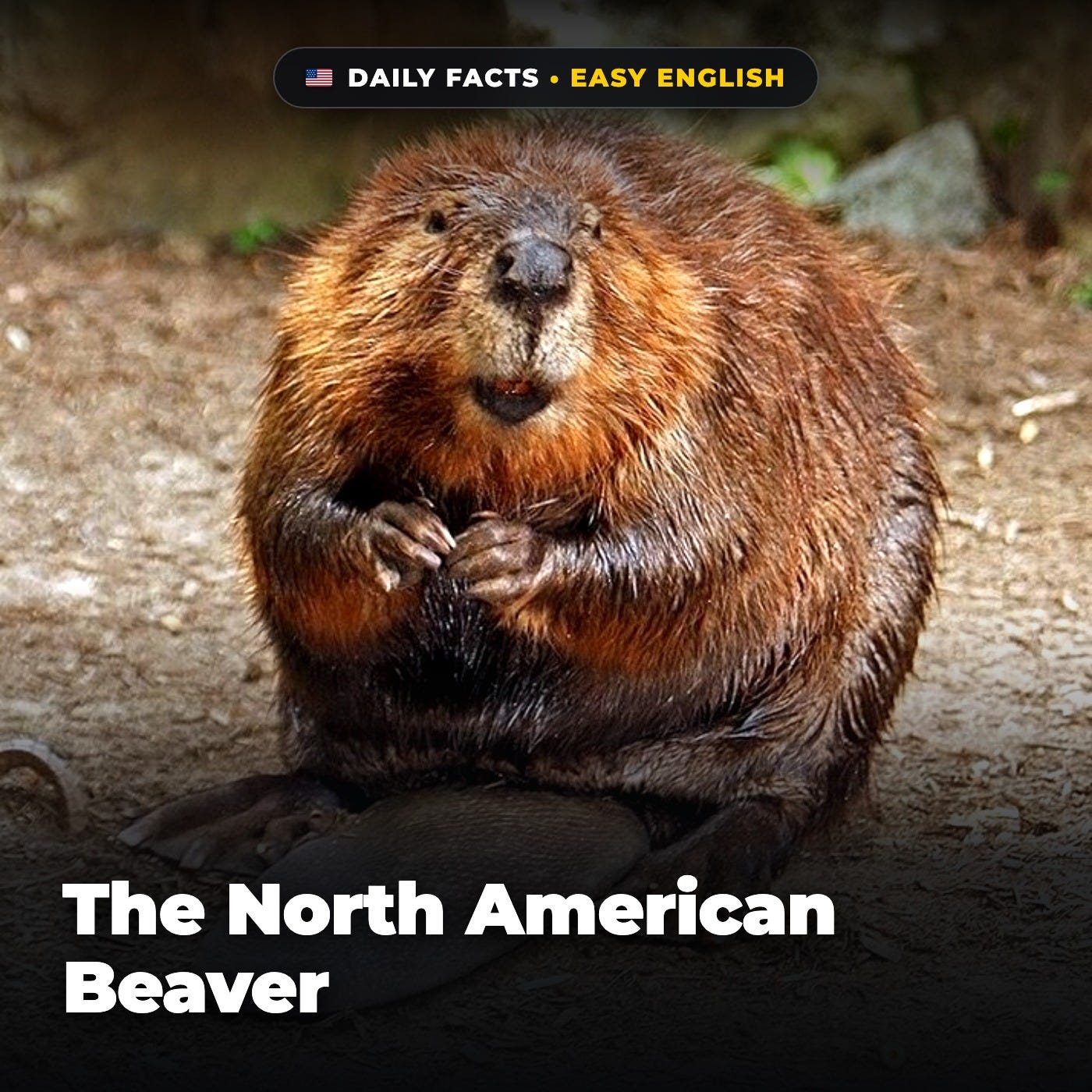
The North American Beaver in Easy English

The North American beaver is one of two extant beaver species, along with the Eurasian beaver. It is native to North America and has been introduced in South America (Patagonia) and Europe. The North American beaver is one of the national symbols of Canada and the official state mammal of Oregon and New York. North American beavers are widespread across the continental United States, Canada, southern Alaska, and some parts of northern Mexico.

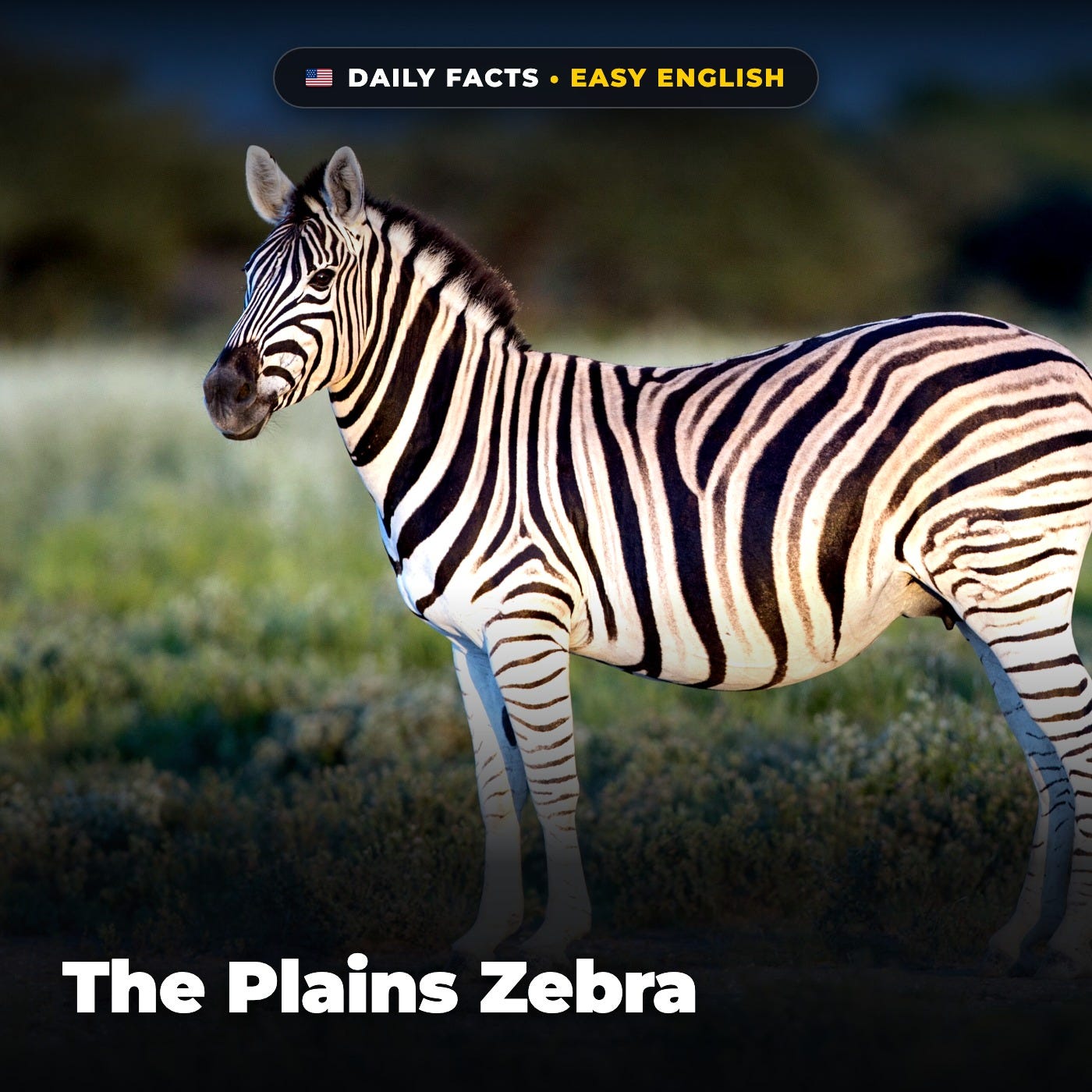
The Plains Zebra in Easy English
20:41
CEFR A1–A2

The Plains Zebra in Easy English

The plains zebra is the most common and geographically widespread species of zebra. Its range is fragmented, but spans much of southern and eastern Africa south of the Sahara. Six or seven subspecies have been recognised, including the quagga which was thought to be a separate species. More recent research supports variations in zebra populations being clines rather than subspecies.