The Mystery of the Rosetta Stone in Easy Spanish
Easy Spanish · CEFR A1–A2 80% Slow Speed 23:24 Oct 6, 2026

The Mystery of the Rosetta Stone in Easy Spanish

0:00 23:24

About This Episode

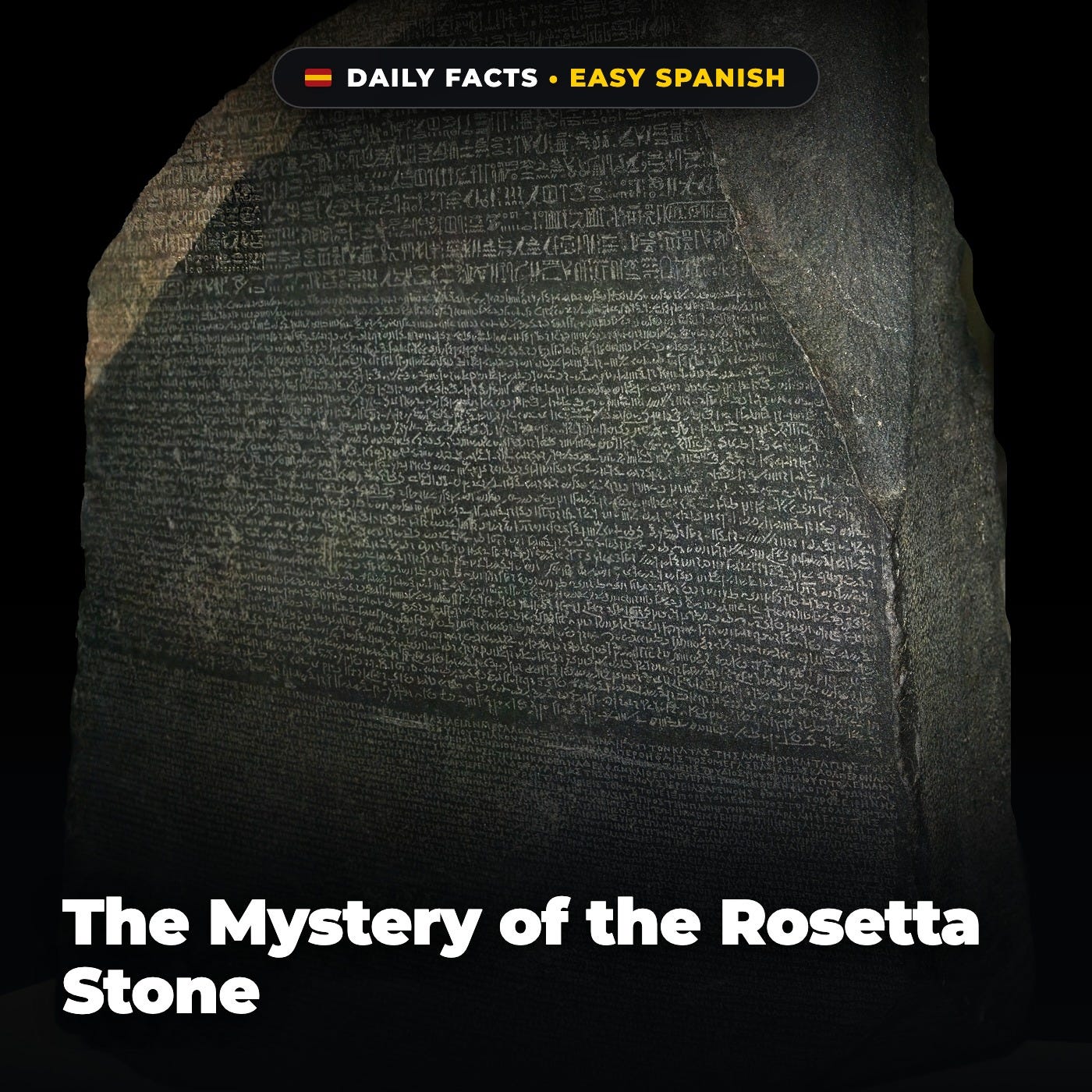
Uncover the story of the stone slab that unlocked ancient Egyptian history! In July 1799, French soldiers rebuilding a fort in the Nile Delta city of Rashid discovered the mysterious Rosetta Stone.

Learn how this granodiorite slab, carved with the same decree in Egyptian Hieroglyphs, Demotic, and Ancient Greek, allowed French linguist Jean-François Champollion to crack the hieroglyphic code in 1822.
Key Topics & Highlights

  • The Rosetta Stone was discovered in 1799 by French soldiers during Napoleon's Egyptian expedition.
  • It features a decree issued in 196 BC written in three scripts: Hieroglyphs, Demotic, and Ancient Greek.
  • Because scholars could read Greek, the stone served as a bilingual key to deciphering lost hieroglyphs.
  • Jean-François Champollion finally cracked the phonetic system of hieroglyphs in 1822 after years of study.

Chapters & Timestamps

Click any chapter timestamp to jump directly to that section in the audio player.

Preview Spanish Vocabulary

Click any preview word to hear pronunciation. Unlock all 20 core vocabulary words with episode context quotes inside the Substack Premium Study Companion.

More Daily Facts in Easy Spanish Episodes

Browse All 59 Episodes →
The Destruction of Pompeii in Easy Spanish
16:46
CEFR A1–A2

The Destruction of Pompeii in Easy Spanish

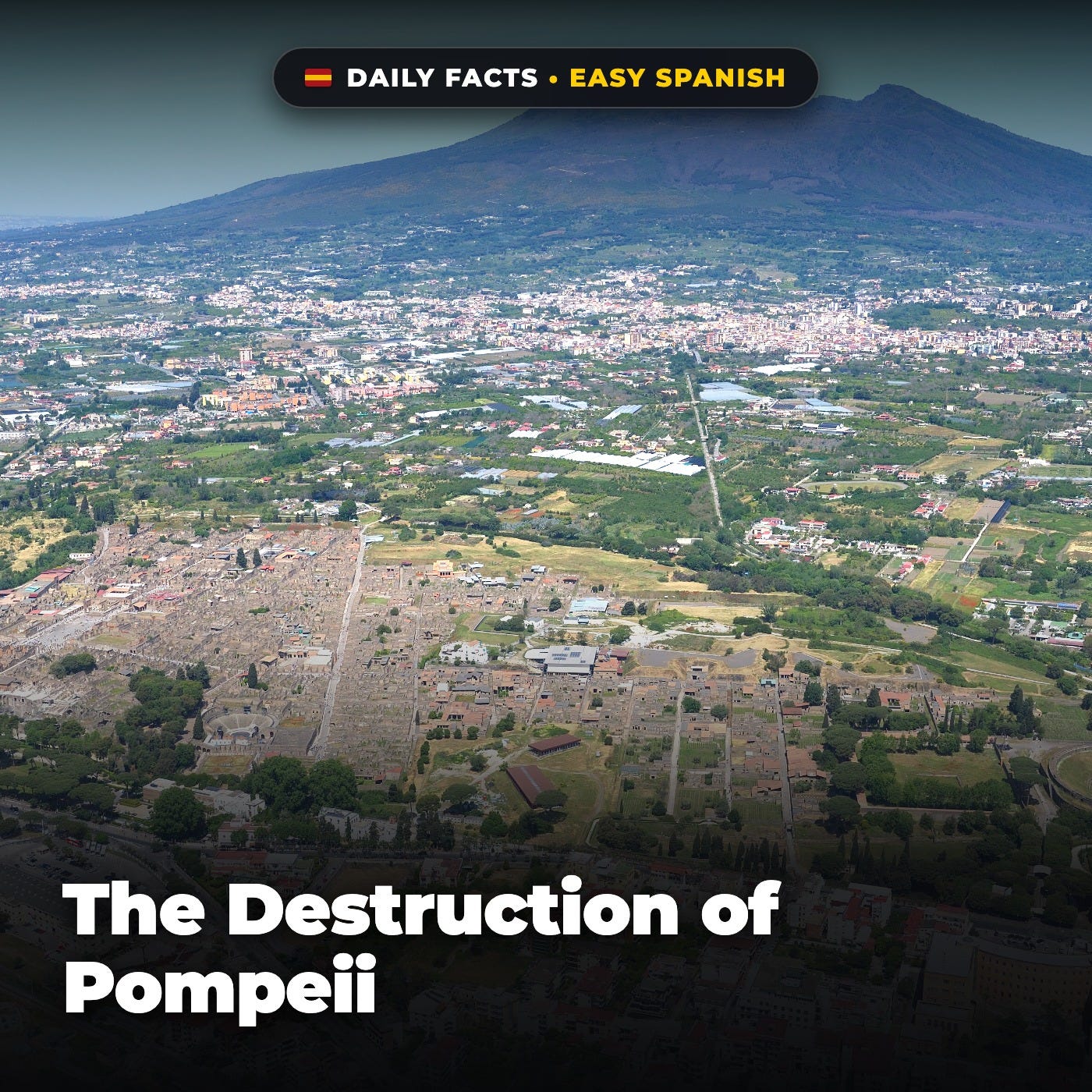
In the year 79 AD, the bustling Roman city of Pompeii met a sudden and tragic end. Mount Vesuvius erupted violently, burying the entire region under a deep blanket of burning volcanic ash and stone. Because the city was covered so quickly, buildings, artworks, and everyday objects remained frozen in time for centuries. Today, the rediscovery of Pompeii provides an extraordinary window into daily life in the ancient Roman world.

The South Pole Expedition in Easy Spanish
7:58
CEFR A1–A2

The South Pole Expedition in Easy Spanish

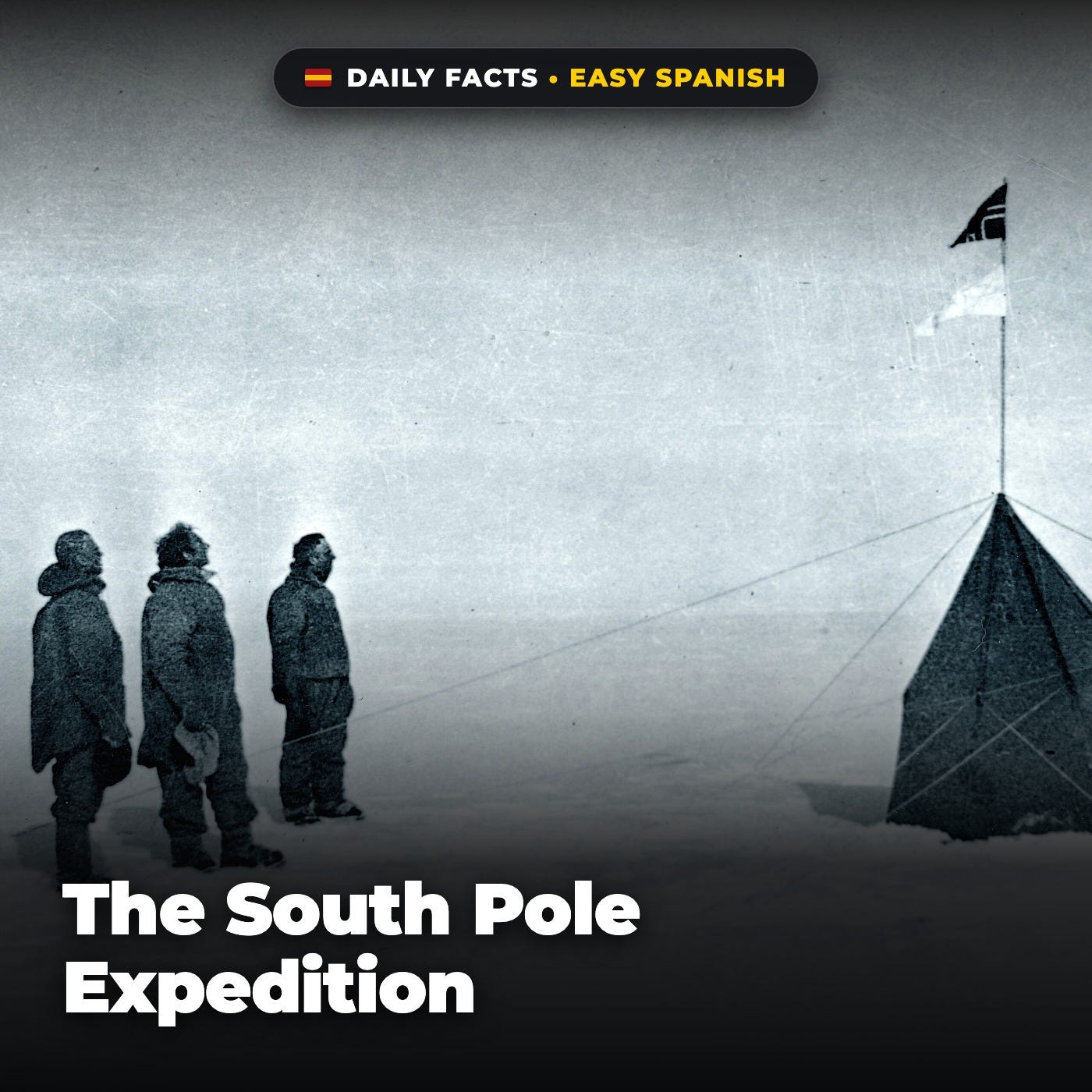
In late 1911, the frozen wilderness of Antarctica became the stage for one of history's greatest races. Norwegian explorer Roald Amundsen led a brave team into the unknown white desert to reach the bottom of the world. Relying on skilled sled dogs and smart planning, Amundsen successfully reached the South Pole weeks before his British rival. Today, their daring journey stands as an unforgettable tale of human endurance and polar exploration.

The Construction of the Panama Canal in Easy Spanish
23:03
CEFR A1–A2

The Construction of the Panama Canal in Easy Spanish

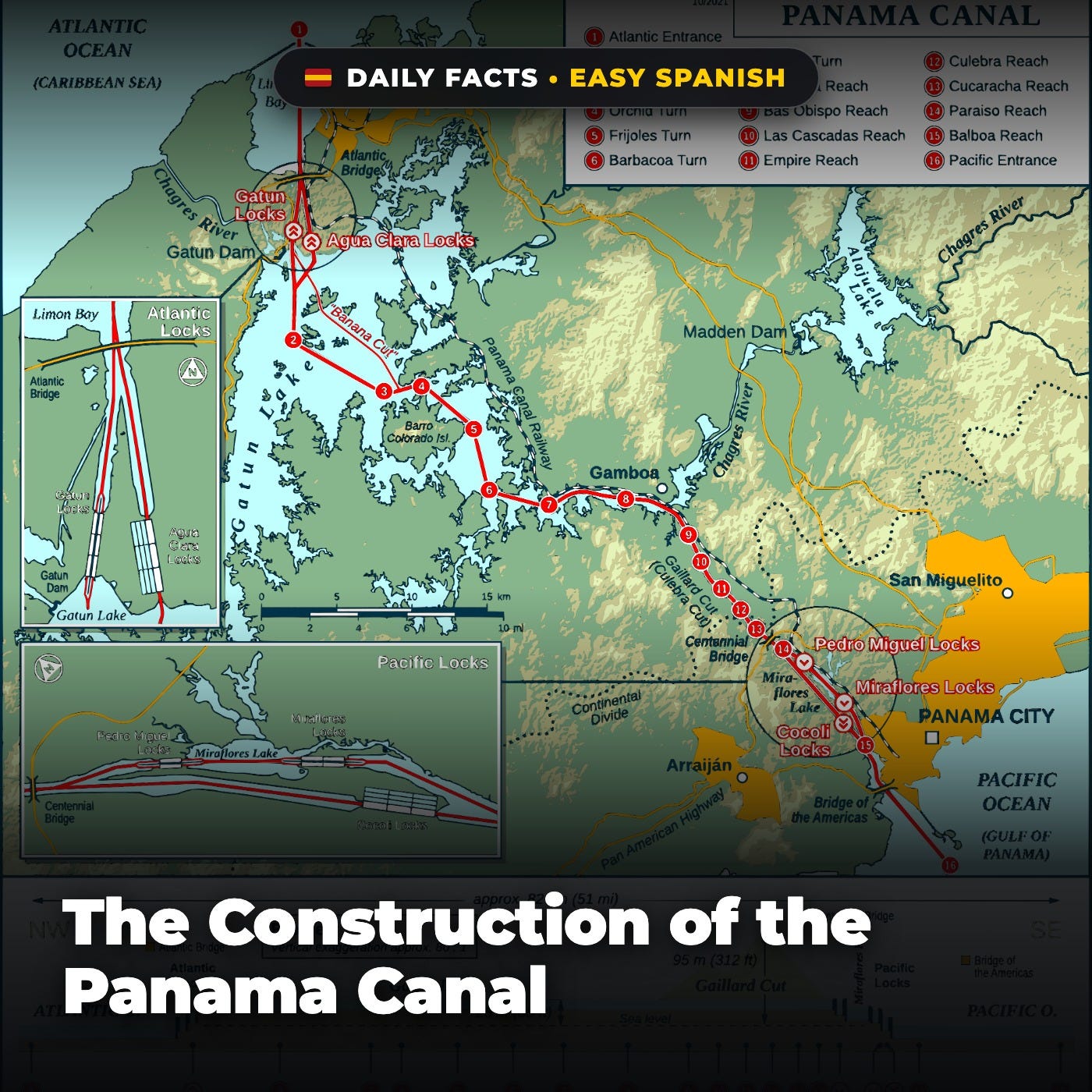
The Panama Canal is an artificial 82-kilometer (51-mile) waterway in Panama that connects the Caribbean Sea in the Atlantic Ocean with the Pacific Ocean. It cuts across the narrowest point of the Isthmus of Panama and is a conduit for maritime trade between the Atlantic Ocean and the Pacific Ocean. Locks at each end lift ships up to Gatun Lake, an artificial fresh water lake 26 meters (85 ft) above sea level, created by damming the Chagres River and Lake Alajuela to reduce the amount of excavation work required for the canal. Locks then lower the ships at the other end.