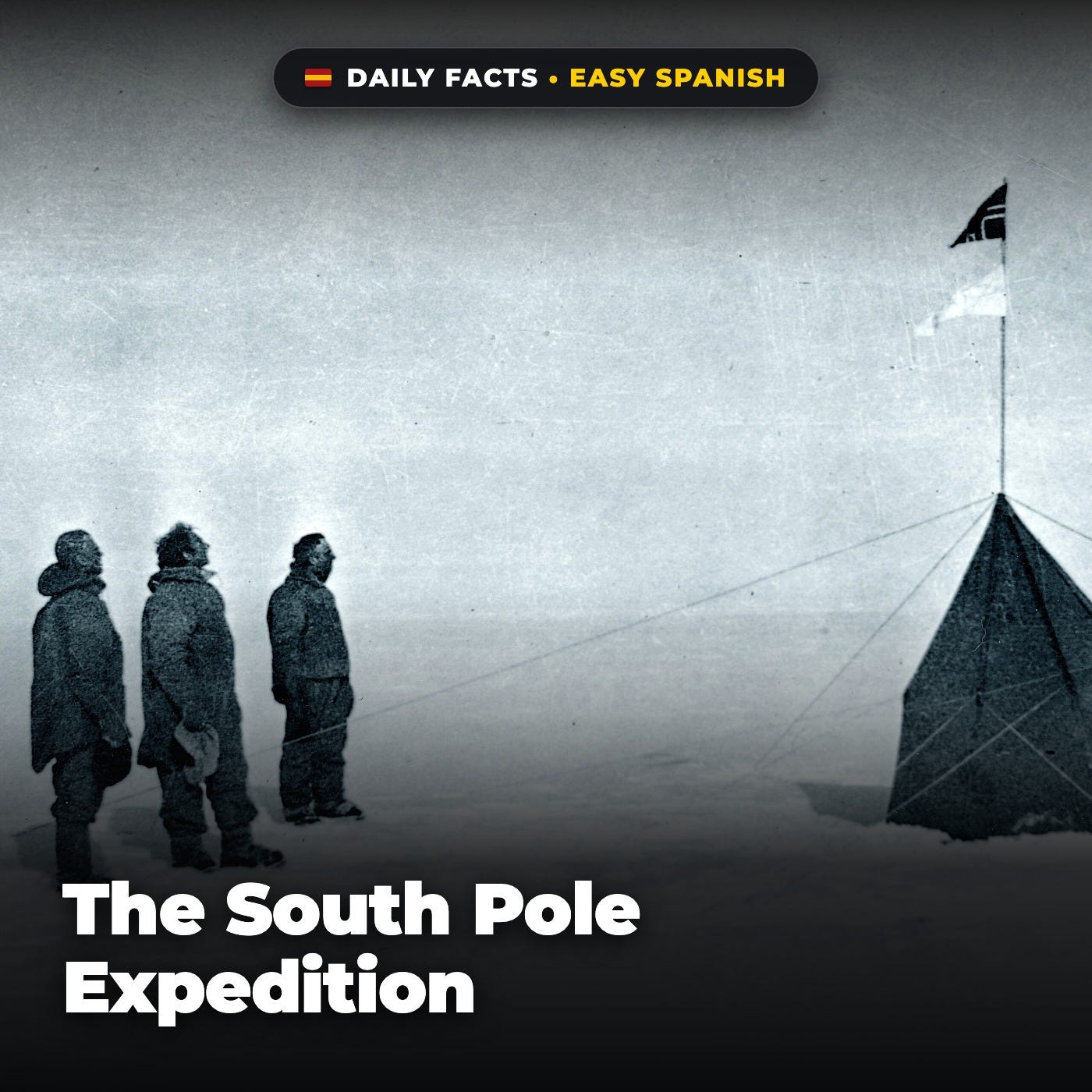
The South Pole Expedition in Easy Spanish
Easy Spanish · CEFR A1–A2 80% Slow Speed 7:58 Oct 16, 2026

The South Pole Expedition in Easy Spanish

0:00 7:58

About This Episode

In late 1911, the frozen wilderness of Antarctica became the stage for one of history's greatest races. Norwegian explorer Roald Amundsen led a brave team into the unknown white desert to reach the bottom of the world.

Relying on skilled sled dogs and smart planning, Amundsen successfully reached the South Pole weeks before his British rival. Today, their daring journey stands as an unforgettable tale of human endurance and polar exploration.
Key Topics & Highlights

  • Roald Amundsen and his four companions reached the South Pole on December 14, 1911.
  • The Norwegian team arrived at the pole five weeks before British explorer Robert Falcon Scott.
  • Amundsen used skis and sled dogs to travel quickly across the treacherous polar ice.
  • The explorers left a small tent named Polheim along with a letter to mark their historic arrival.

Chapters & Timestamps

Click any chapter timestamp to jump directly to that section in the audio player.

Preview Spanish Vocabulary

Click any preview word to hear pronunciation. Unlock all 20 core vocabulary words with episode context quotes inside the Substack Premium Study Companion.

More Daily Facts in Easy Spanish Episodes

Browse All 59 Episodes →
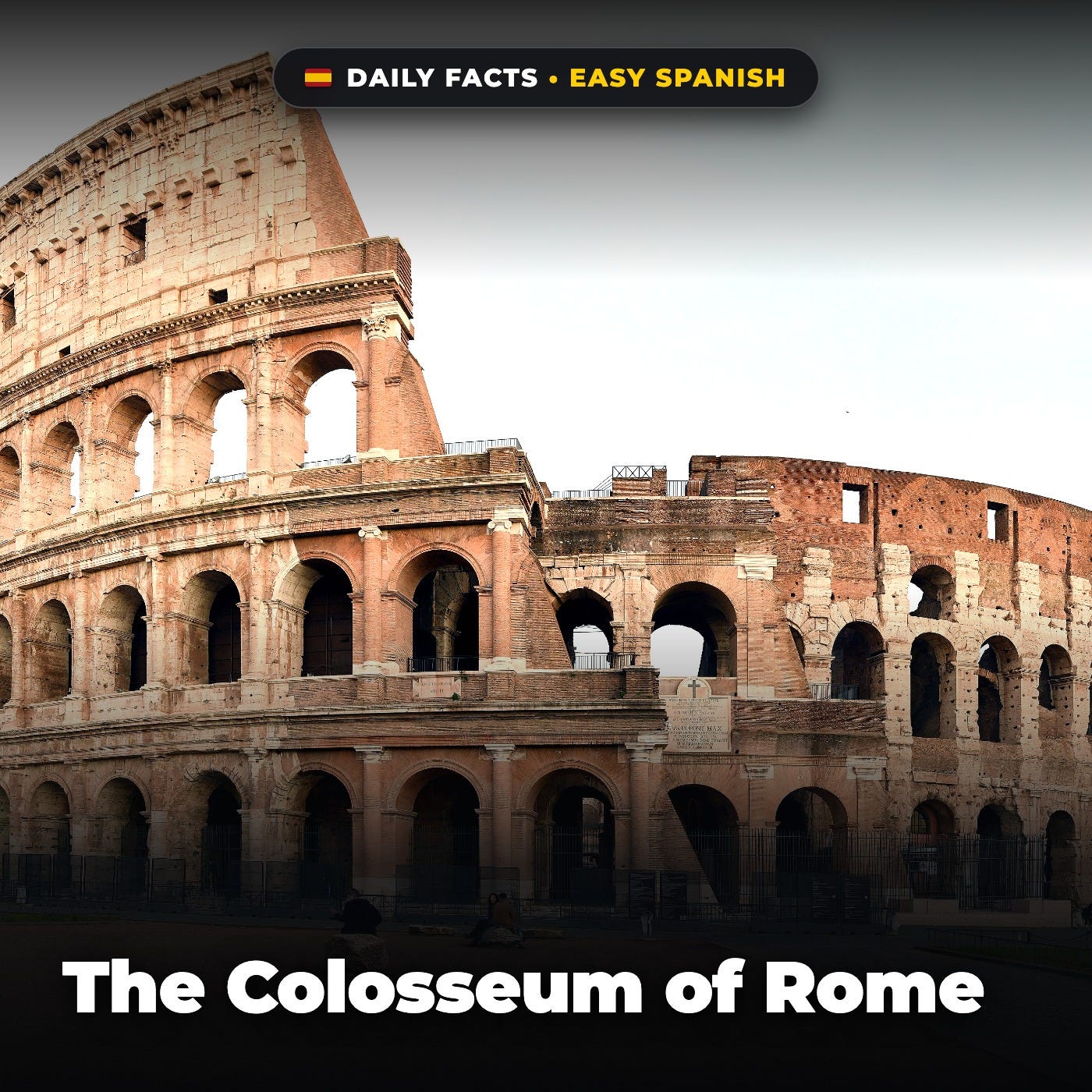
The Colosseum of Rome in Easy Spanish
18:50
CEFR A1–A2

The Colosseum of Rome in Easy Spanish

The Colosseum is an elliptical amphitheatre in the centre of the city of Rome, Italy, just east of the Roman Forum. It is the largest ancient amphitheatre ever built, and is the largest standing amphitheatre in the world. Construction began under the Emperor Vespasian in 72 and was completed in AD 80 under his successor and heir, Titus. Further modifications were made during the reign of Domitian.

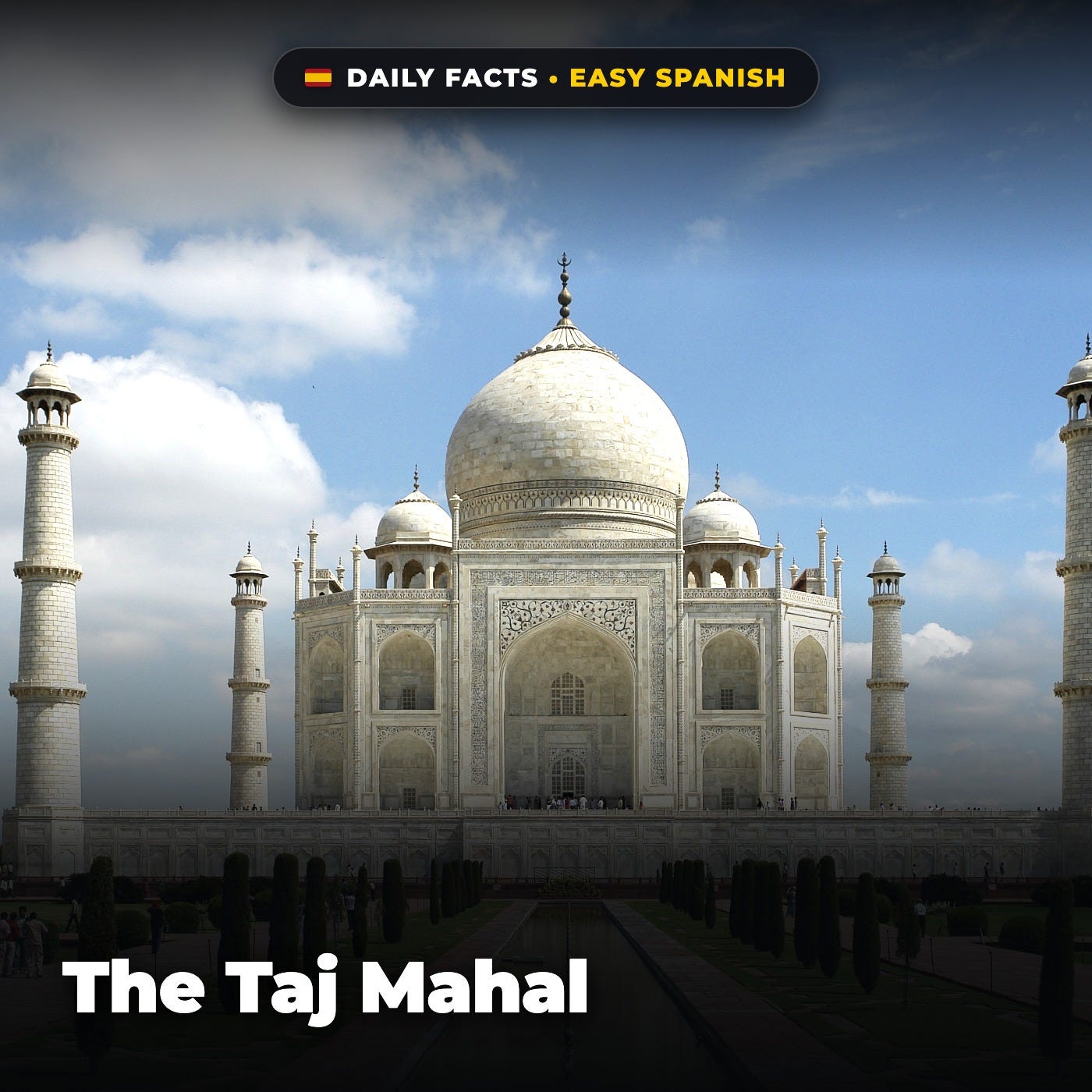
The Taj Mahal in Easy Spanish
10:32
CEFR A1–A2

The Taj Mahal in Easy Spanish

The Taj Mahal is an ivory-white marble mausoleum on the right bank of the river Yamuna in Agra, Uttar Pradesh, India. It was commissioned in 1631 by the fifth Mughal emperor, Shah Jahan, to house the tomb of his late wife, Mumtaz Mahal; it also houses the tomb of Shah Jahan himself. The tomb is the centrepiece of a 17-hectare (42-acre) complex, which includes a mosque and a guest house, and is set in formal gardens bounded on three sides by a crenellated wall.

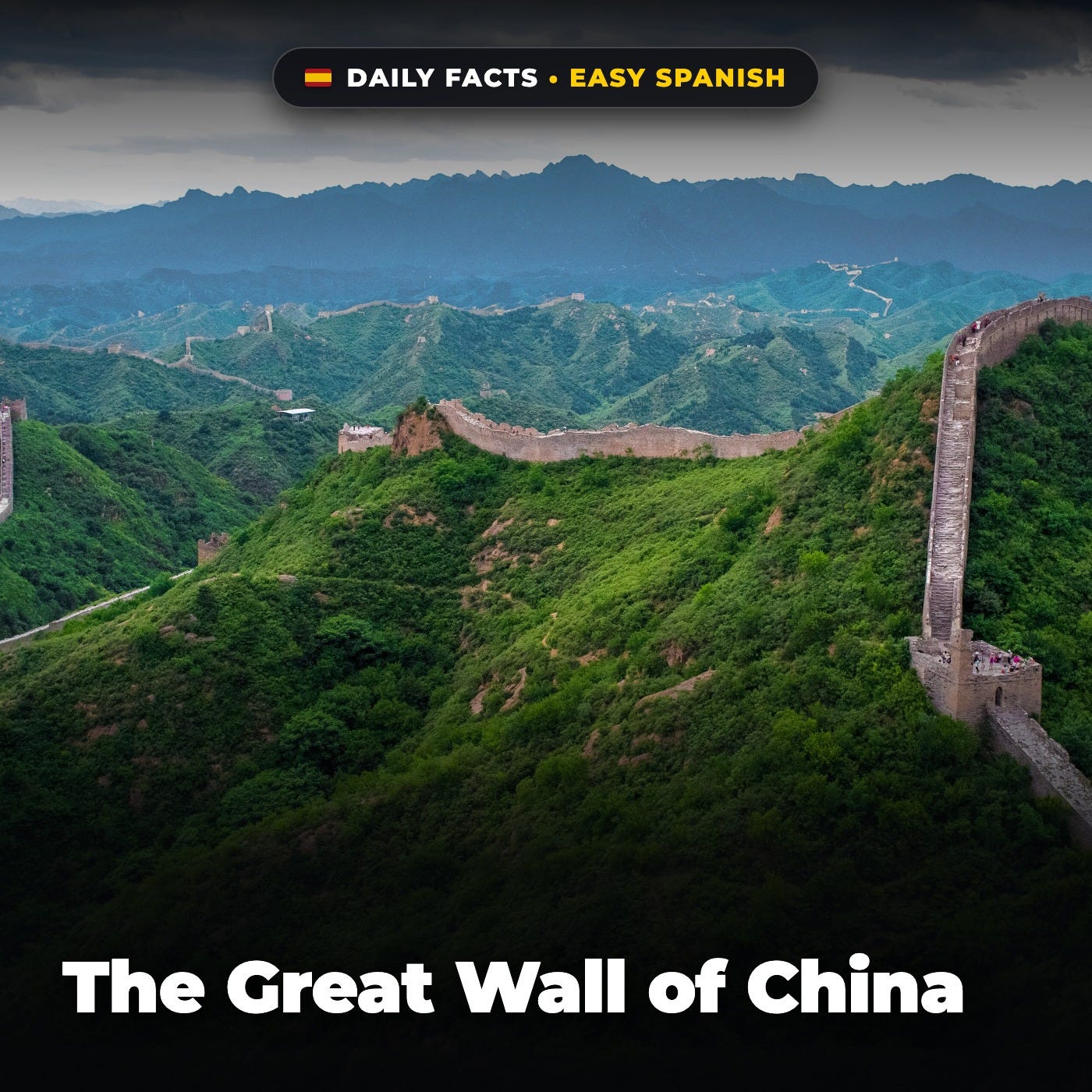
The Great Wall of China in Easy Spanish
15:18
CEFR A1–A2

The Great Wall of China in Easy Spanish

The Great Wall of China is a series of fortifications in China. They were built across the historical northern borders of ancient Chinese states and Imperial China as protection against various nomadic groups from the Eurasian Steppe. The first walls date to the 7th century BC; these were joined together in the Qin dynasty. Successive dynasties expanded the wall system; the best-known sections were built by the Ming dynasty (1368–1644).