The Life of Marie Curie in Easy Spanish
Easy Spanish · CEFR A1–A2 80% Slow Speed 18:42 Sep 30, 2026

The Life of Marie Curie in Easy Spanish

0:00 18:42

About This Episode

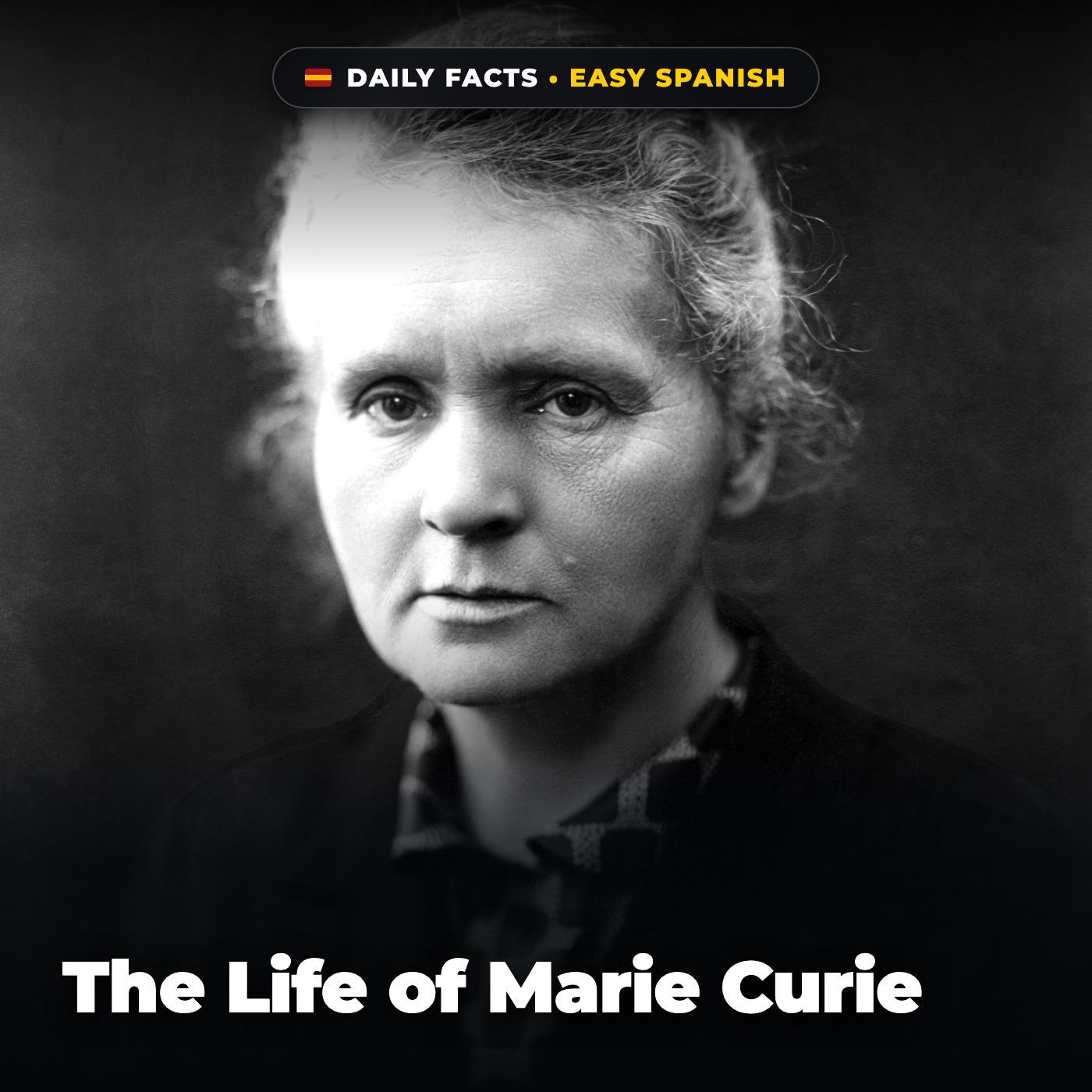
Celebrate the inspiring life and scientific brilliance of Marie Curie, one of history's greatest pioneers. Born in Warsaw, she overcame poverty and discrimination to study at the Sorbonne in Paris.

Discover how her tireless research into uranium rays led to the discovery of two new chemical elements—polonium and radium—and revolutionized physics and medicine, earning her two Nobel Prizes.
Key Topics & Highlights

  • Marie Curie was the first woman to win a Nobel Prize and the only person to win in two different scientific fields.
  • She discovered two radioactive elements: Polonium (named after her homeland Poland) and Radium.
  • She coined the term 'radioactivity' to describe the spontaneous emission of energy from atoms.
  • During World War I, she developed mobile X-ray units ('Petites Curies') to help wounded soldiers on the front.

Chapters & Timestamps

Click any chapter timestamp to jump directly to that section in the audio player.

Preview Spanish Vocabulary

Click any preview word to hear pronunciation. Unlock all 20 core vocabulary words with episode context quotes inside the Substack Premium Study Companion.

More Daily Facts in Easy Spanish Episodes

Browse All 59 Episodes →
The Life of Leonardo da Vinci in Easy Spanish
15:54
CEFR A1–A2

The Life of Leonardo da Vinci in Easy Spanish

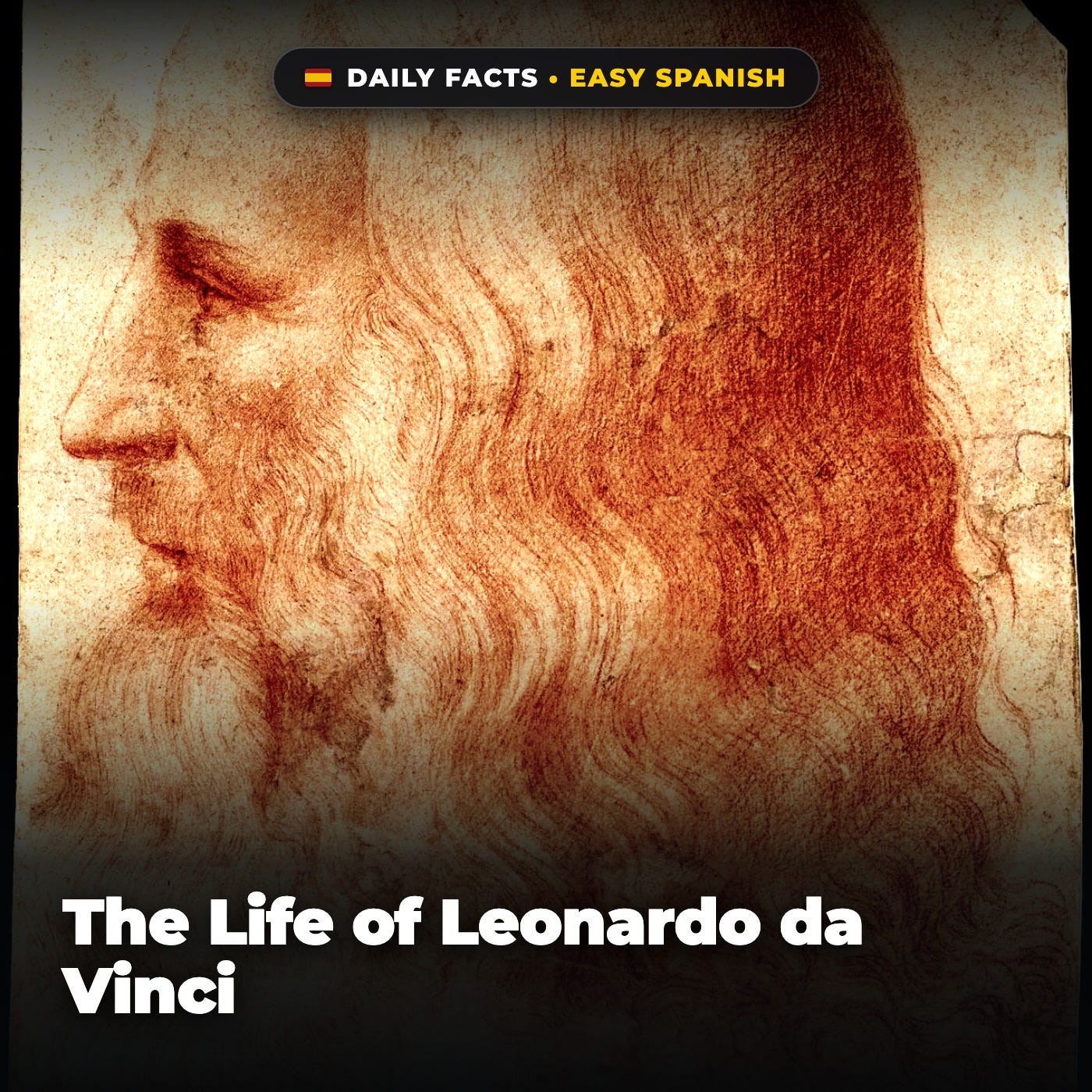
Leonardo di ser Piero da Vinci, better known as Leonardo da Vinci, was an Italian polymath of the High Renaissance who was active as a painter, draughtsman, engineer, scientist, theorist, sculptor, and architect. While his fame initially rested on his achievements as a painter, he has also become known for his notebooks, in which he made drawings and notes on a variety of subjects, including anatomy, astronomy, botany, cartography, painting, and palaeontology. Leonardo is widely regarded as a genius who epitomised the Renaissance humanist ideal, and his collective works contributed to the development of European art to an extent rivalled only by that of his younger contemporary Michelangelo.

The Life of Albert Einstein in Easy Spanish
8:19
CEFR A1–A2

The Life of Albert Einstein in Easy Spanish

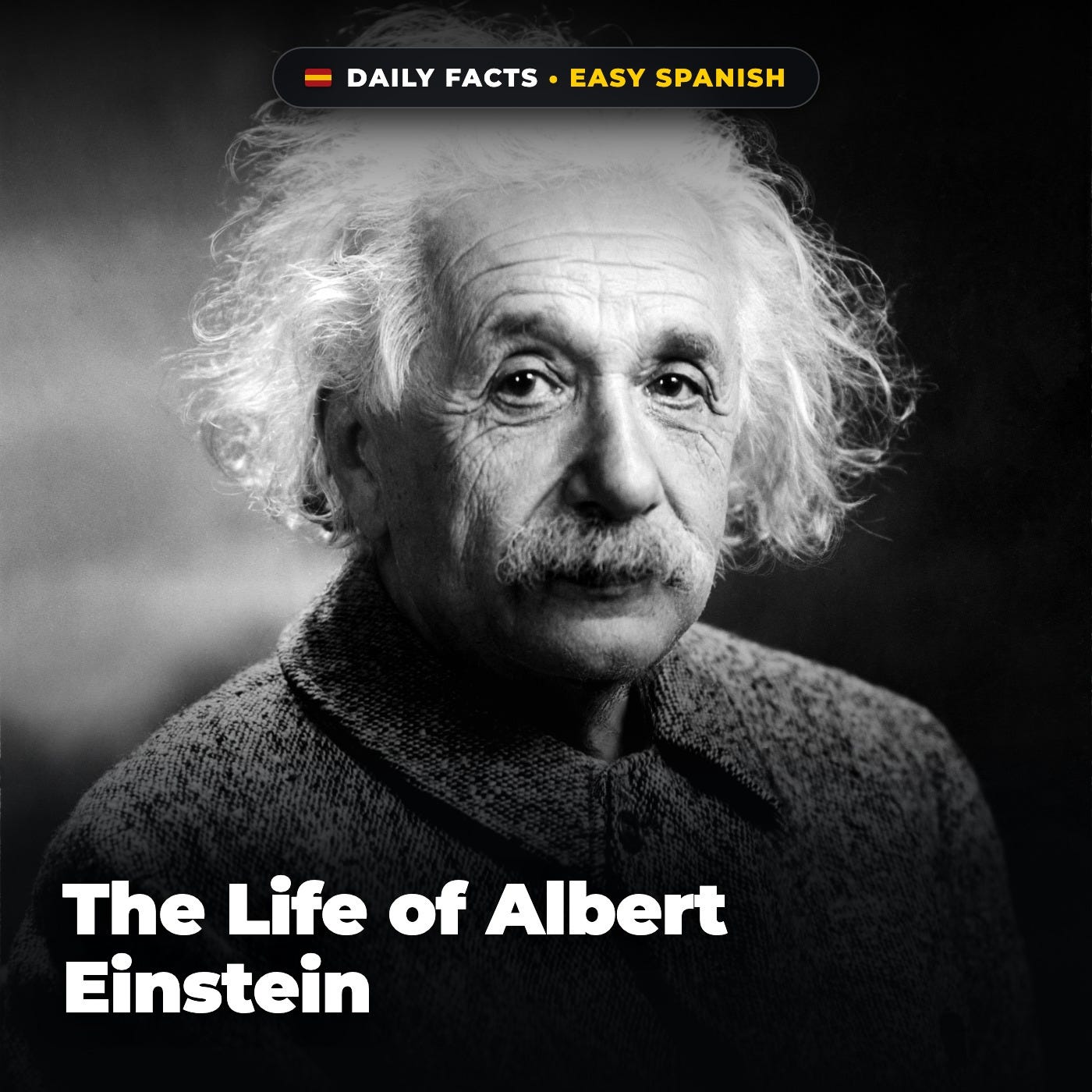
Albert Einstein was one of the most influential and celebrated scientists in human history. Born in Germany, his revolutionary ideas completely transformed how we understand space, light, and gravity. Beyond his brilliant physics equations and iconic formula, he was a passionate violinist and a committed advocate for global peace. Explore the inspiring story of a curious patent clerk whose imagination reshaped our entire universe.

The Eiffel Tower in Easy Spanish
9:31
CEFR A1–A2

The Eiffel Tower in Easy Spanish

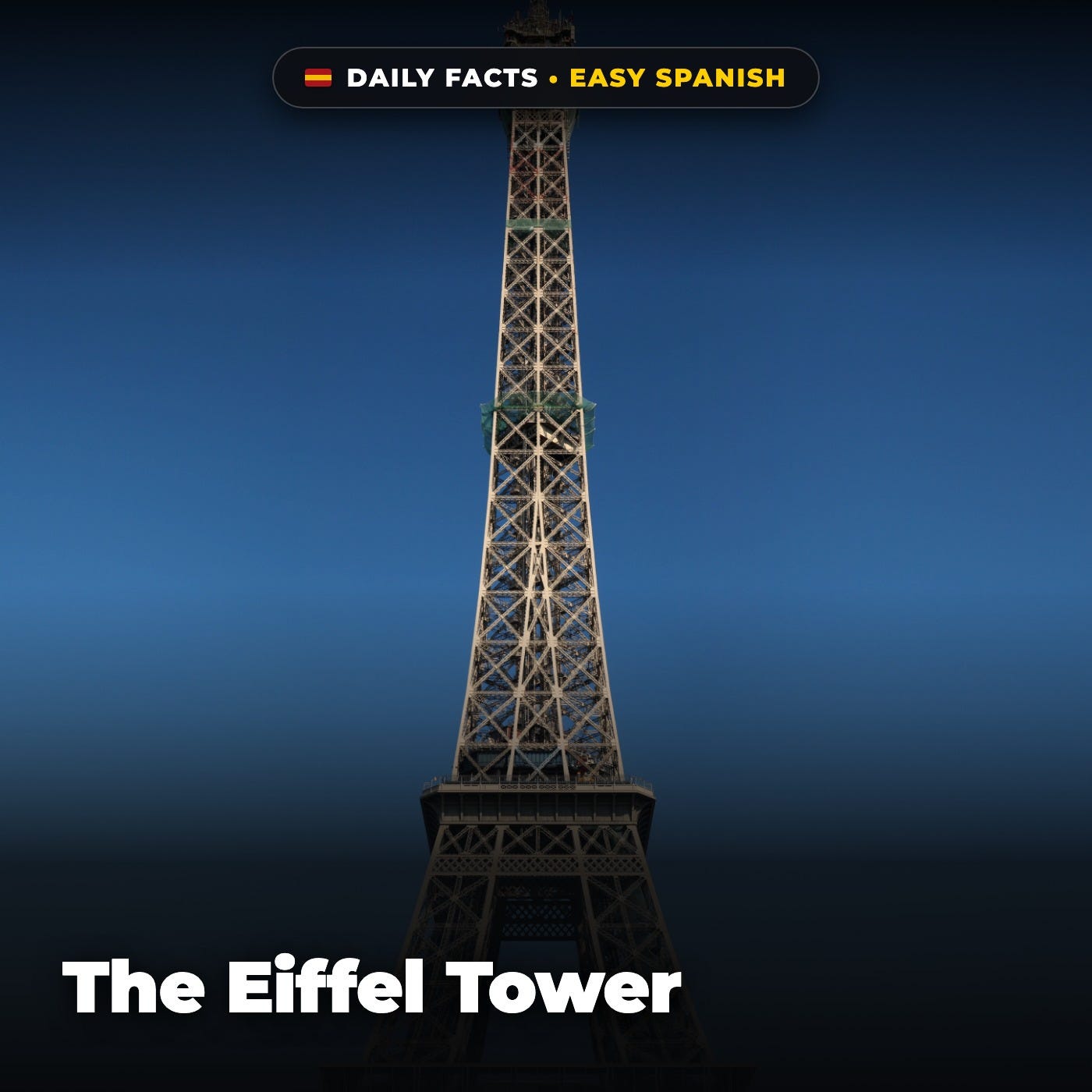
Rising high above the Paris skyline, the Eiffel Tower is one of the most recognizable landmarks in the entire world. Built between 1887 and 1889 by engineer Gustave Eiffel, this towering iron structure was originally created for the World's Fair. Although many artists initially disliked its bold metal design, the tower soon won the hearts of locals and travelers alike. Today, millions of people visit each year to enjoy breathtaking views and celebrate French culture.