The Eiffel Tower in Easy Spanish
Easy Spanish · CEFR A1–A2 80% Slow Speed 9:31 Oct 27, 2026

The Eiffel Tower in Easy Spanish

0:00 9:31

About This Episode

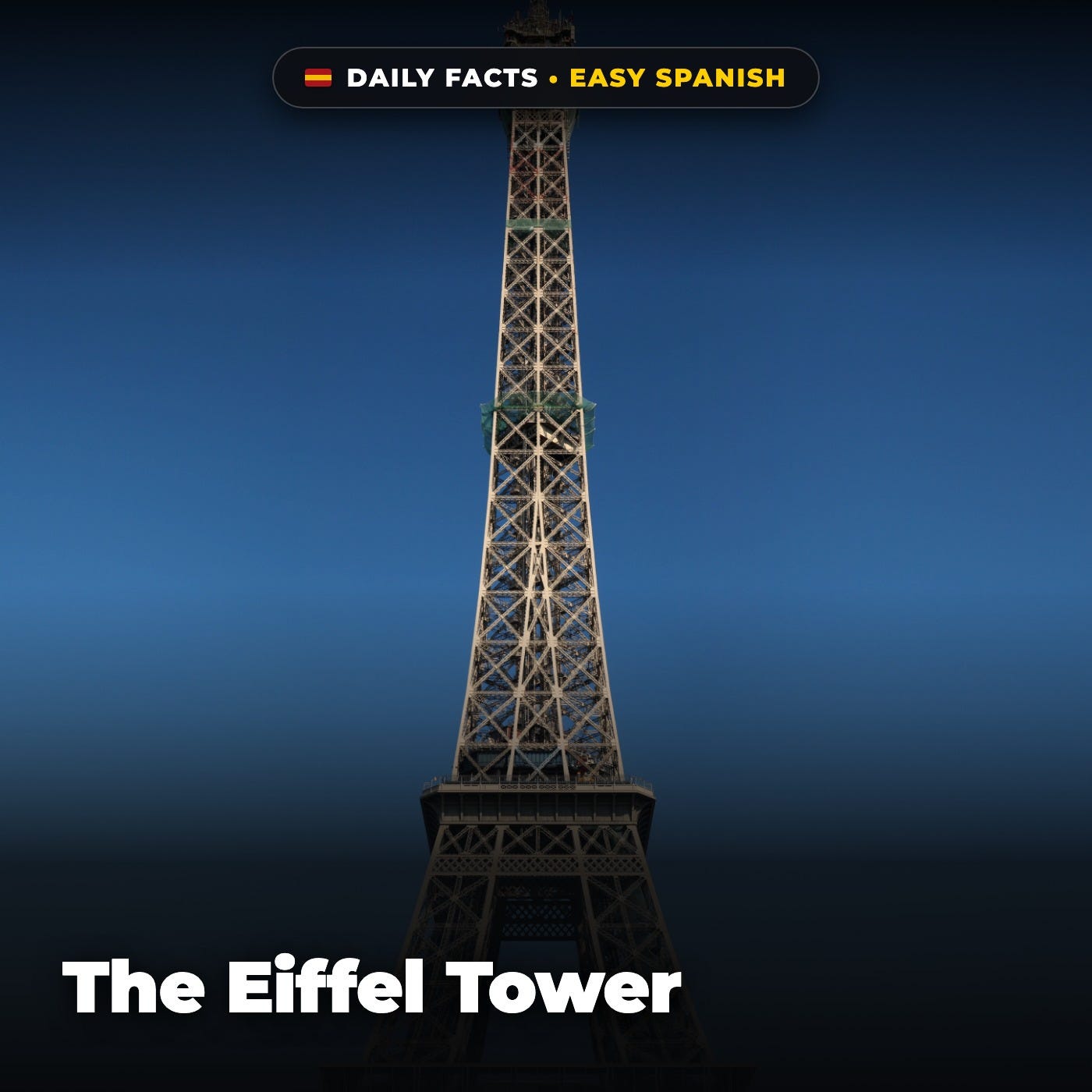
Rising high above the Paris skyline, the Eiffel Tower is one of the most recognizable landmarks in the entire world. Built between 1887 and 1889 by engineer Gustave Eiffel, this towering iron structure was originally created for the World's Fair.

Although many artists initially disliked its bold metal design, the tower soon won the hearts of locals and travelers alike. Today, millions of people visit each year to enjoy breathtaking views and celebrate French culture.
Key Topics & Highlights

  • The tower was constructed as the grand entrance arch for the 1889 World's Fair in Paris.
  • During summer heat, thermal expansion can cause the metal structure to grow by up to fifteen centimeters.
  • Originally intended to stand for only twenty years, it was saved because its height made it valuable as a radio antenna.
  • It takes approximately sixty tons of paint every seven years to protect the massive iron frame from rust.

Chapters & Timestamps

Click any chapter timestamp to jump directly to that section in the audio player.

Preview Spanish Vocabulary

Click any preview word to hear pronunciation. Unlock all 20 core vocabulary words with episode context quotes inside the Substack Premium Study Companion.

More Daily Facts in Easy Spanish Episodes

Browse All 59 Episodes →
The Taj Mahal in Easy Spanish
10:32
CEFR A1–A2

The Taj Mahal in Easy Spanish

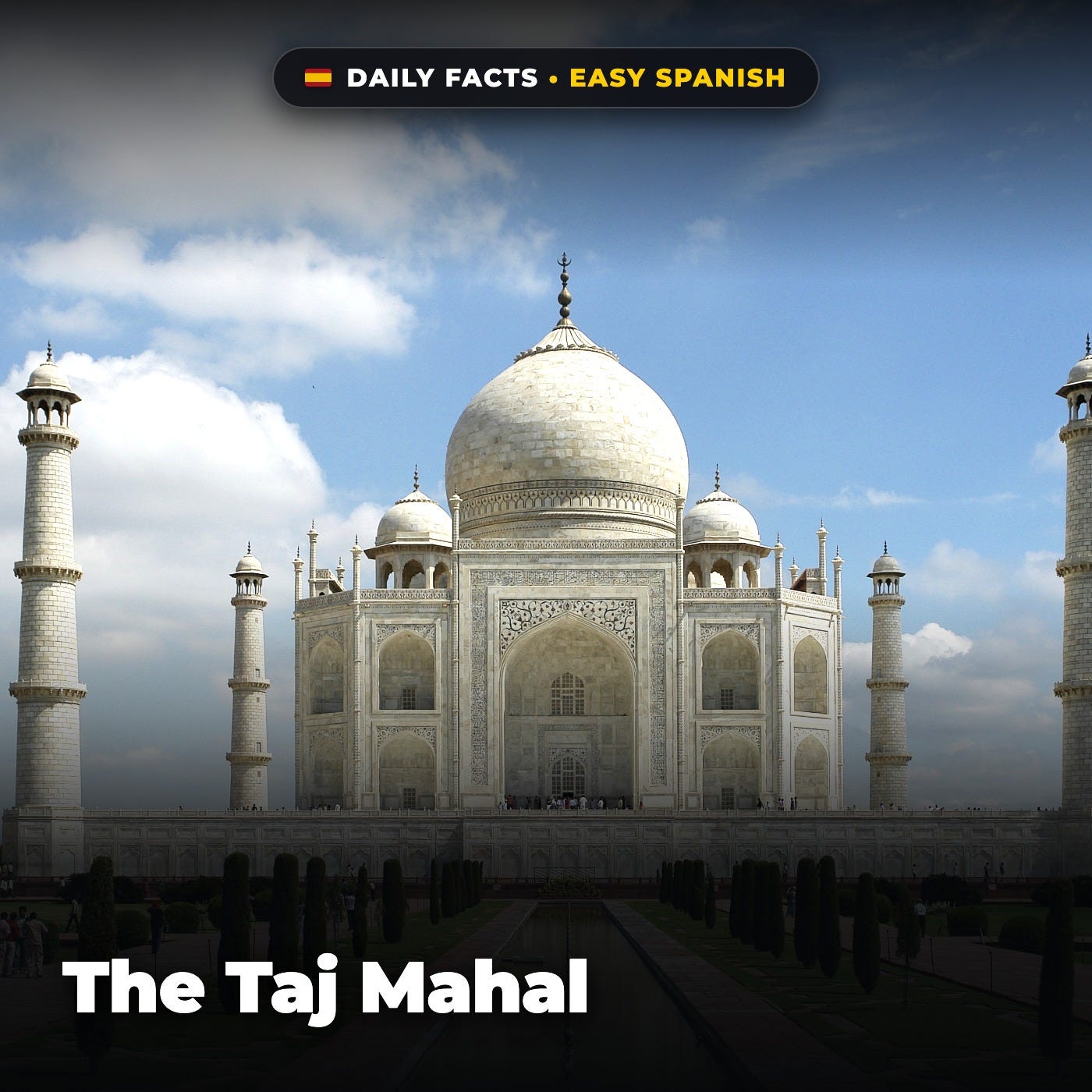
The Taj Mahal is an ivory-white marble mausoleum on the right bank of the river Yamuna in Agra, Uttar Pradesh, India. It was commissioned in 1631 by the fifth Mughal emperor, Shah Jahan, to house the tomb of his late wife, Mumtaz Mahal; it also houses the tomb of Shah Jahan himself. The tomb is the centrepiece of a 17-hectare (42-acre) complex, which includes a mosque and a guest house, and is set in formal gardens bounded on three sides by a crenellated wall.

The Life of Leonardo da Vinci in Easy Spanish
15:54
CEFR A1–A2

The Life of Leonardo da Vinci in Easy Spanish

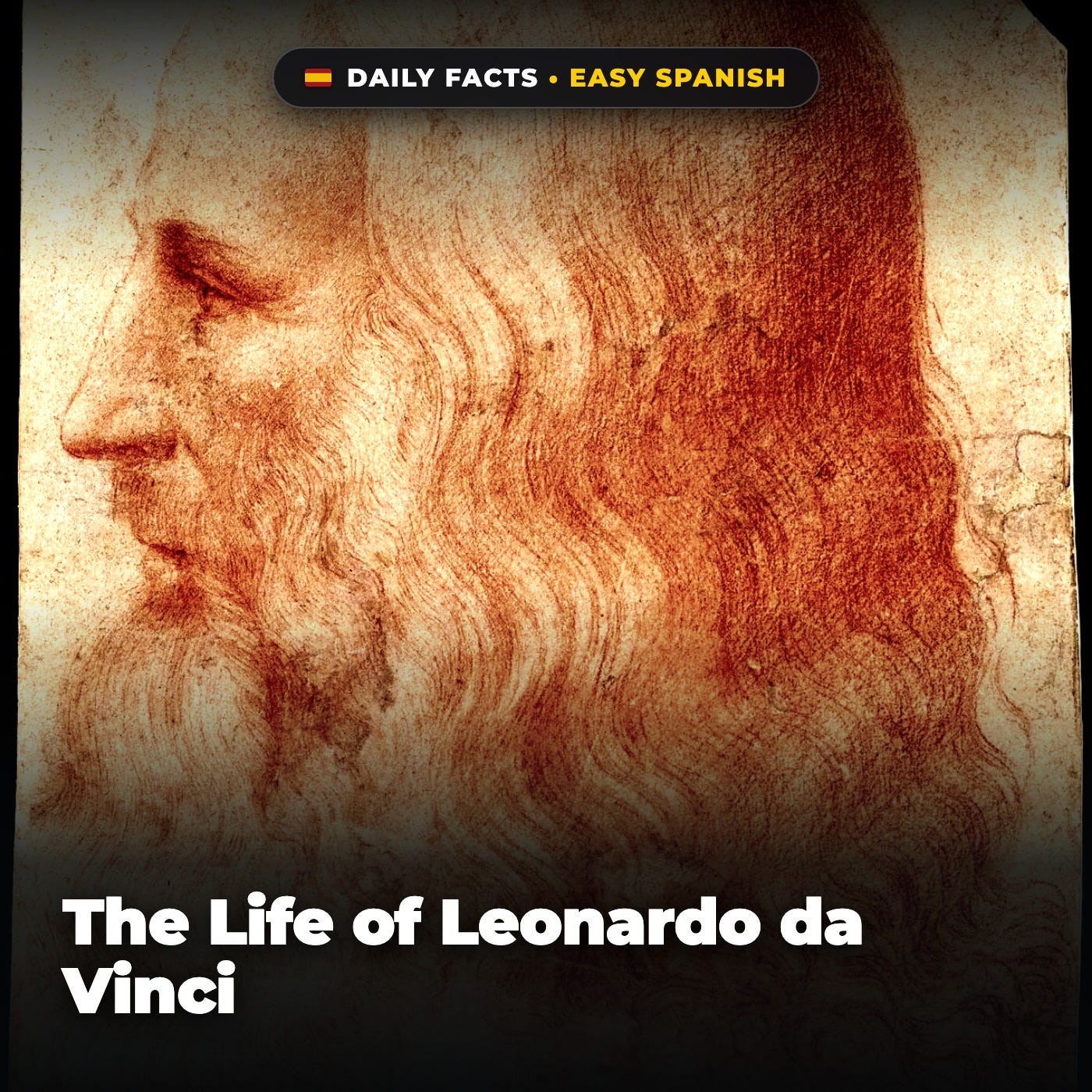
Leonardo di ser Piero da Vinci, better known as Leonardo da Vinci, was an Italian polymath of the High Renaissance who was active as a painter, draughtsman, engineer, scientist, theorist, sculptor, and architect. While his fame initially rested on his achievements as a painter, he has also become known for his notebooks, in which he made drawings and notes on a variety of subjects, including anatomy, astronomy, botany, cartography, painting, and palaeontology. Leonardo is widely regarded as a genius who epitomised the Renaissance humanist ideal, and his collective works contributed to the development of European art to an extent rivalled only by that of his younger contemporary Michelangelo.

The Statue of Liberty in Easy Spanish
9:04
CEFR A1–A2

The Statue of Liberty in Easy Spanish

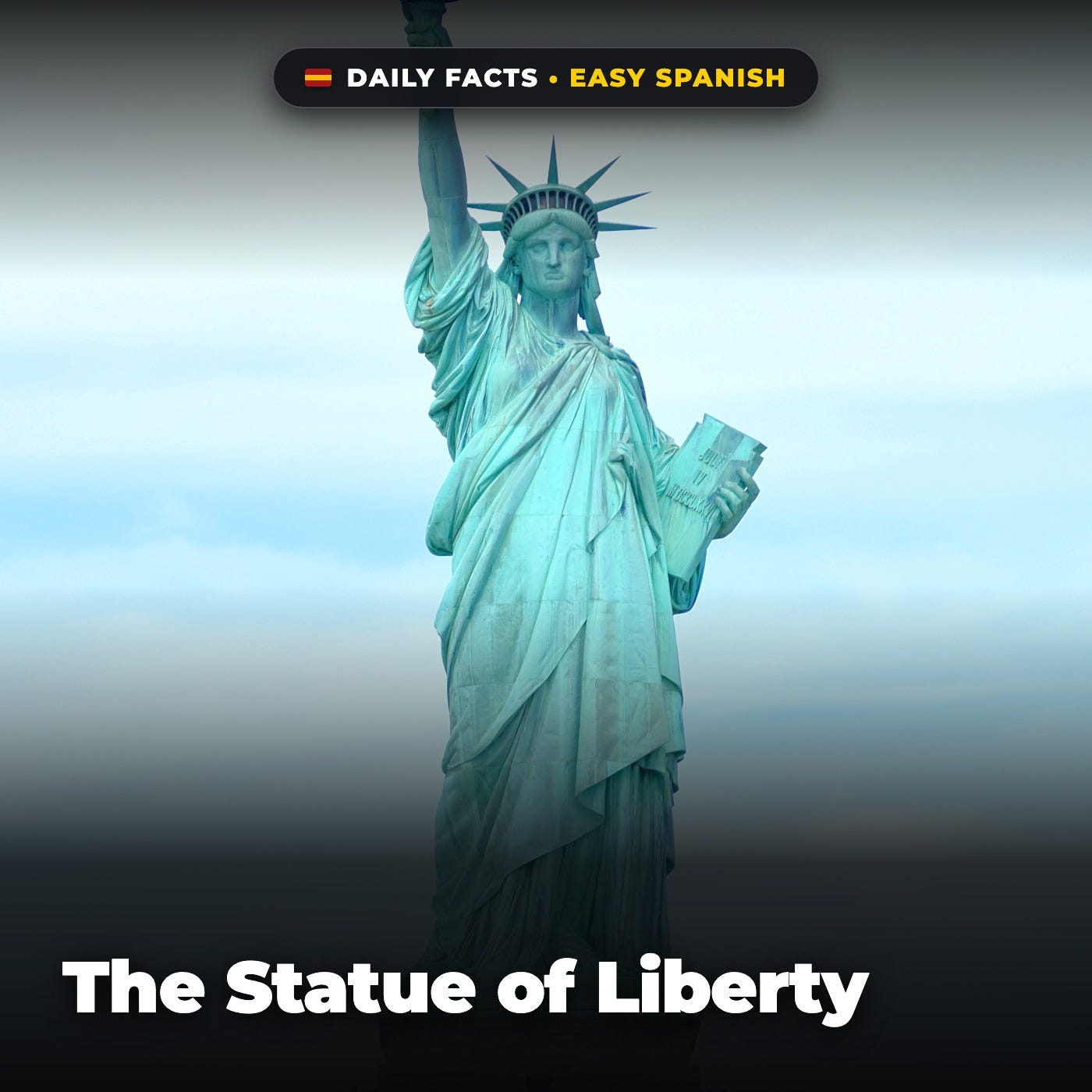
Standing proudly in New York Harbor, the Statue of Liberty is one of the most recognizable monuments in the world. This colossal copper figure represents Libertas, the Roman goddess of freedom, welcoming visitors and immigrants from across the sea. Created as a magnificent gift of friendship from the people of France, she holds a torch and a tablet inscribed with the date of American independence. Her enduring image continues to inspire millions as a universal symbol of hope, liberty, and democracy.