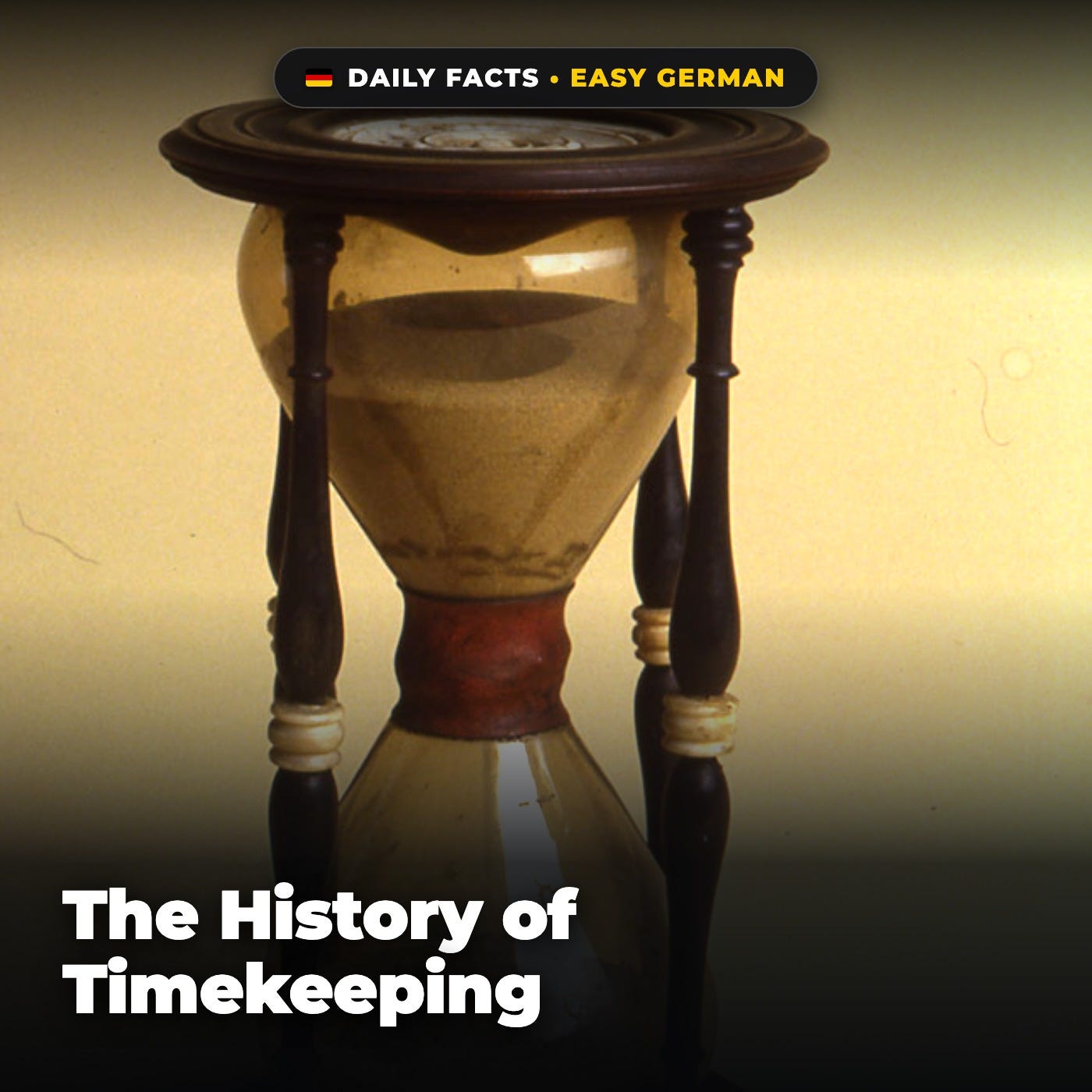
The History of Timekeeping in Easy German
Easy German · CEFR A1–A2 80% Slow Speed 24:05 Oct 12, 2026

The History of Timekeeping in Easy German

0:00 24:05

About This Episode

Look at your wrist and wonder: why do we divide our days into 24 hours and 60 minutes? Trace the evolution of human timekeeping from ancient sky-watchers to atomic precision.

Discover how ancient Egyptians used shadow sundials and the stars, how Babylonians gave us the base-60 system, and how mechanical pendulum clocks and modern quartz crystals transformed time into the heartbeat of civilization.
Key Topics & Highlights

  • Ancient Egyptians divided day and night into 12 hours each based on shadow sticks and star constellations.
  • The 60-minute and 60-second divisions originate from the ancient Babylonian base-60 numbering system.
  • Mechanical clocks with pendulums, invented by Christiaan Huygens in 1656, increased accuracy to seconds per day.
  • Today's global time is synchronized using atomic clocks measuring the vibrations of cesium atoms.

Chapters & Timestamps

Click any chapter timestamp to jump directly to that section in the audio player.

Preview German Vocabulary

Click any preview word to hear pronunciation. Unlock all 20 core vocabulary words with episode context quotes inside the Substack Premium Study Companion.

More Daily Facts in Easy German Episodes

Browse All 61 Episodes →
The Construction of the Panama Canal in Easy German
22:26
CEFR A1–A2

The Construction of the Panama Canal in Easy German

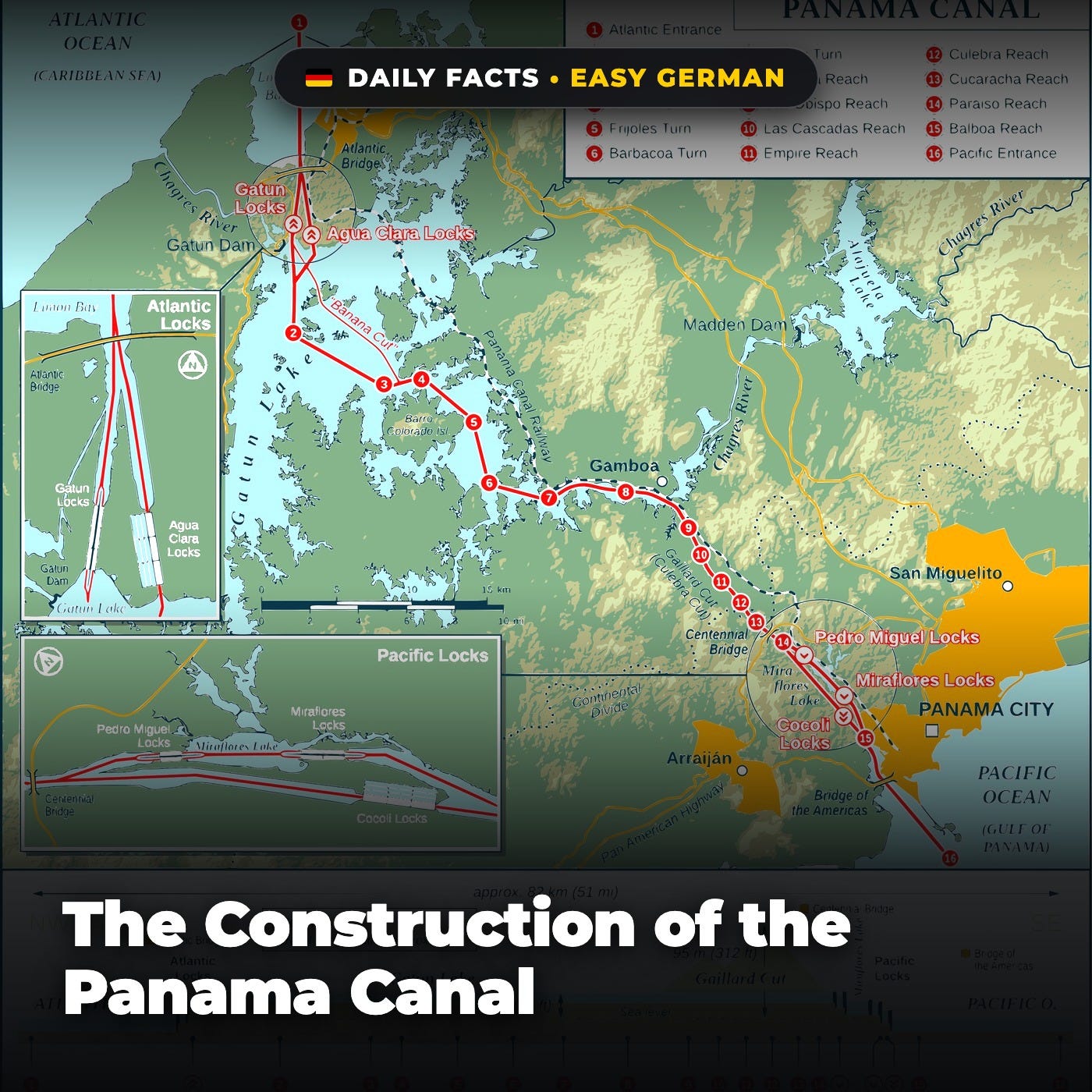
Dive deep into the colossal engineering struggle to build the Panama Canal. Carving a waterway through dense mountainous jungle and unstable volcanic rock required moving over 200 million cubic meters of earth. Explore how chief engineer John Stevens and army doctor William Gorgas defeated deadly mosquito epidemics, enabling the construction of the mammoth Gatun Dam and electric lock gates that still lift ocean giants today.

The Flight of Apollo 11 in Easy German
19:02
CEFR A1–A2

The Flight of Apollo 11 in Easy German

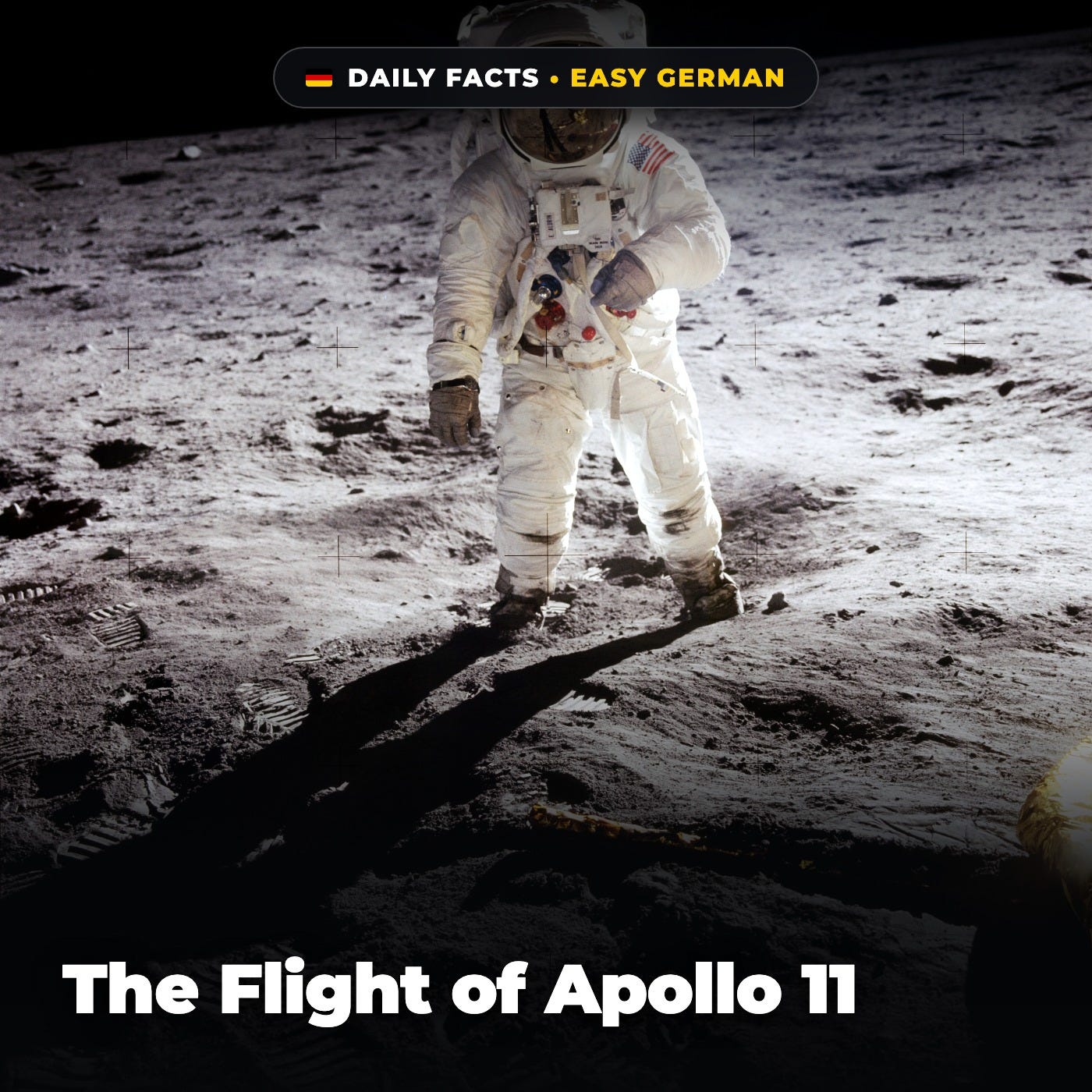
Relive the historic July 1969 Apollo 11 mission when humans first set foot on the Moon! Join Neil Armstrong, Buzz Aldrin, and Michael Collins on their daring voyage across 384,000 kilometers of space. From the thunderous launch of the massive Saturn V rocket to the heart-stopping lunar landing with seconds of fuel remaining, experience humanity's greatest exploratory leap.

The History of Aviation in Easy German
30:35
CEFR A1–A2

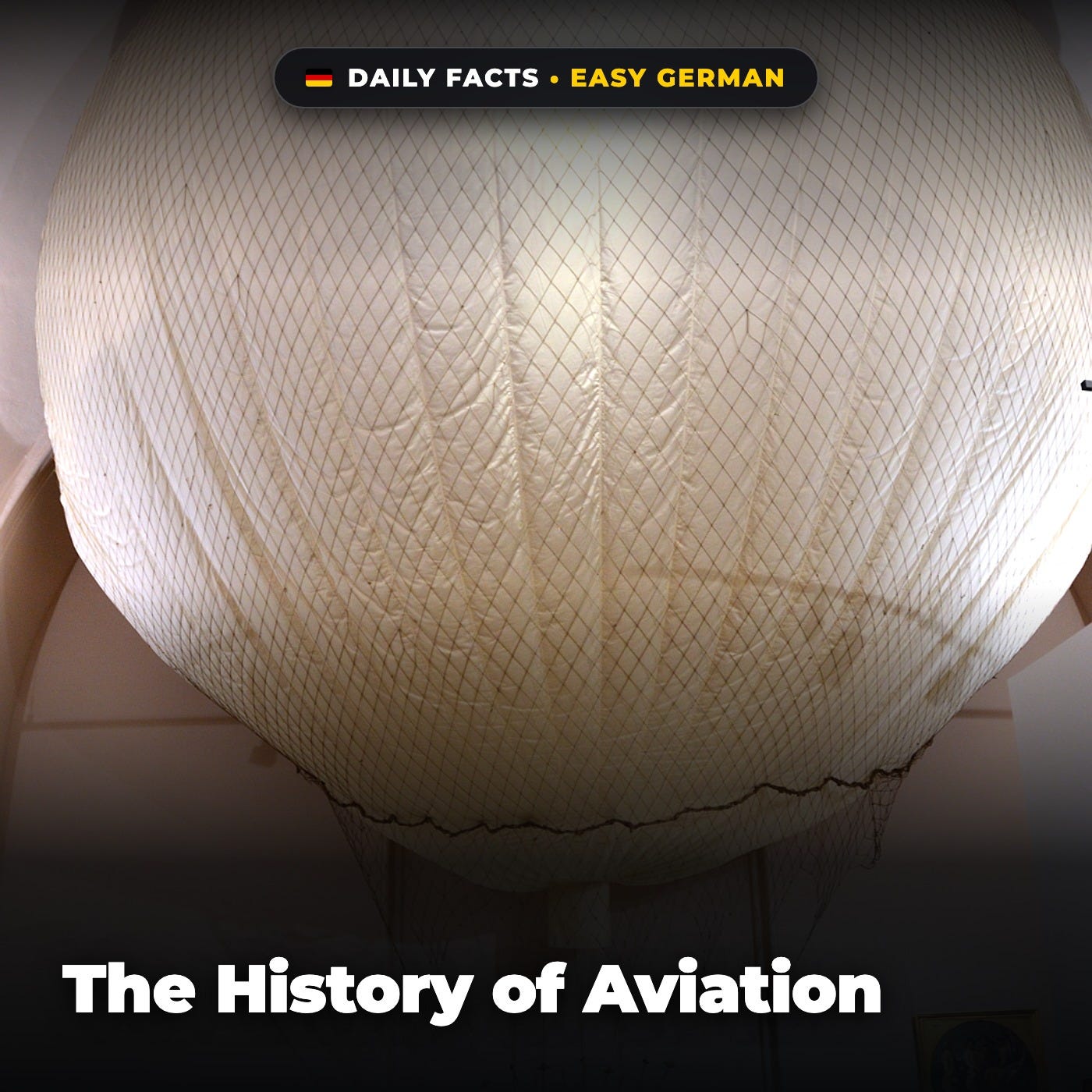
The History of Aviation in Easy German

From paper hot air balloons to supersonic jets, trace the daring history of human flight! Discover how humanity unlocked the dream of soaring through the skies across centuries of experimentation. Follow the journey from the Montgolfier brothers' paper balloon in 1783 and Otto Lilienthal's graceful gliders to the Wright brothers' historic powered flight at Kitty Hawk in 1903.