The Solar System in Easy Spanish
Easy Spanish · CEFR A1–A2 80% Slow Speed 9:05 Oct 21, 2026

The Solar System in Easy Spanish

0:00 9:05

About This Episode

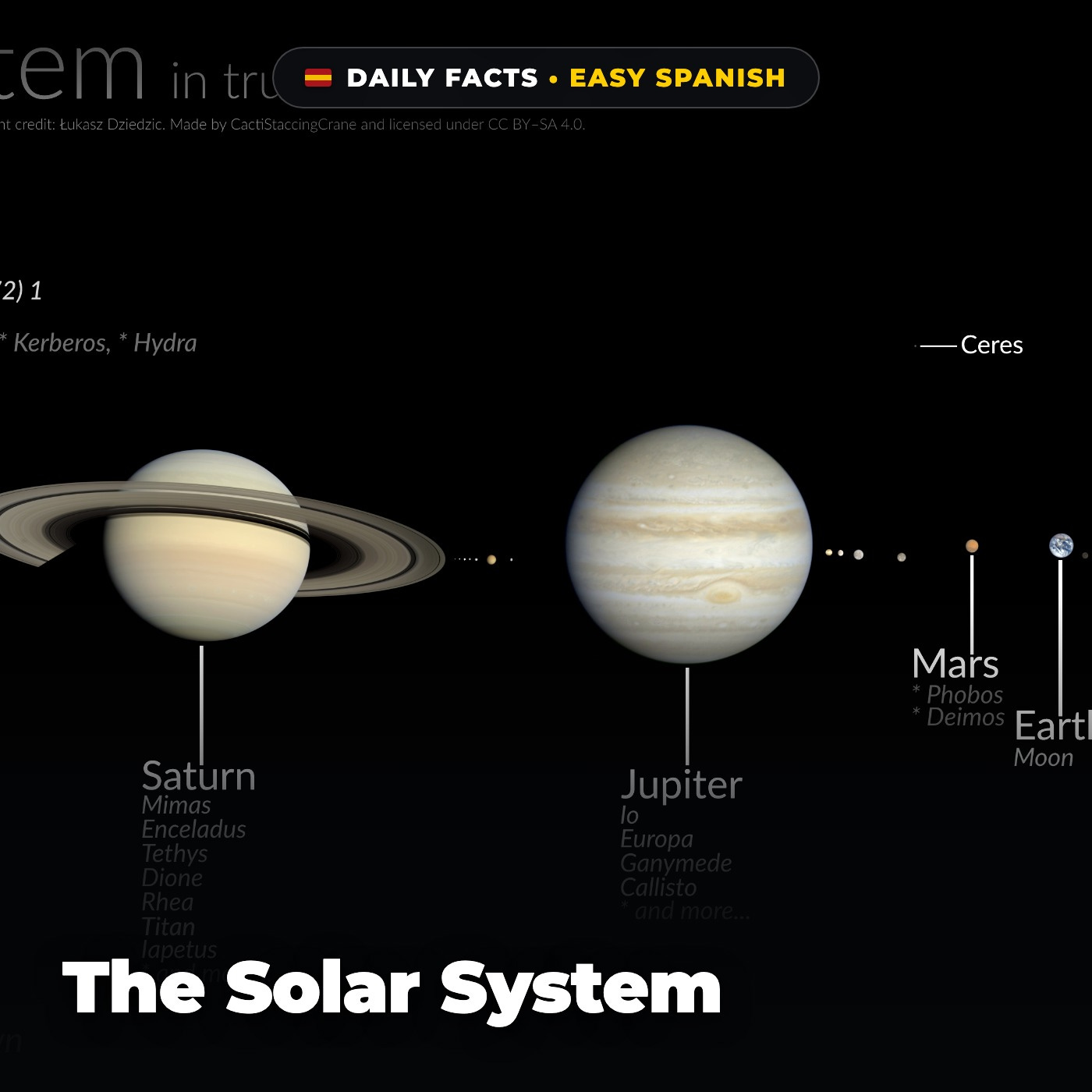
The Solar System is the gravitationally bound system of the Sun and the masses that orbit it, most prominently its eight planets, of which Earth is one. The Solar System is an isolated single-star planetary system within the Milky Way Galaxy.

The system formed about 4.6 billion years ago when a dense region of a molecular cloud collapsed, creating the Sun and a protoplanetary disc from which the orbiting bodies assembled.
Key Topics & Highlights

  • The Solar System is the gravitationally bound system of the Sun and the masses that orbit it, most prominently its eight planets, of which Earth is one.
  • The Solar System is an isolated single-star planetary system within the Milky Way Galaxy.
  • The system formed about 4.6 billion years ago when a dense region of a molecular cloud collapsed, creating the Sun and a protoplanetary disc from which the orbiting bodies assembled.
Chapters & Timestamps

Click any chapter timestamp to jump directly to that section in the audio player.

Preview Spanish Vocabulary

Click any preview word to hear pronunciation. Unlock all 20 core vocabulary words with episode context quotes inside the Substack Premium Study Companion.

More Daily Facts in Easy Spanish Episodes

Browse All 59 Episodes →
The Moon in Easy Spanish
16:20
CEFR A1–A2

The Moon in Easy Spanish

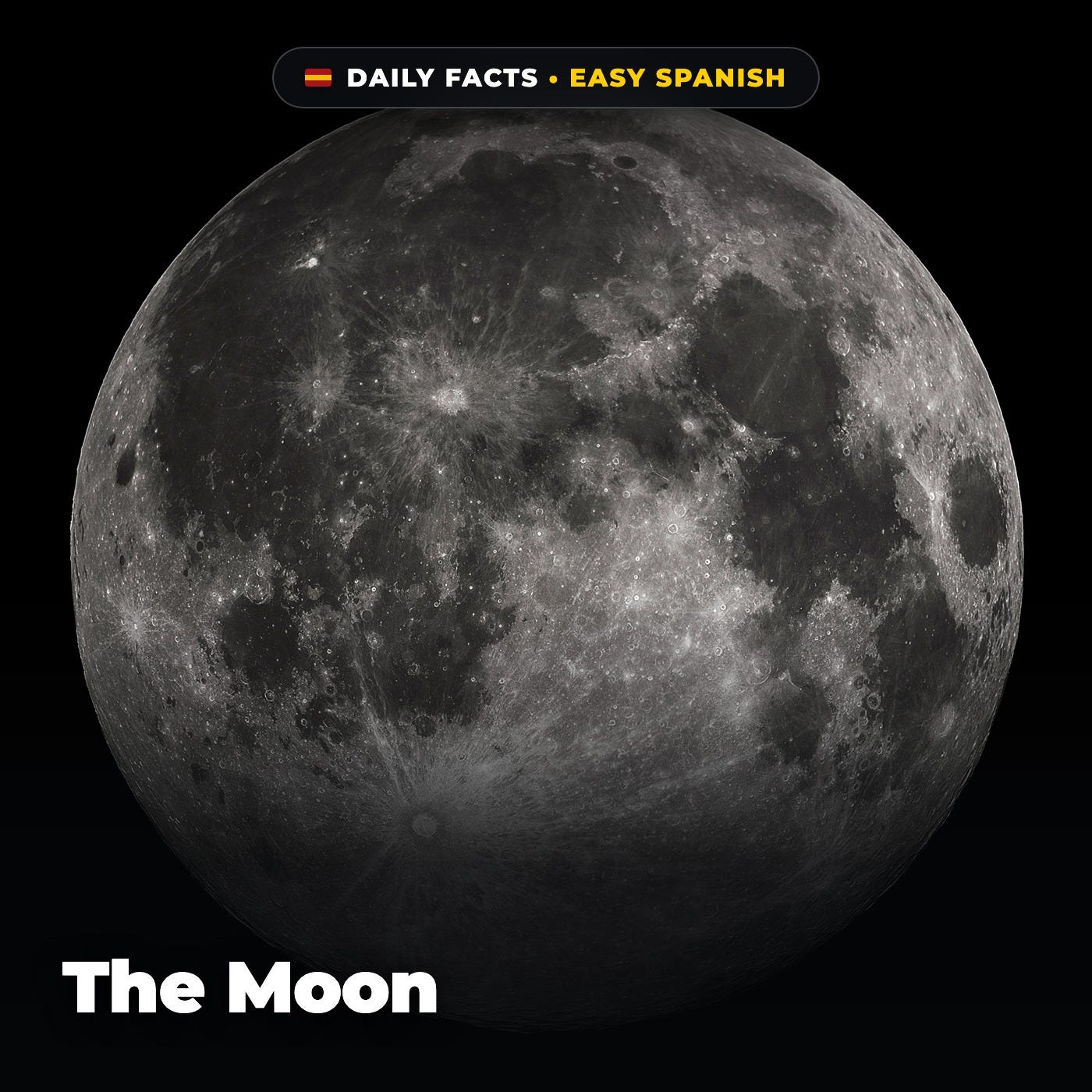
The Moon is the only natural satellite of Earth. It orbits Earth in an elliptical path, at a distance that varies over the year, averaging around 378,000 kilometers (235,000 mi). It completes an orbit in relation to Earth and the Sun (synodically) every 29.5 days. The Moon and Earth are bound by gravitational attraction, which is stronger on the sides facing each other.

The Journey of the Golden Discs in Easy Spanish
30:57
CEFR A1–A2

The Journey of the Golden Discs in Easy Spanish

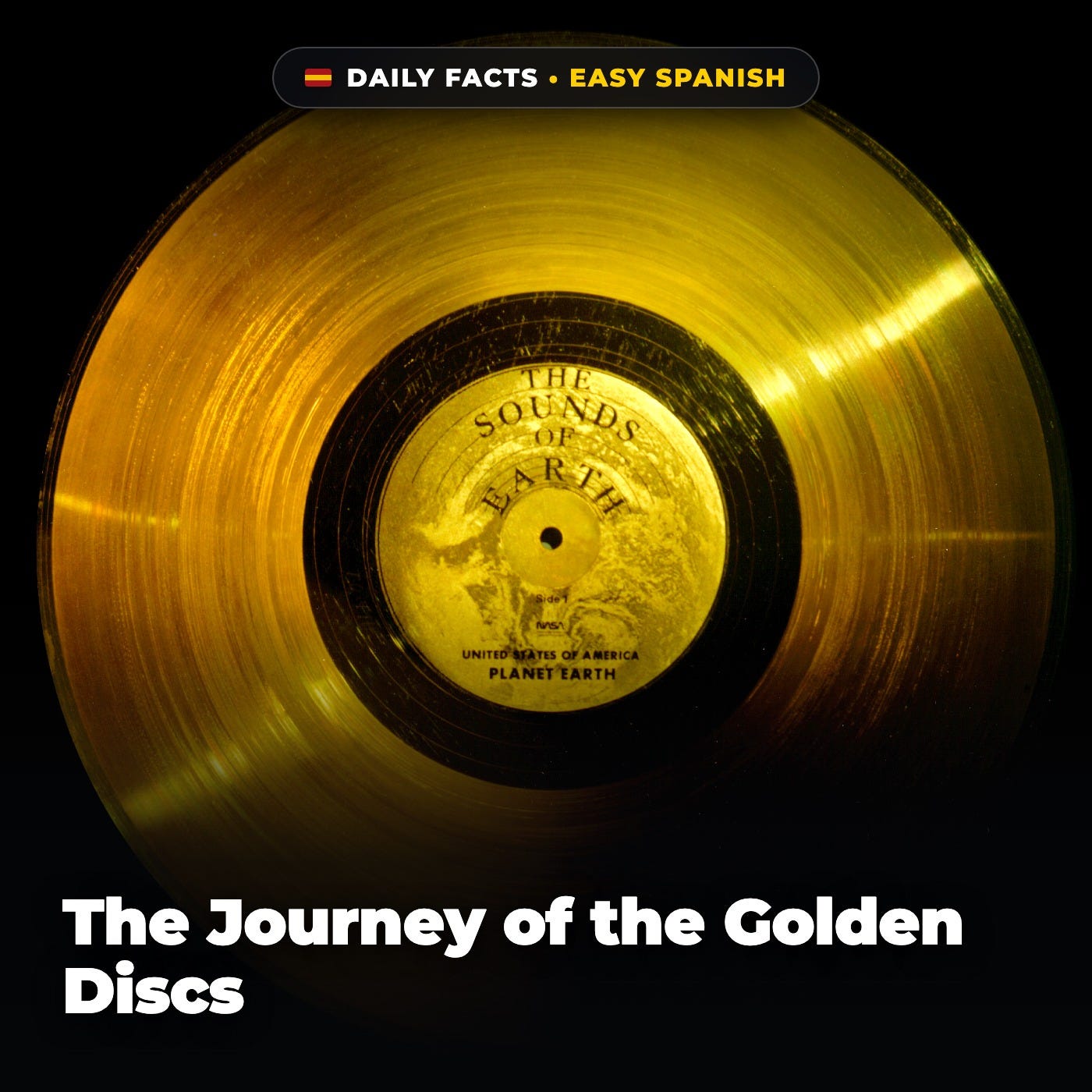
The Voyager Golden Records are two identical phonograph records, with one copy aboard each of the two Voyager spacecraft launched in 1977. The records contain sounds and data to reconstruct raster scan images selected to portray the diversity of life and culture on Earth, and are intended for any intelligent extraterrestrial life form who may find them. The records are a time capsule.

The Kangaroo of Australia in Easy Spanish
16:14
CEFR A1–A2

The Kangaroo of Australia in Easy Spanish

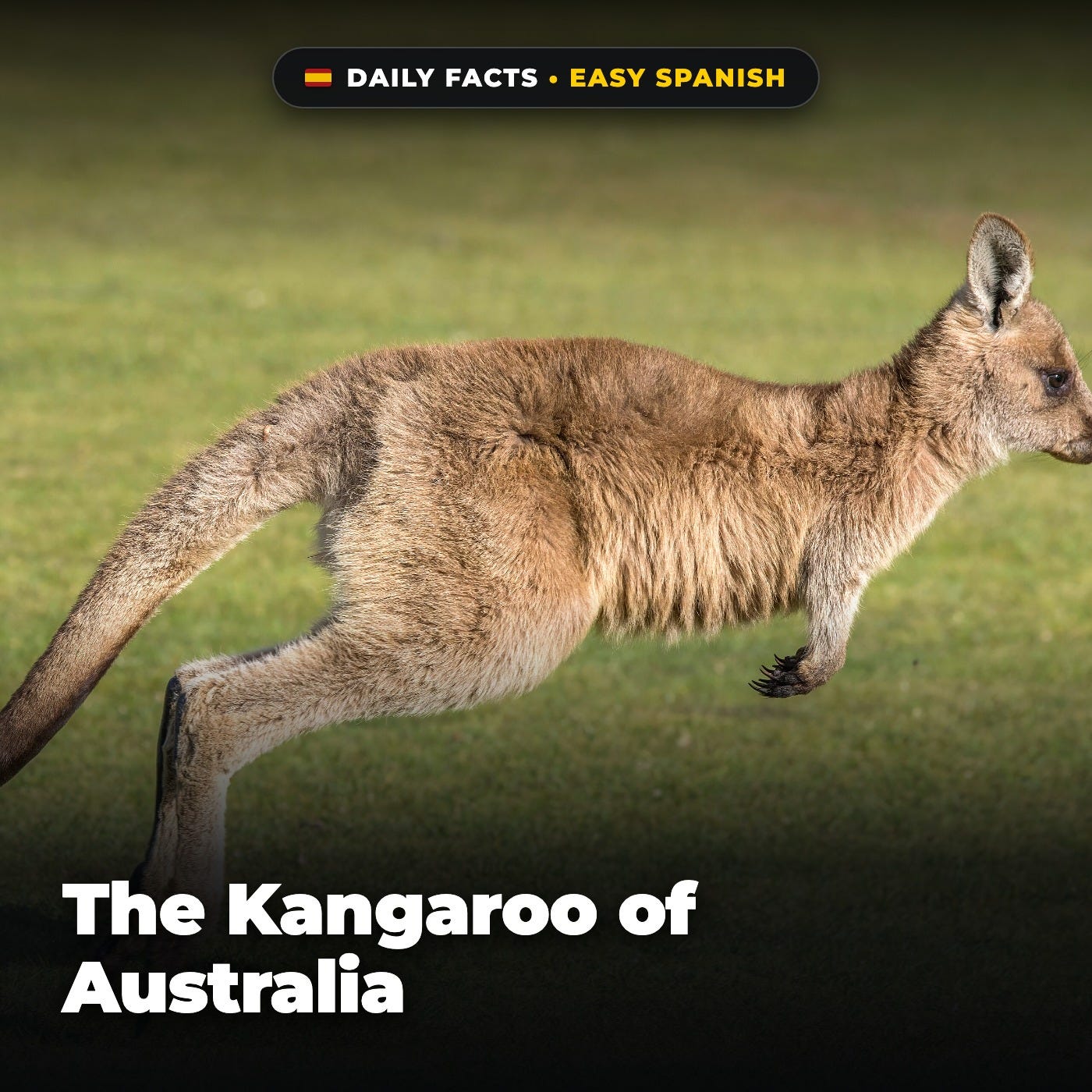
Kangaroos are marsupials from the subfamily Macropodinae. In common use, the term is used to describe the largest species from this family, the red kangaroo, as well as the antilopine kangaroo, eastern grey kangaroo, and western grey kangaroo. Kangaroos are indigenous to Australia and New Guinea. The Australian government estimated that 42.8 million kangaroos lived within the commercial harvest areas of Australia in 2019, down from 53.2 million in 2013.