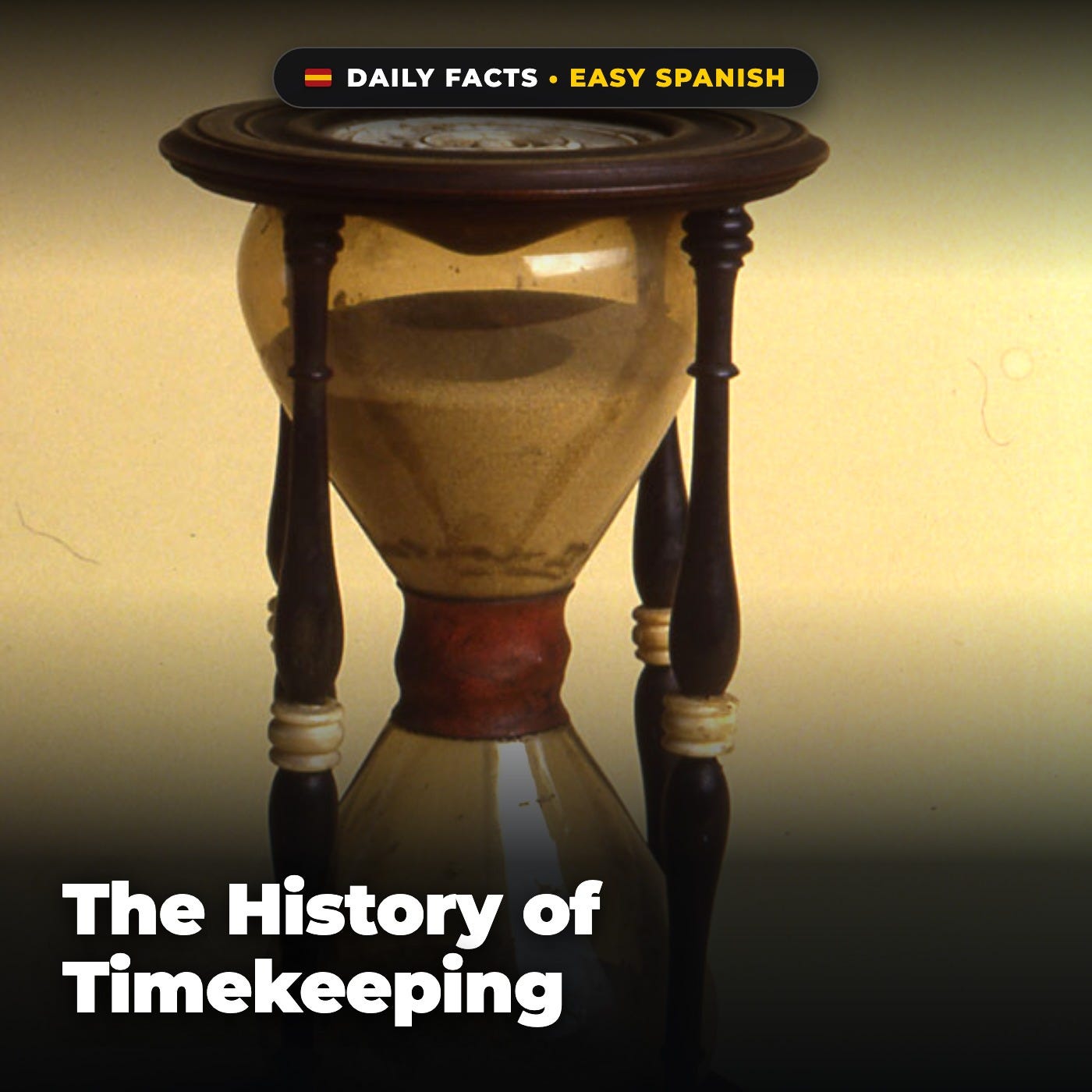
The History of Timekeeping in Easy Spanish
Easy Spanish · CEFR A1–A2 80% Slow Speed 28:57 Oct 12, 2026

The History of Timekeeping in Easy Spanish

0:00 28:57

About This Episode

The history of timekeeping devices dates back to when ancient civilizations first observed astronomical bodies as they moved across the sky. Devices and methods for keeping time have gradually improved through a series of new inventions, starting with measuring time by continuous processes, such as the flow of liquid in water clocks, to mechanical clocks, and eventually repetitive, oscillatory processes, such as the swing of pendulums.

Oscillating timekeepers are used in modern timepieces. Sundials and water clocks were first used in ancient Egypt c.
Key Topics & Highlights

  • The history of timekeeping devices dates back to when ancient civilizations first observed astronomical bodies as they moved across the sky.
  • Devices and methods for keeping time have gradually improved through a series of new inventions, starting with measuring time by continuous processes, such as the flow of liquid in water clocks, to mechanical clocks, and eventually repetitive, oscillatory processes, such as the swing of pendulums.
  • Oscillating timekeepers are used in modern timepieces.
  • Sundials and water clocks were first used in ancient Egypt c.
Chapters & Timestamps

Click any chapter timestamp to jump directly to that section in the audio player.

Preview Spanish Vocabulary

Click any preview word to hear pronunciation. Unlock all 20 core vocabulary words with episode context quotes inside the Substack Premium Study Companion.

More Daily Facts in Easy Spanish Episodes

Browse All 59 Episodes →
The Construction of the Panama Canal in Easy Spanish
23:03
CEFR A1–A2

The Construction of the Panama Canal in Easy Spanish

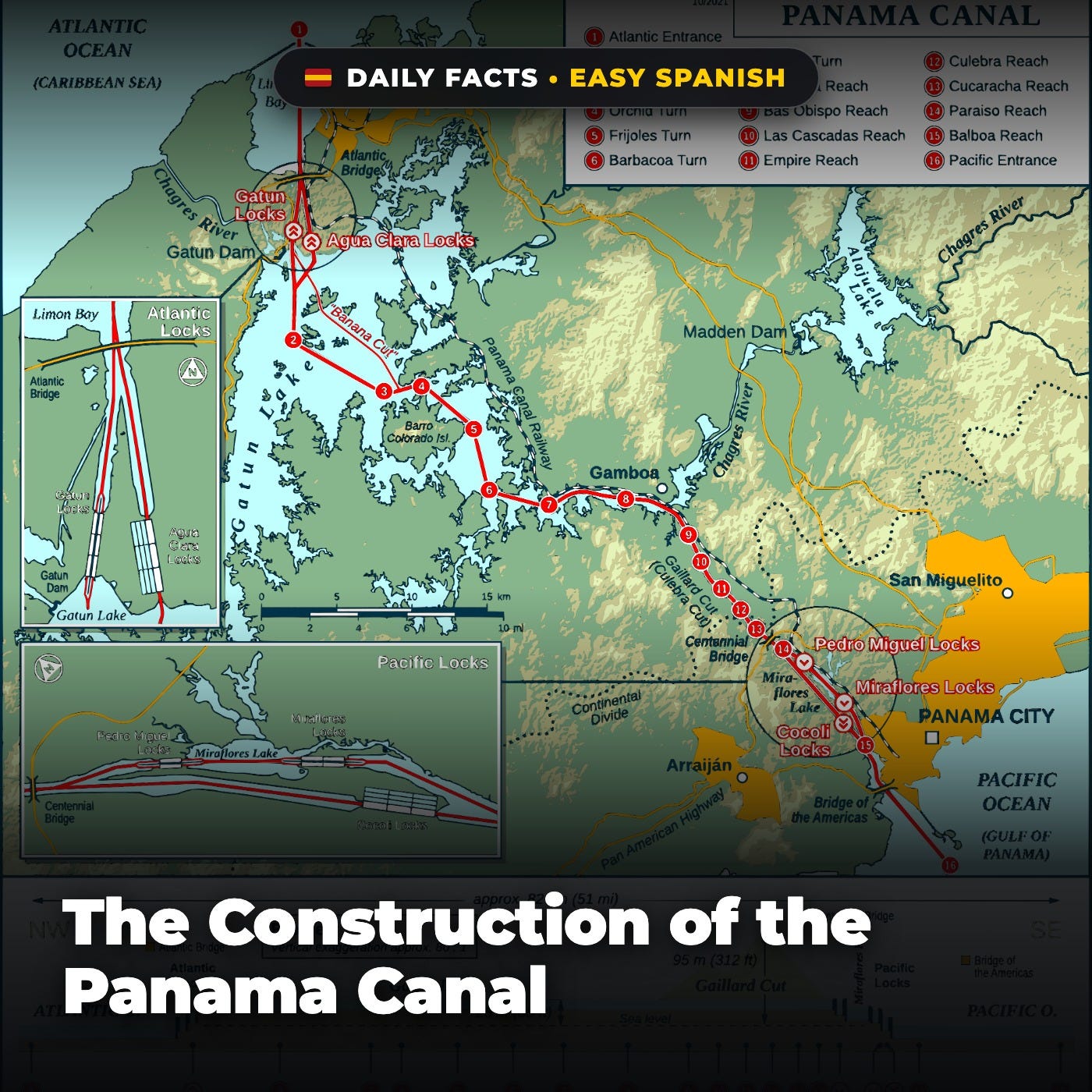
The Panama Canal is an artificial 82-kilometer (51-mile) waterway in Panama that connects the Caribbean Sea in the Atlantic Ocean with the Pacific Ocean. It cuts across the narrowest point of the Isthmus of Panama and is a conduit for maritime trade between the Atlantic Ocean and the Pacific Ocean. Locks at each end lift ships up to Gatun Lake, an artificial fresh water lake 26 meters (85 ft) above sea level, created by damming the Chagres River and Lake Alajuela to reduce the amount of excavation work required for the canal. Locks then lower the ships at the other end.

The Flight of Apollo 11 in Easy Spanish
11:21
CEFR A1–A2

The Flight of Apollo 11 in Easy Spanish

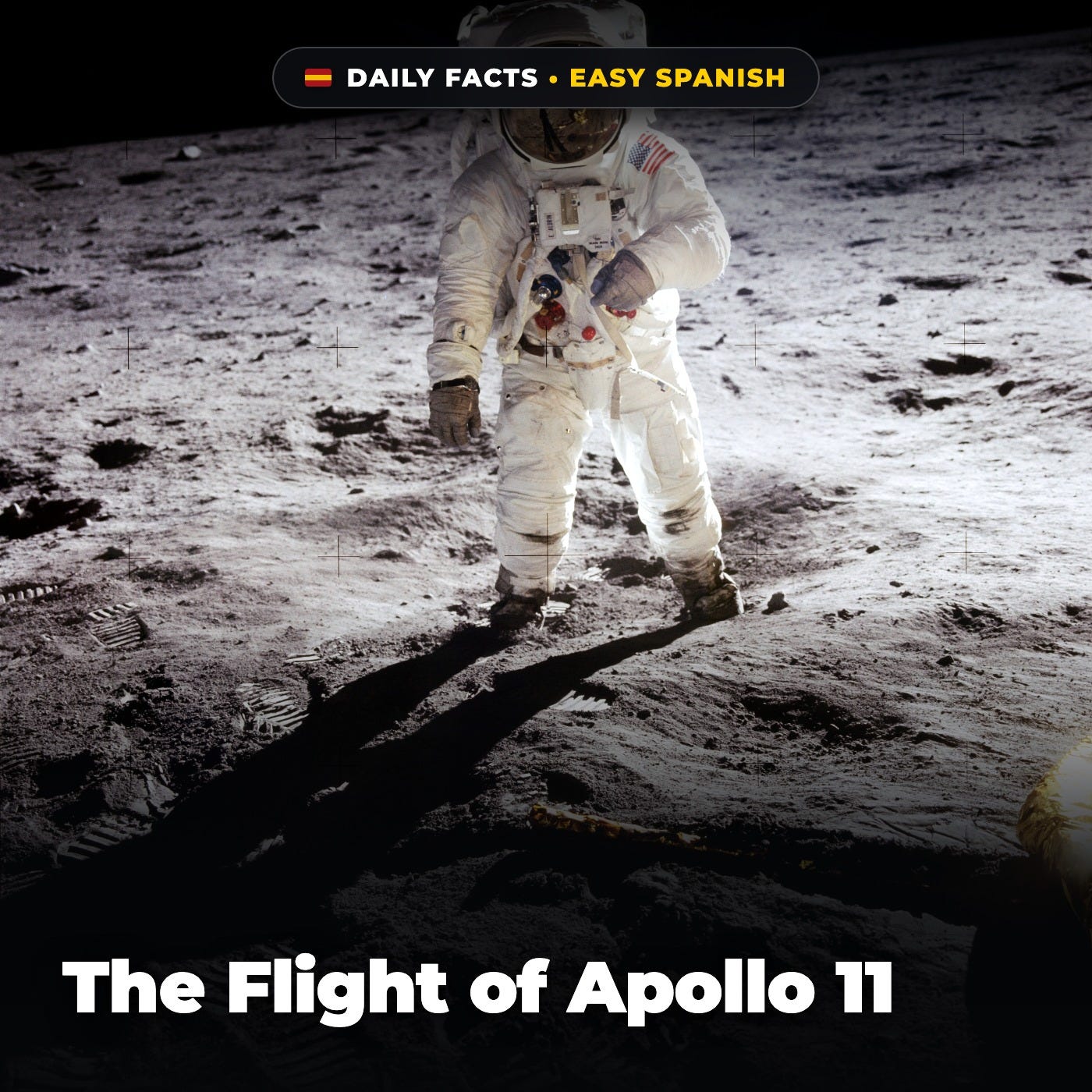
Relive the historic July 1969 Apollo 11 mission when humans first set foot on the Moon! Join Neil Armstrong, Buzz Aldrin, and Michael Collins on their daring voyage across 384,000 kilometers of space. From the thunderous launch of the massive Saturn V rocket to the heart-stopping lunar landing with seconds of fuel remaining, experience humanity's greatest exploratory leap.

The History of Aviation in Easy Spanish
14:29
CEFR A1–A2

The History of Aviation in Easy Spanish

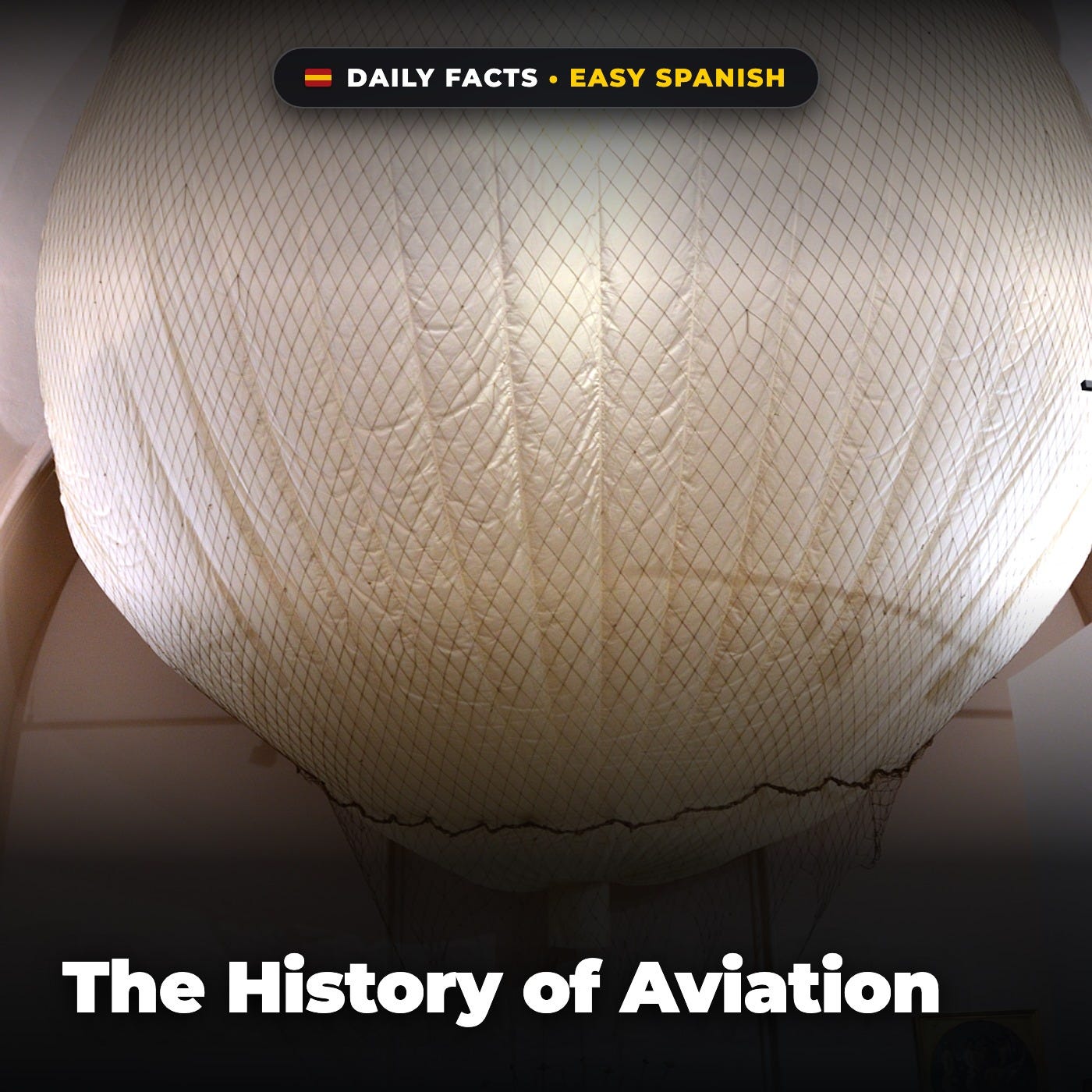
From paper hot air balloons to supersonic jets, trace the daring history of human flight! Discover how humanity unlocked the dream of soaring through the skies across centuries of experimentation. Follow the journey from the Montgolfier brothers' paper balloon in 1783 and Otto Lilienthal's graceful gliders to the Wright brothers' historic powered flight at Kitty Hawk in 1903.