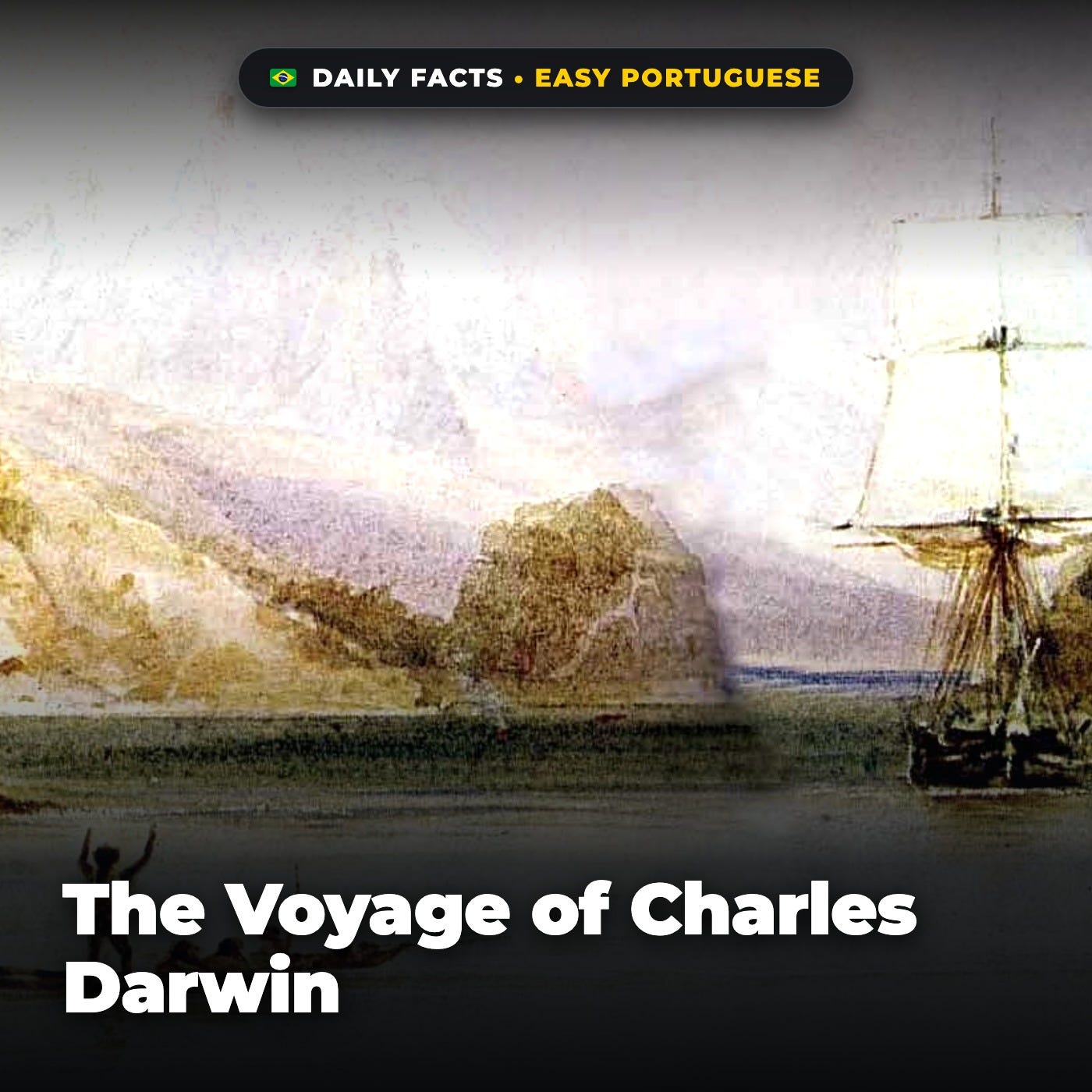
The Voyage of Charles Darwin in Easy Portuguese
Easy Portuguese · CEFR A1–A2 80% Slow Speed 10:45 Oct 15, 2026

The Voyage of Charles Darwin in Easy Portuguese

0:00 10:45

About This Episode

In December 1831, a young Charles Darwin stepped aboard HMS Beagle for what was meant to be a simple surveying mission around South America. Instead, the five-year voyage turned into an epic adventure that transformed his understanding of nature forever.

Darwin spent months collecting strange fossils, exploring lush rainforests, and observing unique wildlife on remote islands like the Galápagos. These remarkable discoveries laid the foundation for his groundbreaking ideas on evolution and changed modern science.
Key Topics & Highlights

  • Although the voyage was originally planned to last only two years, HMS Beagle remained at sea for nearly five full years.
  • Charles Darwin was only twenty-two years old when he accepted the unpaid position of ship naturalist.
  • Darwin spent much more time exploring on land than sailing, collecting thousands of animal, plant, and rock specimens.
  • The detailed diaries Darwin kept during the expedition quickly made him a celebrated author upon his return to England.

Chapters & Timestamps

Click any chapter timestamp to jump directly to that section in the audio player.

Preview Portuguese Vocabulary

Click any preview word to hear pronunciation. Unlock all 20 core vocabulary words with episode context quotes inside the Substack Premium Study Companion.

More Daily Facts in Easy Portuguese Episodes

Browse All 100 Episodes →
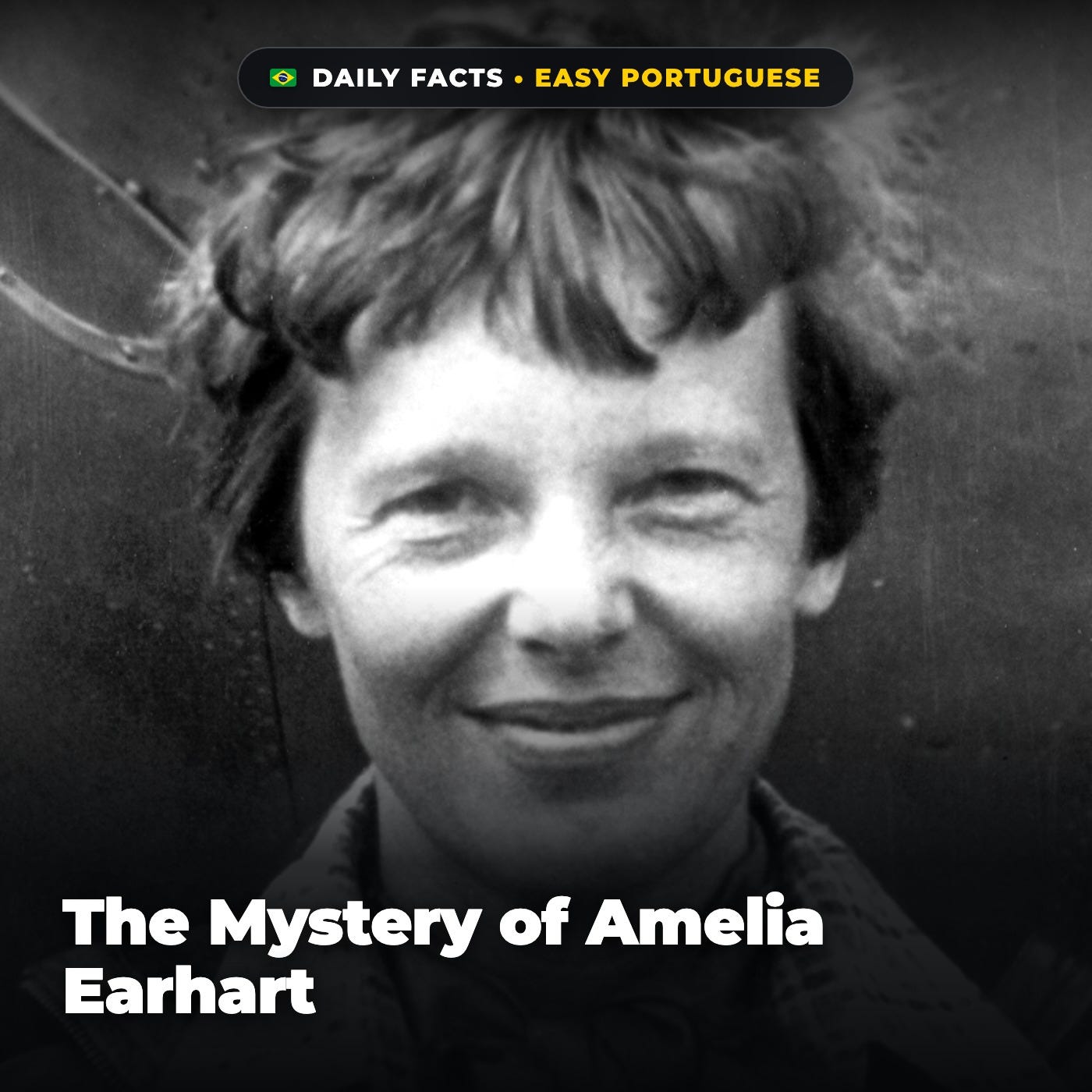
The Mystery of Amelia Earhart in Easy Portuguese
12:02
CEFR A1–A2

The Mystery of Amelia Earhart in Easy Portuguese

Amelia Mary Earhart was an American aviator who became one of the most celebrated aviation pioneers. In this episode, we break down the most important facts and stories about The Mystery of Amelia Earhart using clear, beginner-friendly A1

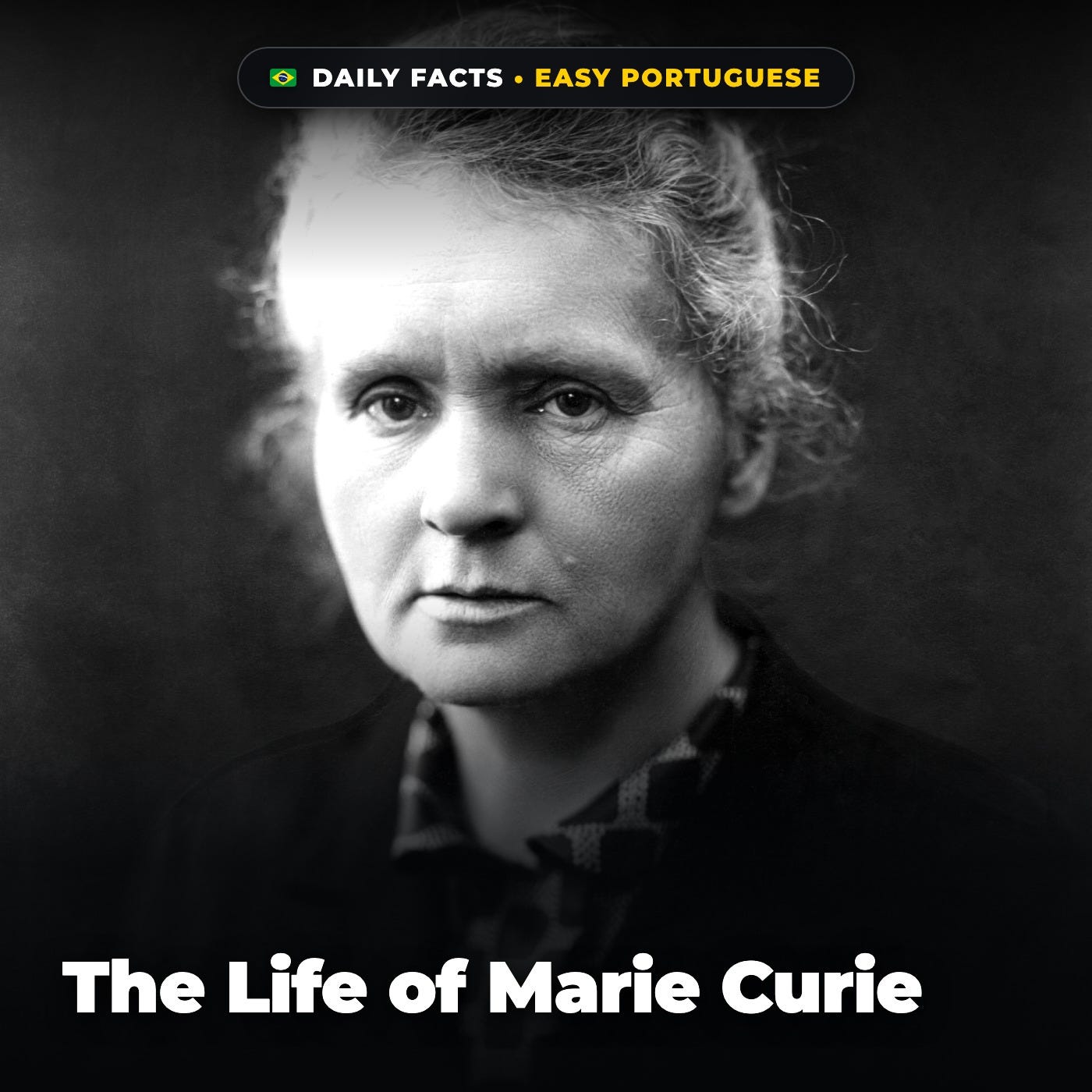
The Life of Marie Curie in Easy Portuguese
17:25
CEFR A1–A2

The Life of Marie Curie in Easy Portuguese

Maria Salomea Skłodowska Curie, better known as Marie Curie, was a Polish and naturalised-French physicist and chemist. She shared the 1903 Nobel Prize in Physics with her husband, Pierre Curie, "for their joint researches on the radioactivity phenomena discovered by Professor Henri Becquerel". She won the 1911 Nobel Prize in Chemistry "[for] the discovery of the elements radium and polonium, by the isolation of radium and the study of the nature and compounds of this remarkable element".

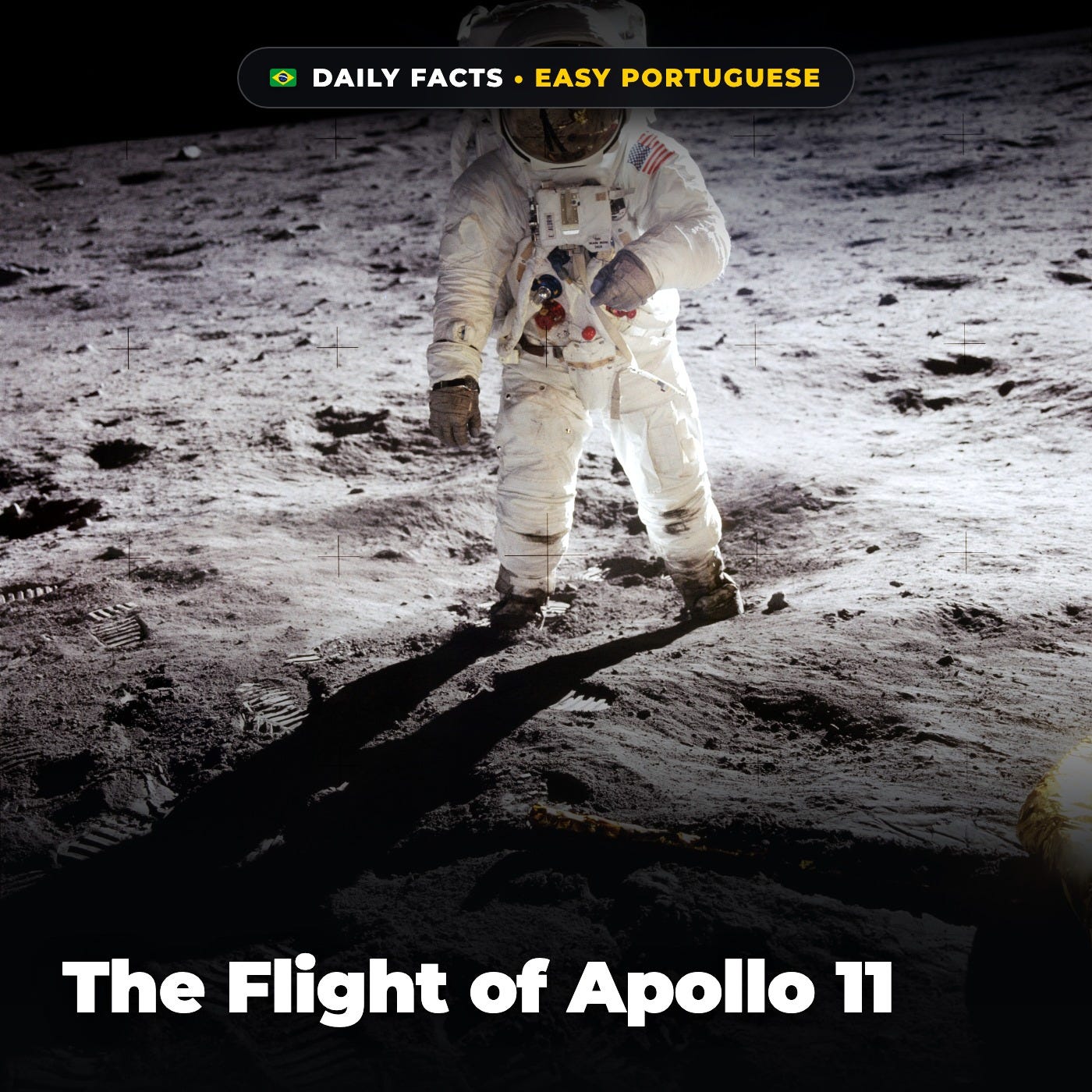
The Flight of Apollo 11 in Easy Portuguese
15:39
CEFR A1–A2

The Flight of Apollo 11 in Easy Portuguese

Apollo 11 was the American spaceflight that first landed humans on the Moon, and the fifth crewed mission of NASA's Apollo program. The mission was crewed by Commander Neil Armstrong, Command Module Pilot Michael Collins, and Lunar Module Pilot Edwin "Buzz" Aldrin, all of whom were on their second and final spaceflight. In this episode, we break down the most important facts and stories about The Flight of Apollo 11 using clear, beginner-friendly A1