The History of Aviation in Easy Portuguese
Easy Portuguese · CEFR A1–A2 80% Slow Speed 6:24 Oct 14, 2026

The History of Aviation in Easy Portuguese

0:00 6:24

About This Episode

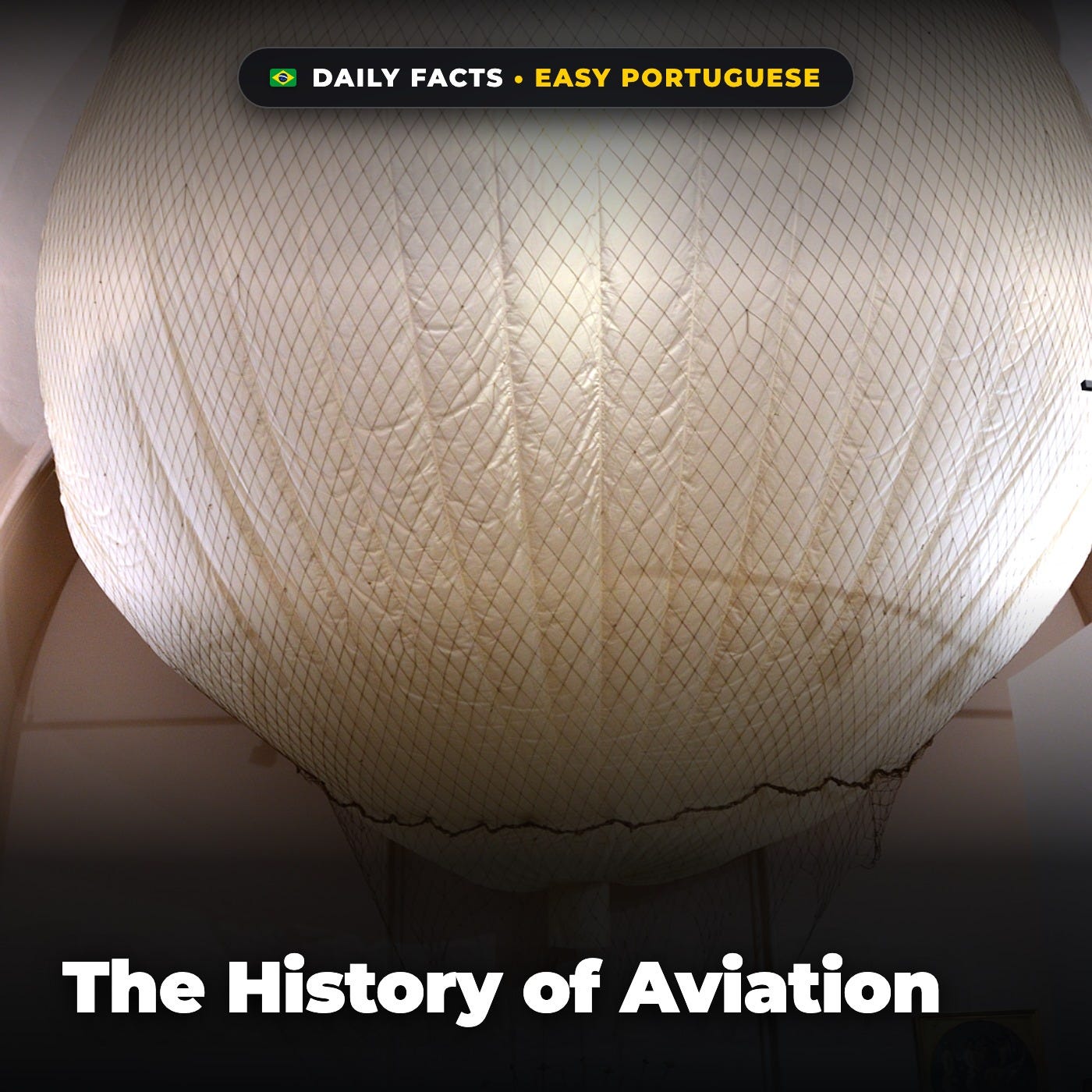
Humans have dreamed of soaring freely through the open sky like birds for thousands of years. From ancient Chinese kites to Leonardo da Vinci's visionary sketches, early dreamers boldly laid the foundations of flight.

The twentieth century finally turned this ambitious fantasy into reality through powerful engines and courageous aviators. Today, advanced aircraft effortlessly connect our entire planet and travel faster than the speed of sound.
Key Topics & Highlights

  • Kite flying in ancient China hundreds of years before Christ represents the earliest known form of human-made flight.
  • In 1783, the Montgolfier brothers launched the first successful human flight in a hot-air balloon made of paper and silk.
  • Orville and Wilbur Wright achieved the first controlled, powered, heavier-than-air flight in 1903 in North Carolina.
  • The sound barrier was officially broken in 1947 when pilot Chuck Yeager flew the Bell X-1 rocket airplane faster than Mach 1.

Chapters & Timestamps

Click any chapter timestamp to jump directly to that section in the audio player.

Preview Portuguese Vocabulary

Click any preview word to hear pronunciation. Unlock all 20 core vocabulary words with episode context quotes inside the Substack Premium Study Companion.

More Daily Facts in Easy Portuguese Episodes

Browse All 100 Episodes →
The Flight of Apollo 11 in Easy Portuguese
15:39
CEFR A1–A2

The Flight of Apollo 11 in Easy Portuguese

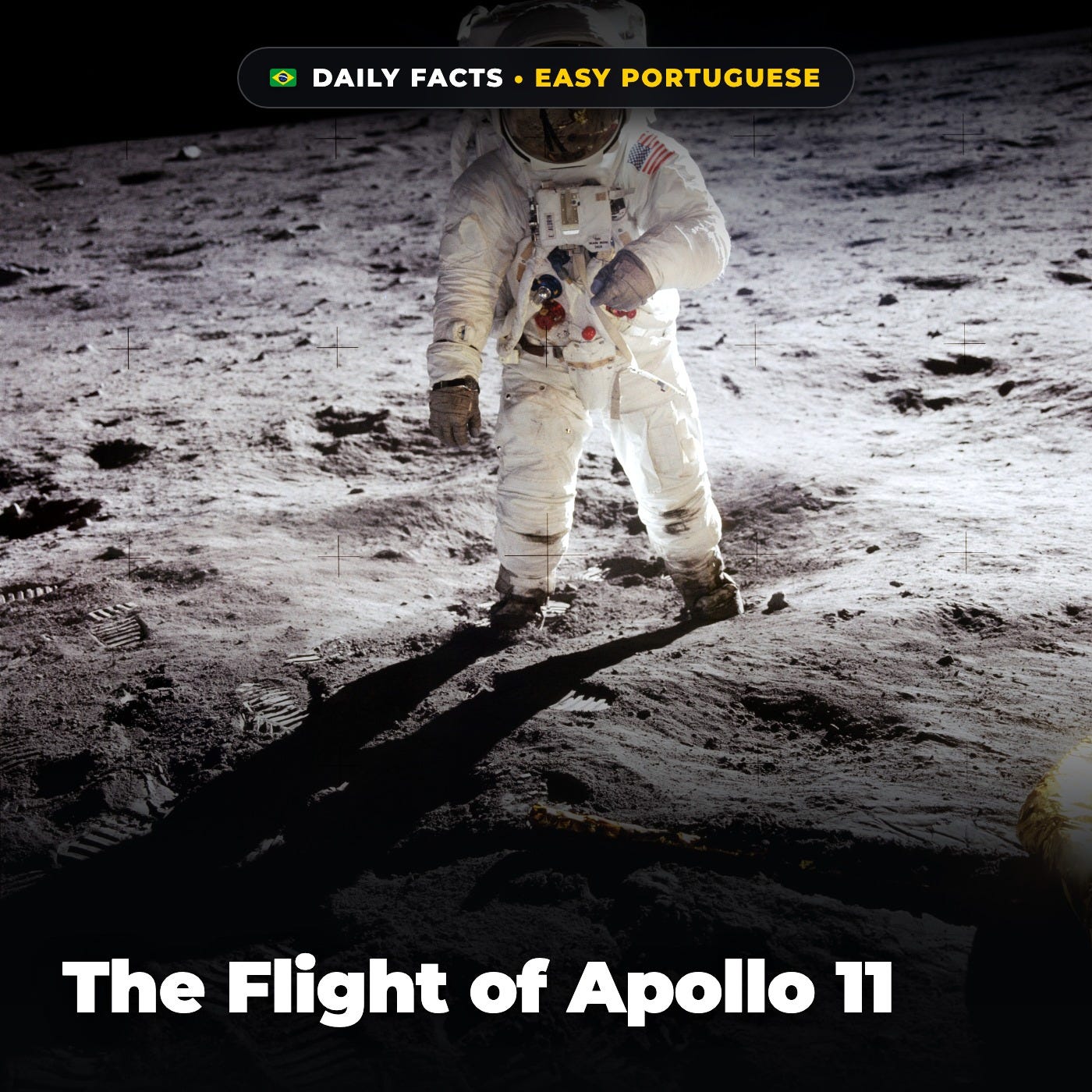
Apollo 11 was the American spaceflight that first landed humans on the Moon, and the fifth crewed mission of NASA's Apollo program. The mission was crewed by Commander Neil Armstrong, Command Module Pilot Michael Collins, and Lunar Module Pilot Edwin "Buzz" Aldrin, all of whom were on their second and final spaceflight. In this episode, we break down the most important facts and stories about The Flight of Apollo 11 using clear, beginner-friendly A1

The Wright Brothers in Easy Portuguese
11:51
CEFR A1–A2

The Wright Brothers in Easy Portuguese

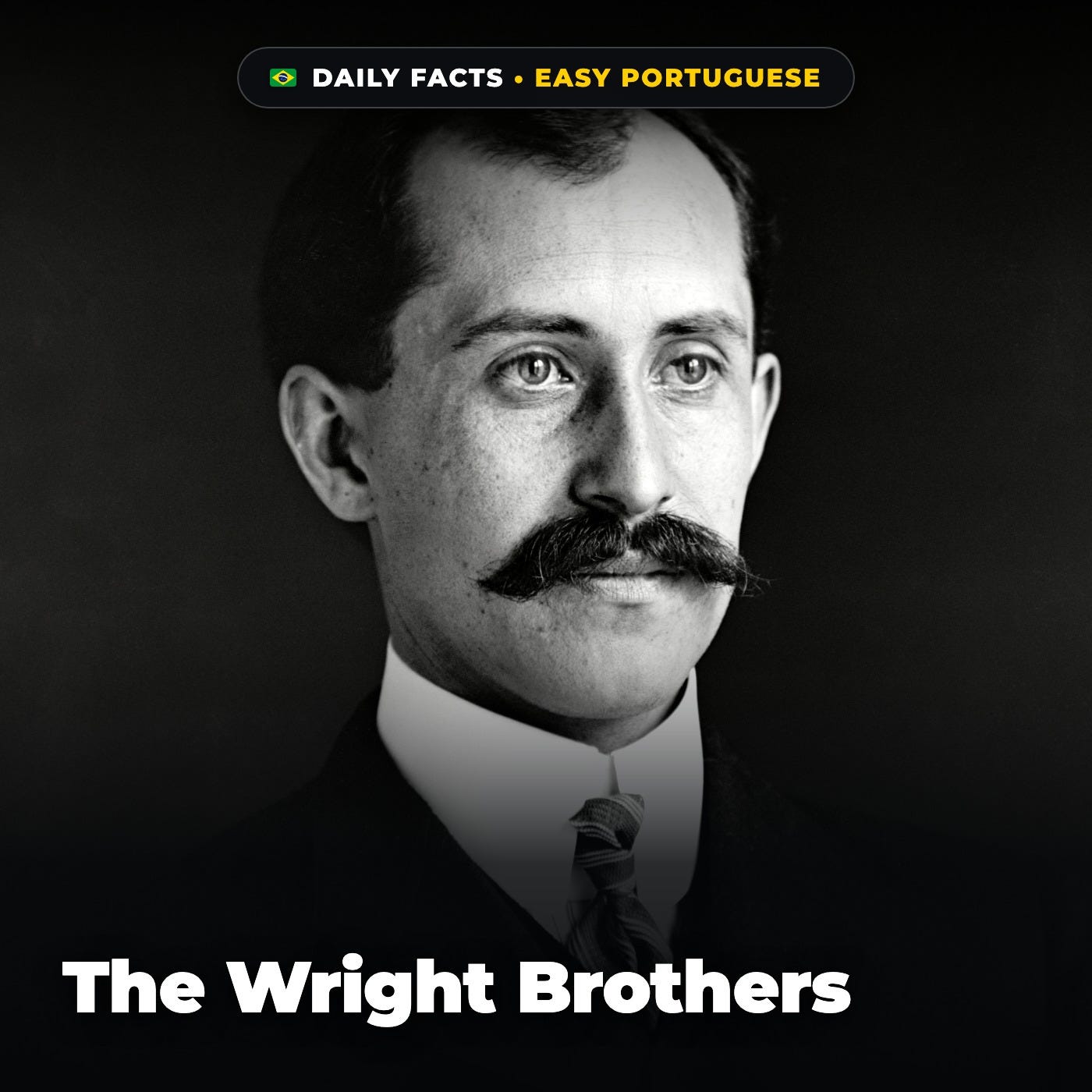
The Wright brothers, Orville Wright and Wilbur Wright, were American aviation pioneers who researched, invented, built, and flew the world's first successful airplane. They made the first controlled, sustained flight of an engine-powered, heavier-than-air aircraft with the Wright Flyer on December 17, 1903, four miles (6 km) south of Kitty Hawk, North Carolina, at what is now known as Kill Devil Hills. In 1904 the Wright brothers developed the Wright Flyer II, which made longer-duration flights including the first circle, followed in 1905 by the first truly practical fixed-wing aircraft, the Wright Flyer III.

The Invention of the Printing Press in Easy Portuguese
11:09
CEFR A1–A2

The Invention of the Printing Press in Easy Portuguese

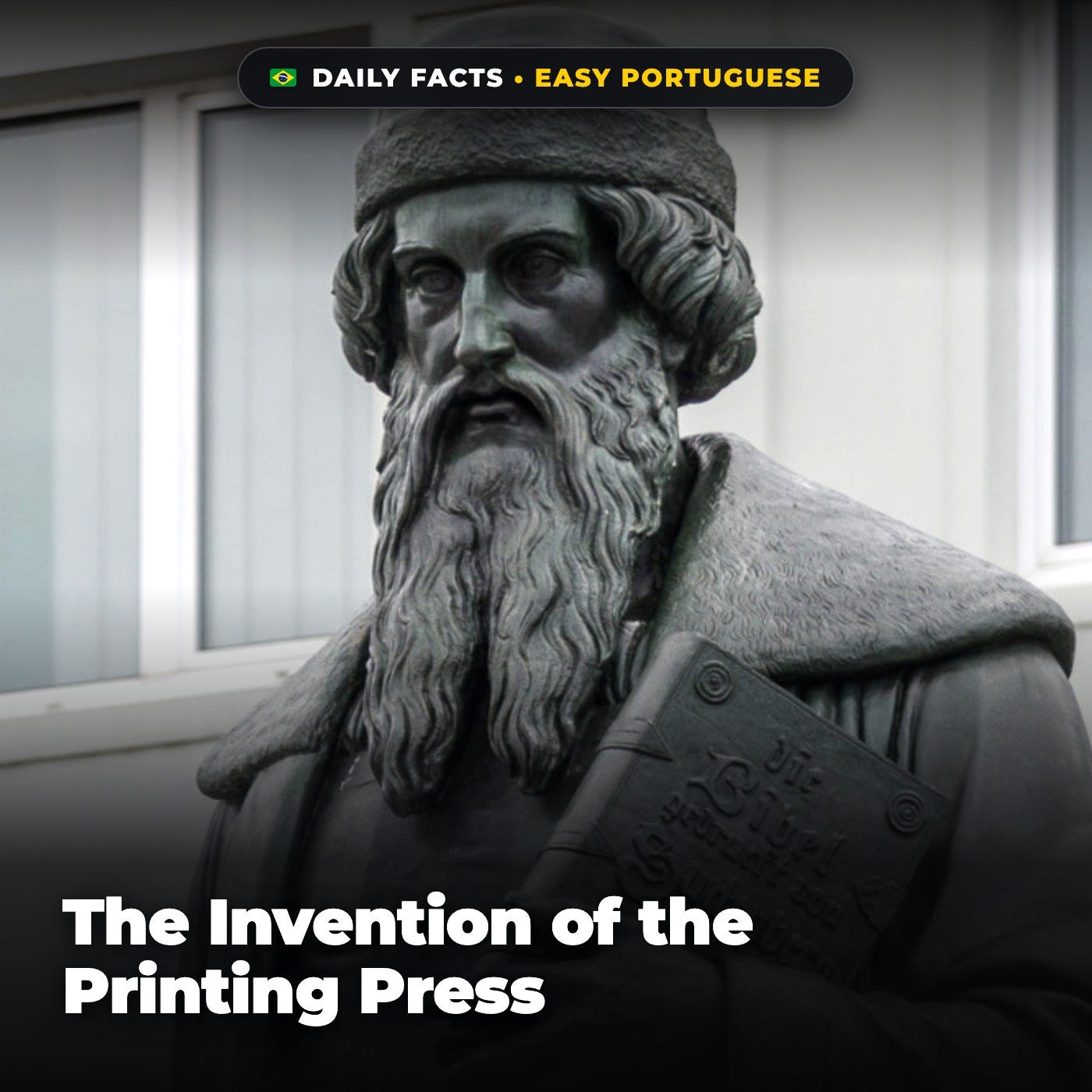
Johannes Gensfleisch zur Laden zum Gutenberg was a German inventor and craftsman who invented the movable-type printing press. Though movable type was already in use in East Asia, Gutenberg's invention of the printing press enabled a much faster rate of printing. The printing press later spread across the world, and led to an information revolution and the unprecedented mass-spread of literature throughout Europe. It had a profound impact on the development of the Renaissance, Reformation, and humanist movements.