How Wolf became Dog in Easy Portuguese
Easy Portuguese · CEFR A1–A2 80% Slow Speed 14:06 Oct 15, 2026

How Wolf became Dog in Easy Portuguese

0:00 14:06

About This Episode

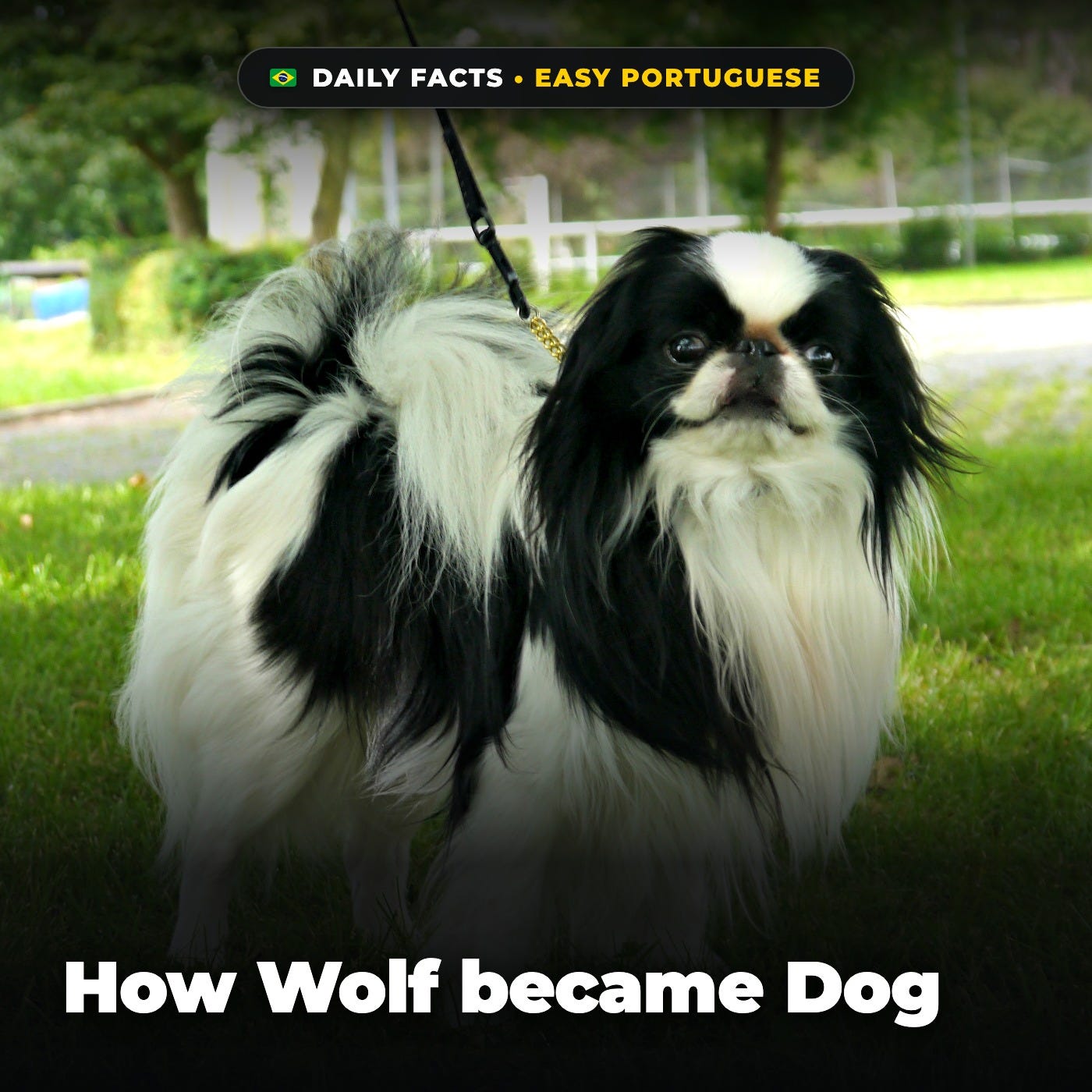
Thousands of years ago, curious wild wolves began walking toward human campfires instead of running away. This unexpected friendship transformed dangerous predators into humanity's most loyal and loving animal companions.

Scientists now study ancient bones and genetics to discover how this incredible transformation happened during the Ice Age. Today, millions of modern dogs around the world still carry the ancient heritage of their wild ancestors.
Key Topics & Highlights

  • Dogs were the very first animals ever domesticated by early human hunter-gatherers.
  • All modern dogs descend from an ancient, extinct wolf population rather than modern wolves.
  • Early wolves likely grew friendly by scavenging leftover meat around human hunting camps.
  • Over thousands of years, living with humans changed both the bodies and behaviors of wolves into dogs.

Chapters & Timestamps

Click any chapter timestamp to jump directly to that section in the audio player.

Preview Portuguese Vocabulary

Click any preview word to hear pronunciation. Unlock all 20 core vocabulary words with episode context quotes inside the Substack Premium Study Companion.

More Daily Facts in Easy Portuguese Episodes

Browse All 100 Episodes →
The World of Tyrannosaurus Rex in Easy Portuguese
15:00
CEFR A1–A2

The World of Tyrannosaurus Rex in Easy Portuguese

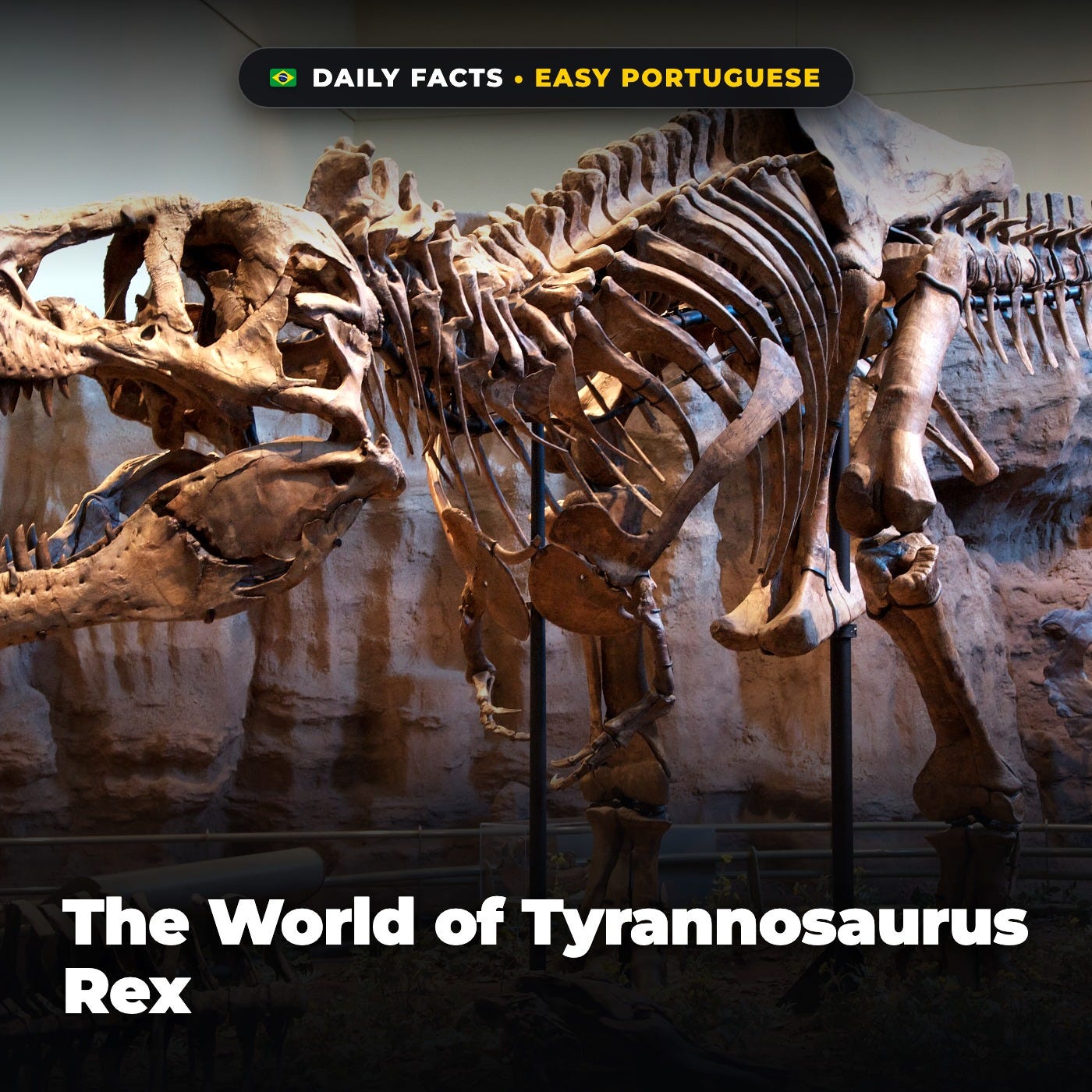
Tyrannosaurus is a genus of large theropod dinosaur. The type species Tyrannosaurus rex, often shortened to T. rex or colloquially T-Rex, is one of the best represented theropods. It lived throughout what is now western North America, on what was then an island continent known as Laramidia.

The Saltwater Crocodile in Easy Portuguese
6:10
CEFR A1–A2

The Saltwater Crocodile in Easy Portuguese

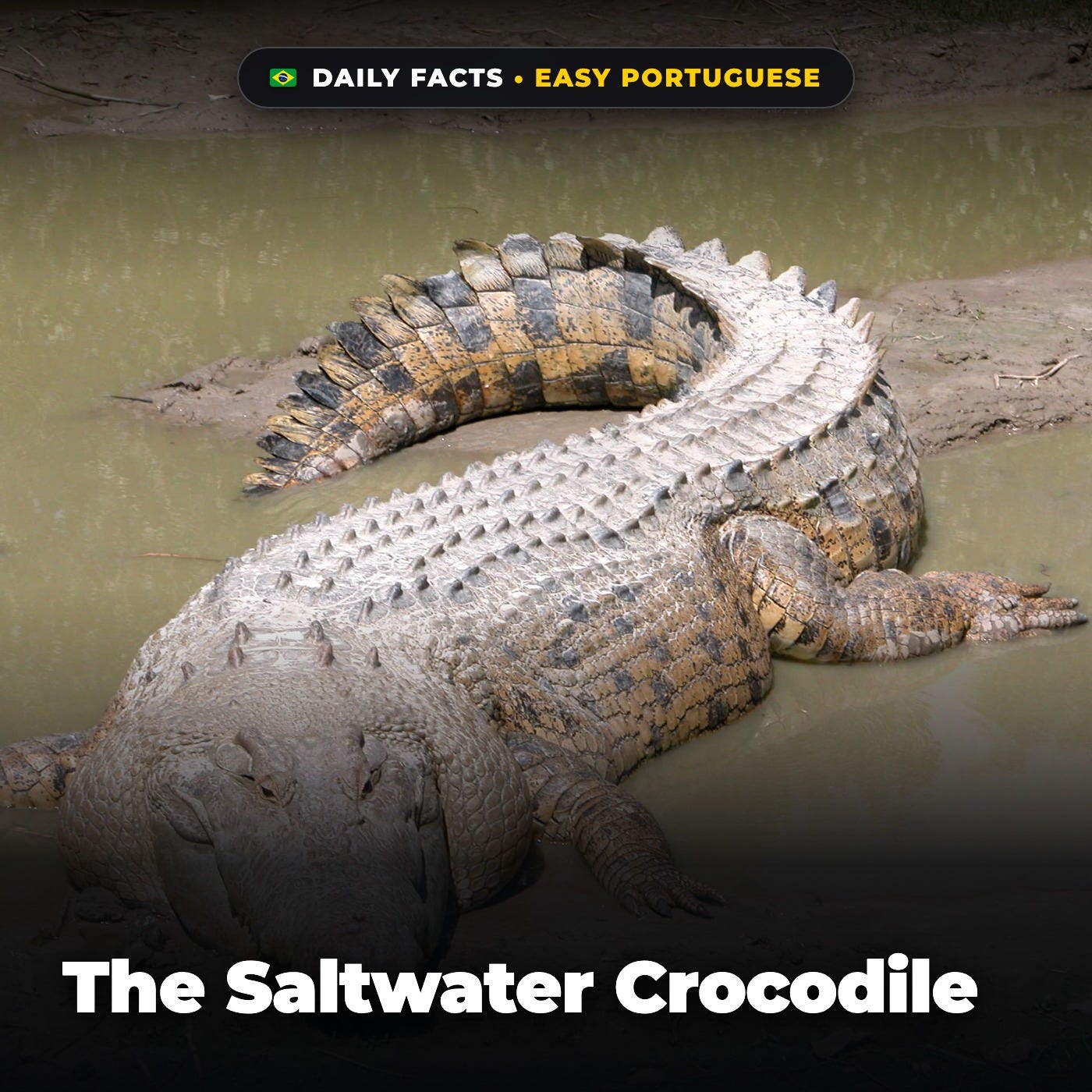
The saltwater crocodile is a crocodilian native to saltwater habitats, brackish wetlands and freshwater rivers from India's east coast across Southeast Asia and the Sundaland to northern Australia and Micronesia. It has been listed as Least Concern on the IUCN Red List since 1996. It was hunted for its skin throughout its range up to the 1970s, and is threatened by illegal killing and habitat loss. It is regarded as dangerous to humans.

The Great Blue Hole in Easy Portuguese
10:40
CEFR A1–A2

The Great Blue Hole in Easy Portuguese

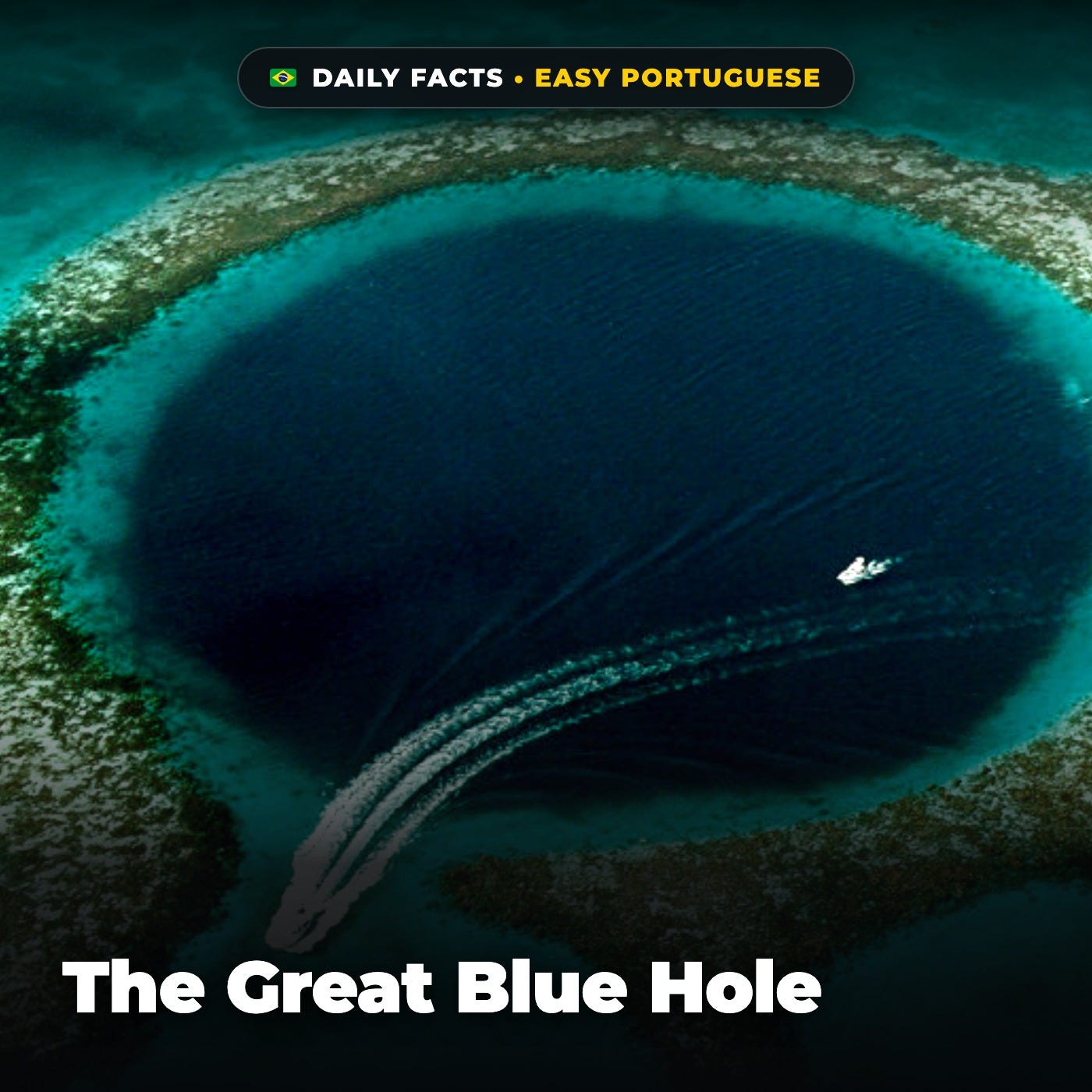
The Great Blue Hole is a large marine sinkhole off the coast of Belize. It lies near the center of Lighthouse Reef, a small atoll 70 km (43 mi) from the mainland and Belize City. The hole is circular in shape, 318 m (1,043 ft) across and 124 m (407 ft) deep. It has a surface area of 70,650 square metres (760,500 sq ft).