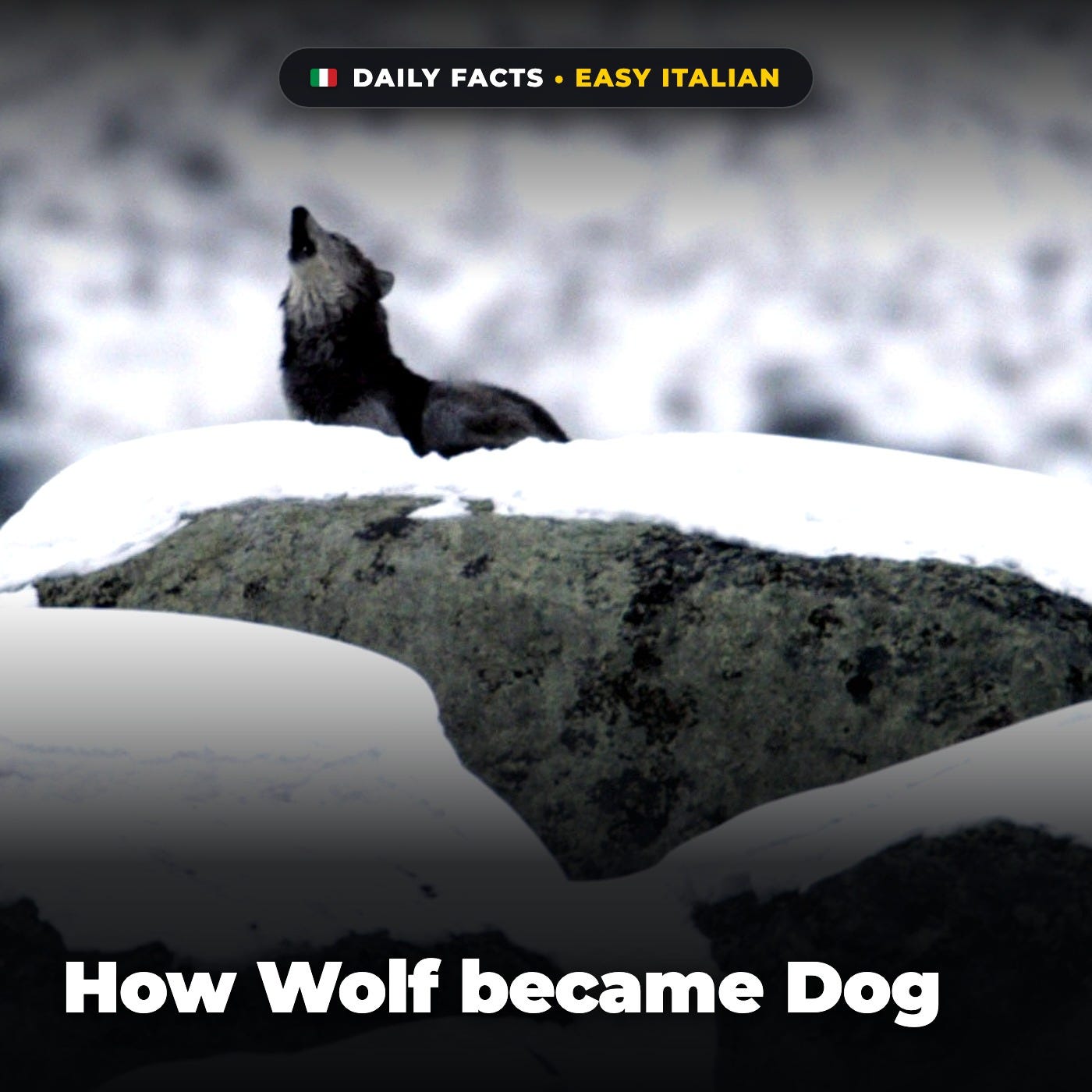
How Wolf became Dog in Easy Italian
Easy Italian · CEFR A1–A2 80% Slow Speed 16:28 Nov 3, 2026

How Wolf became Dog in Easy Italian

0:00 16:28

About This Episode

Thousands of years ago, curious wild wolves began walking toward human campfires instead of running away. This unexpected friendship transformed dangerous predators into humanity's most loyal and loving animal companions.

Scientists now study ancient bones and genetics to discover how this incredible transformation happened during the Ice Age. Today, millions of modern dogs around the world still carry the ancient heritage of their wild ancestors.
Key Topics & Highlights

  • Dogs were the very first animals ever domesticated by early human hunter-gatherers.
  • All modern dogs descend from an ancient, extinct wolf population rather than modern wolves.
  • Early wolves likely grew friendly by scavenging leftover meat around human hunting camps.
  • Over thousands of years, living with humans changed both the bodies and behaviors of wolves into dogs.

Chapters & Timestamps

Click any chapter timestamp to jump directly to that section in the audio player.

Preview Italian Vocabulary

Click any preview word to hear pronunciation. Unlock all 20 core vocabulary words with episode context quotes inside the Substack Premium Study Companion.

More Daily Facts in Easy Italian Episodes

Browse All 59 Episodes →
The Snow Leopard in Easy Italian
13:36
CEFR A1–A2

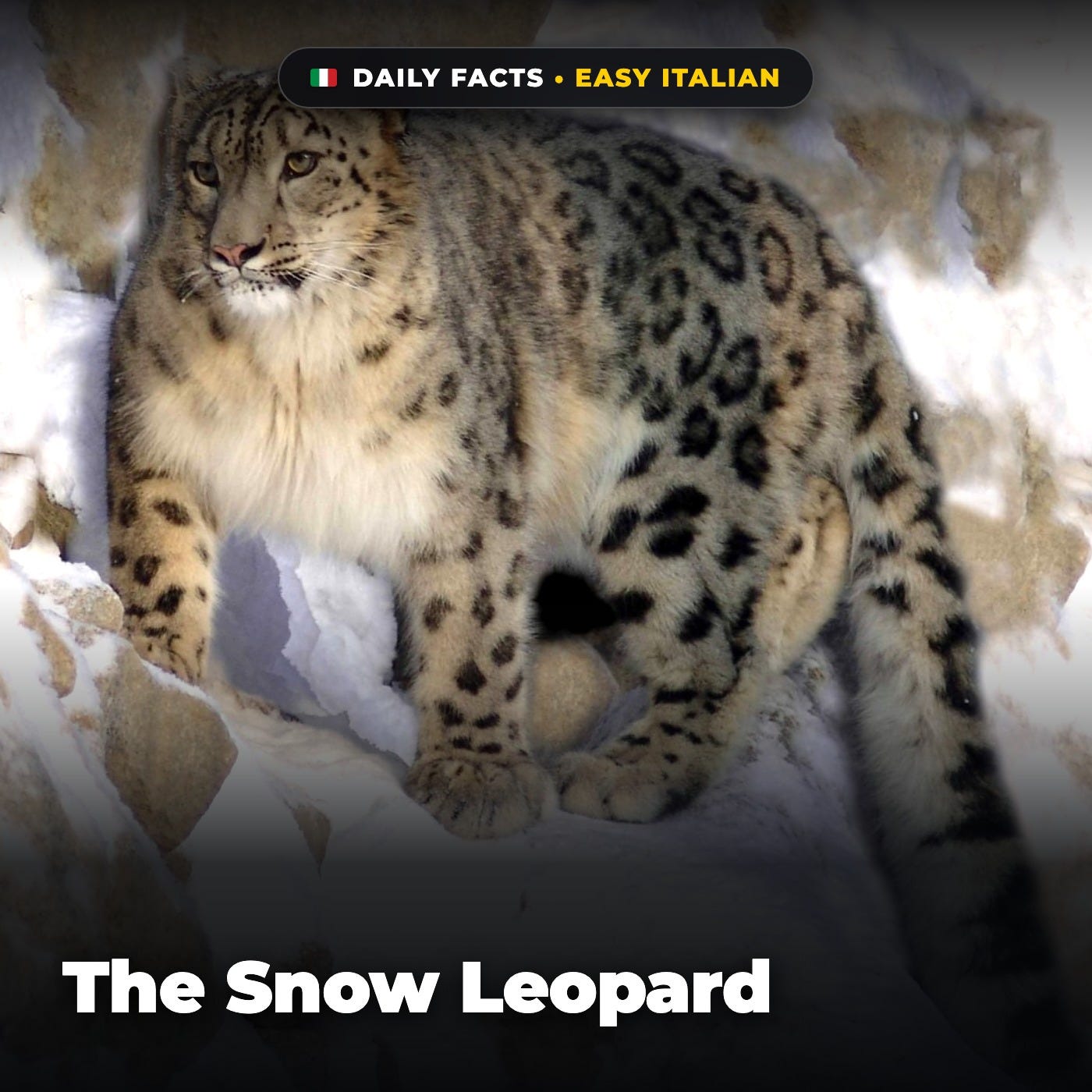
The Snow Leopard in Easy Italian

The snow leopard is a felid species in the genus Panthera. It has a thick whitish to grey fur with black spots on the head and neck, with larger rosettes on the back, flanks and bushy tail. Males are larger than the females, and both sexes have long canine teeth. Its small rounded ears, broad paws, and thick tails are adaptations for living in cold, mountainous environments.

The World of Chameleons in Easy Italian
21:40
CEFR A1–A2

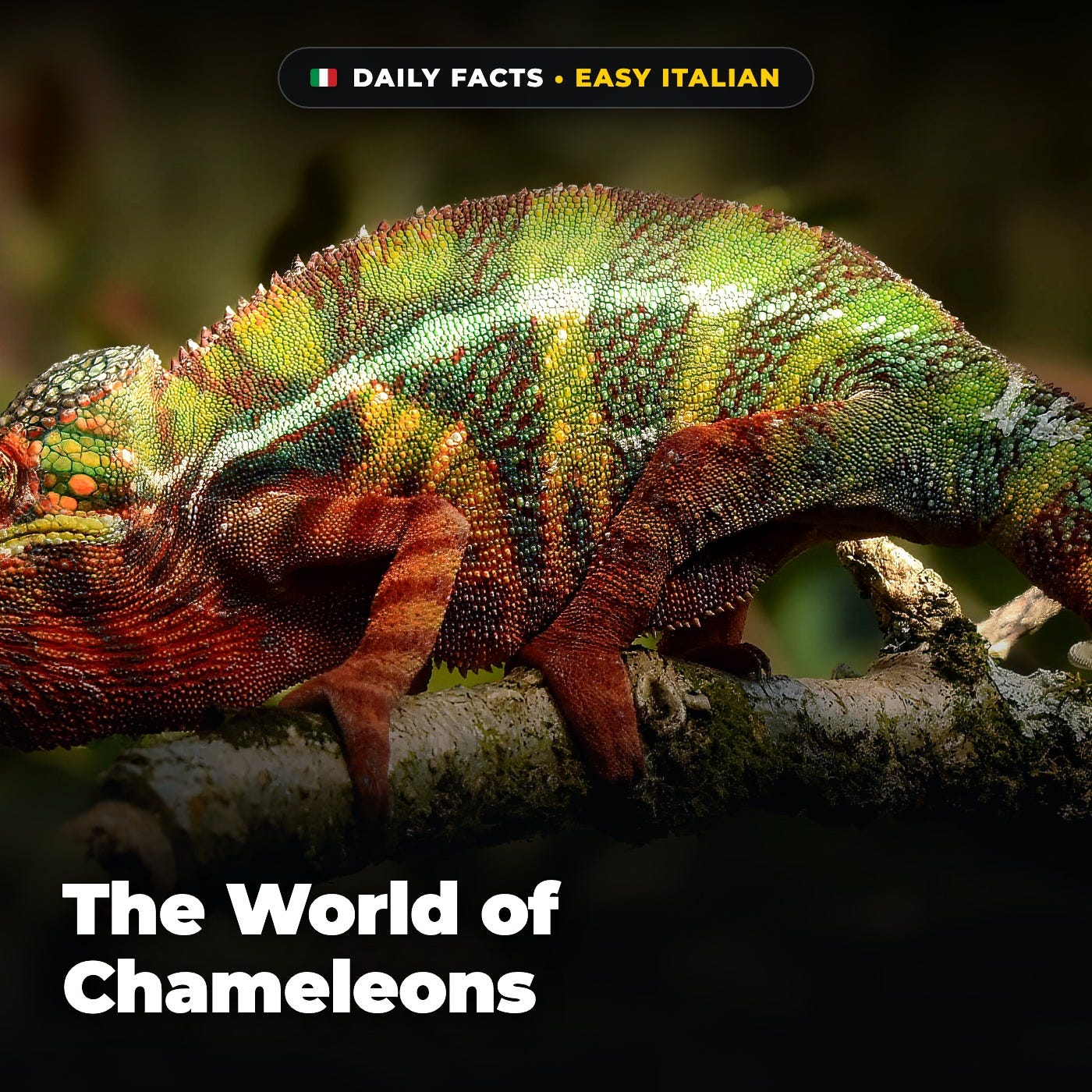
The World of Chameleons in Easy Italian

Chameleons are a distinctive and highly specialized clade of Old World lizards with 200 species described as of June 2015. The members of this family are best known for their distinct range of colours, being capable of colour-shifting camouflage. The large number of species in the family exhibit considerable variability in their capacity to change colour. For some, it is more of a shift of brightness ; for others, a plethora of colour-combinations can be seen.

The Humpback Whale in Easy Italian
16:23
CEFR A1–A2

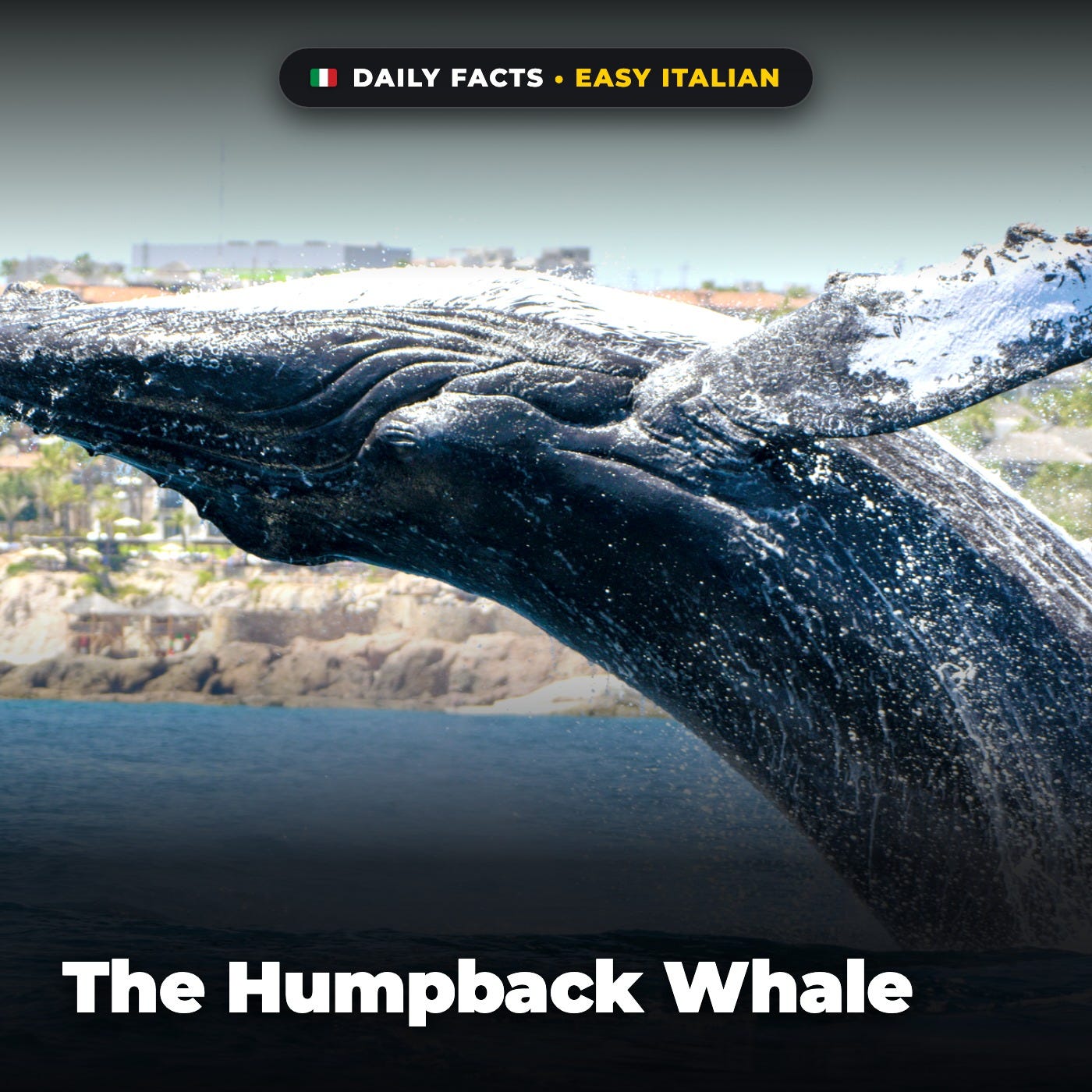
The Humpback Whale in Easy Italian

The humpback whale is a species of baleen whale. It is a rorqual and is the only species in the genus Megaptera. Adults range in length from 14–17 m (46–56 ft) and weigh up to 40 metric tons. The humpback has a distinctive body shape, with long pectoral fins and tubercles on its head.