Film during Nazi Era in Easy Italian
Easy Italian · CEFR A1–A2 80% Slow Speed 14:29 Nov 2, 2026

Film during Nazi Era in Easy Italian

0:00 14:29

About This Episode

During the 1930s and 1940s, cinema became one of the most powerful tools of state influence in Germany. The regime quickly recognized the emotional impact of the big screen and seized total control over the national film industry.

From weekly newsreels to lavish historical epics, movies were carefully crafted to shape public opinion and spread ideology. Discover how moving pictures were transformed into potent instruments of persuasion and everyday entertainment.
Key Topics & Highlights

  • Joseph Goebbels established strict censorship and personally inspected scripts produced by the German film industry.
  • The vast majority of movies produced during this era were actually light comedies and romantic musicals rather than direct political pieces.
  • Every public screening was legally required to include an official state newsreel before the main feature began.
  • Director Leni Riefenstahl pioneered dynamic camera techniques in documentaries to visually glorify the regime.

Chapters & Timestamps

Click any chapter timestamp to jump directly to that section in the audio player.

Preview Italian Vocabulary

Click any preview word to hear pronunciation. Unlock all 20 core vocabulary words with episode context quotes inside the Substack Premium Study Companion.

More Daily Facts in Easy Italian Episodes

Browse All 59 Episodes →
The Taj Mahal in Easy Italian
16:20
CEFR A1–A2

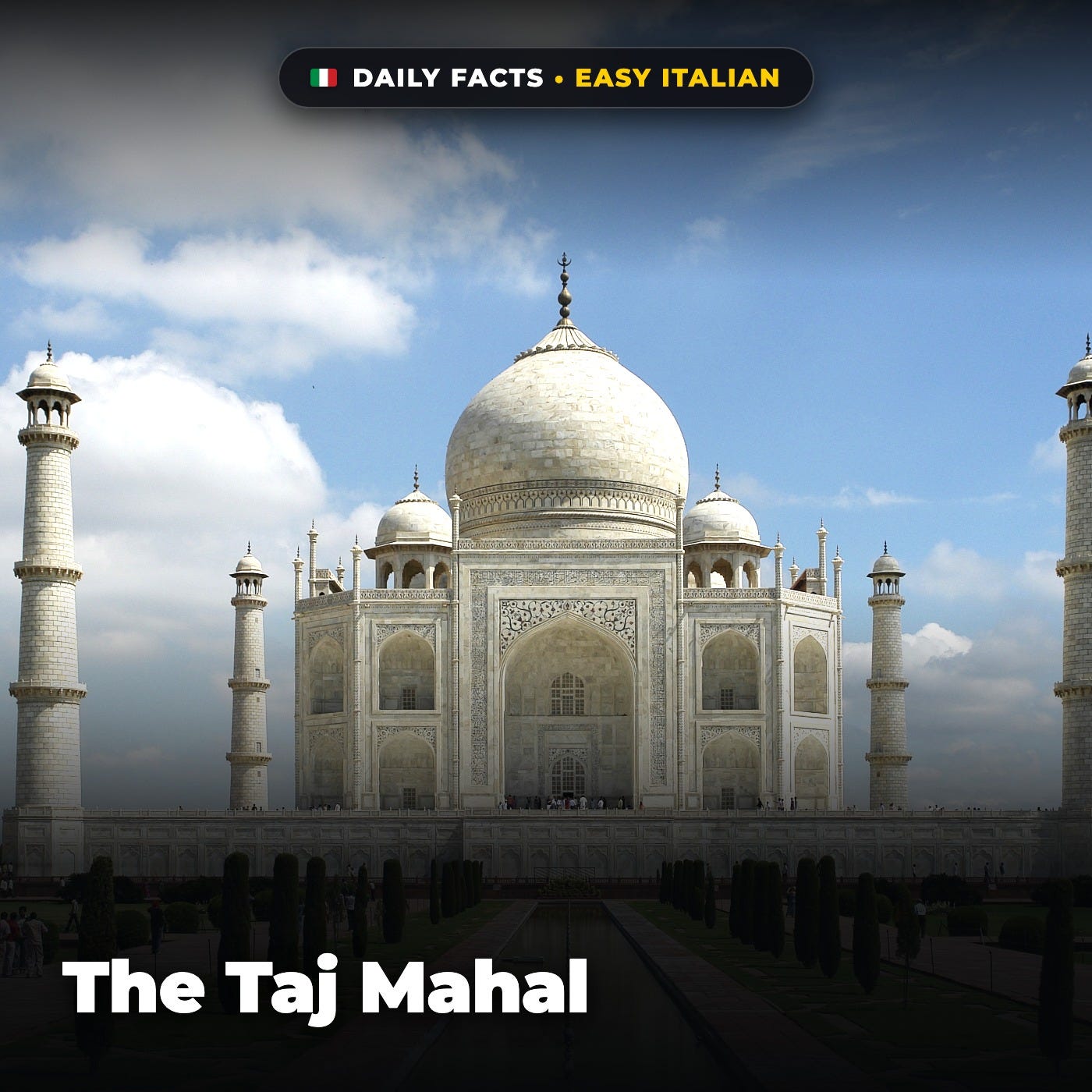
The Taj Mahal in Easy Italian

The Taj Mahal is an ivory-white marble mausoleum on the right bank of the river Yamuna in Agra, Uttar Pradesh, India. It was commissioned in 1631 by the fifth Mughal emperor, Shah Jahan, to house the tomb of his late wife, Mumtaz Mahal; it also houses the tomb of Shah Jahan himself. The tomb is the centrepiece of a 17-hectare (42-acre) complex, which includes a mosque and a guest house, and is set in formal gardens bounded on three sides by a crenellated wall.

The History of Coffee in Easy Italian
16:12
CEFR A1–A2

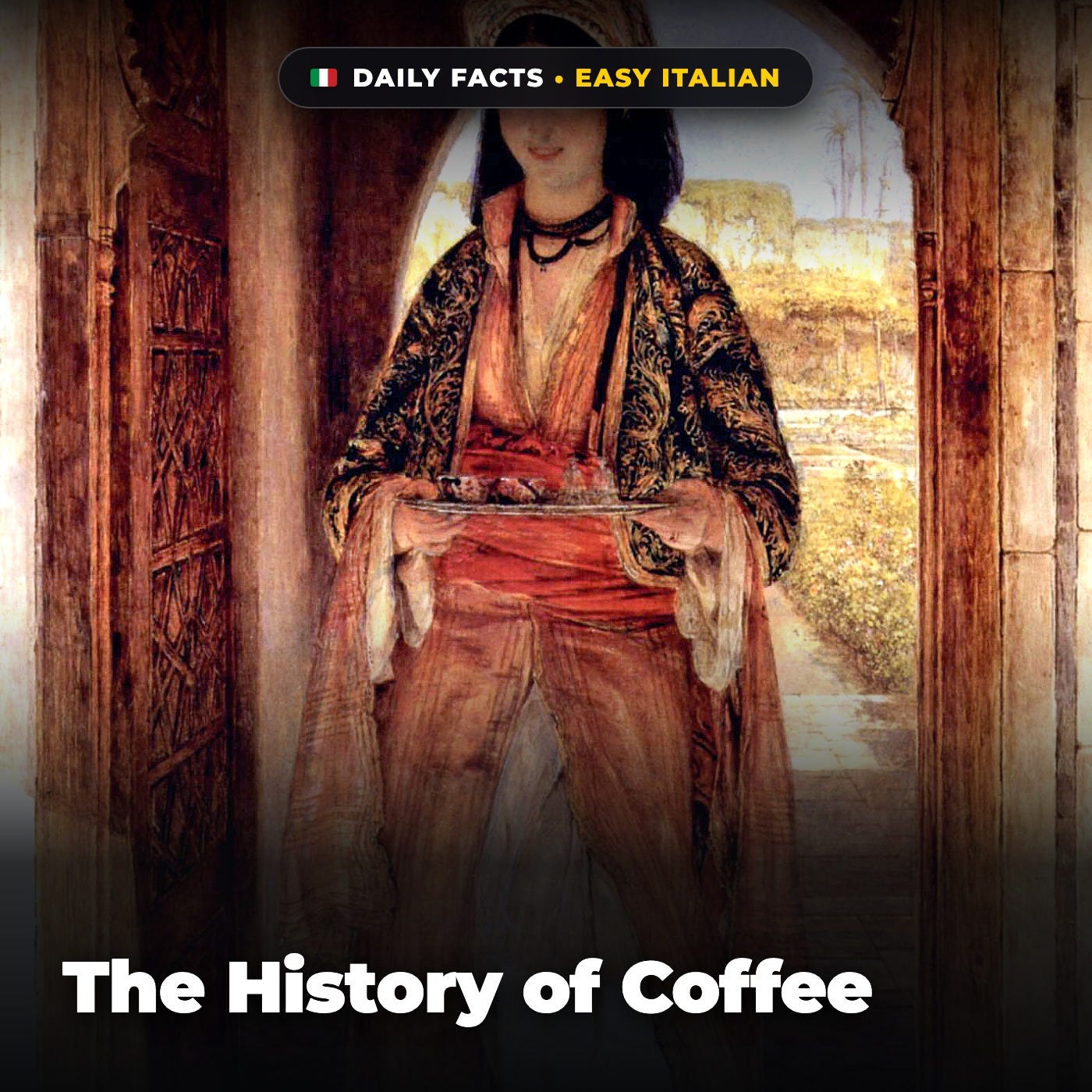
The History of Coffee in Easy Italian

The history of coffee spans many centuries. Wild coffee plants originated in Ethiopia, while the beverage itself has its roots in Yemen, where it was harvested, roasted, and brewed; Sufi Muslims in the 15th century used it to aid concentration during night prayers. In this episode, we break down the most important facts and stories about The History of Coffee using clear, beginner-friendly A1

The Palace of Versailles in Easy Italian
11:52
CEFR A1–A2

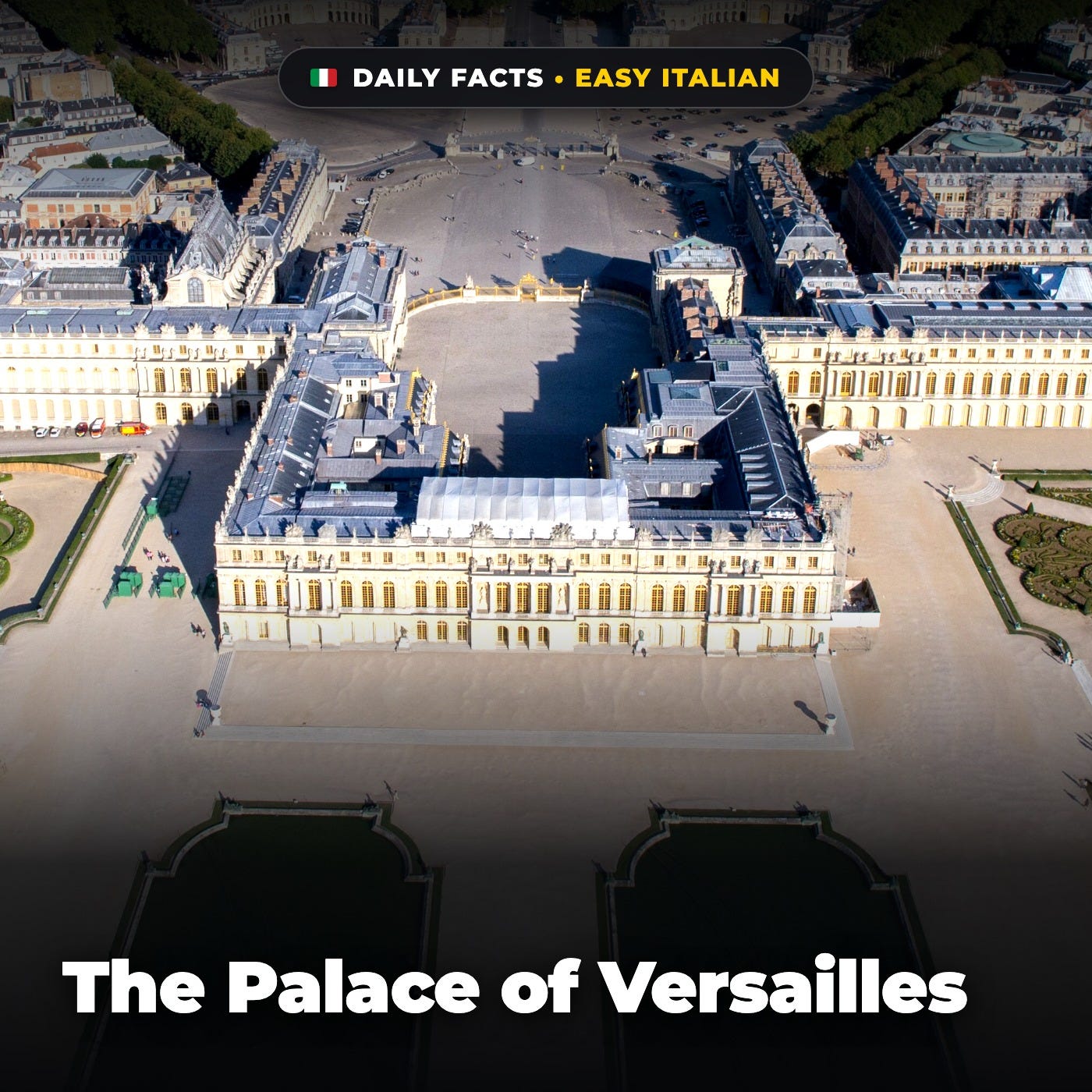
The Palace of Versailles in Easy Italian

The Palace of Versailles is a château and historic monument in Versailles in the Yvelines department of France, southwest of Paris. It served as the principal residence of the French kings Louis XIV, Louis XV, and Louis XVI. In this episode, we break down the most important facts and stories about The Palace of Versailles using clear, beginner-friendly A1