The Mystery of Andrée’s Polar Expedition in Easy German
Easy German · CEFR A1–A2 80% Slow Speed 28:16 Sep 24, 2026

The Mystery of Andrée’s Polar Expedition in Easy German

0:00 28:16

About This Episode

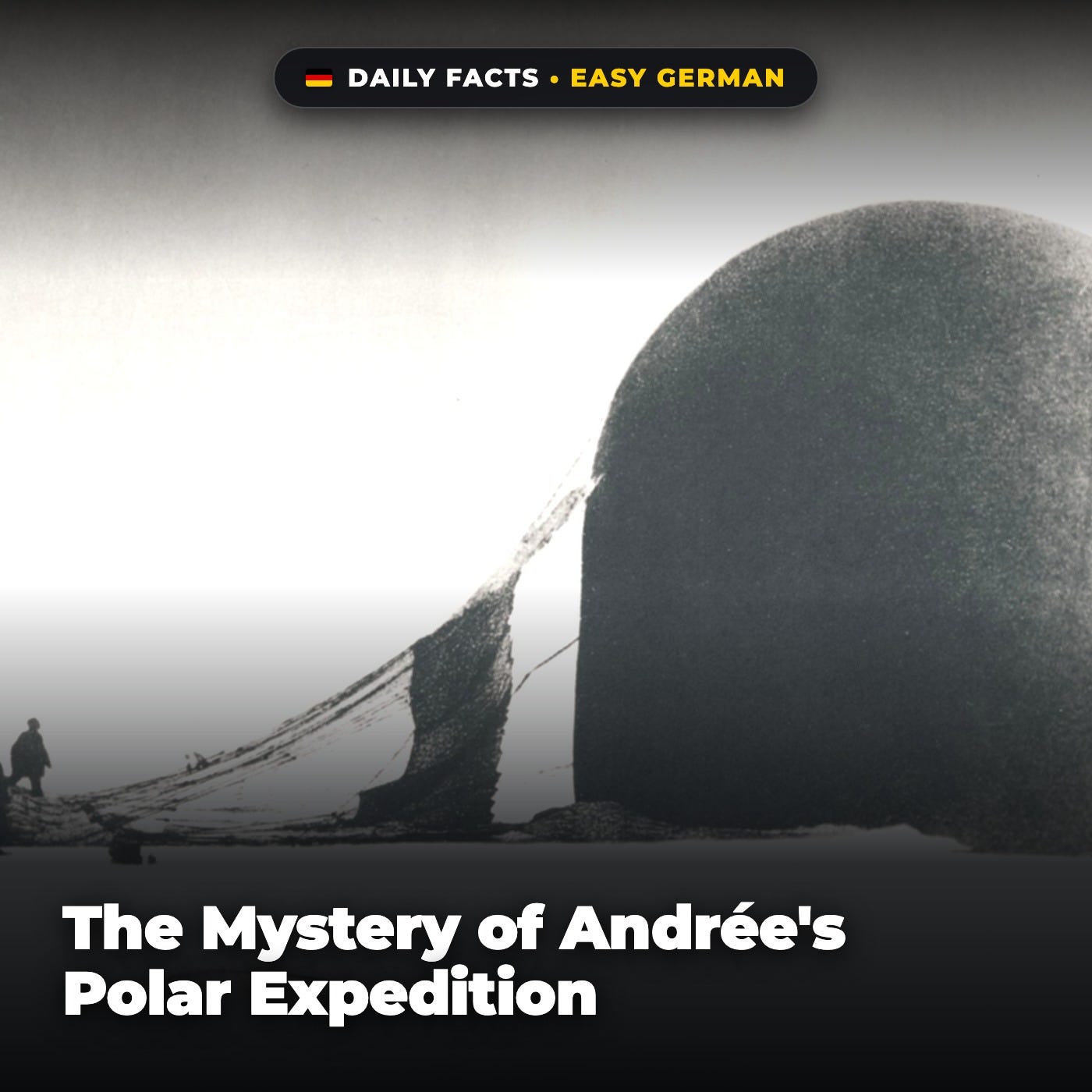
Journey into the frozen Arctic wilderness in 1897, where Swedish engineer Salomón August Andrée set off in a hydrogen balloon named "The Eagle" to reach the North Pole.

Learn how freezing Arctic fog weighed down the balloon, forcing a crash landing after just 65 hours, and follow the three explorers' desperate trek across drifting pack ice until their mysterious fate was discovered 33 years later on White Island.

Key Topics & Highlights

  • Andrée and his two companions attempted to fly to the North Pole in a hydrogen-filled balloon in 1897.
  • Freezing moisture and ice weighed down the balloon, forcing it to crash onto the pack ice after 65 hours.
  • The crew trekked across treacherous shifting ice floes for months trying to reach safety.
  • Their final camp, diaries, and undeveloped camera films were miraculously discovered intact in 1930.

Chapters & Timestamps

Click any chapter timestamp to jump directly to that section in the audio player.

Preview German Vocabulary

Click any preview word to hear pronunciation. Unlock all 20 core vocabulary words with episode context quotes inside the Substack Premium Study Companion.

More Daily Facts in Easy German Episodes

Browse All 61 Episodes →
The Destruction of Pompeii in Easy German
13:27
CEFR A1–A2

The Destruction of Pompeii in Easy German

In the year 79 AD, the bustling Roman city of Pompeii met a sudden and tragic end. Mount Vesuvius erupted violently, burying the entire region under a deep blanket of burning volcanic ash and stone. Because the city was covered so quickly, buildings, artworks, and everyday objects remained frozen in time for centuries. Today, the rediscovery of Pompeii provides an extraordinary window into daily life in the ancient Roman world.

Mount Everest in Easy German
14:57
CEFR A1–A2

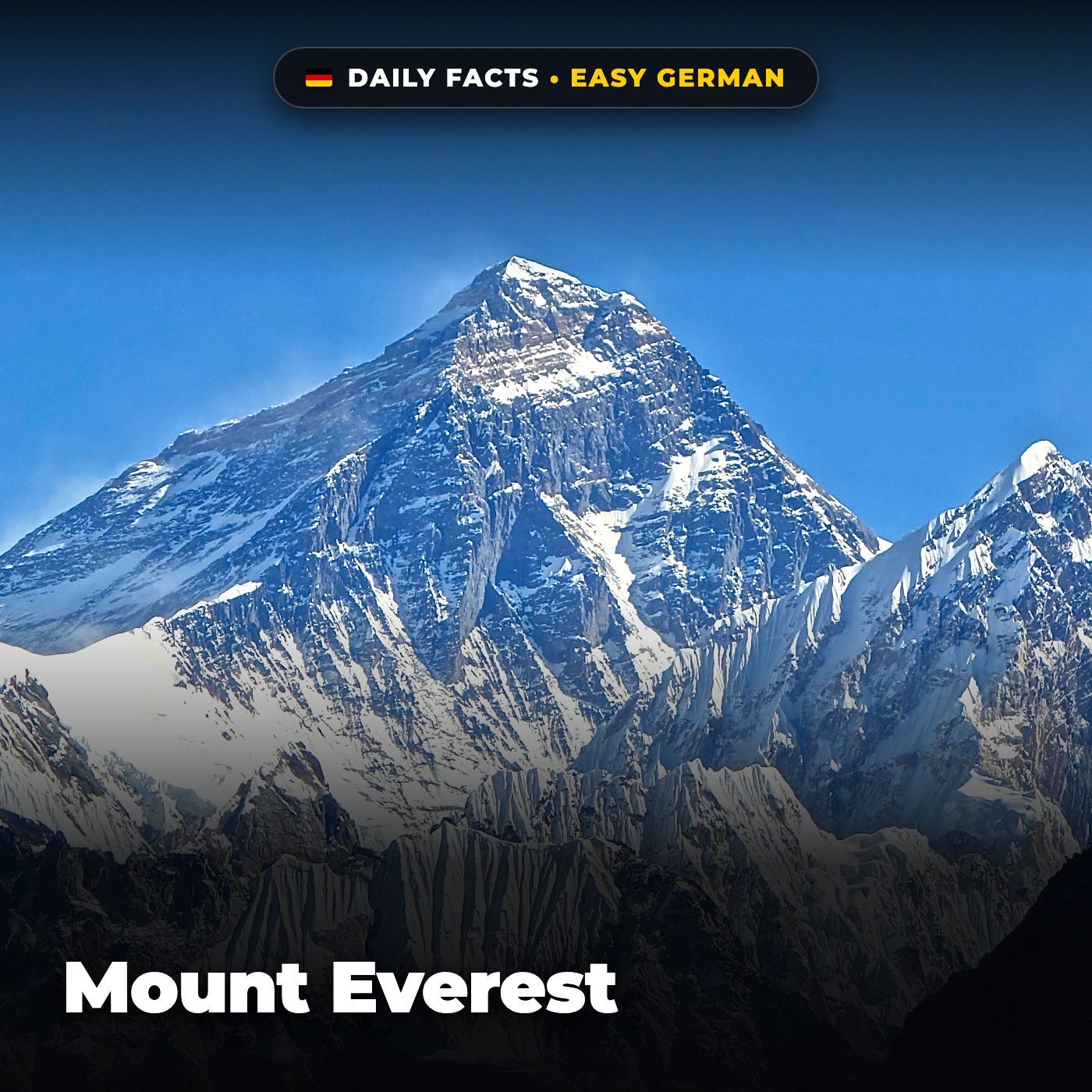
Mount Everest in Easy German

Mount Everest is the highest mountain on Earth, towering dramatically over the mighty Himalayas on the border of Nepal and China. Rising nearly nine kilometers into the sky, its snowy summit attracts brave climbers from all around the world. Known locally as Sagarmatha and Chomolangma, this legendary peak holds profound cultural and spiritual significance for native communities. Exploring its frozen slopes reveals incredible stories of human endurance, extreme weather, and awe-inspiring natural beauty.

The South Pole Expedition in Easy German
11:48
CEFR A1–A2

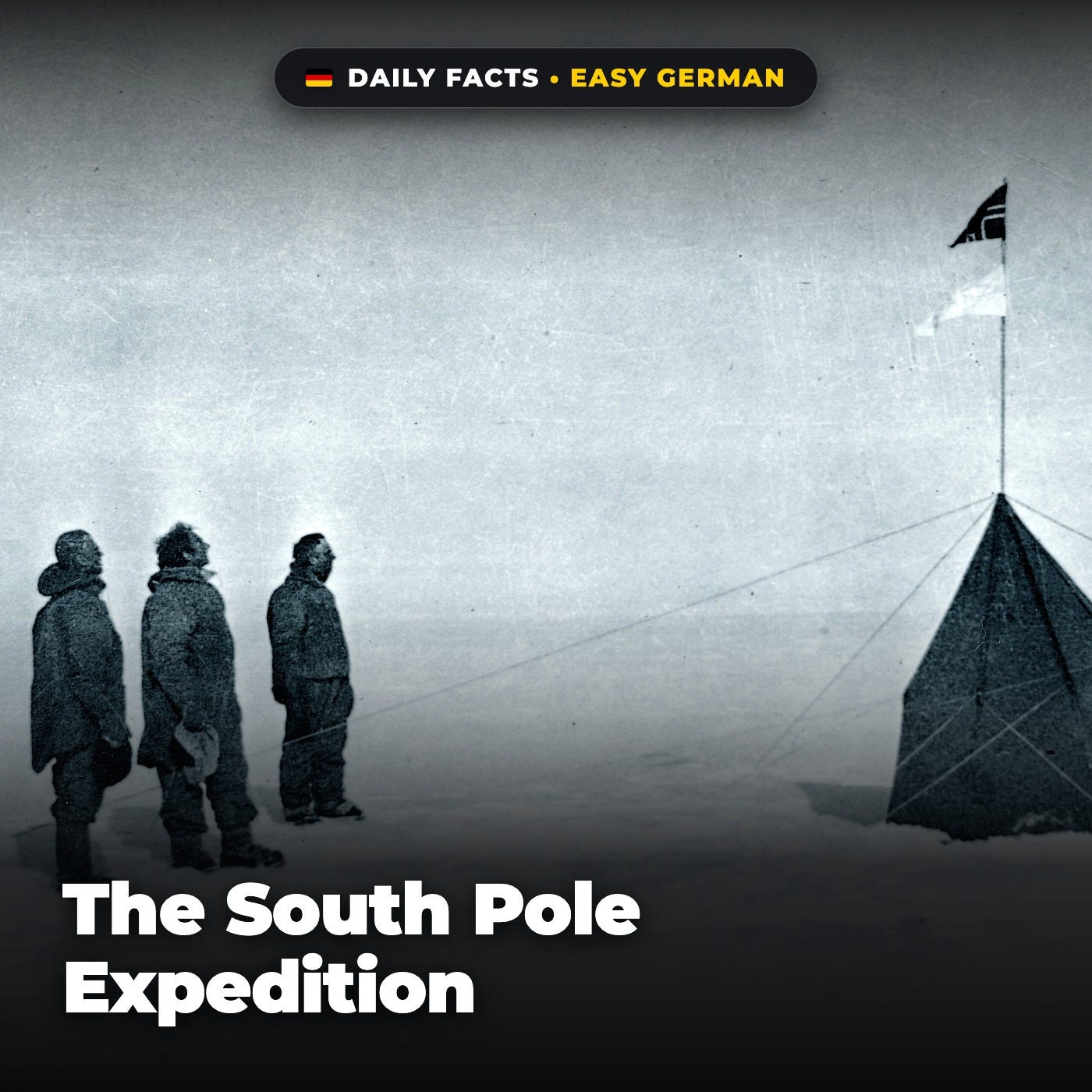
The South Pole Expedition in Easy German

In late 1911, the frozen wilderness of Antarctica became the stage for one of history's greatest races. Norwegian explorer Roald Amundsen led a brave team into the unknown white desert to reach the bottom of the world. Relying on skilled sled dogs and smart planning, Amundsen successfully reached the South Pole weeks before his British rival. Today, their daring journey stands as an unforgettable tale of human endurance and polar exploration.